

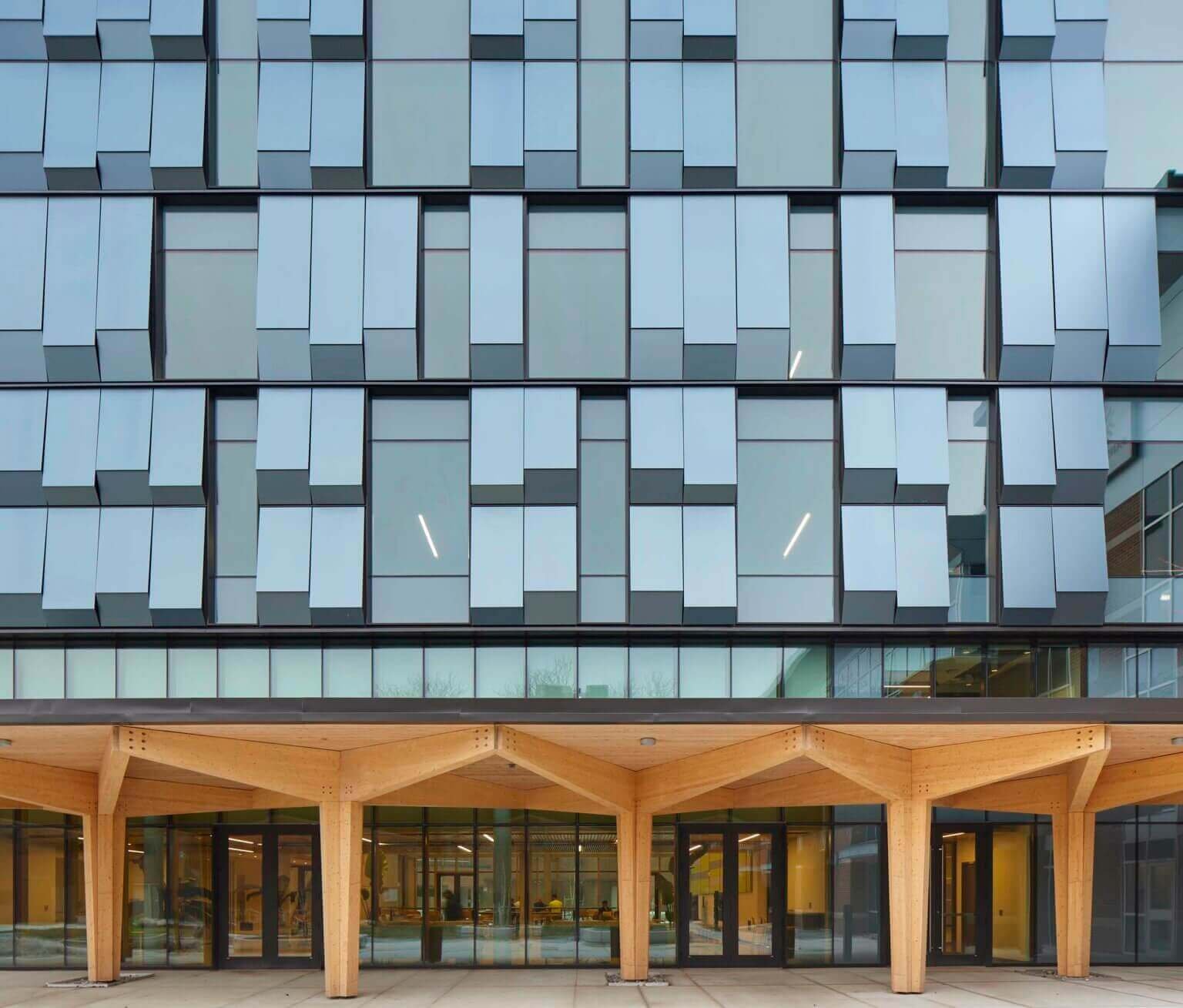
As architects embark on a transition toward more sustainable methods of construction, the industry is slowly phasing out the all-glass enclosures that have for many years defined commercial projects. This change certainly doesn’t spell the end for glass, a material that has been used to create windows since Roman times. Rather, it entails a more thoughtful and restrained approach to its application. Here, we examine how manufacturers and government research laboratories, often guided by the evolving needs of architects and engineers, have developed new high-performance systems with improved structural capacity, longevity, and the ability to express complex geometries that will propel glass through its next century of use.
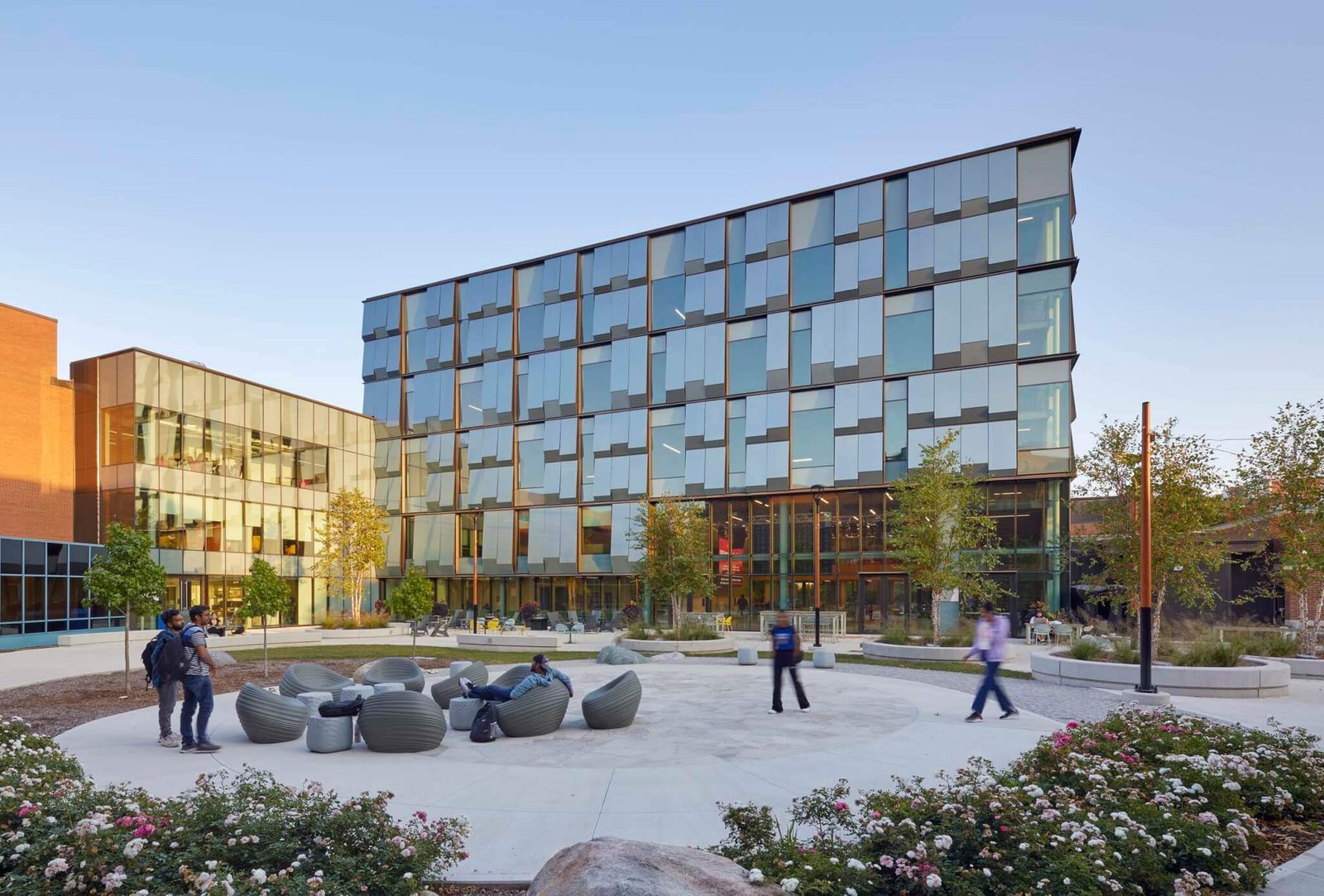
units. (Chuck Choi)
Vacuum-Insulated Glazing
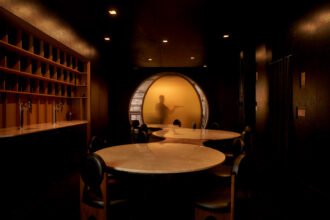
Today, double-paned glazing is the industry standard for windows in new construction, with some larger-budget projects even featuring triple-paned units. However, a new alternative to the insulated glass unit (IGU) is poised to disrupt the market. Known as vacuum-insulated glazing, the technology is assembled using two panes of glass, like an IGU, yet with a much smaller intermediary space, usually about 1 millimeter. The air between the panes is removed, hence the vacuum reference, and the addition of a molten ceramic seal provides superior insulation and an enhanced lifespan, collectively exceeding the performance metrics of a conventional IGU.
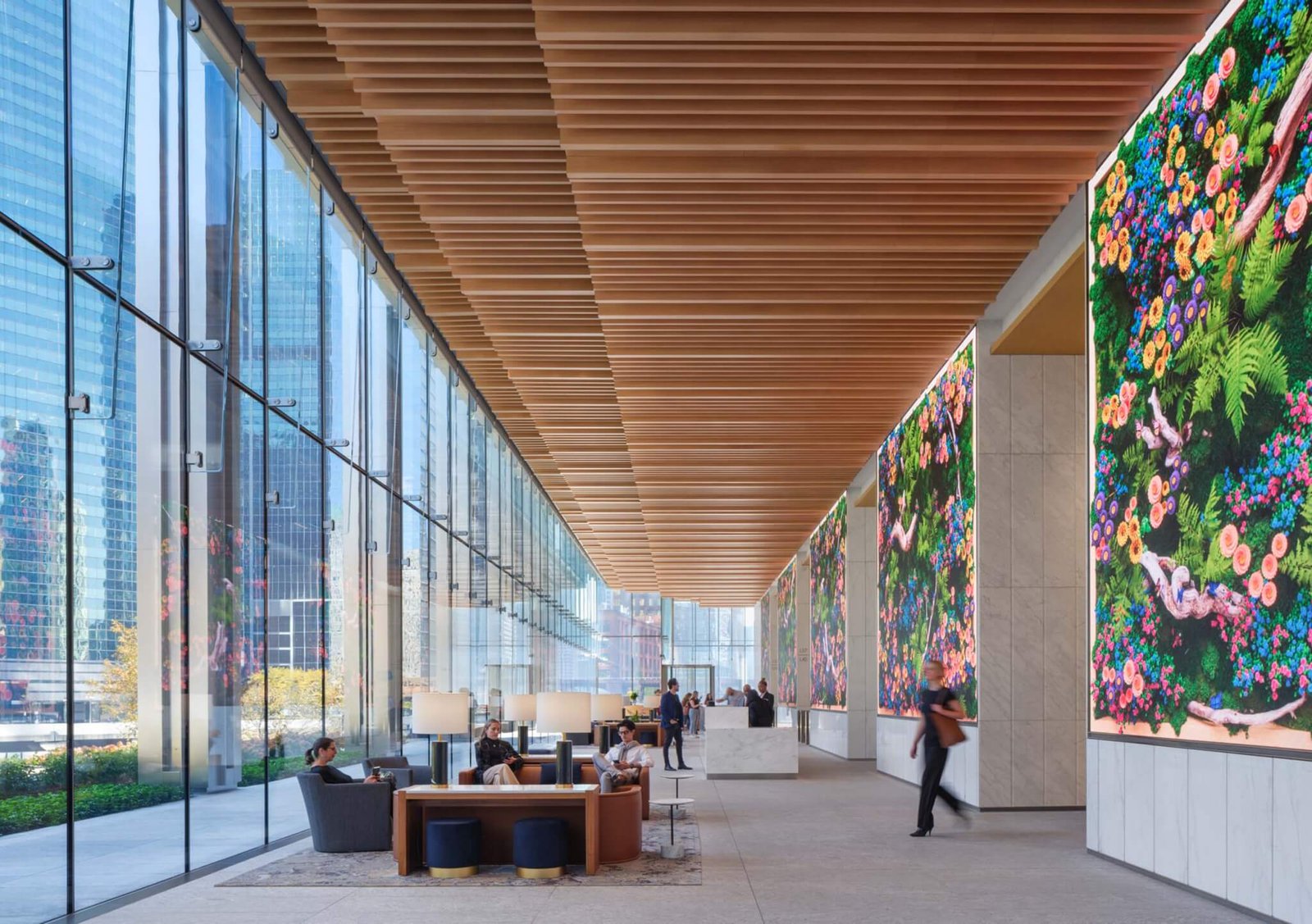
of Pelli Clarke & Partners’s Salesforce Tower in Chicago. (Jason O’ Rear)
Advances in Structural Glass and Custom Forms
While glass manufacturers work to adopt new sustainability targets, they are simultaneously expanding the material’s viability for applications beyond simple windows. Through scientific advances that allow for the production of larger sheets of tempered and laminated glass, the material is finding use as a self-supporting structural element, often used to transparently enclose massive corporate lobbies or frame the entrance to world-class art institutions. Meanwhile, curved glazing, once reserved for only the highest-budget projects, is becoming increasingly accessible as more manufacturers adopt cost-effective cold-bending techniques, allowing architects to expand the formal language of their designs.
Building-Integrated Photovoltaics
One of the most exciting new applications for glass is building-integrated photovoltaic (BIPV) technology, a classification of cladding products that produce renewable solar energy. While rooftop photovoltaics have existed since the 1970s, vertically oriented facade panels are gradually taking root in the industry, overcoming the high upfront costs that once hindered wide adoption. The photovoltaic cells are typically housed between two panes of glass in BIPV units, which can be either opaque or transparent, turning what are otherwise inert windows or cladding elements into energy producers that—in the long run—save money for building owners.
Bird Safety
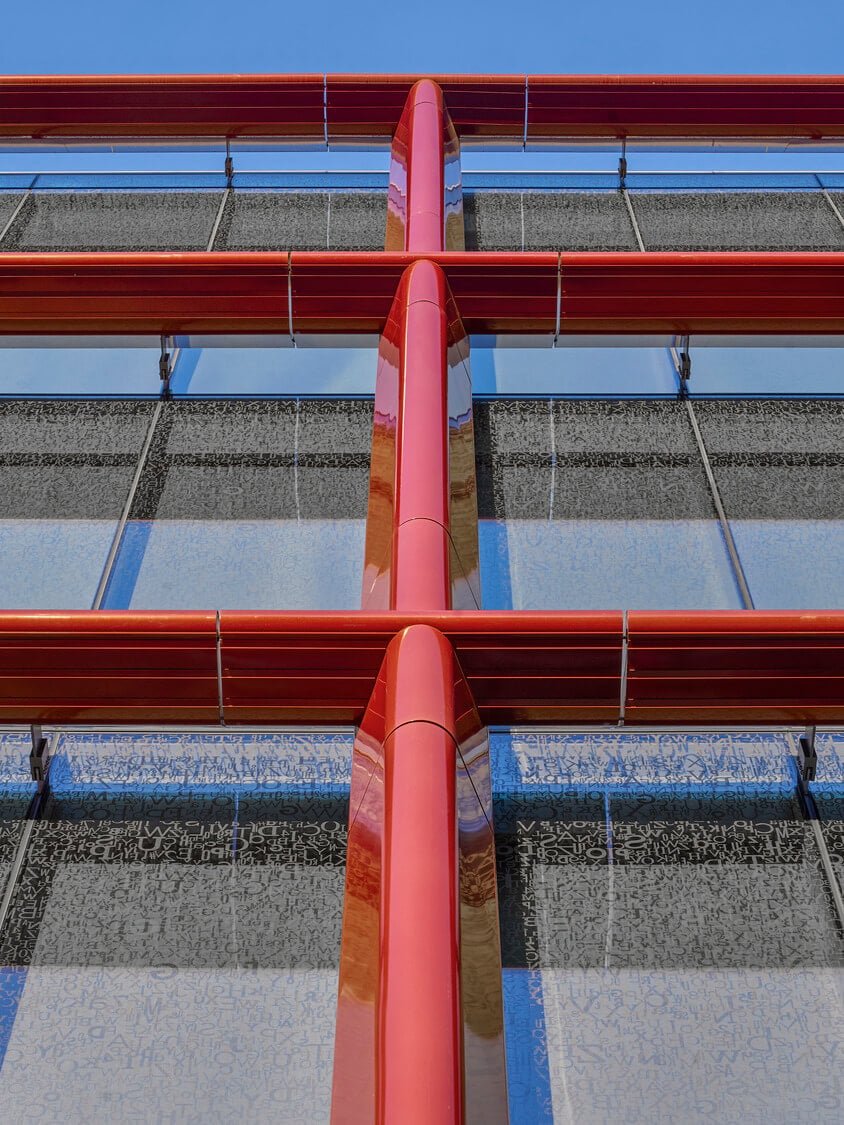
Every year, hundreds of millions of birds are killed by building collisions in the United States—and the number may exceed 1 billion. The transparent and reflective properties of glass prevent birds from seeing many tall buildings, resulting in mass avian casualties during the migratory season. To prevent this, many architects now specify bird-safe glazing for their projects. The most popular means of bird-proofing glass is the application of a frit to the panel, a visible pattern, often made from a ceramic material, which is baked onto the glass pane during the firing process. Less common is the use of ultraviolet reflective coatings, which are visible to birds but not humans.
Glass Recycling
In the race to sequester embodied carbon, no topic is more important than circularity, a new approach to manufacturing, supply chains, and the wider economy that promotes the reuse of building materials. While it is comparatively easy to recycle bottles and consumer products made from glass, windows and glass building systems often vary widely from one another in chemical composition and method of construction, which prevents large-scale recycling. Furthermore, preparing glass building products requires a labor-intensive disassembly process. Despite these challenges, industry specialists are conceiving new methods of collecting and sorting cullet—broken pieces of postconsumer glass—while also redesigning and standardizing the production process in a way that eases recycling.