



grateful Deggendorf Institute of Technology Share the following with gooood. More levels:Deggendorf Institute of Technology on gooood
Appreciation towards Deggendorf Institute of Technology for providing the following description:
Flight into Shadow explores how light and shadow shape our perception of heat, relief and comfort, particularly in urban environments experiencing thermal stress. At the heart of the project is a bold architectural move: bringing the sun indoors, thereby creating a controlled solar experience and making it independent of external weather conditions.
Flight into Shadow explores how light and shadow shape our perception of heat, relief, and comfort in heat-stressed urban environments. At its core is a bold architectural gesture: inviting the sun indoors to create a controlled solar experience, independent of external weather conditions.
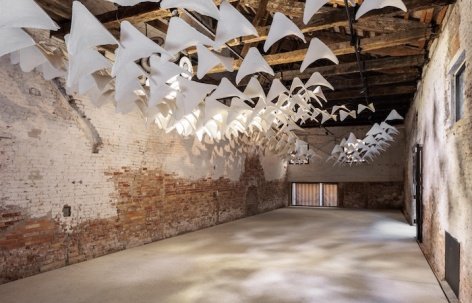
▼Project overview, overview of the project © Jacopo La Forgia
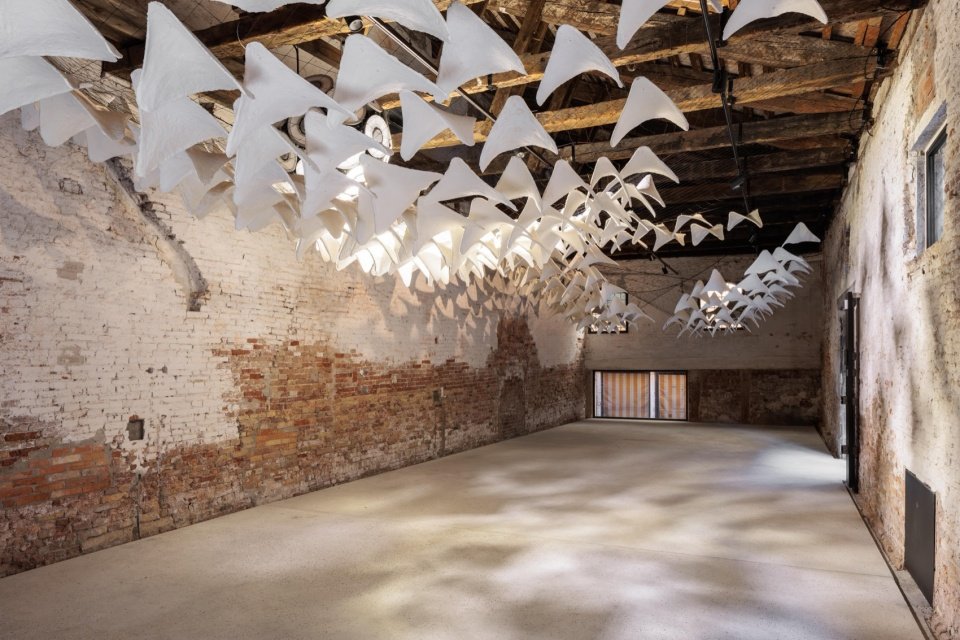

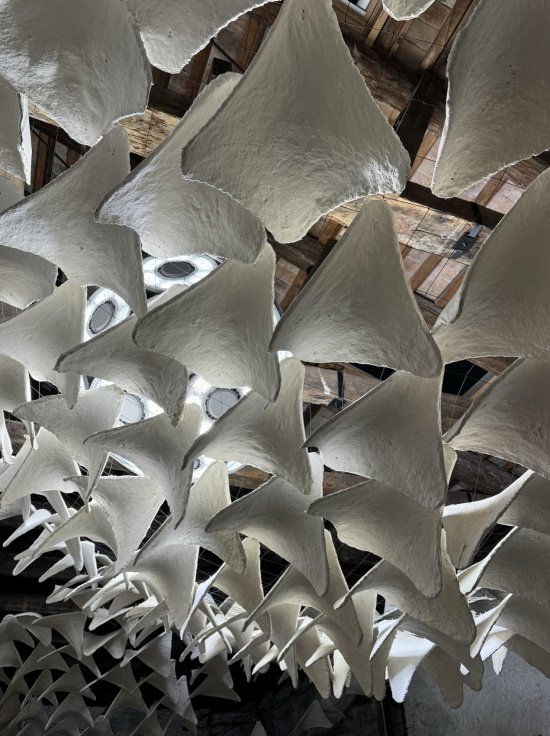
The living mycelium structure acts as an organic filter, forming a lightweight canopy that softens and scatters light. These structures embody ecological wisdom, making shadow no longer just a by-product but an active spatial element. Light is both subject and medium, revealing the delicate and fragile balance between exposure, shelter and perception.
Living mycelium structures act as organic filters, forming delicate canopies that soften and scatter light. These structures embody ecological intelligence, allowing shadow to emerge as an active, spatial element, rather than a by-product. Light becomes both subject and medium, revealing the fragile balance between exposure, protection, and perception.
▼Living mycelium structures © Jacopo La Forgia
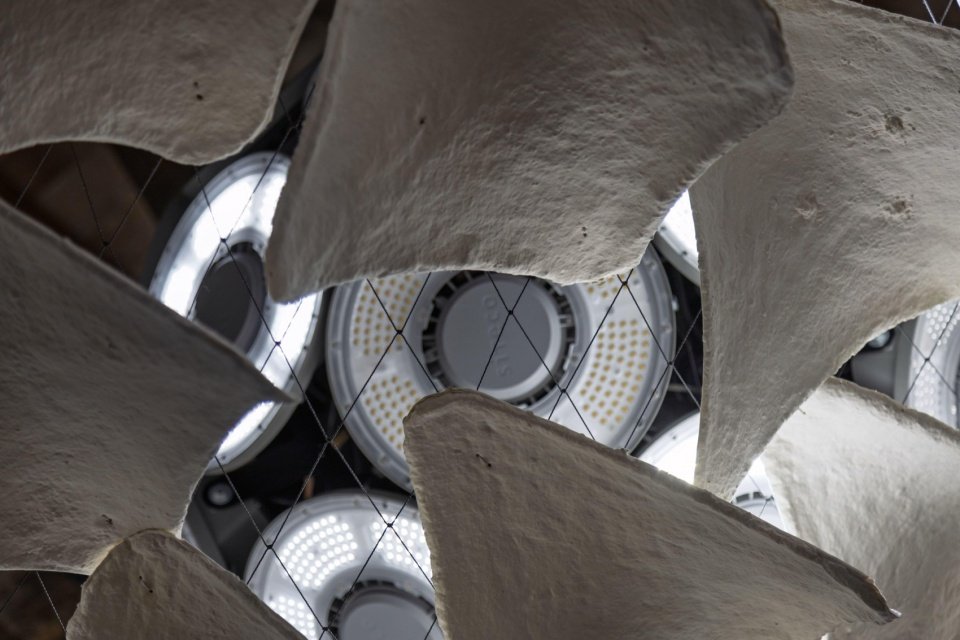
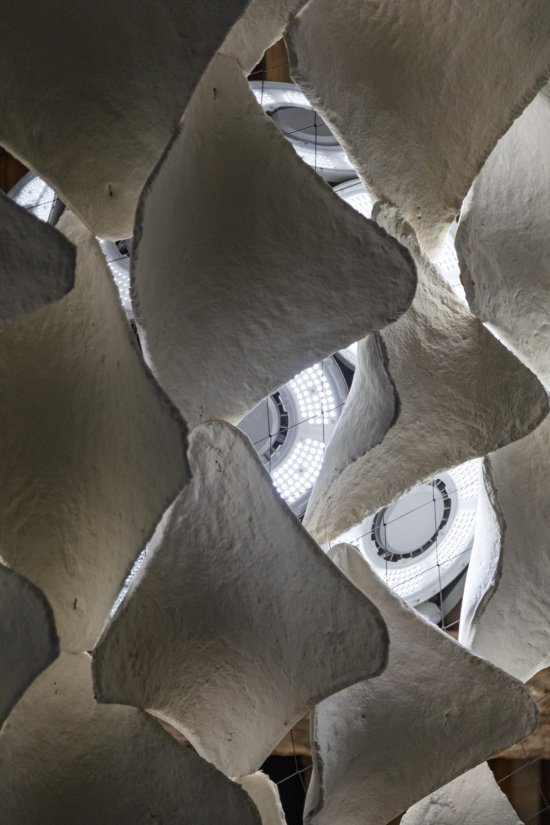

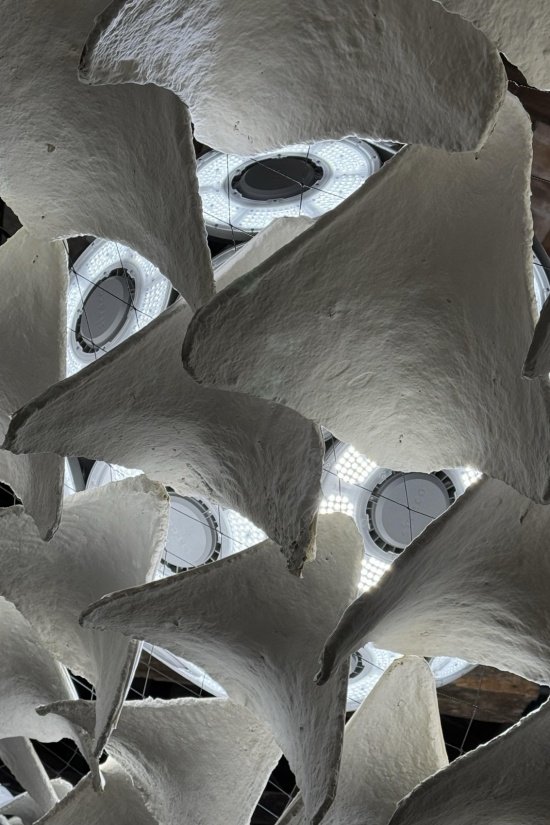
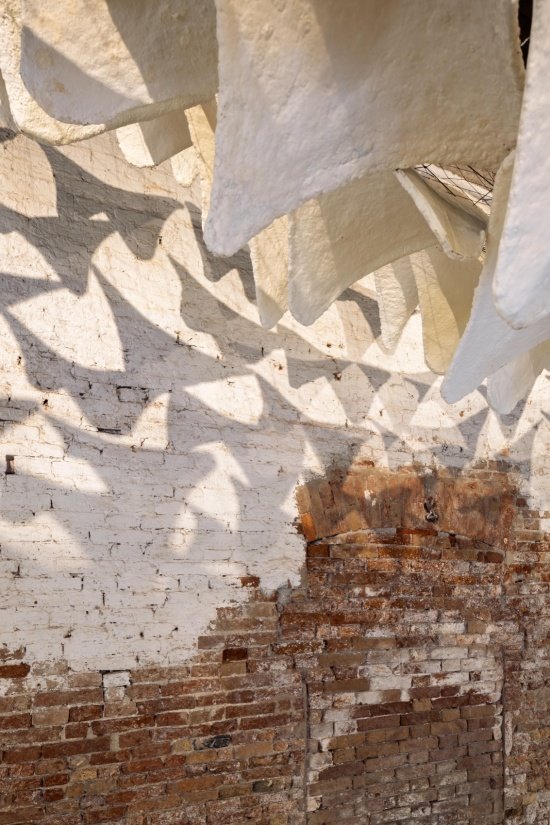
▼Details, details © Jacopo La Forgia
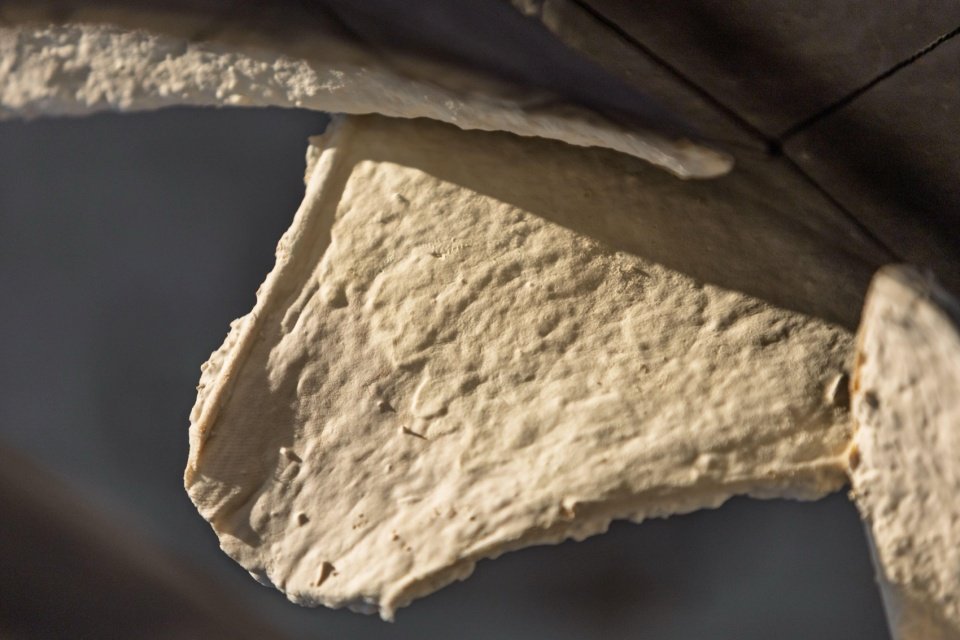
The project was inspired by the Komorebi effect – the fleeting changes in light and shadow when sunlight passes through leaves. The installation transforms this natural phenomenon into an immersive architectural experience. The originally brief moment thus becomes spatial and perceptible, capturing the quiet rhythm of nature through form, material and light.
Inspired by the Komorebi effect—the fleeting play of sunlight filtering through leaves—the installation translates this natural phenomenon into an immersive architectural experience. What is usually momentary becomes spatial and tangible, capturing nature’s quiet choreography through form, material, and light.
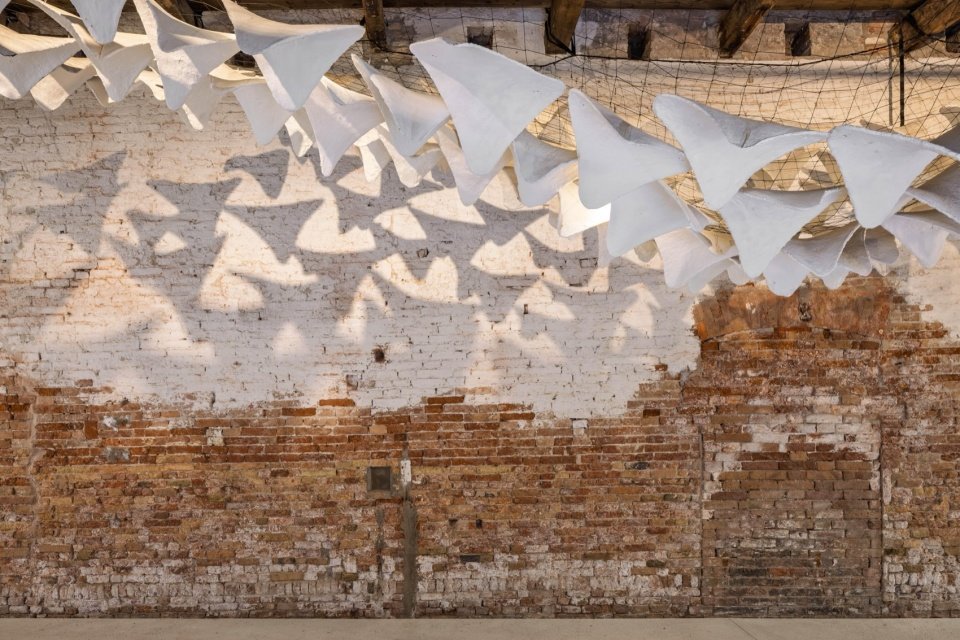
▼Light and shadow changes, sunlight filtering © Jacopo La Forgia
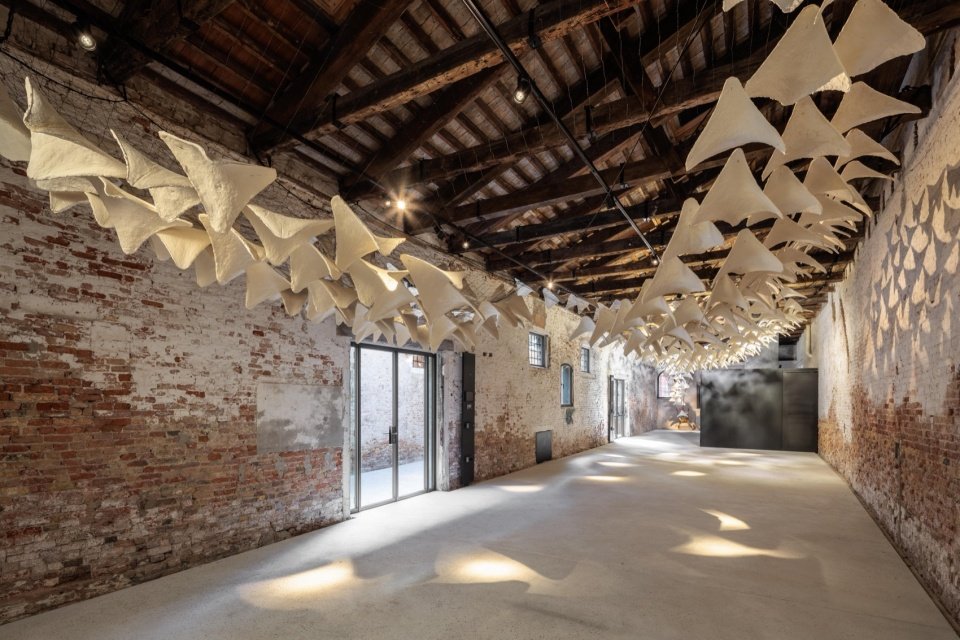
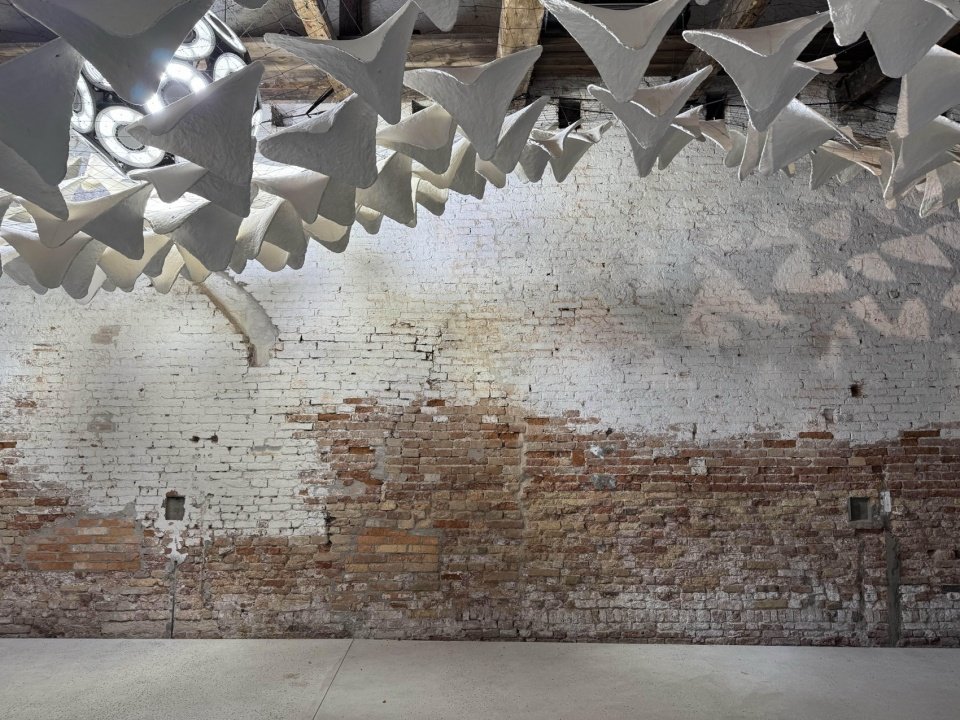

▼Lighting ambiance, lighting ambiance © Sabine Wiesend


In the center of the space, a strong “artificial sun” composed of independently controllable lamps constantly generates a changing environmental atmosphere. Visitors move between moments of intense brightness and softer areas of shelter, experiencing light as a dynamic and living presence. Through carefully choreographed changes, the installation continues to transform, unfolding a series of different atmospheres and scenes over time.
At the center of the space, a powerful artificial sun composed of individually controlled luminaires generates constantly shifting atmospheres. Visitors move between moments of intense brightness and zones of gentle refuge, experiencing light as a dynamic and living presence. Through a carefully composed choreography, the installation continuously transforms, unfolding a sequence of moods and scenes over time.
▼A powerful artificial sun composed of individually controlled luminaires generates constantly shifting atmospheres © Jacopo La Forgia
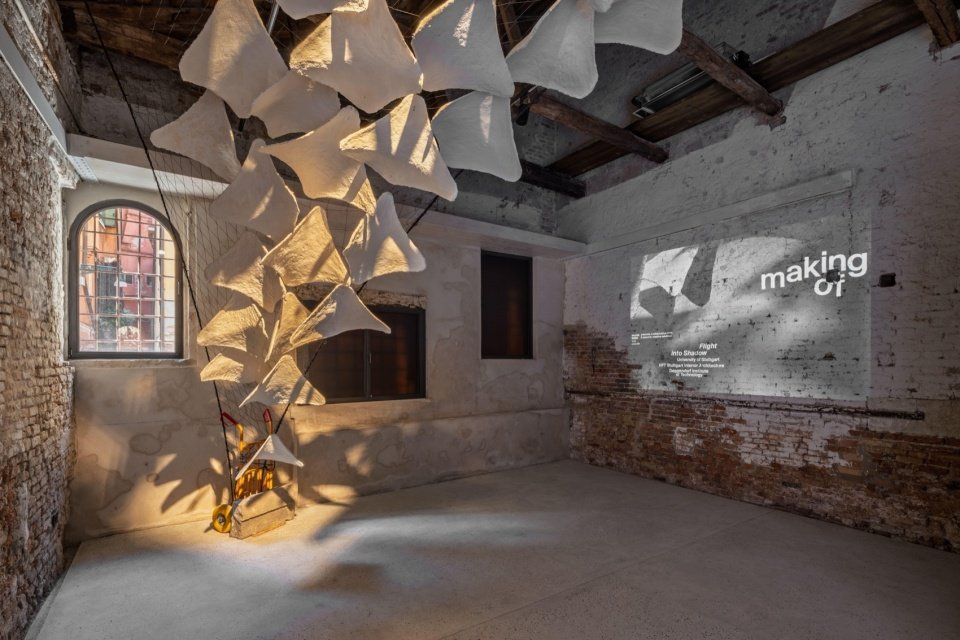
Flight into Shadow will be presented during the 2025 Venice Architecture Biennale as part of Keep Cool! – Workshop for Cool Cities, a collaboration between HFT Stuttgart Interior Architecture, the University of Stuttgart (IBK2) and the Deggendorf Institute of Technology. The installation invites visitors to consider how to adapt and coexist in a world with a changing climate, proposing shadow, material intelligence and perception as key tools for shaping more resilient environments.
Presented during the Venice Architecture Biennale 2025 as part of the Keep Cool! – Workshop for Cool Cities, Flight into Shadow is a collaborative project between HFT Stuttgart Interior Architecture, University of Stuttgart (IBK2), and Deggendorf Institute of Technology. The installation invites visitors to reflect on strategies of adaptation and coexistence in a climate-changing world, proposing shadow, material intelligence, and perception as key tools for shaping more resilient environments.
▼close view of the project © Jacopo La Forgia

More:Deggendorf Institute of Technology . More levels:Deggendorf Institute of Technology on gooood
Source: gooood.cn