Using sand on your lawn, sounds like it couldn’t possibly do any good? Think sand and you think dry desert, not lush green oasis. But it’s time to open your mind to the possibility that horticultural sand could be the answer to a vibrant trouble-free lawn.
“Sanding your lawn can help to produce thicker, more dense grass. You may also see a difference after applying fertiliser to a sanded lawn, as the lawn will be better at absorbing and retaining nutrients,” Craig Morley, a gardening expert from Budget Seeds.
As for which sand, how you apply it and when, the experts are on hand to explain all that you need to know, as well as to highlight why you should consider this technique for your garden.
The benefits of using sand on lawns
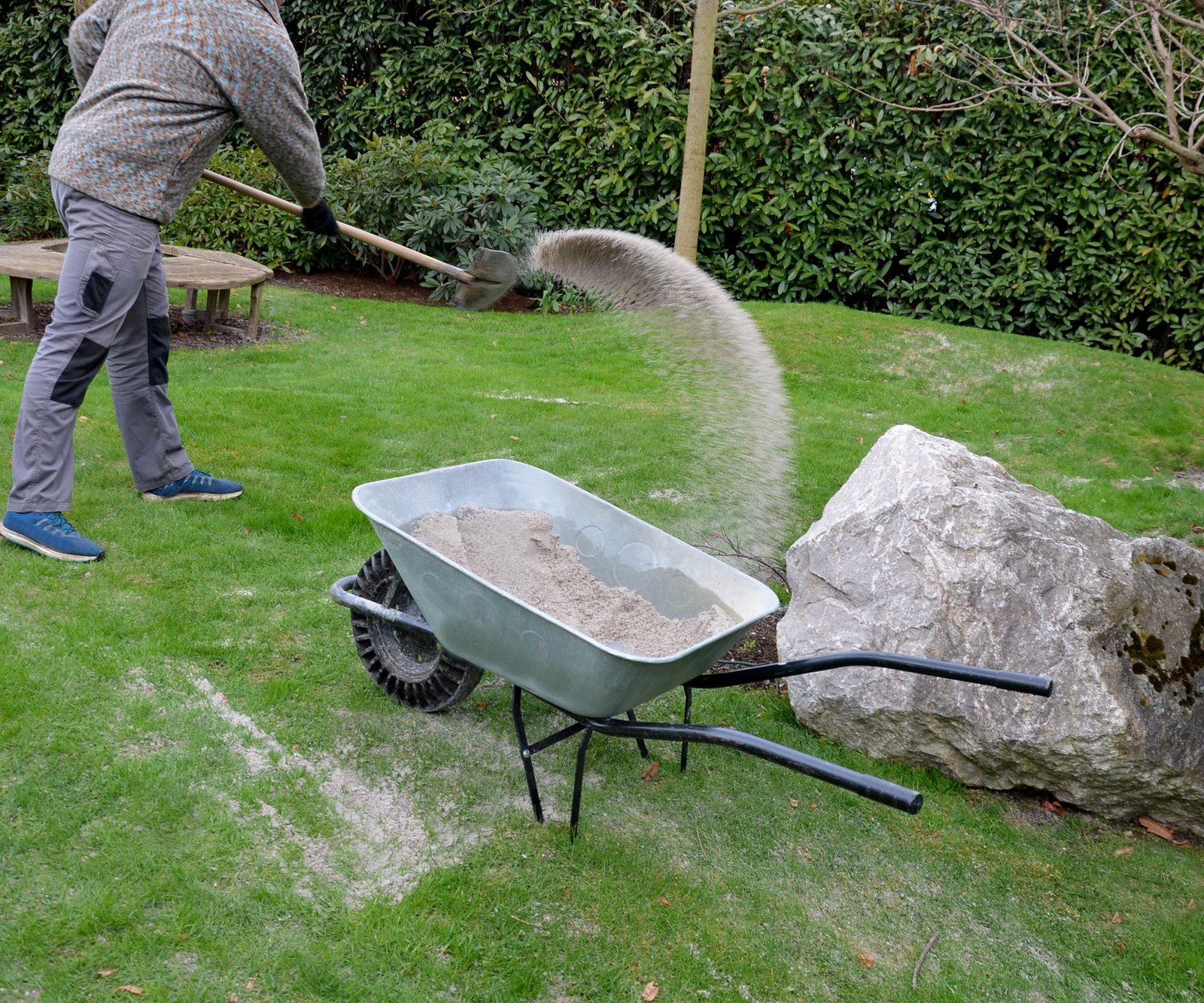
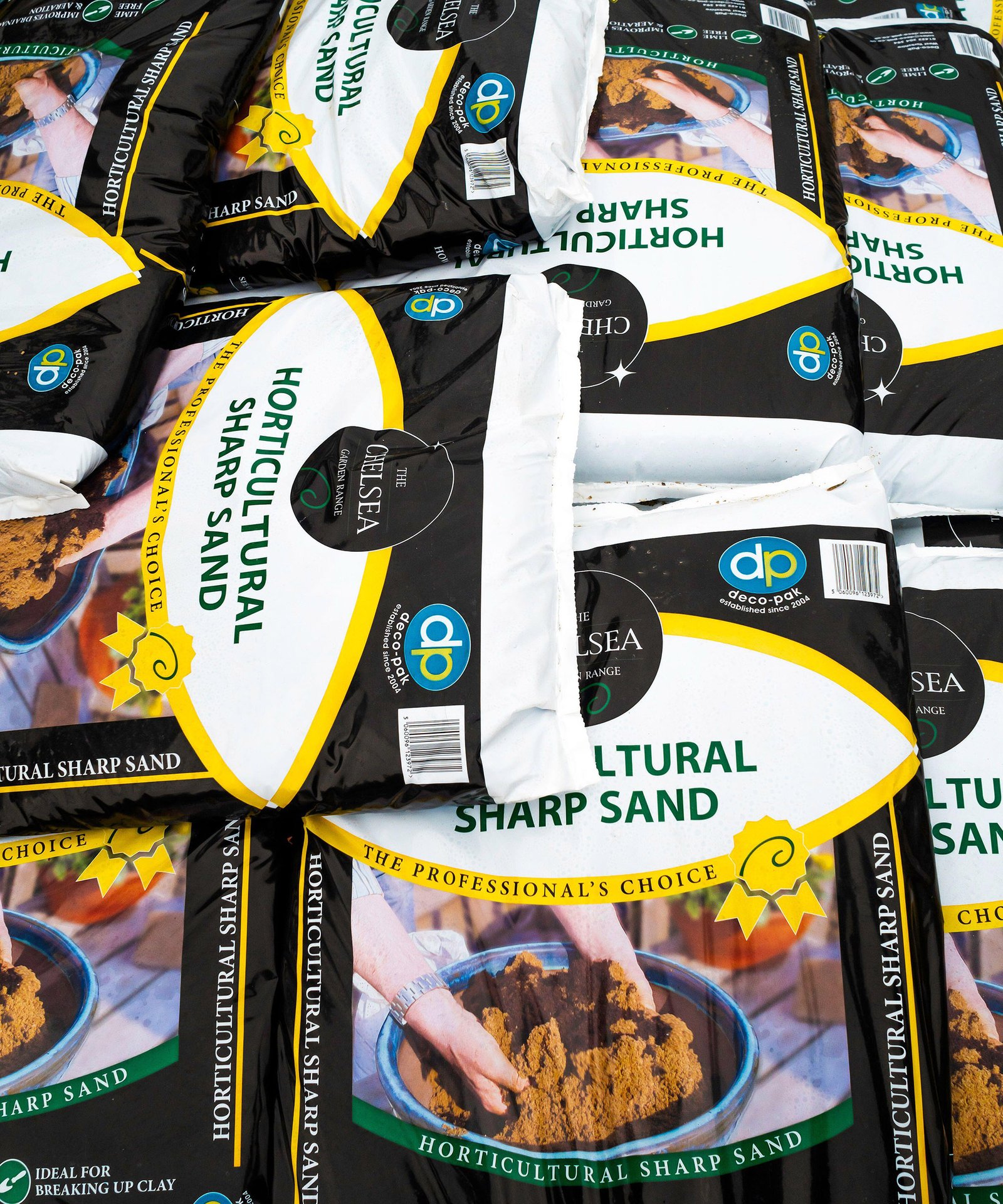
Not all types of sand are suitable for lawns(Image credit: beekeepx / Getty Images)
There are multiple benefits to using sand on your lawn. Fiona Jenkins, gardens expert at MyJobQuote.co.uk outlines the benefits of using sand on lawns:
Improves drainage: sand helps to improve the condition and drainage of your soil – especially clay types – because of its loose and grainy consistency.
Prevents moss: As moss hates sandy soils, it also works as a control method too to get rid of moss in lawns. Some lawn sands have added nitrogen and iron to help boost grass growth and kill moss.
Supports growth: Sand is also good to use after overseeding as it helps the seeds to settle into the ground and germinate.
Levels the surface: Finally, sanding your lawn can help to level out the surface and bolster the protection of your grass over winter.
When to sand a lawn
“If you’re using a chemical-free, washed sand, it can be used at any time of the year but applying it after aerating, scarifying and seeding is best. This is typically done between April and May or August and September,” says Fiona Jenkins.
“Should you decide to use lawn sand with added nitrogen and iron, you need to scatter it when the grass is growing, so between spring and autumn. Applying this type of sand once or twice a year should be fine,” she says.
Craig adds that you should avoid sanding when there is a heatwave or very hot weather, as the sand can heat up and scorch your lawn. “You should also not apply sand to a lawn if there is heavy rain forecast, as this can wash the sand away,” says Craig.
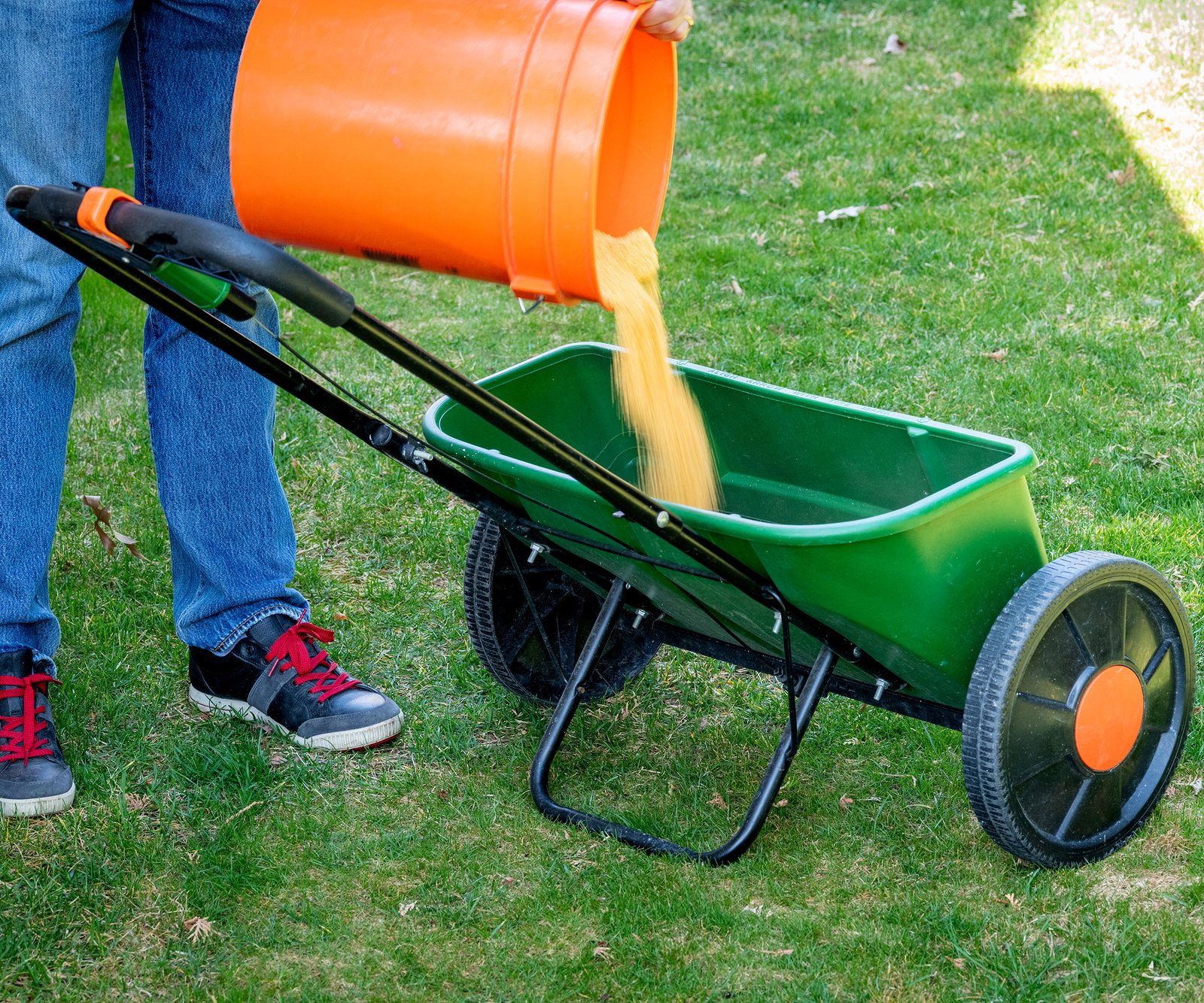
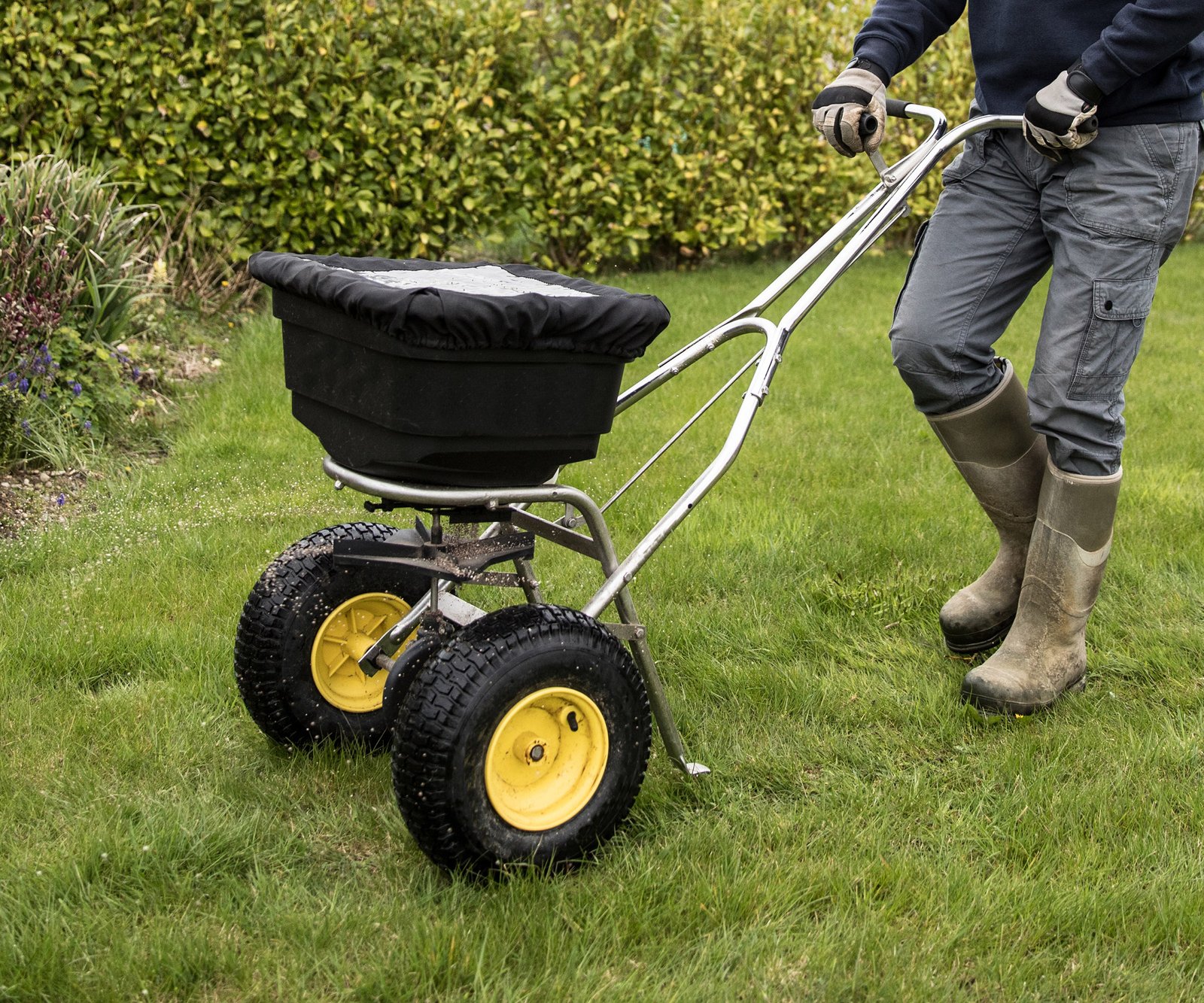
Use a spreader for even layer of sand(Image credit: knowlesgallery / Getty Images)
Shop horticultural sand
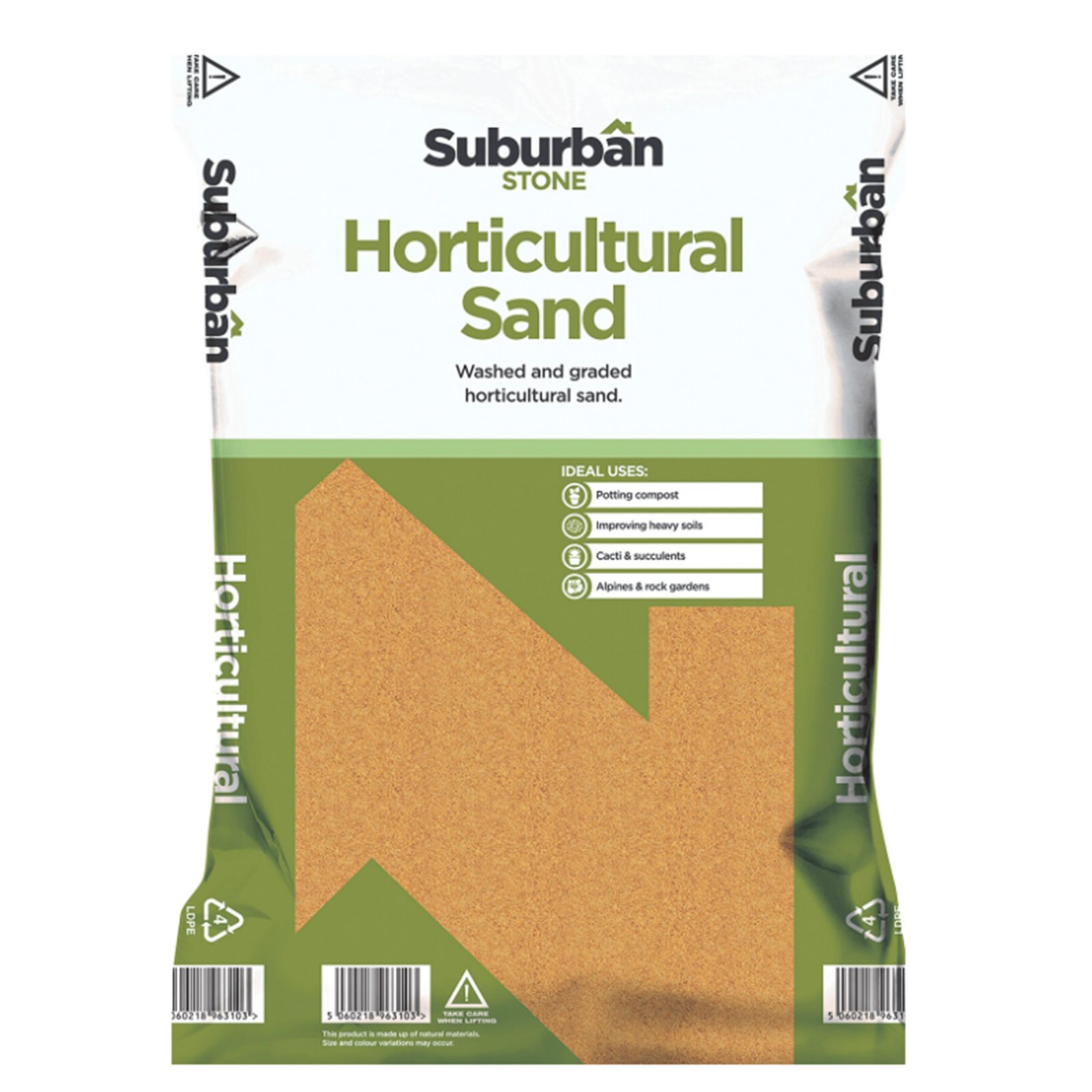
Suburban Stone Horticultural Sand
Only £4.99 for a 20kg bag. It’s washed and ready to add to your top dressing.
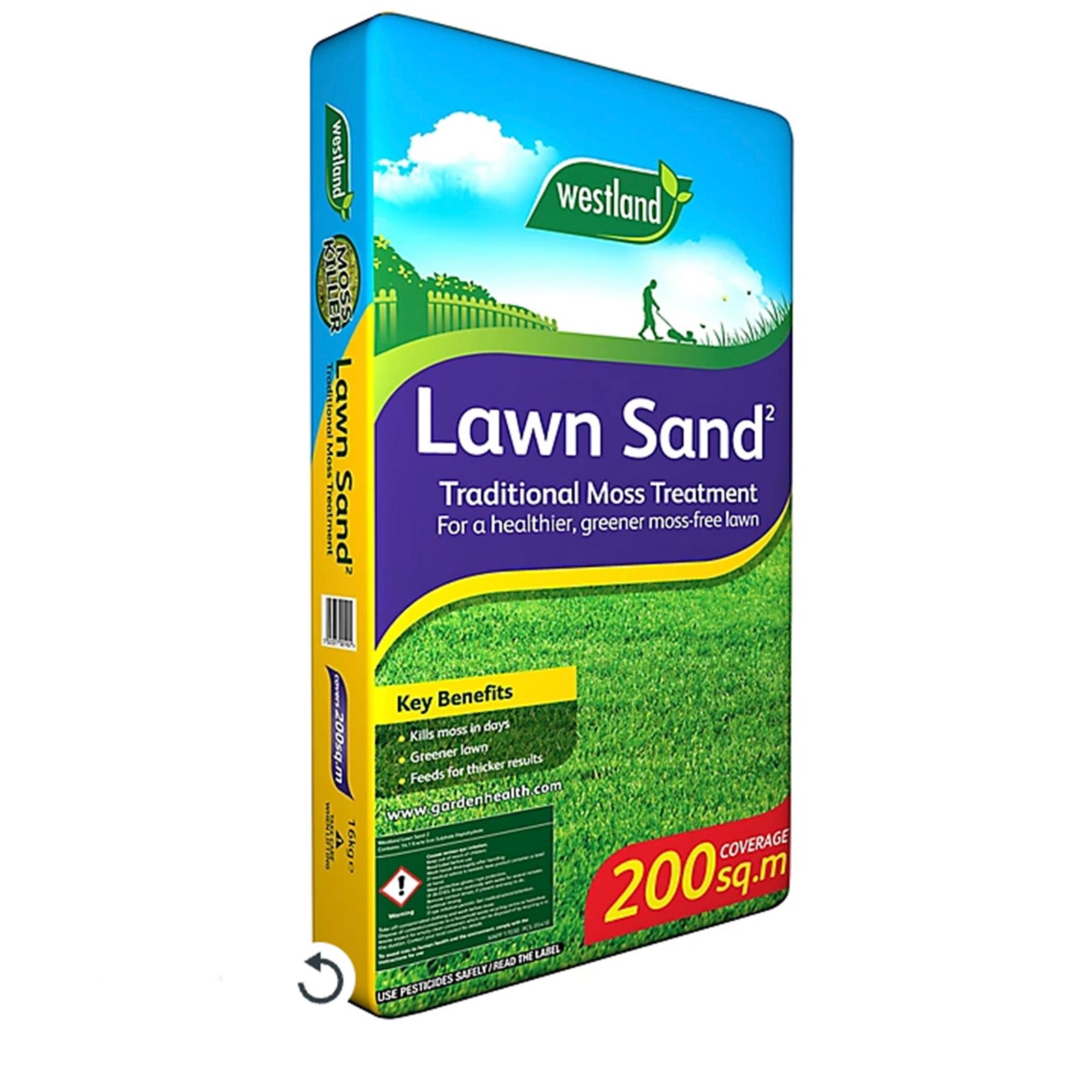
Westland Lawn Sand Plant feed 200m² 16kg
This sand has been enriched with fertiliser for an even bigger boost to your lawn’s health.
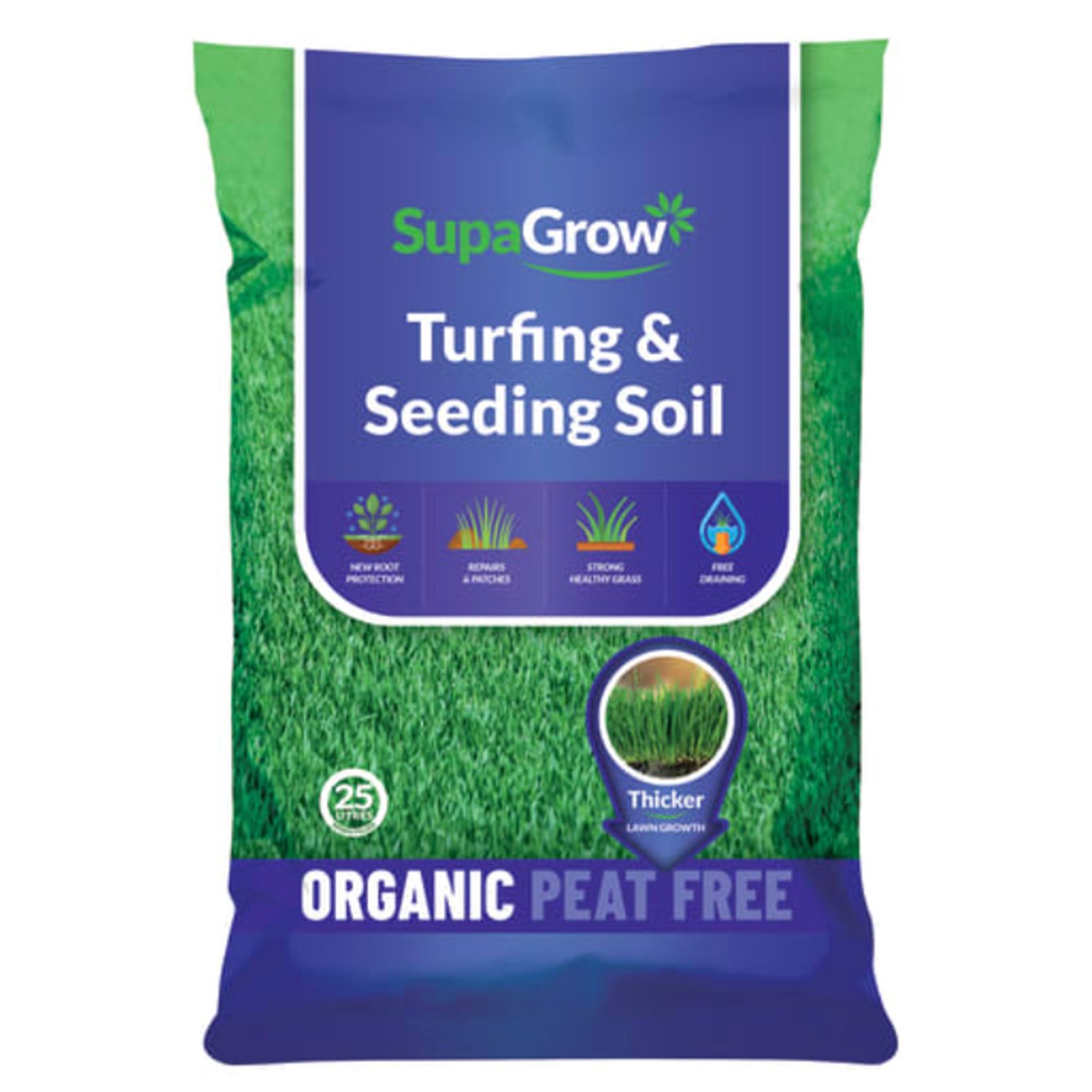
SupaGrow Turfing and Seeding Soil – 25L
A good option if you’re laying a new lawn or turf.
How to sand a lawn step by step
To prepare your lawn for sanding, it’s best to aerate and scarify first. “If you’re planning to seed your lawn, you should also do this before applying a chemical-free, top-dressing sand,” says Fiona.
“If you’re using sand with added moss killer, make sure you leave your grass to grow for at least three days beforehand and choose a dry day with no wind to make spreading easier,” she explains.
Fiona outlines the method of using sand on lawns below:
What you will need:
Step by step:
First, rake over your lawn to remove unwanted thatch and moss.
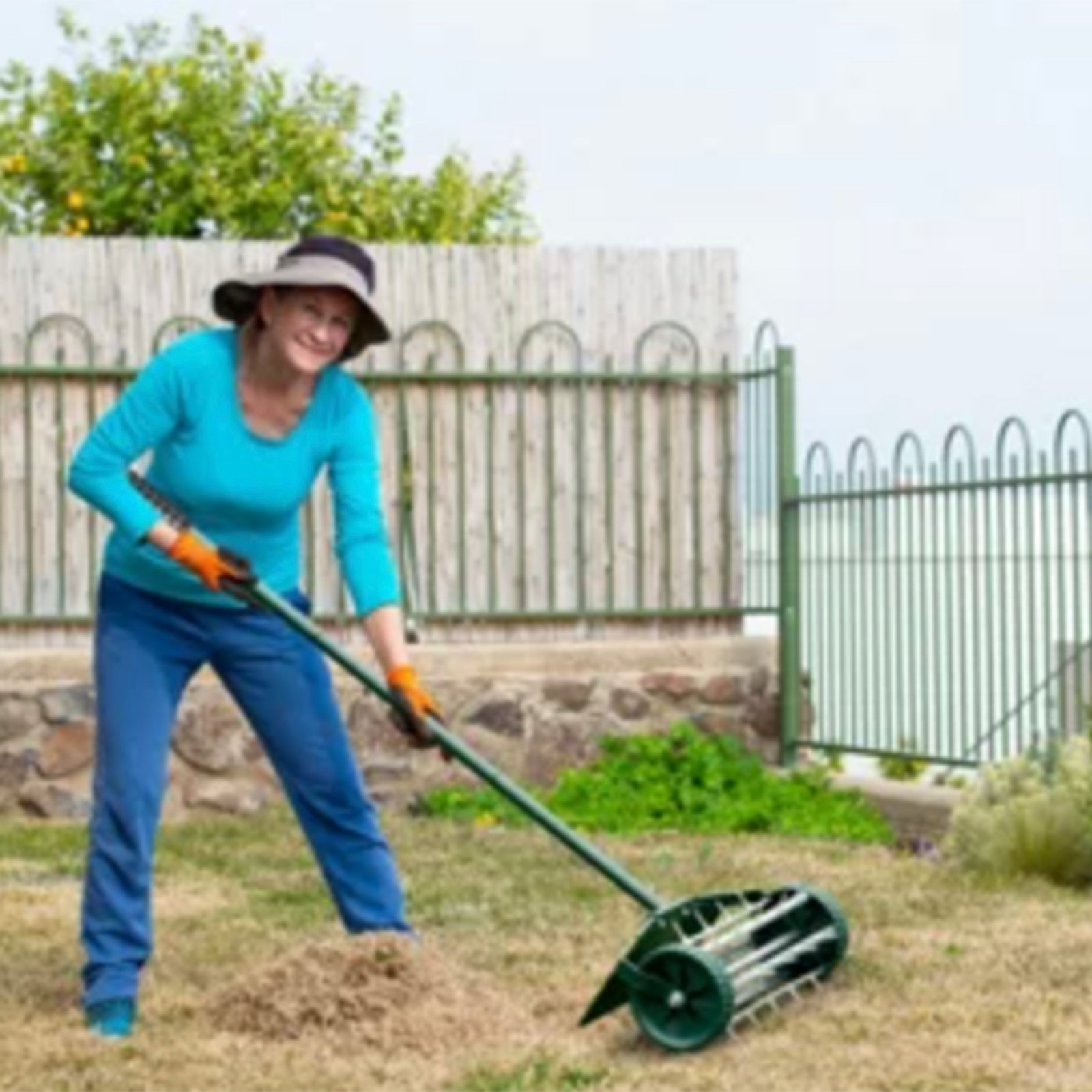
Next, aerate your lawn using a rolling or forked tool.
If you’re overseeding your lawn, scatter your grass seed by hand or with a spreader.
Then, distribute your sand lightly over the surface of your lawn. A spreader will ensure this is done evenly.
Finally, level it out and sweep it into the grass using a broom.
(Image credit: Henfaes / Getty Images)
Shop lawn aerators
Lawn Aerator Shoes for Grass
Fix these onto your shoes with the adjustable straps and walk over your lawn.
Good for covering larger areas without the need for power tools.
VonHaus Lawn Scarifier/Aerator/Rake Electric 1500W
A durable option for all you need to improve the drainage and condition of your lawn.
How much sand to use on lawns
Craig Morely explains that the amount of sand that you should apply on your lawn will depend on the composition of the sand you are using.
“For sand that has a lower percentage of iron, use around 125-150 grams per square metre. If the sand has a higher iron content (e.g. 4%), use a lower amount, such as 60-75 grams per square metre.”
“When applying the sand, it should not cover the tips of the grass. If you cannot see your grass after applying sand, use a rake to remove a layer so that the lawn does not suffocate,” says Craig.
Refer to the pack instructions for how much to use(Image credit: Peter Jordan_NE / Alamy Stock Photo)
What type of sand to use on lawns
“You can’t simply use any sand on your lawn – you need a washed or clean sand that’s suitable for top dressing, for overseeding a lawn for example. For general-purpose lawn sanding – to improve drainage and level the ground – use a chemical-free mix,” says Fiona Jenkins.
“This is also best to use when you’re overseeding your lawn and on lawns used by pets and children. You can use a straight sand or a 70/30 sand and soil mix. Even though this doesn’t include a moss killer, it will still help to control moss growth,” says Fiona.
“However, if your lawn needs more help, a top-dressing sand with added nitrogen and iron can be used instead but do follow the instructions on the packet,” says Fiona.
“Avoid using beach or building sand, as the chemicals or salt levels within these can kill the lawn,” adds Craig.
FAQs
Does sand make your grass grow better?
“Sanding your lawn can help to produce thicker, more dense grass, as the roots will have also improved. You may also see a difference after applying fertiliser to a sanded lawn, as the lawn will be better at absorbing and retaining nutrients,” says Craig Morley, a gardening expert from Budget Seeds.
When shouldn’t you sand a lawn?
“You should only sand your lawn during the growing season. So, avoid sanding over winter,” says Fiona Jenkins, gardens expert at MyJobQuote.co.uk.
Hot weather and heat waves can mean that sand may scorch or kill your lawn. “It is also best to avoid sanding a lawn if heavy rainfall is predicted, as this will wash all of the sand away before you can see results,” says Craig Morley, a gardening expert from Budget Seeds.
How often should you sand a lawn?
“Most of the time, sanding your lawn once a year is fine. However, if your soil is clay heavy or stressed, you should apply lawn sand once in the spring and again in the autumn until your soil improves,” says Craig Morley, a gardening expert from Budget Seeds.
Fiona Jenkins, gardens expert at MyJobQuote.co.uk warns that carrying out sanding too often may prevent nutrients from getting into the soil, and could damage your grass.
“Sand with added nitrogen and iron should only be applied once or twice a year as too much of this can lead to shallow grass roots and poor soil,” says Fiona.
If you have dense clay soil you might find that your drainage would be improved with the use of horticultural sand.
If you find pools of water form on your lawn after periods of heavy rain then look at our guide to waterlogged soil.