

This past week marked the 64th edition of Salone del Mobile and with it, another round of Fuorisalone, the whirlwind event that surrounds the fair, also known as Milan Design Week. Across the city (and sometimes beyond), an array of activations examined design through different typologies, site-specific settings, and big and small brands, from Louis Vuitton’s ode to Pierre Legrain and art deco furniture at Palazzo Serbelloni to Jaipur Rug’s installation with Kengo Kuma at the Crespi Bonsai Museum to a group exhibition on chopstick design.
Throughout the frenetic week, an impulse to unplug united many of the exhibitions, including Prada Frame’s symposium on the nuances of image production in an AI-dominated world and Lina Ghotmeh’s labyrinth for MoscaPartners Variations 2026. The emphasis on being present and engaged marks a timely response to the increasing emphasis on digital reproductions, deep fakes, and algorithmically driven content.
As the jetlag recedes, along with the rush of endorphins from zipping from one event to the next, a bevy of exhibitions still stick with us even after the fanfare has died down. The following tap into the theme of going analog, in addition to material research and use of engaging sites.
When Apricots Blossom
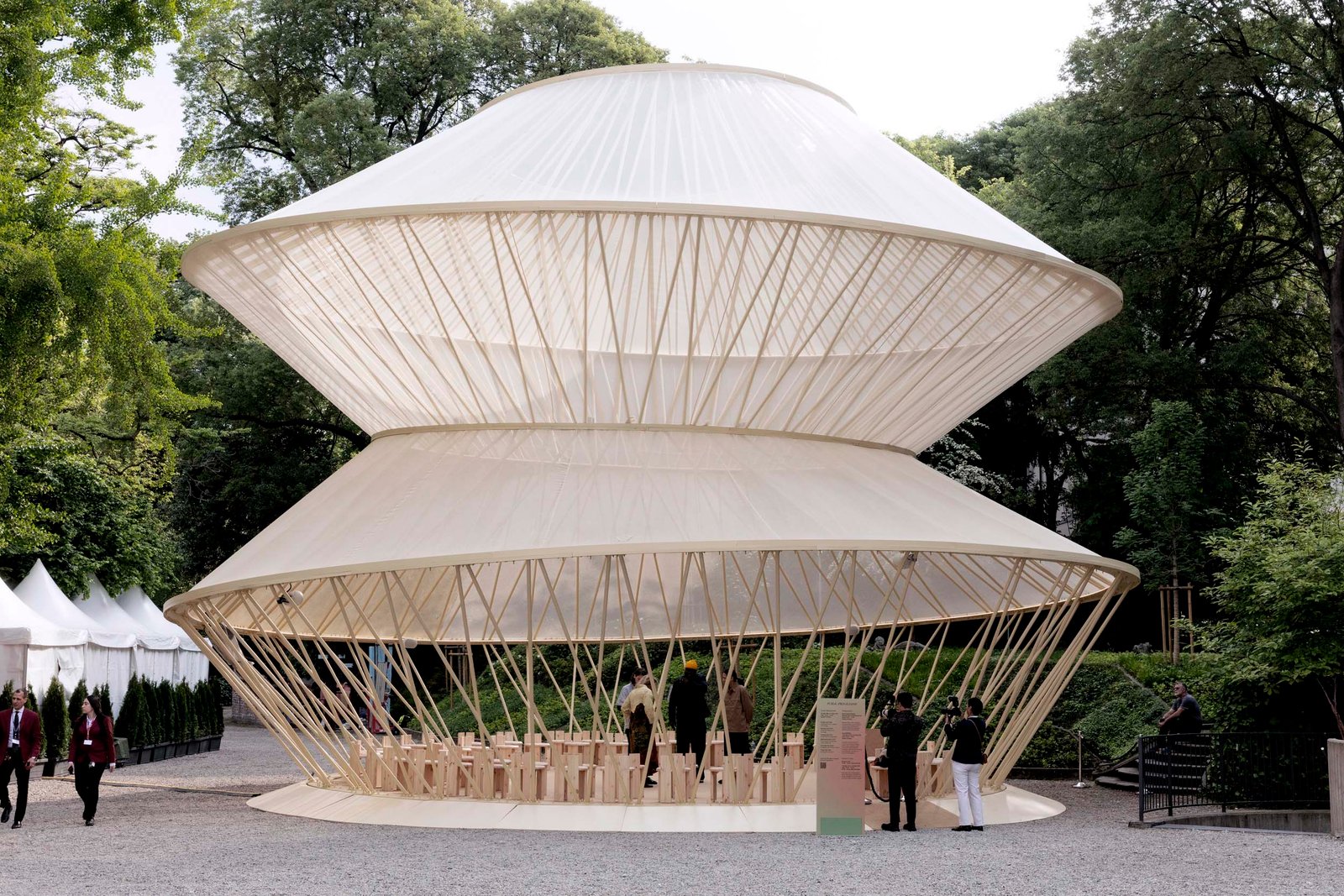
Commissioned by Uzbek Art and Culture Development Foundation (ACDF) and curated by architect Kulapat Yantrasast, When Apricots Blossom erects a deconstructed yurt, designed by Yantrasast, within the garden of Palazzo Citterio. The structure’s latticed framework and translucent skin house a place for quiet contemplation and conversation. It falls alongside the central exhibition which charts the transformations of Karakalpakstan in relation to the shrinking of the Aral Sea and how regional crafts have risen and creatively evolved alongside this change. The exhibition focuses on how local materials and intergenerational knowledge can be mobilized once again to respond to fragile environments.
Triennale Milano
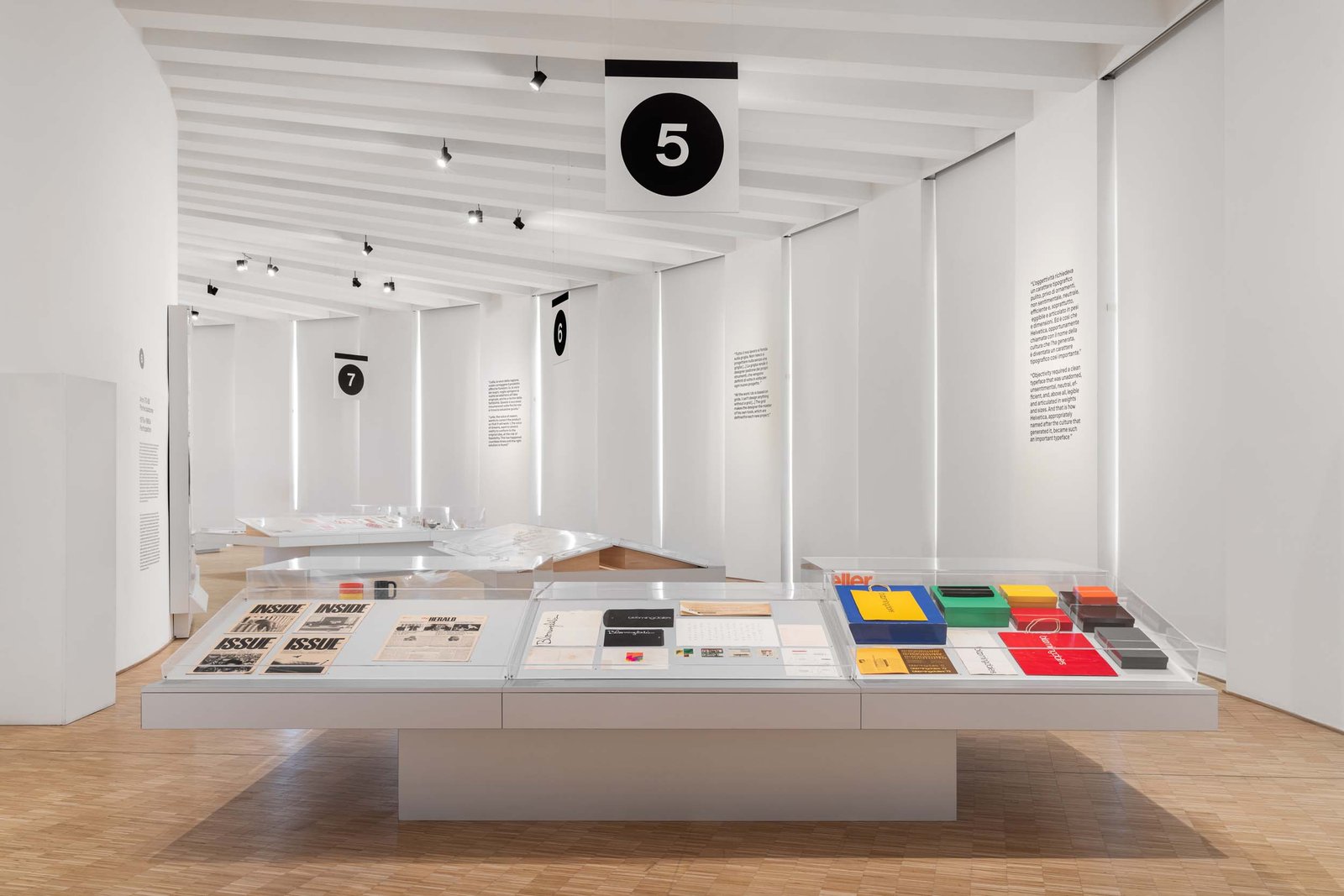
The Triennale Milano hosted a robust amount of exhibitions and retrospectives this year, including The Eames Houses, and Lella and Massimo Vignelli. A Language of Clarity. The former debuts a new system of scalable modular models based on the Eames’s approach to residential architecture. The latter is the first major retrospective presented on the duo. In partnership with MillerKnoll, the exhibition highlights the Vignellis’ central role in influencing Knoll’s graphic and corporate identity.
Un’ora di luce
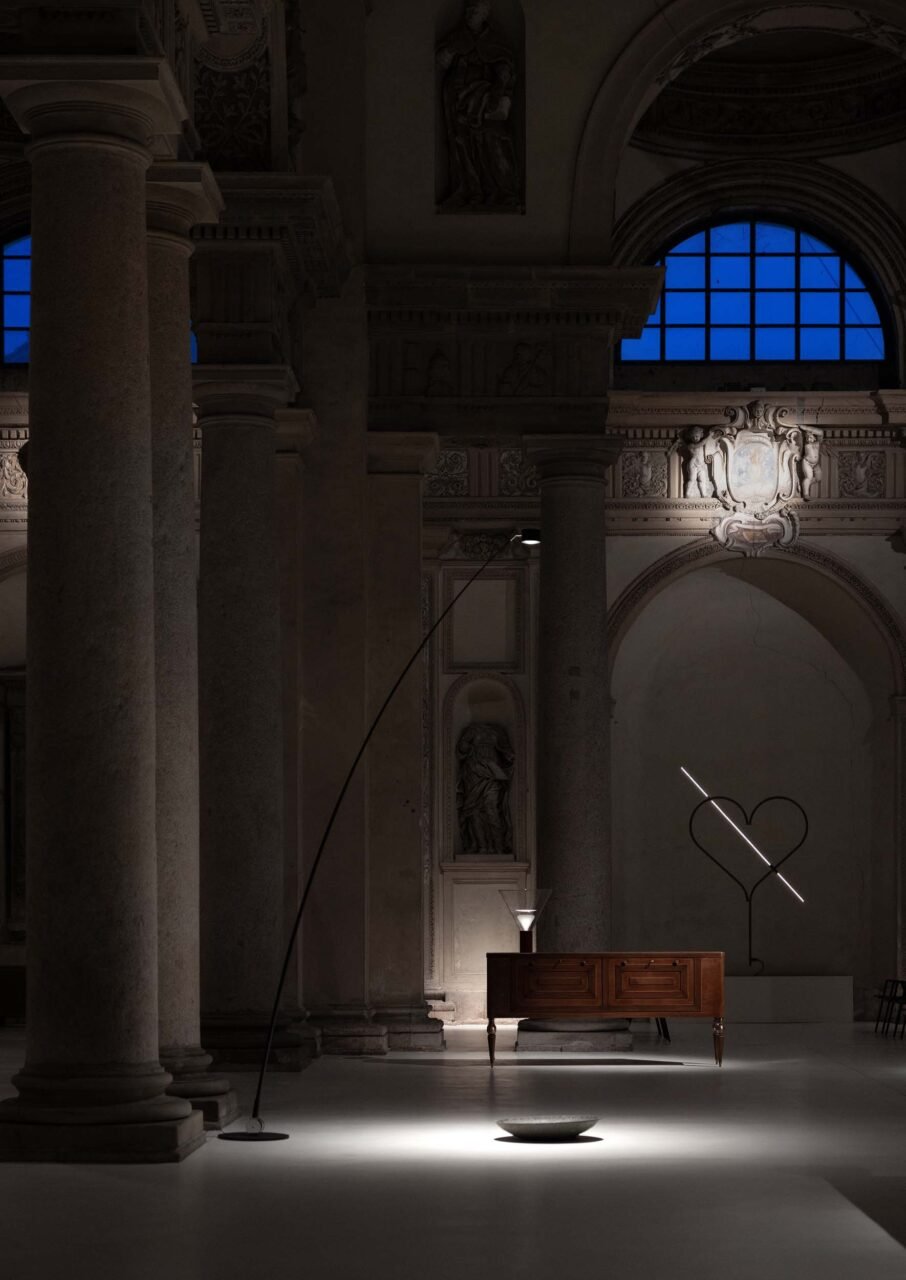
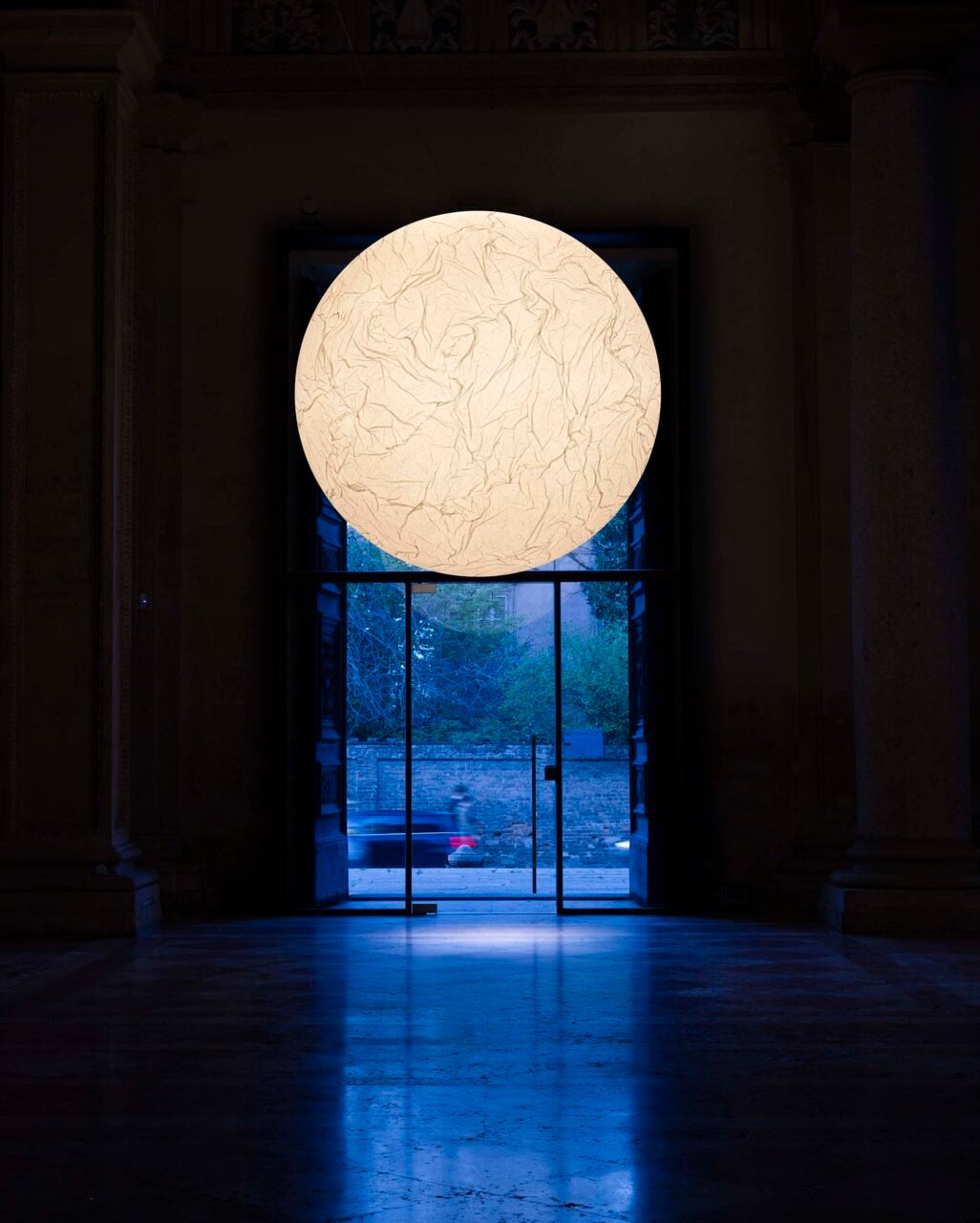
Curated by Marco Sammicheli and presented by the gallery, Volumnia, this installation illuminates the defining aesthetics to Davide Groppi’s approach to light. Running along the central nave of the Church of Sant’Agostino, Un’ora di luce or “one hour of light” chronicles Groppi’s work beginning from 1988, showing in real-time the ways in which his works embrace architecture and take on poetic forms.
Paris Internationale Milano
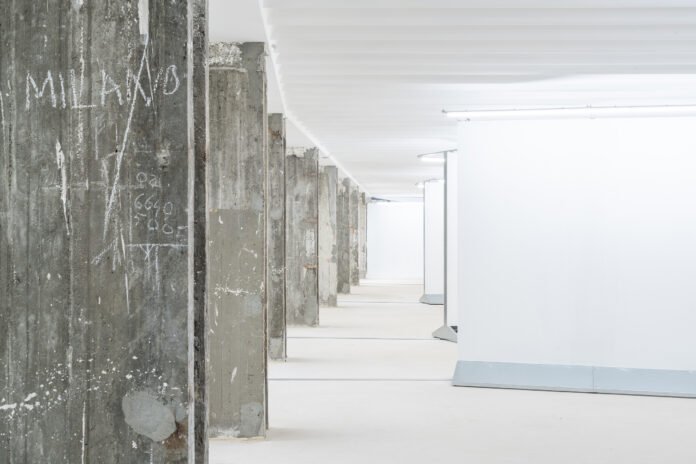
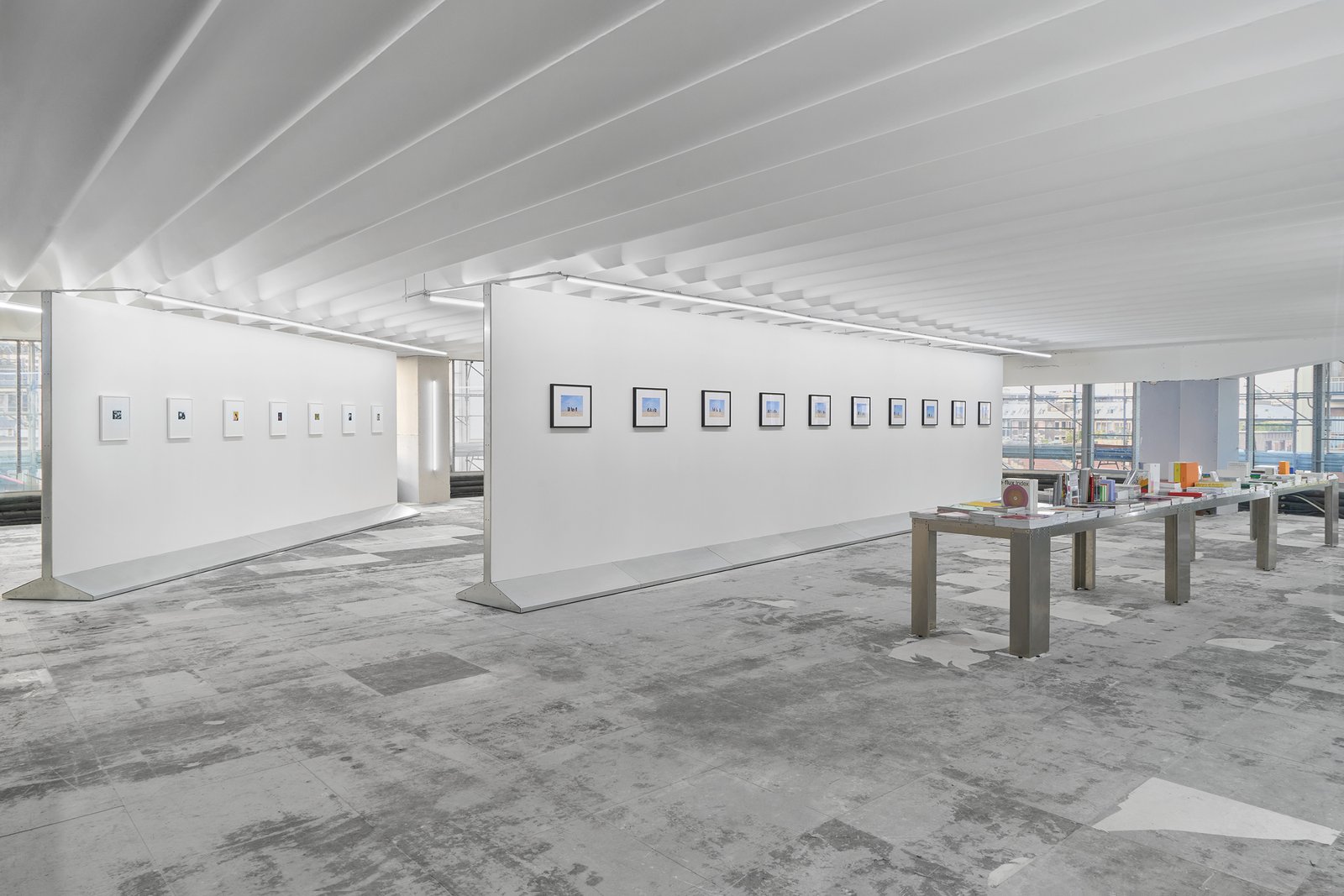
Paris Internationale’s first edition outside of France was held in Palazzo Galbani, a largely hidden gem of Milanese modernism from the late 1950s by the Soncini brothers in collaboration with Giuseppe Pestalozza and engineer Pier Luigi Nervi. Nervi’s skeletal frame, prefabricated V-shaped elements, and wavelike ceiling, now restored, are met with contemporary art set within Christ & Gantenbein’s system of free-standing steel modules. Minimal and sleek, the scenography engages the exposed concrete columns and sculptural ceiling.
Renaissance of the Real
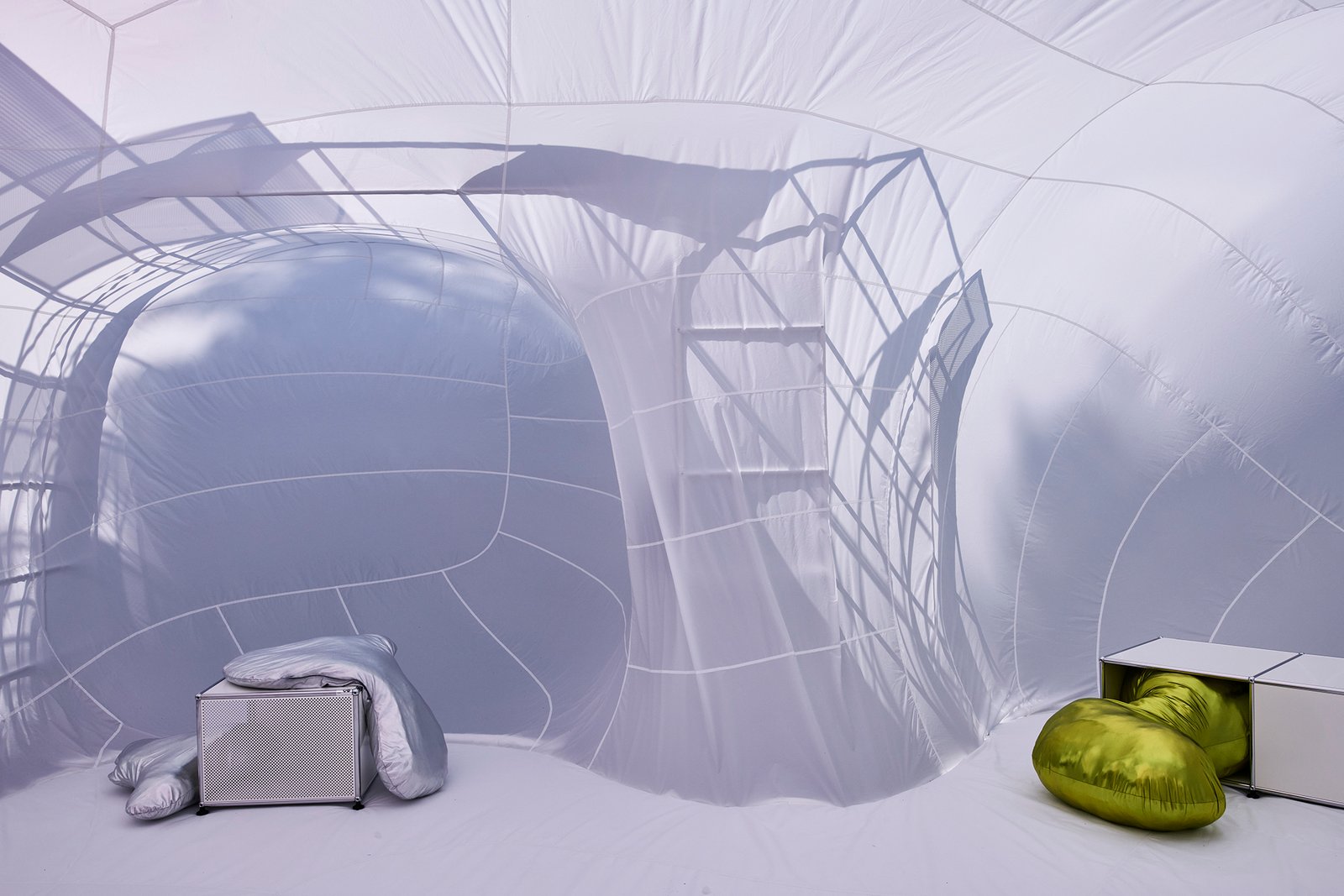
USM Modular Furniture, artist Annabelle Schneider, and Snøhetta also engaged the theme of being present. Renaissance of the Real fuses Schneider’s bubble-like installations with USM’s furniture (featuring help from Snøhetta). The installation invites viewers to burst the bubbles of their digital rabbit holes and step into a breathing body of connectivity. The effect indeed offered respite.
Food For Thought
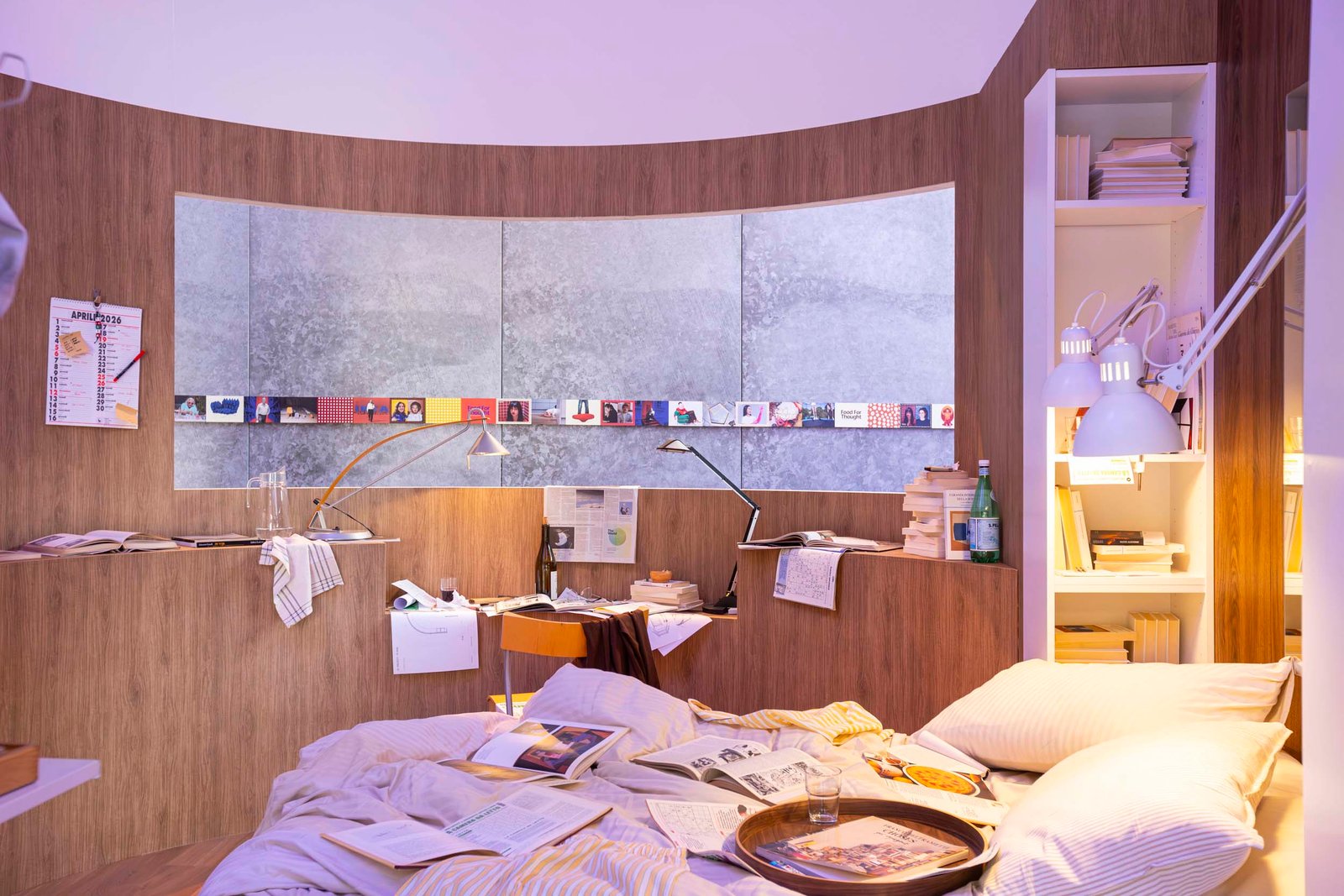
Presented by IKEA, Food For Thought pairs five chefs with five interior designers, creating five distinct rooms and menus. The exhibition, co-created with architect Midori Hasuike and spatial designer Emerzon, explores how food shapes interiors and how interiors can shape how we eat and come together. The new rooms are each bold and playful and fall alongside three new offerings from IKEA PS 2026: an inflatable sofa lined in steel, a tunable floor lamp, and a bench that rocks.
Villa Pestarini at Alcova Milano 2026
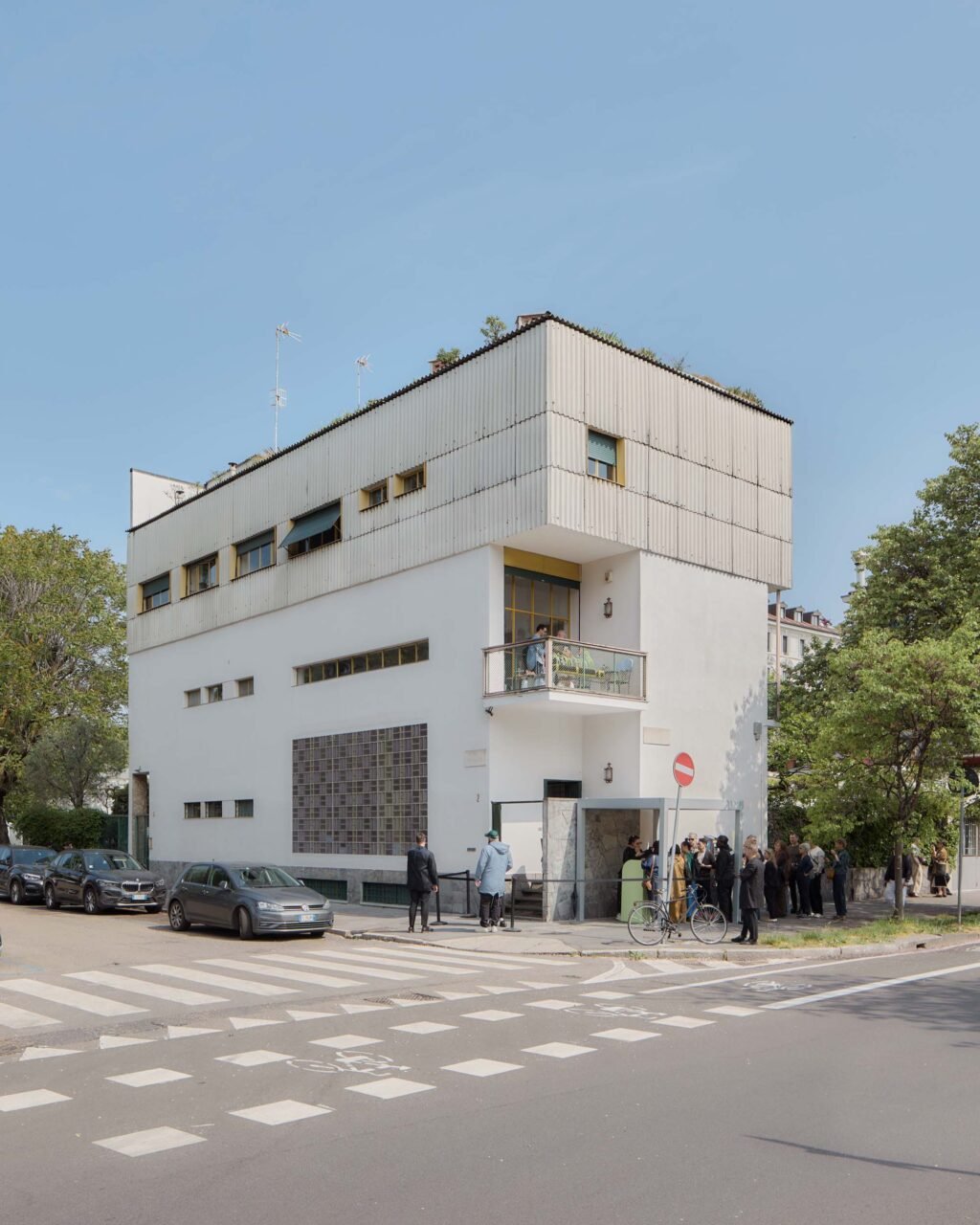
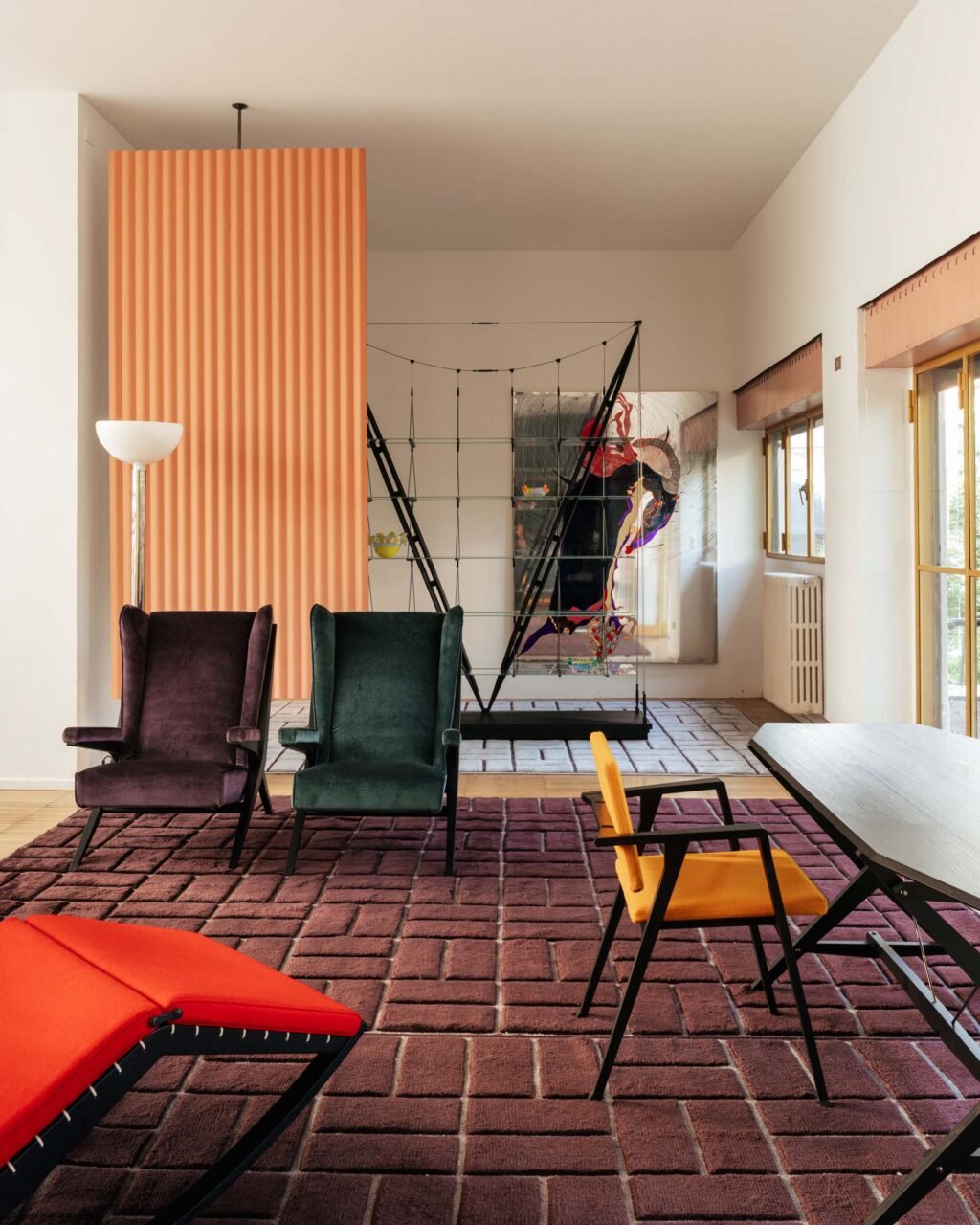
Opened to the public for the first time, Villa Pestarini was designed by Franco Albini in 1938. Its white rectangular shell, glass block windows, shallow marble staircase, teal-toned kitchen, and emphasis on a connection to the outdoors reflect Italian rationalism and a geometric yet well-restrained building. Activated with new works by established and emerging designers for Alcova Milano 2026, the site is a time traveling treat to tour.