

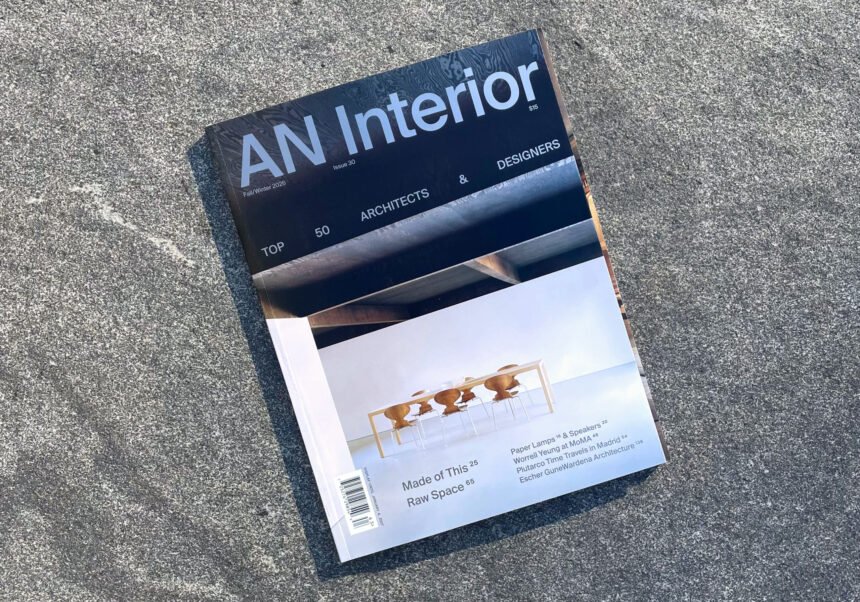

From the front cover to the back page, a definite theme emerges across this issue: All the projects are renovations. The material improvement of existing conditions is at the heart of what architects and designers do: “Architects don’t invent anything; they transform reality,” Portuguese architect Álvaro Siza once said. And given our current ecological and economic crises, making do with what’s at hand is a sensible solution. This explains why adaptive reuse has surged in prominence to become one of the dominant trends in design today.
The idea’s popularity doesn’t make the work easier, or even more logical. In Houston, Georgina Baronian and Sam Clovis carefully rebuilt a 1961 bungalow that after decades of neglect was, in their words, “an unlikely candidate for care.” “Fixing this house was, in almost every way, harder than demolishing and replacing it,” they said in an interview with Lila Allen.
In New York, Julian von der Schulenburg used mass timber to build a new interior within a Tribeca warehouse. A more conventional system would have sped up the process and been more straightforward to construct, but the drywall-free result is a thing of structural beauty, as gleaned in William Richards’s visit to the residence.
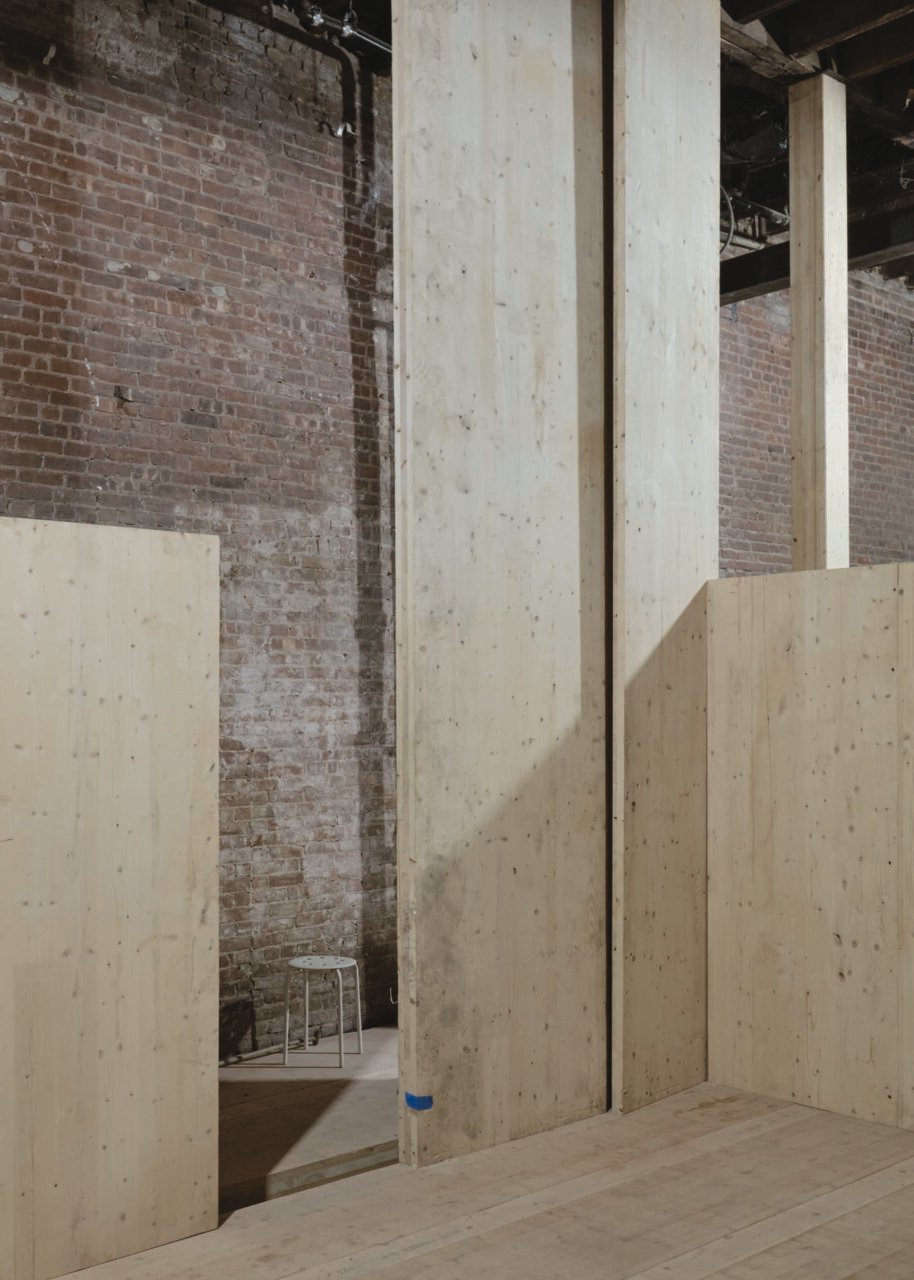
There are also aesthetic reasons for prioritizing reuse. A sense of richness results from living with traces of history. This comes into view within a handsome Melbourne conversion by SSdH that works for both domestic life and cultural events which Hayley Tillett writes about. This love of texture also shines in the two New York lofts that round out our features.
Sometimes a light touch is the best answer: When renovating the home of Black architect Paul Revere Williams, Escher GuneWardena Architecture kept the patinated bathroom fixtures because the client found their tarnished state so beautiful. Ahead of three museum shows in L.A. about Williams’s legacy, Shane Reiner-Roth charts the restorations to his home.
Our obsession with the means of production continues in design editor Kelly Pau’s furniture roundup: Across collaged pages, she collects spec-worthy new releases and emerging designers based on material affinities.
And we celebrate another form of newness: Our annual Top 50 list celebrates the most interesting architects and design firms working on interiors in North America. I’m inspired by their work and think you will be, too.
My goal here is to assemble a lively collection of stories that together paint a picture of architects and their work today, in all its motley splendor and spread across a range of subjects and conditions. “In each architect, there is an anthropologist and an ecologist, a professional interested equally in humans and in their habitat,” critic Irénée Scalbert writes at the end of his essay “The Architect as Bricoleur,” published in Totems, a recent collection of his writings.
For architects and designers who want to shake up their habits, I suggest taking Brent Buck’s process as advice: Ask “yourself what wants to be here and then [try] to do as little as possible to enable that to happen.”