

















grateful Landscape architecture studio Share the following content with gooood. More about them:Gardening Architects on gooood
Appreciation towards Gardening Architects for providing the following description:
I have always had an idea, separated by a wall and three or two steps, to realize the crossing of two eras and the entry and exit of two parallel extreme aesthetics. My favorite works of the Tang and Song Dynasties are juxtaposed, back to back, and wandering between them.
I have always harbored an idea: across a single wall, a step or two away, to realize a passage between two eras—an entry and exit between two parallel, extreme aesthetics. To place my most beloved Tang and Song side by side, back to back, within a single stroll.
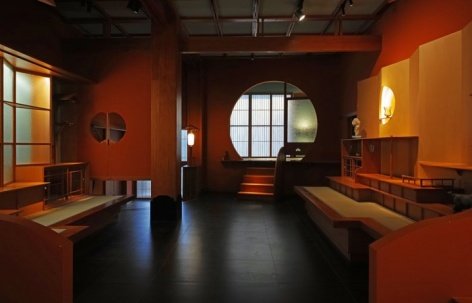
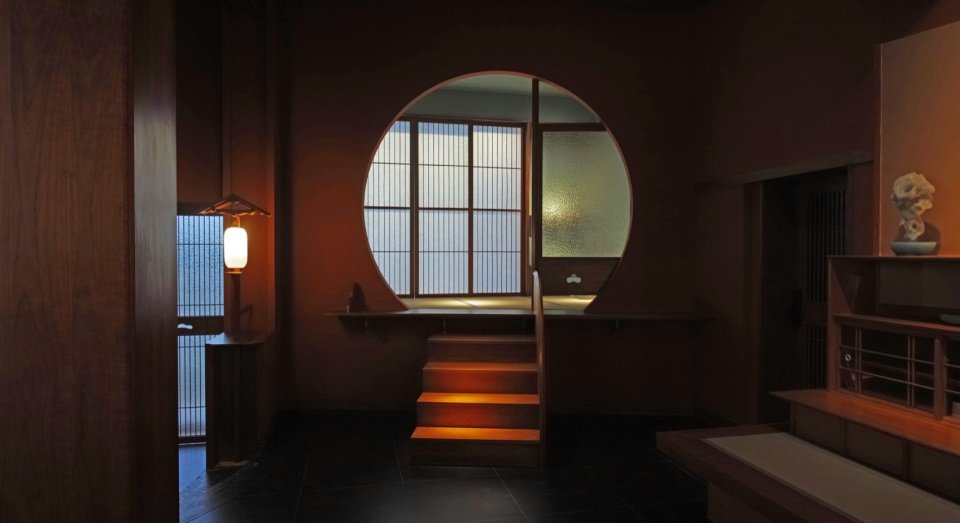
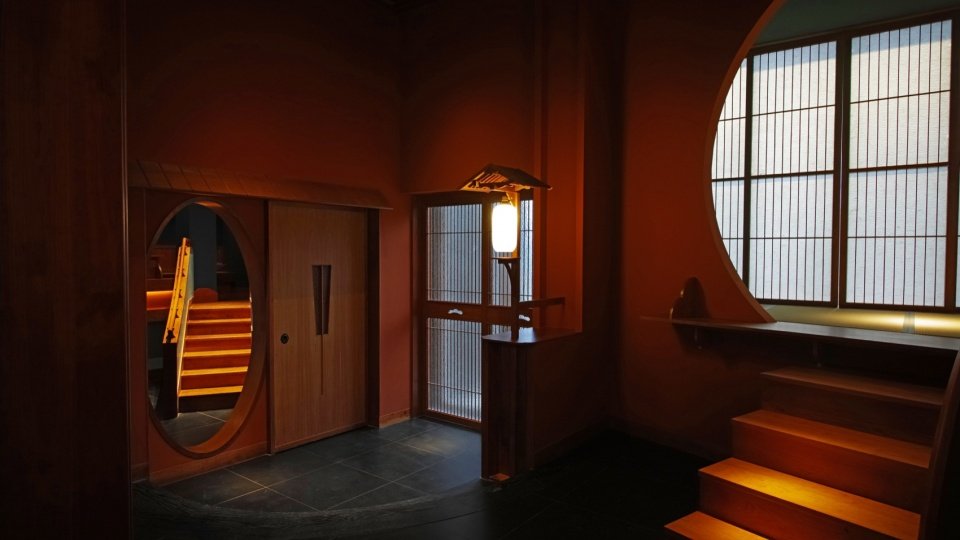
▼A wall apart: exiting Tang and entering Song © Landscape Architecture
The juxtaposition of Tang and Song is two situations, two imaginations, and two emotions.
In the Tang Dynasty it was: Liquor, Horse and Sword; in the Song Dynasty it was: Tea, Qin and Mei;
In the Tang Dynasty it was: Feast Lantern Song, in the Song Dynasty it was: Incense Posts;
In the Tang Dynasty, it was: Snow Banner; in the Song Dynasty, it was: Lane Rain Curtain…
In the dream, the rain in Tang Dynasty was different from that in Song Dynasty.
To do a “Tang and Song Dynasty next door”, you can only make a choice. You have to experiment with “Tang and Song Dynasty next door” many times in your life. This is an eternal proposition.
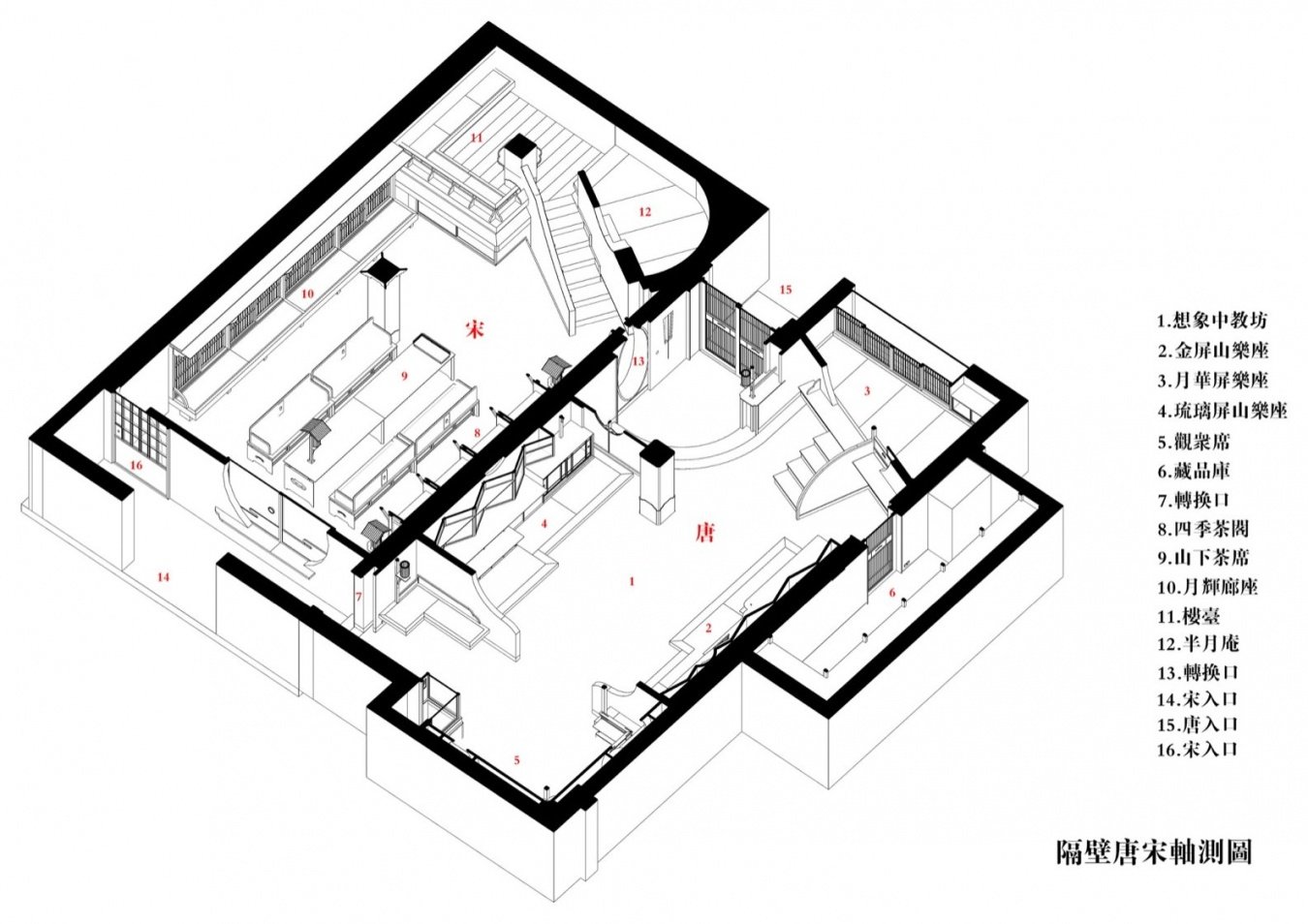
▼Axonometric drawing © Landscape Architecture

The juxtaposition of Tang and Song represents two circumstances, two imaginations, two moods.
Tang is: wine, horse, sword; Song is: tea, qin, plum.
Tang is: banquet, lantern, song; Song is: censer, incense, calligraphy.
Tang is: frontier snow, banners; Song is: alley rain, blinds……
In dreams, even the rain of Tang falls differently from that of Song.
To create an “A Wall Apart: Tang and Song,” one must make a choice. It is an “A Wall Apart: Tang and Song” that must be experimented with many times in a lifetime—an eternal proposition.
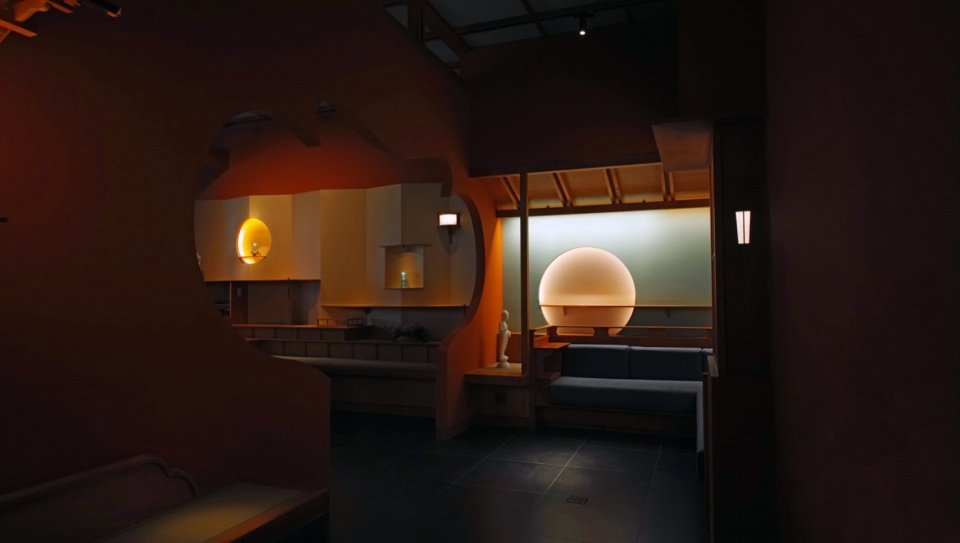
▼The imagined imperial music academy © Landscape Architecture
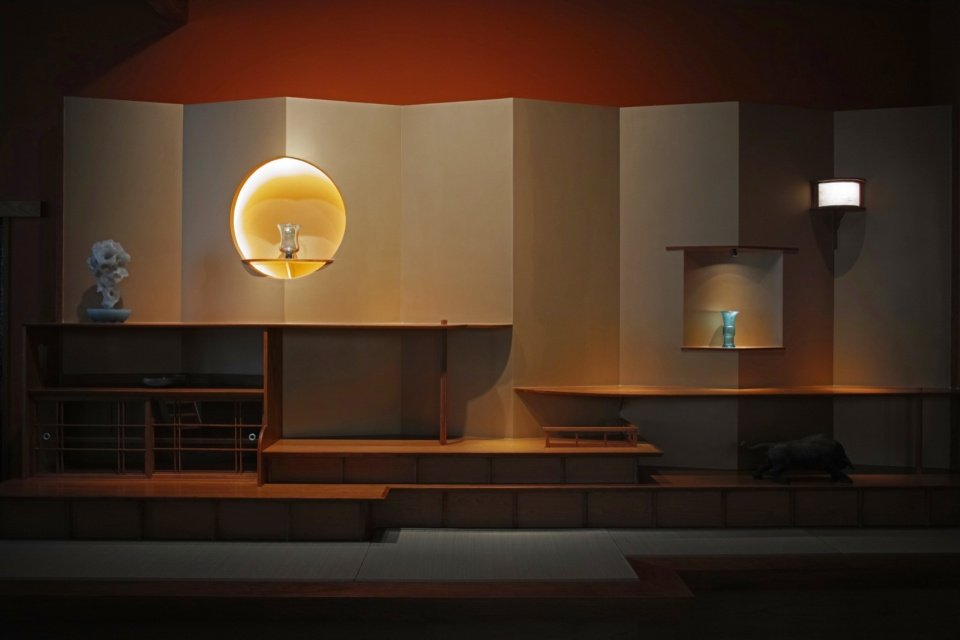
▼The glazed-screen mountain music seat, The glazed-screen mountain music seat © Landscape Architecture
Tang Dynasty: Jiaofang Shengge.
Song Dynasty: A lonely view from the tower.
Tang is: singing and music in the imperial music academy.
Song is: solitary gazing from a tower.
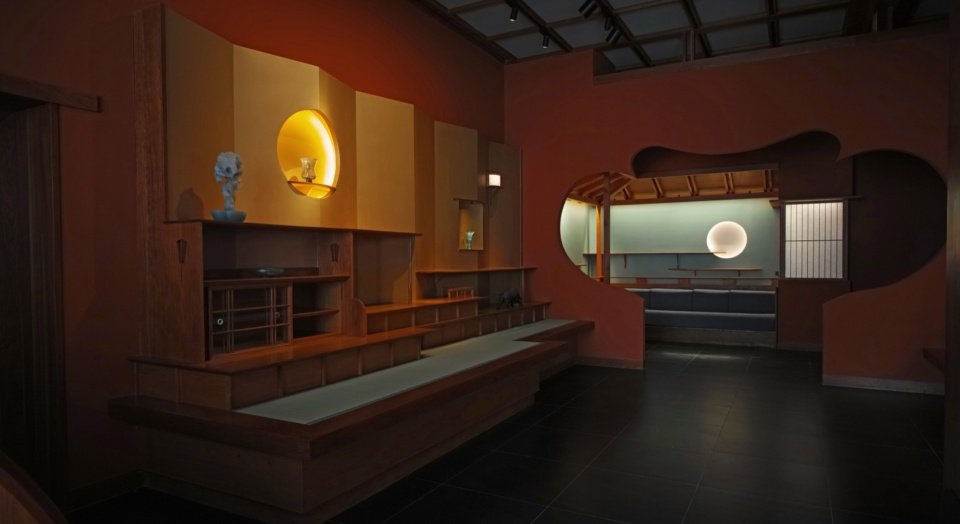
▼The golden-screen mountain music seat © Landscape Architecture
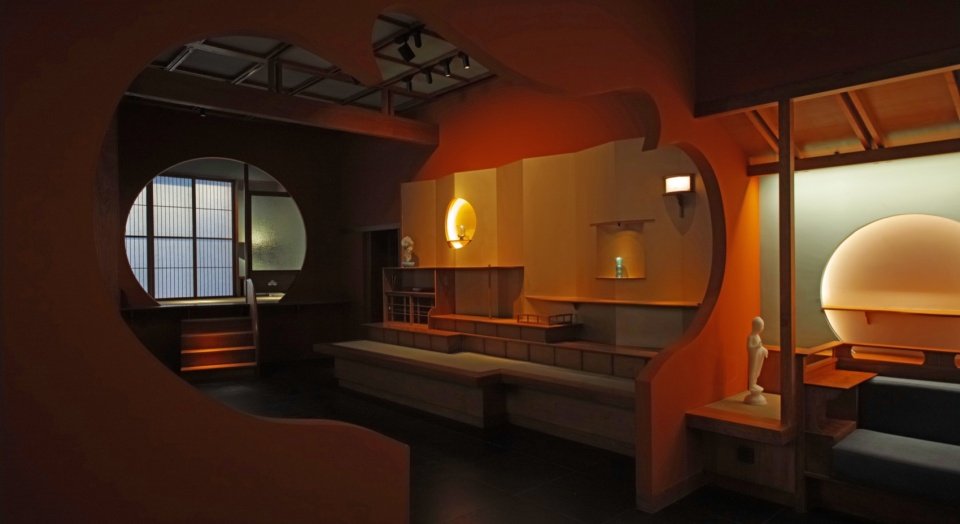
▼The audience seats hidden in the flower-calyx cave © Landscape Architecture
▼The moonlight screen, backdrop of the main performance © Landscape Architecture
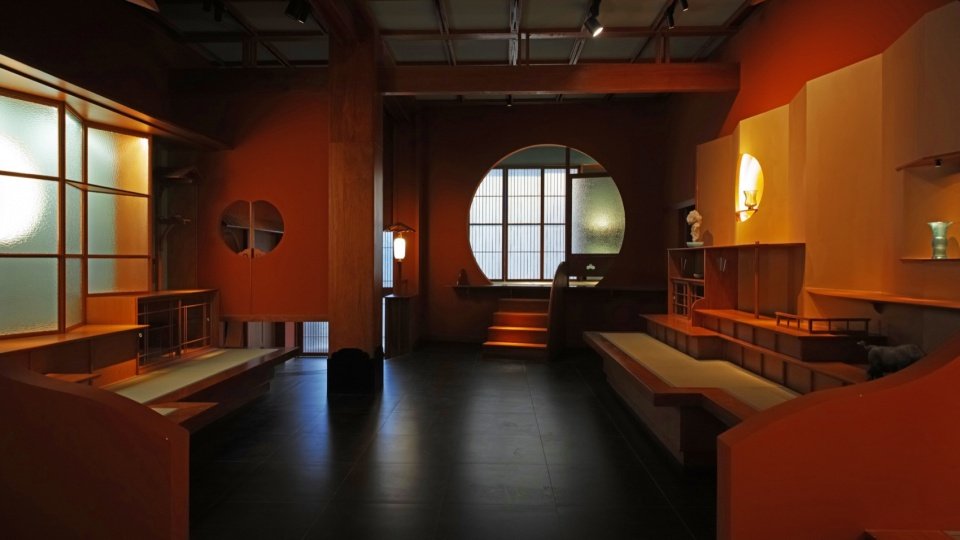
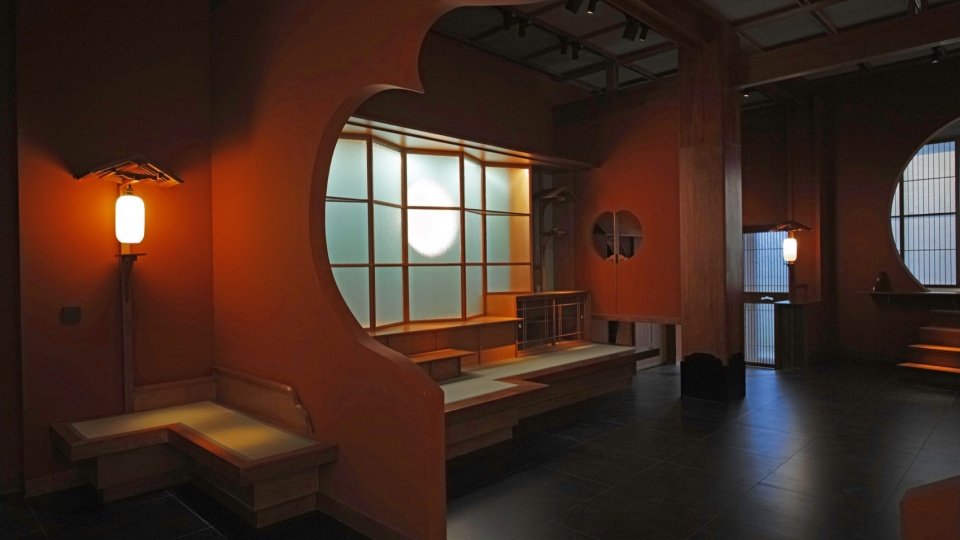
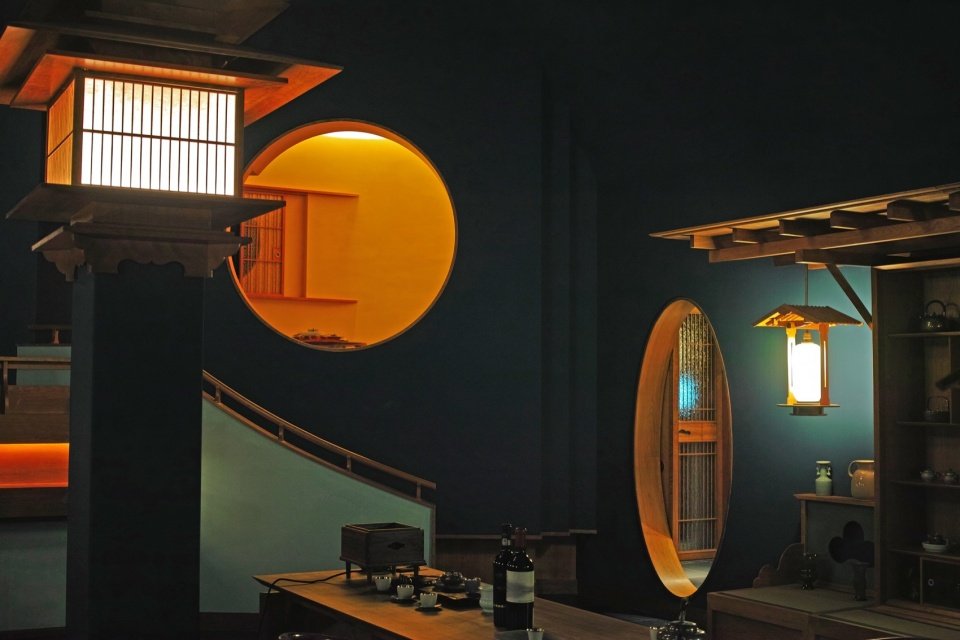
Here, the Tang Dynasty and the Song Dynasty are making an opposite confrontation. This opposite is actually a turn around. Just now, they were having a night banquet. The golden bottles reflected candles, the red skirts swirled with snow, and the hall was full of colors. The whole house was full of people. They suddenly left the table and pushed the door out of the high platform outside the hall. The wind passed by the balcony in front of them. The drunkenness disappeared. The steps were covered with white moonlight, and the railings were soaked in cold. It was chilly everywhere. When he turned around, his back was still red from drunkenness, and his eyes were already cold.
Here, Tang and Song are set in antithetical parallel. This opposition is, in fact, also a human turning-around: one moment still at a night banquet, golden goblets reflecting candlelight, red skirts swirling like snow, a hall of dense colour, a seat full of gallantry—then suddenly rising from the feast, pushing open the door onto the high terrace outside. Before one’s eyes, wind sweeps the tower; the fumes of wine disperse; moonlight paves the steps; the railings are steeped in cold; all around is chill.In one turn, behind one is still drunken red; before one is already clear coldness.
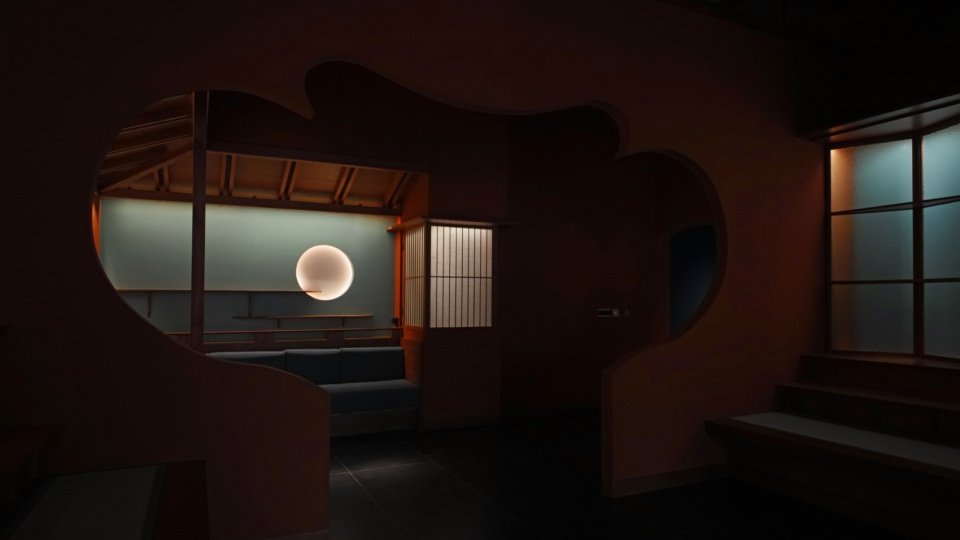
▼The threshold of viewing: the flower-calyx gate © Landscape Architecture
▼The flower-calyx audience seats, back against the sky © Landscape Architecture
Tang Dynasty was present, enjoying together, and people were in the midst of prosperity;
Song Dynasty appeared on the scene, looked alone, and was outside the bustling world.
Tang is present, sharing joy—one is within the bustle.
Song is exiting, gazing alone—one is outside the bustle.
▼The golden-screen mountain seat, where people, music and objects sit together, The golden-screen mountain seat, where people, music and objects sit together © Landscape Architecture
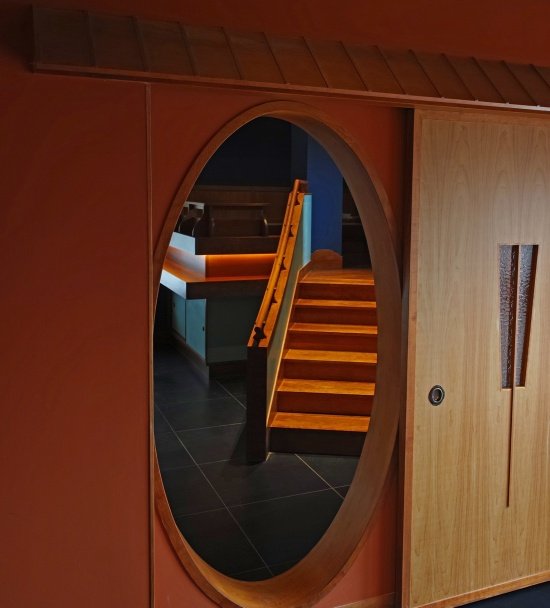
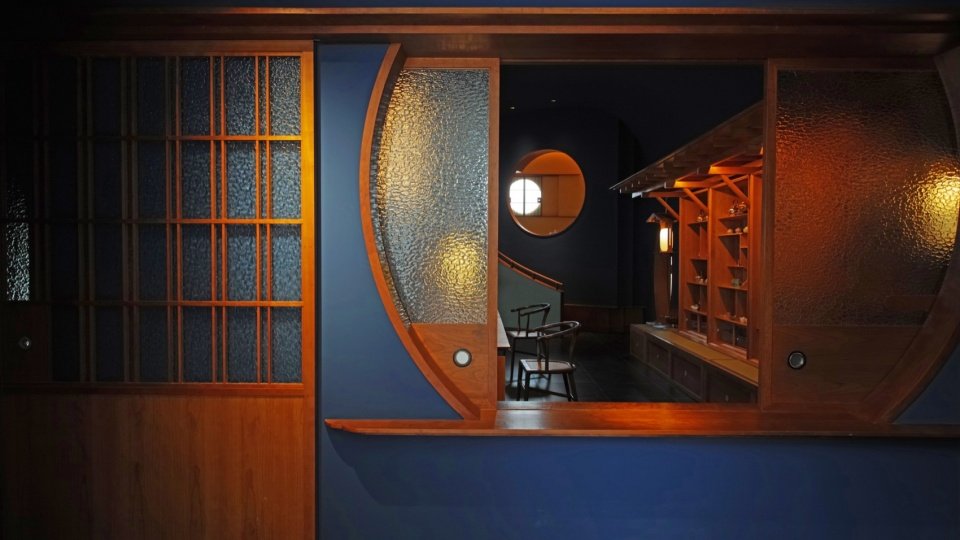
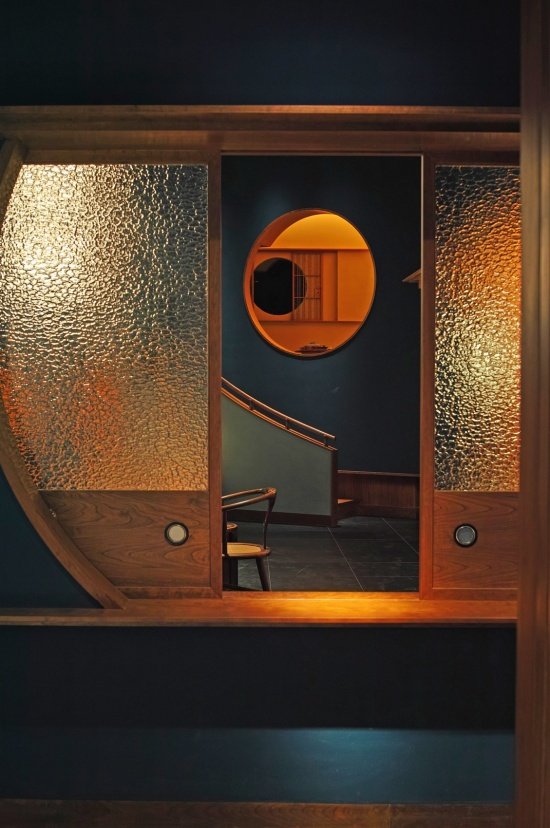
▼Between the mirror doors, Tang glimpses Song © Landscape Architecture
▼Peeking at Song through the mirror door © Landscape Architecture
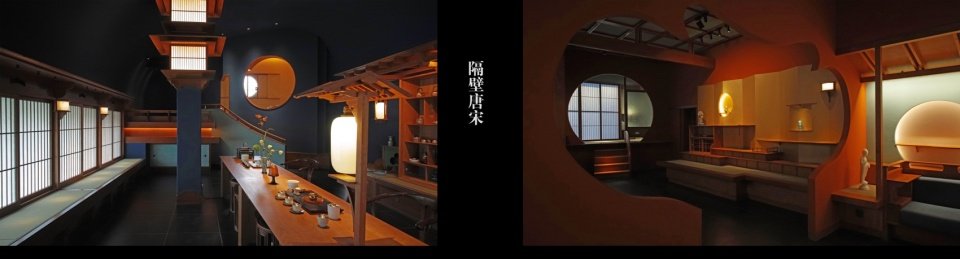
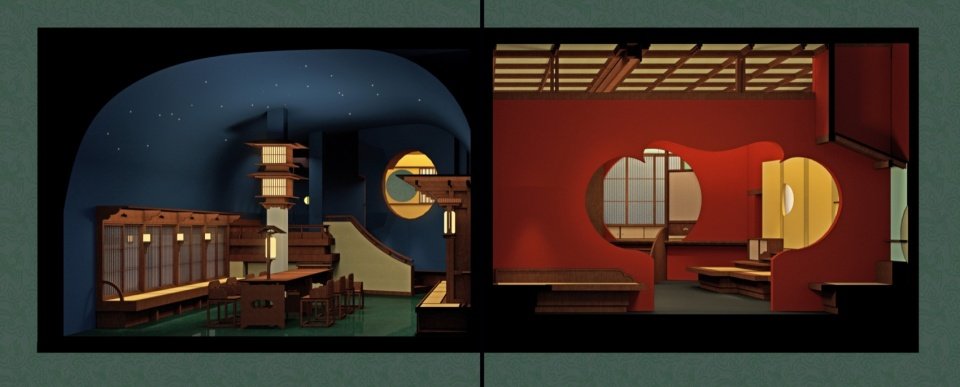
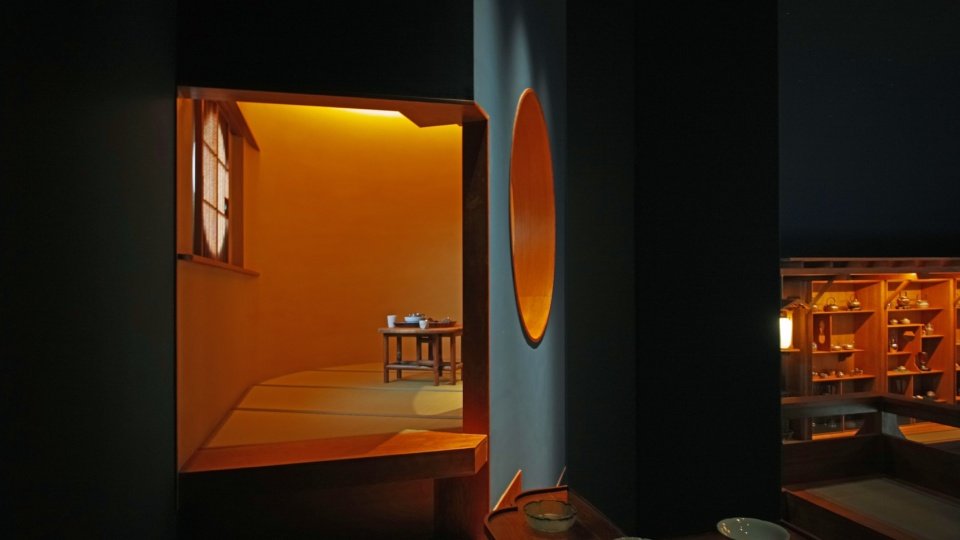
I give red to the Tang Dynasty. Red is the fire of youth, glazed amber, and colorful sleeves of Orchid; red is indulgence, openness, feasting, and excitement.
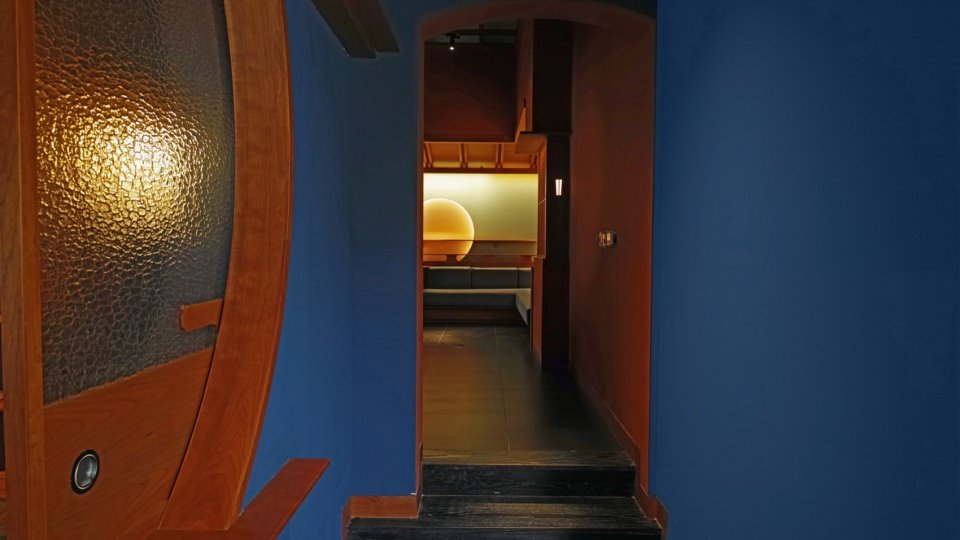
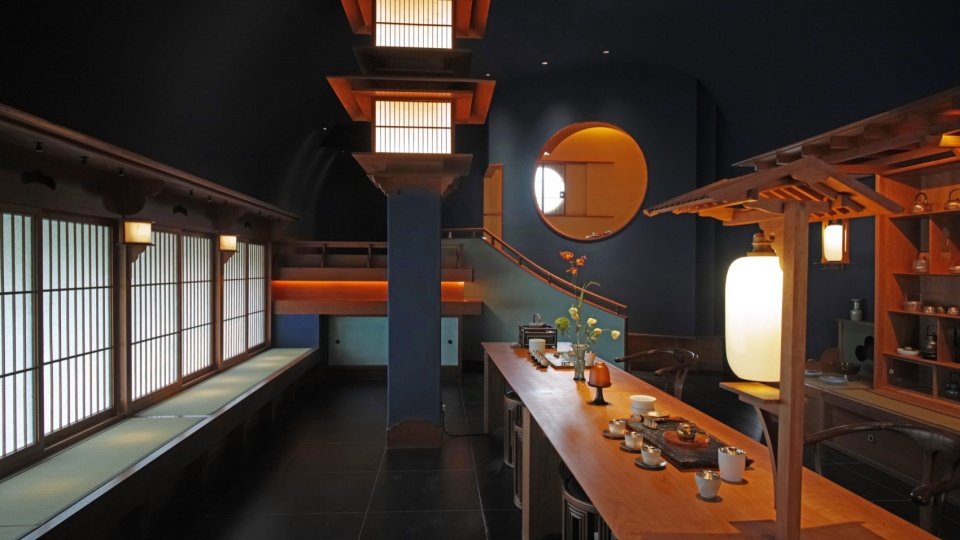
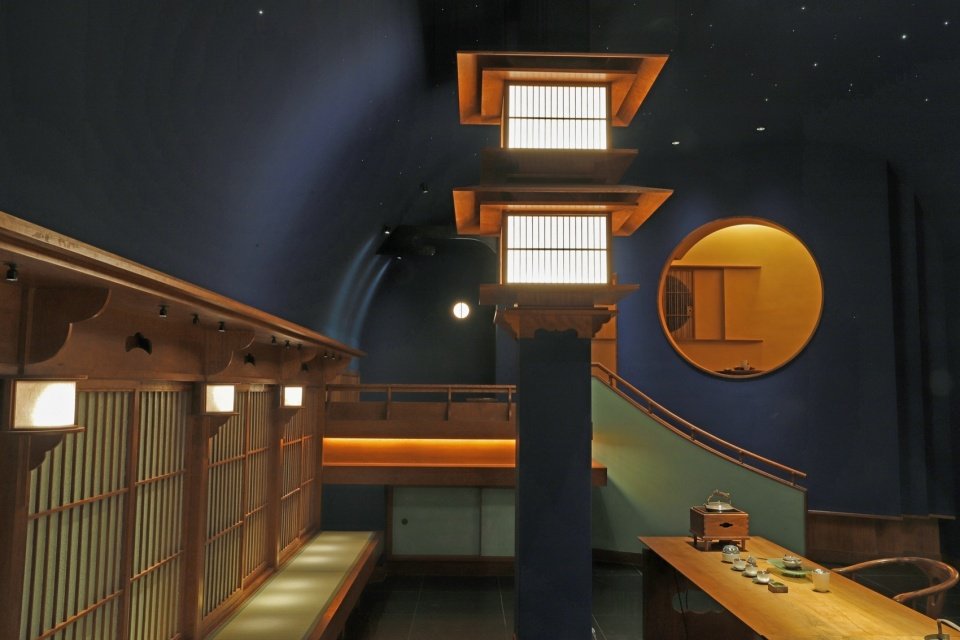
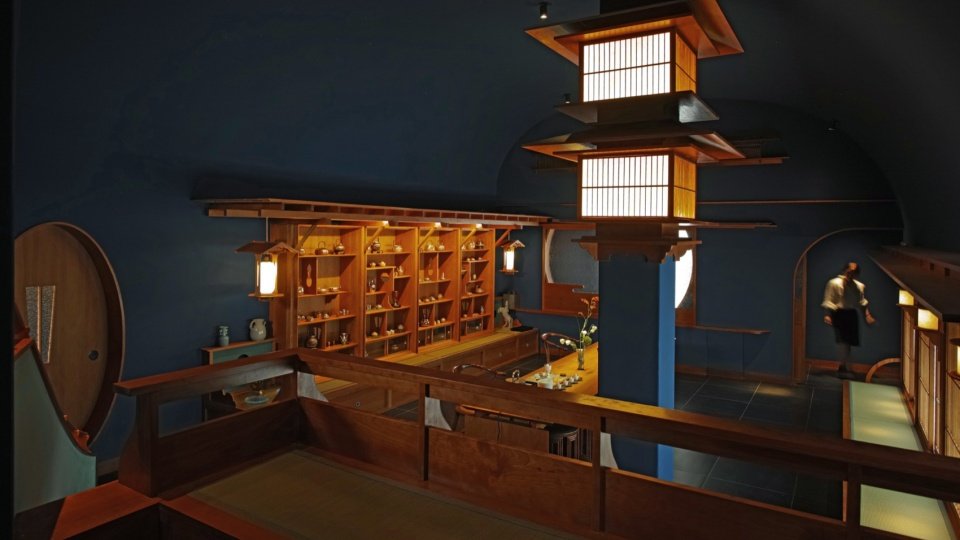
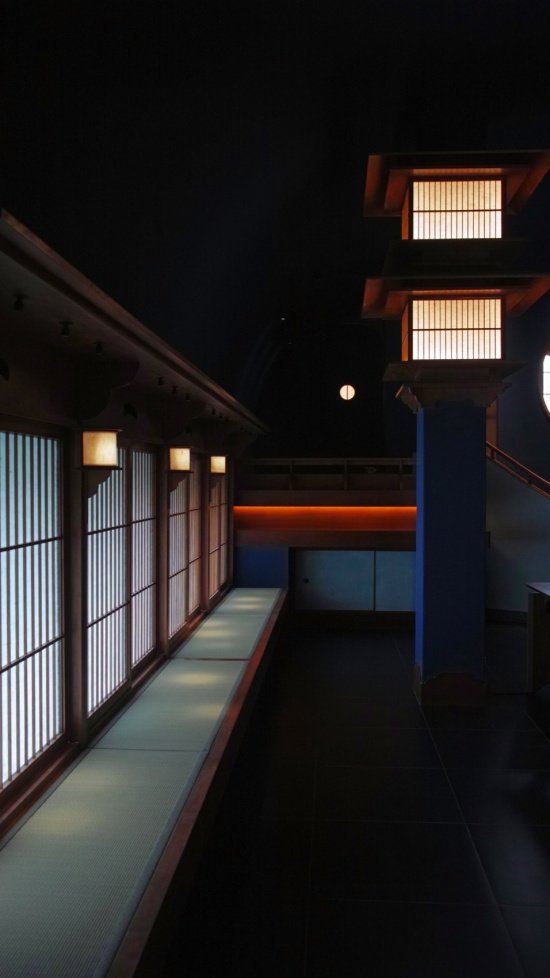
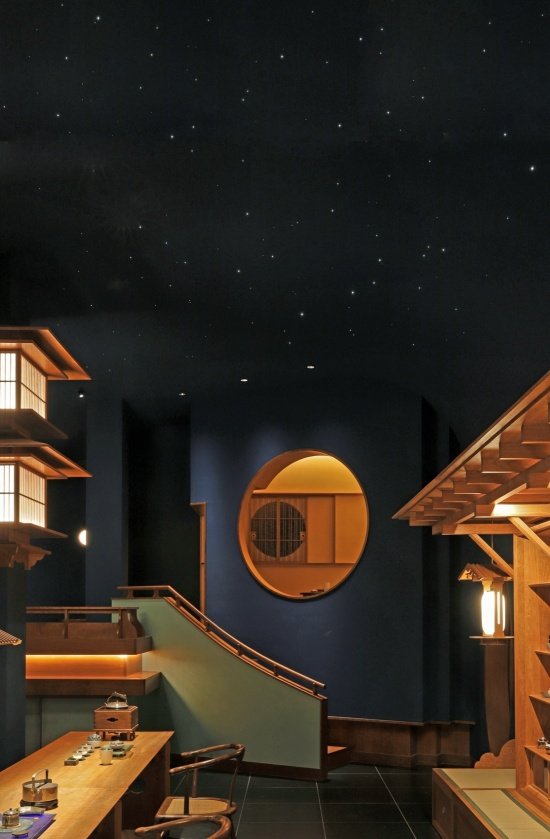
I give dark blue to the Song Dynasty. Dark blue is the waning moon of the lonely lamp, the old scrolls of celadon, and the sparse plum blossoms in the courtyard; dark blue is meditation, the heart, the cold night, and the worry.
I give red to Tang. Red is the fire of youth, glazed amber, the colorful sleeves of Hu dancing girls; red is abandon, is outward release, is the revelry of feasting, is heroic fervour. I give deep blue to Song.
▼Stepping from Song into Tang, Stepping from Song into Tang © Landscape Architecture
▼Looking up at the mountain terrace from the tea seat at its foot © Landscape Architecture
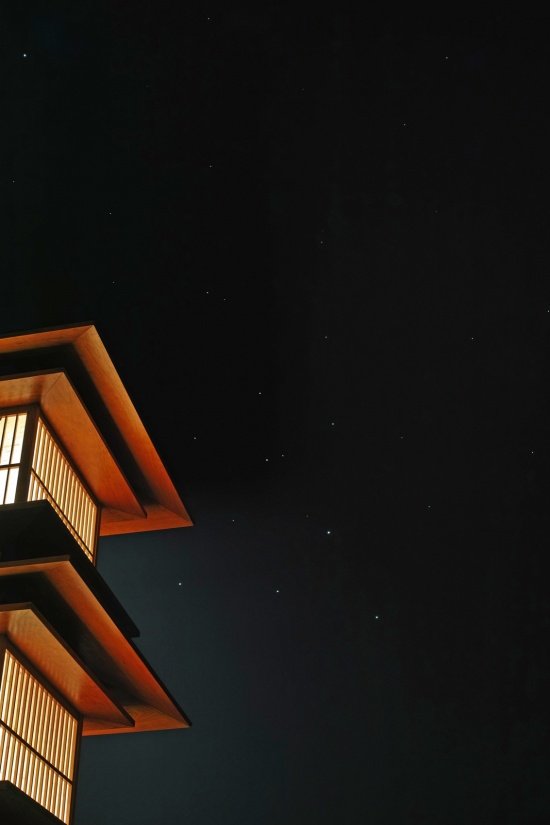
▼The tall pagoda standing alone under a bright moon and sparse stars © Landscape Architecture
▼Looking down from the moon terrace to the tea seat below © Landscape Architecture
▼Clear moonlight over the corridor seat © Landscape Architecture
▼Bright moon and sparse stars © Landscape Architecture
▼Under the night curtain, a mirror leads through to Tang © Landscape Architecture
▼The opening of Song, The opening of Song © Landscape Architecture
▼Shuiyue window sandwiched between Banyue nunnery,
The water-moon window framing the half-moon hermitage © Landscape Architecture
The next door seems to be juxtaposed, but it is turned around. “Next Door Tang and Song” not only materializes the juxtaposition of the characteristics and emotions of the two eras, but also wants to materialize a person’s entry and exit, front and back, outside and inside, changing circumstances and changing thoughts.
A wall apart appears to be juxtaposition, yet it is a turning-around. “A Wall Apart: Tang and Song” not only materializes the juxtaposition of the qualities and moods of two eras, but seeks to materialize a person’s exit and entry, front and back, outside and inside—circumstances passing like a galloping horse, the mind turning and circling.
▼A column splits two views: the hidden half-moon hermitage and the tea seat below © Landscape Architecture
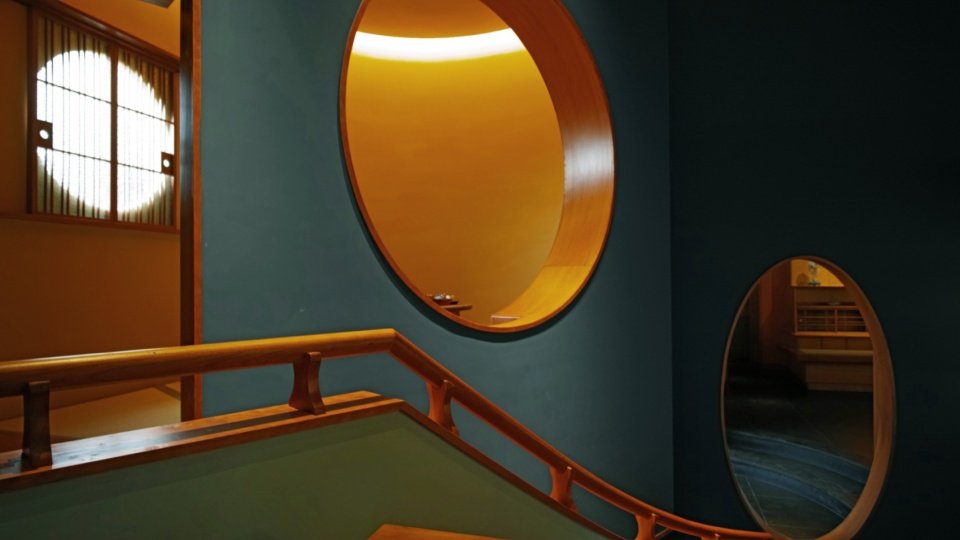
▼The balustrade linking three mirrors © Landscape Architecture
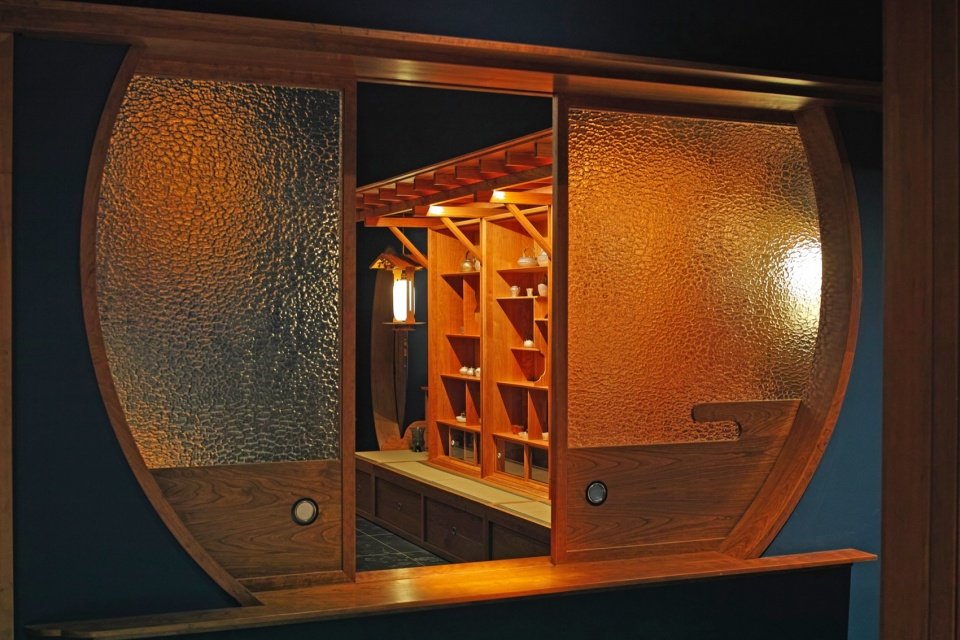
▼The water-moon window opening onto the four-season tea pavilion © Landscape Architecture
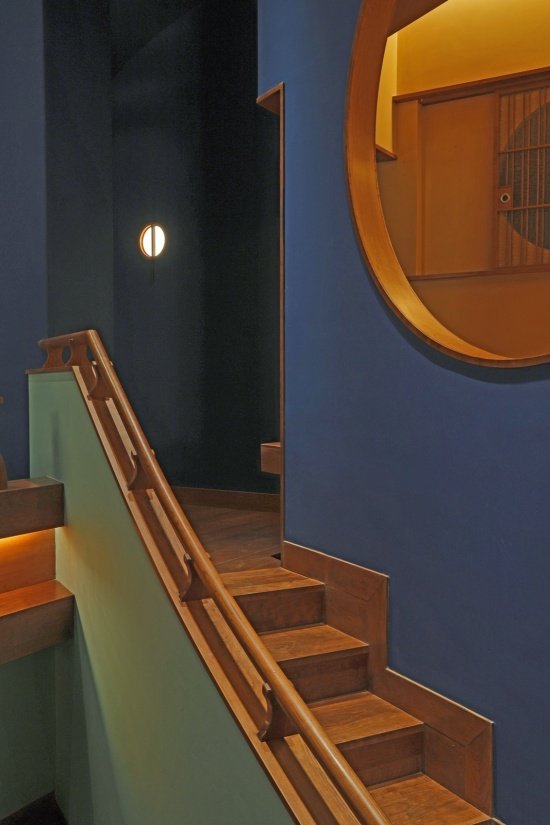
▼Ascending the moon terrace © Landscape Architecture
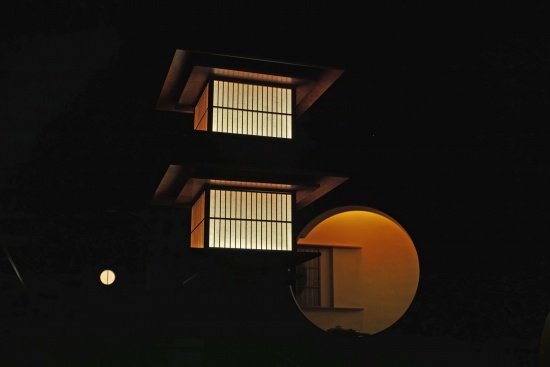
▼The moon rises over the tall pagoda © Landscape Architecture
▼Blue as the night sky, Blue as the night sky © Landscape Architecture
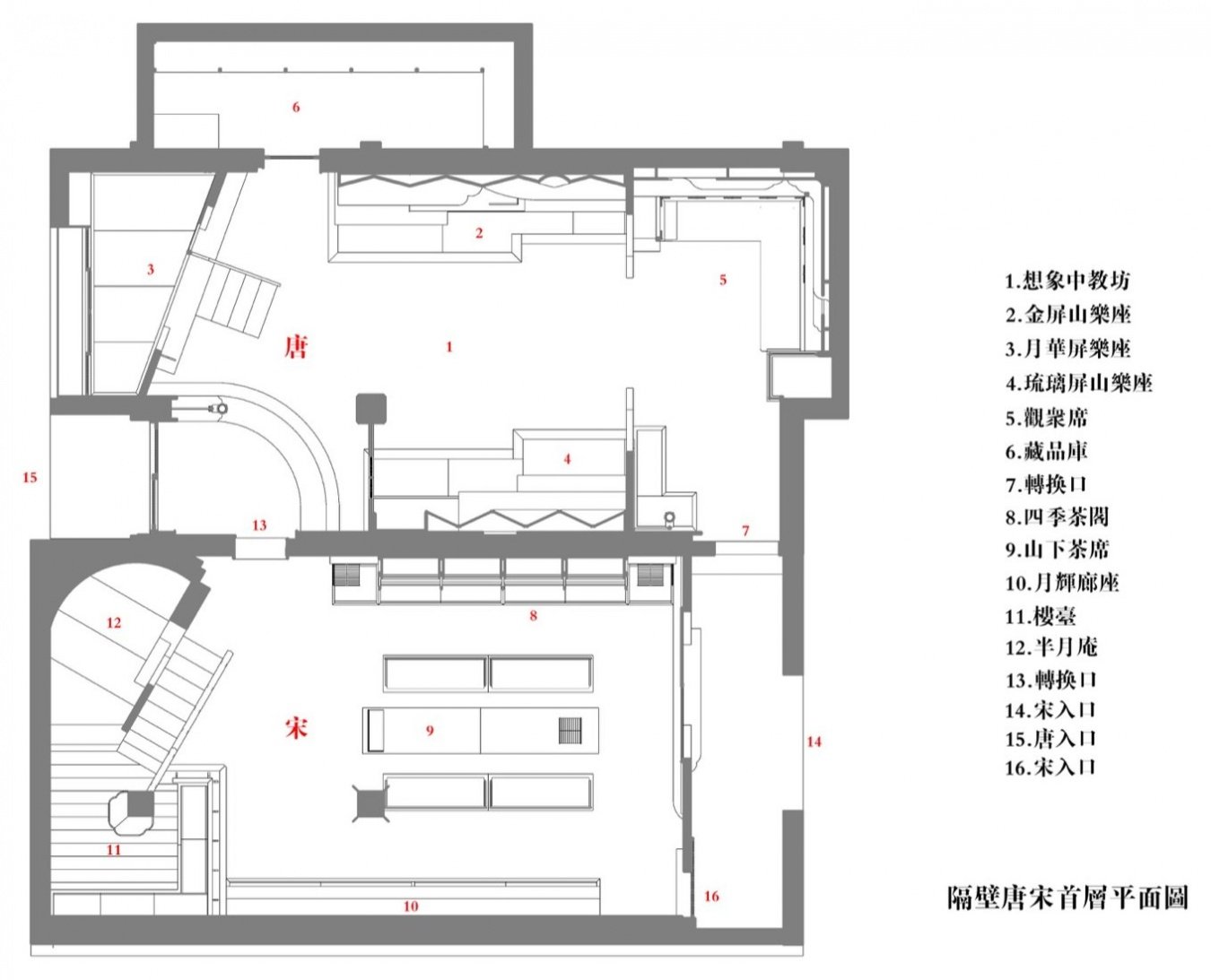
▼Plan © Landscape Architecture

Project name: Tang and Song Dynasties next door – Hangzhou Luyi Arts and Crafts Exhibition Hall
Project Type: Interior
Project location: Hangzhou City, Zhejiang Province
Built status: built
Design time: July 2020
Construction time: September 2022
Building area: 120 square meters
Design unit: Landscape Architecture Studio, School of Architecture, China Academy of Art
Design unit contact information: info@gardeningarchitects.com
Chief architect: Wang Xin and Sun Yu
Owner: Zhejiang Luyi Cultural Creativity Co., Ltd.
Construction: Hangzhou Fangyi Construction Co., Ltd.
Lighting: Hangzhou Rongxi Lighting Engineering Co., Ltd.
Props: Nikko Engei Furniture (Hangzhou) Co., Ltd.
Photographer: Landscape Architecture
Project Name: A Wall Apart: Tang and Song — Hangzhou Luyi Arts and Crafts Exhibition Hall
Project Type: Interior
Project Location: Hangzhou, Zhejiang Province
Completion Status: Built
Design Period: July 2020
Construction Period: September 2022
Floor Area: 120 sqm
Design Firm: Gardening Architects, School of Architecture, China Academy of Art
Design Firm Contact: info@gardeningarchitects.com
Principal Architects: Wang Xin, Sun Yu
Client: Zhejiang Luyi Cultural and Creative Co., Ltd.
Construction: Hangzhou Fangyi Construction Co., Ltd.
Lighting: Hangzhou Rongxi Lighting Engineering Co., Ltd.
Props: Rixingyuan Artist Home (Hangzhou) Co., Ltd.
Photography: Gardening Architects
More:Landscape architecture studio. More about them:Gardening Architects on gooood
Source: gooood.cn