

Frank Gehry, who passed away last December at age 96, set an early standard for the starchitect and left behind one of the most comprehensive visual repertoires of millennial vision. The maestro of postmodernist construction’s soaring output will be the subject of his first posthumous exhibition at Porto’s Serralves Museum of Contemporary Art, on view June 12.
Titled The Century of Gehry, the exhibition will be housed inside the museum’s Álvaro Siza Wing, which was designed by the eponymous architect. Though the initial plan for the exhibition started out as a collaboration with Gehry himself, it has evolved into an exploration of his legacy, with contributions from Gehry Partners and the Getty Research Institute which holds his archives up until 1988.
The exhibition’s curator and Director of Architecture at the Serralves Foundation António Choupina said that staging the show had been a dream of his since establishing the museum’s architecture department in 2020. “He was a genius who shifted the architectural paradigm of the late 20th and early 21st centuries,” Choupina told AN. The particular resonance of the show, according to its curator, is the friendship between Gehry and Siza, who designed the museum in the late 1990s across 45 acres of land that also includes a park and an art deco villa. “Frank called him ‘my brother Siza,’ so there couldn’t be a more suitable person to host in this wing,” Choupina added.
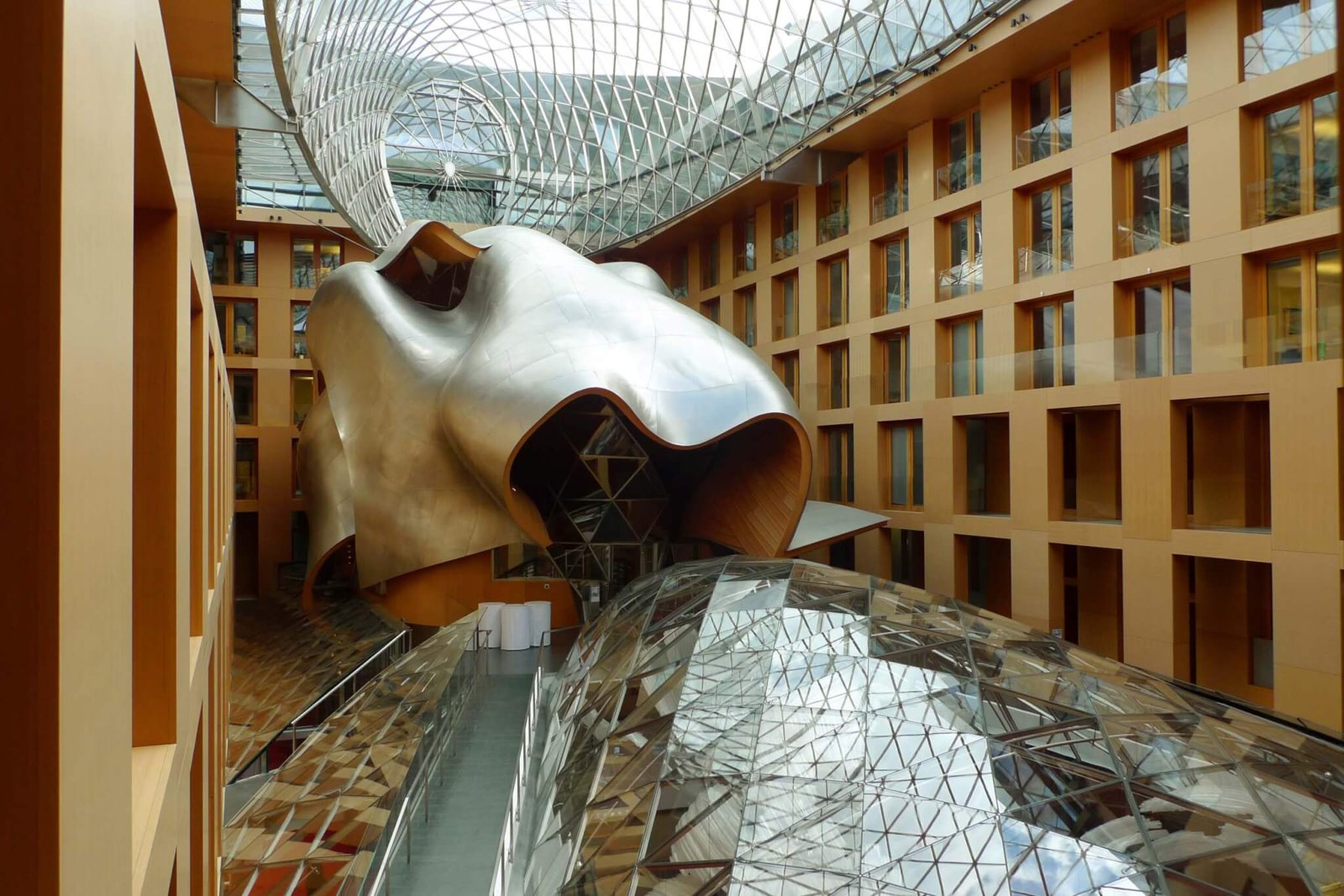
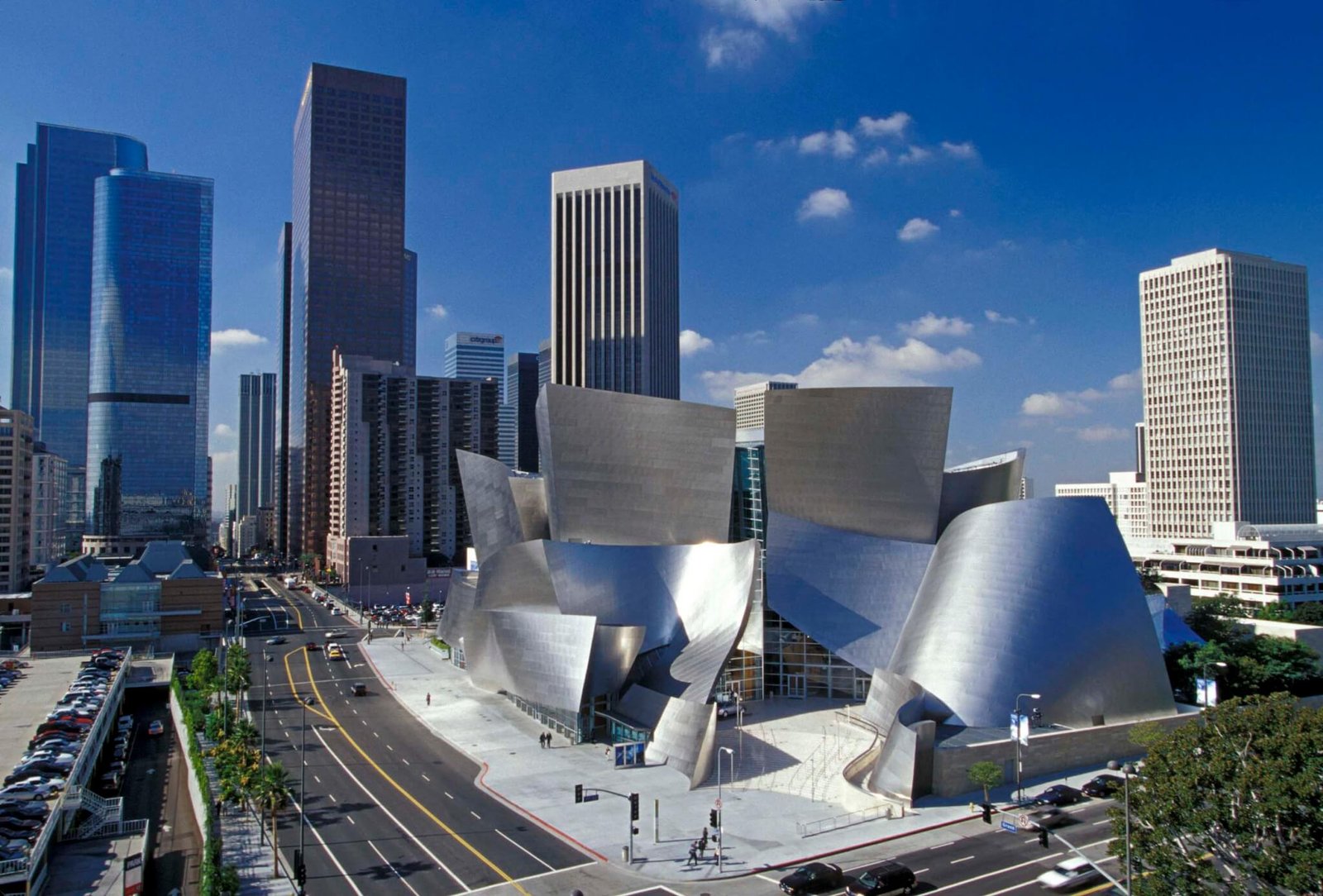
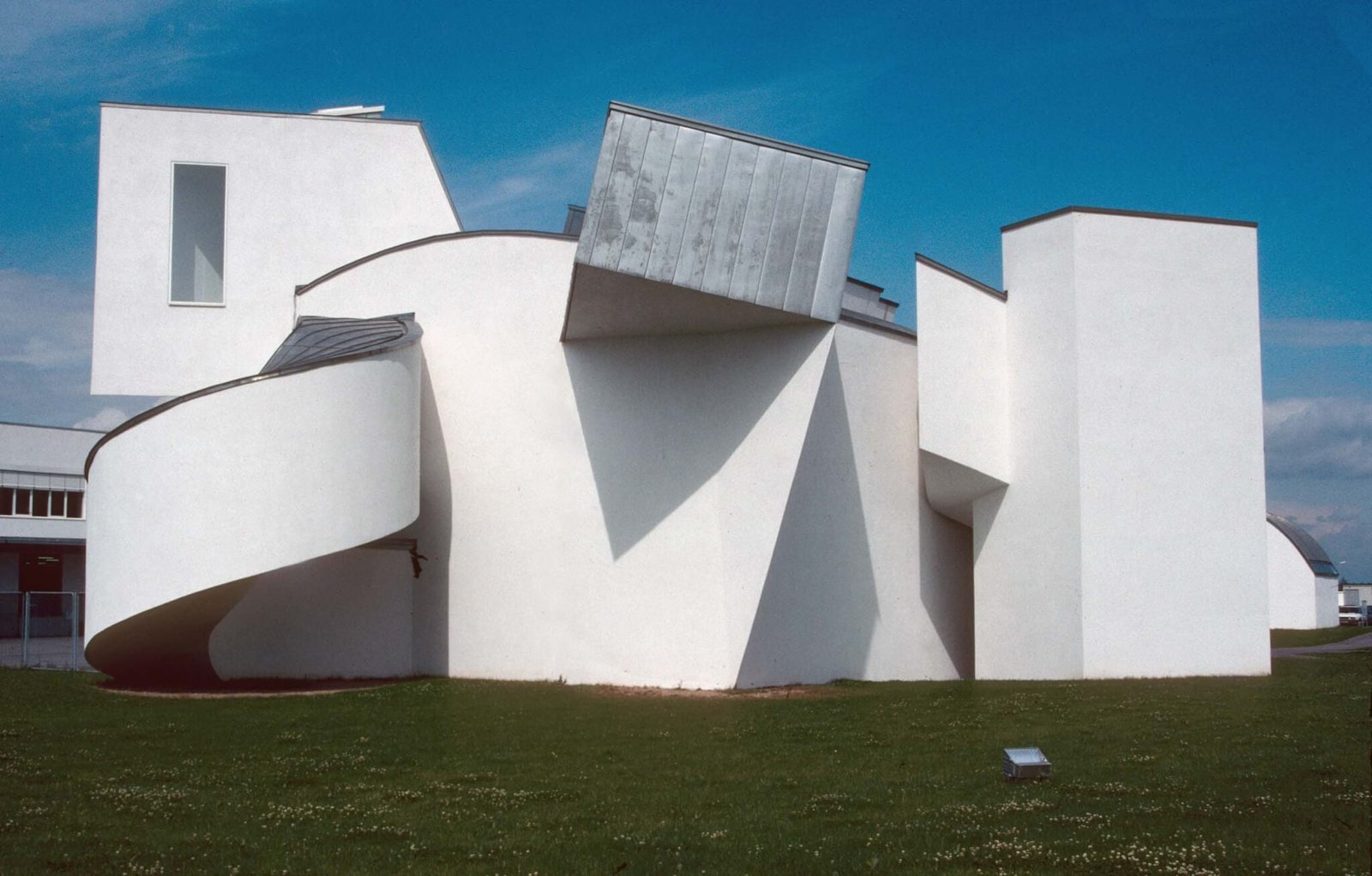
The show will feature 19 of Gehry’s most recognizable projects such as his own Santa Monica residence (the house’s maquette was loaned by Vienna’s Museum of Applied Arts), Vitra Design Museum, LUMA Foundation, Walt Disney Concert Hall, and Beekman Tower/ 8 Spruce. Choupina considered the show as a “celebration of his joyful perspective that is freer than a typical retrospective.” He noted that their intention was to underline Gehry’s “courage to see the world anew every time.” This liberated approach, however, does not underestimate the responsibility of mounting the first exhibition on the Canadian-born architect’s catalog after his passing: “We have this added duty to go deeper into his work which is often seen as an explosion of form and provide some urban context on how people have embraced his buildings.”
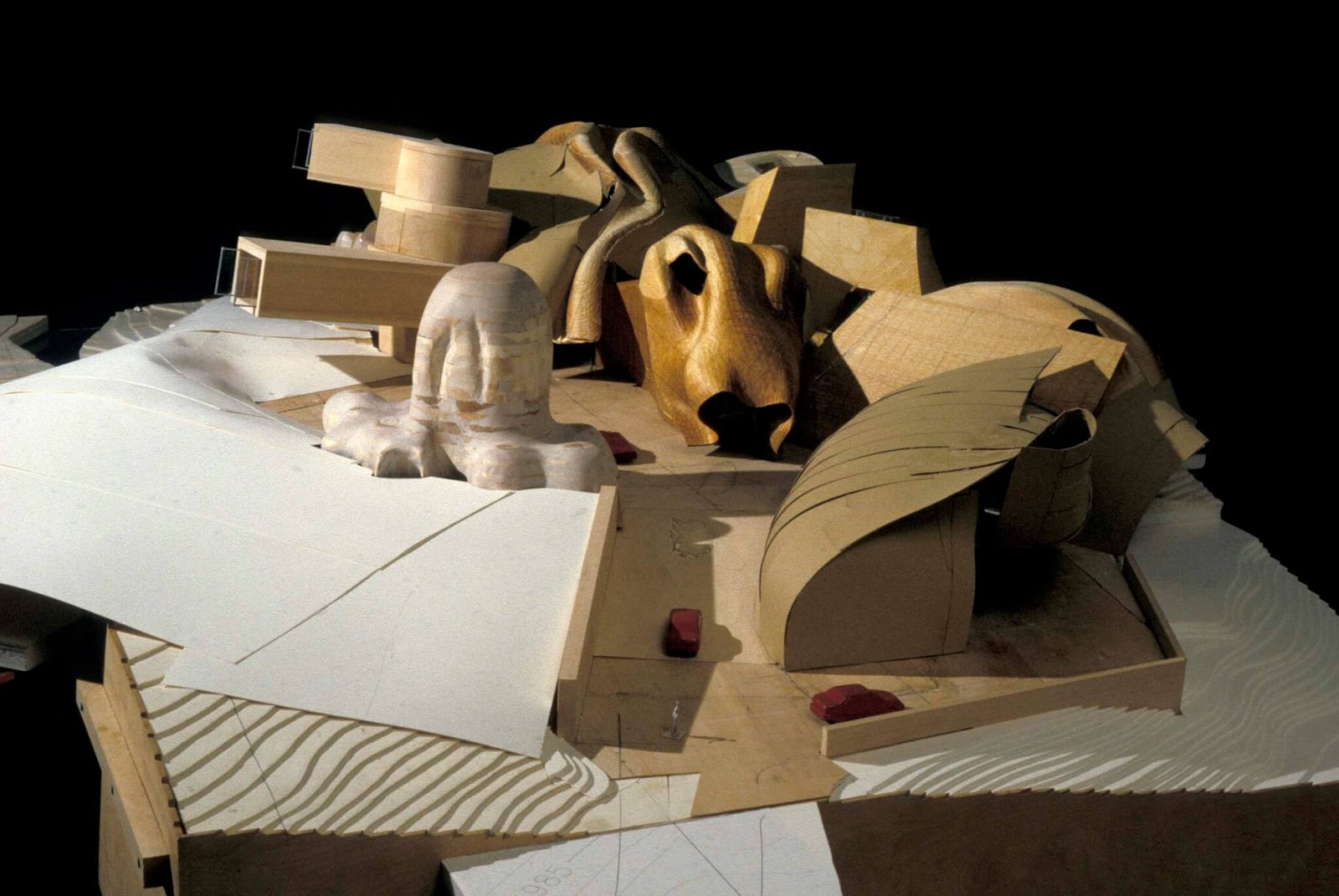
The curator has separated the checklist into eight thematic sub-categories, such as “making something out of the ordinary” or “finding a vocabulary,” to display a sizable portion of Gehry’s maquette models, forty sketches, 175 photographs, and fifteen videos. According to Choupina, the “multilayered perspective” aims to underline Gehry’s model-making skills which was a critical aspect of his methodology of turning silhouettes into landmark forms.
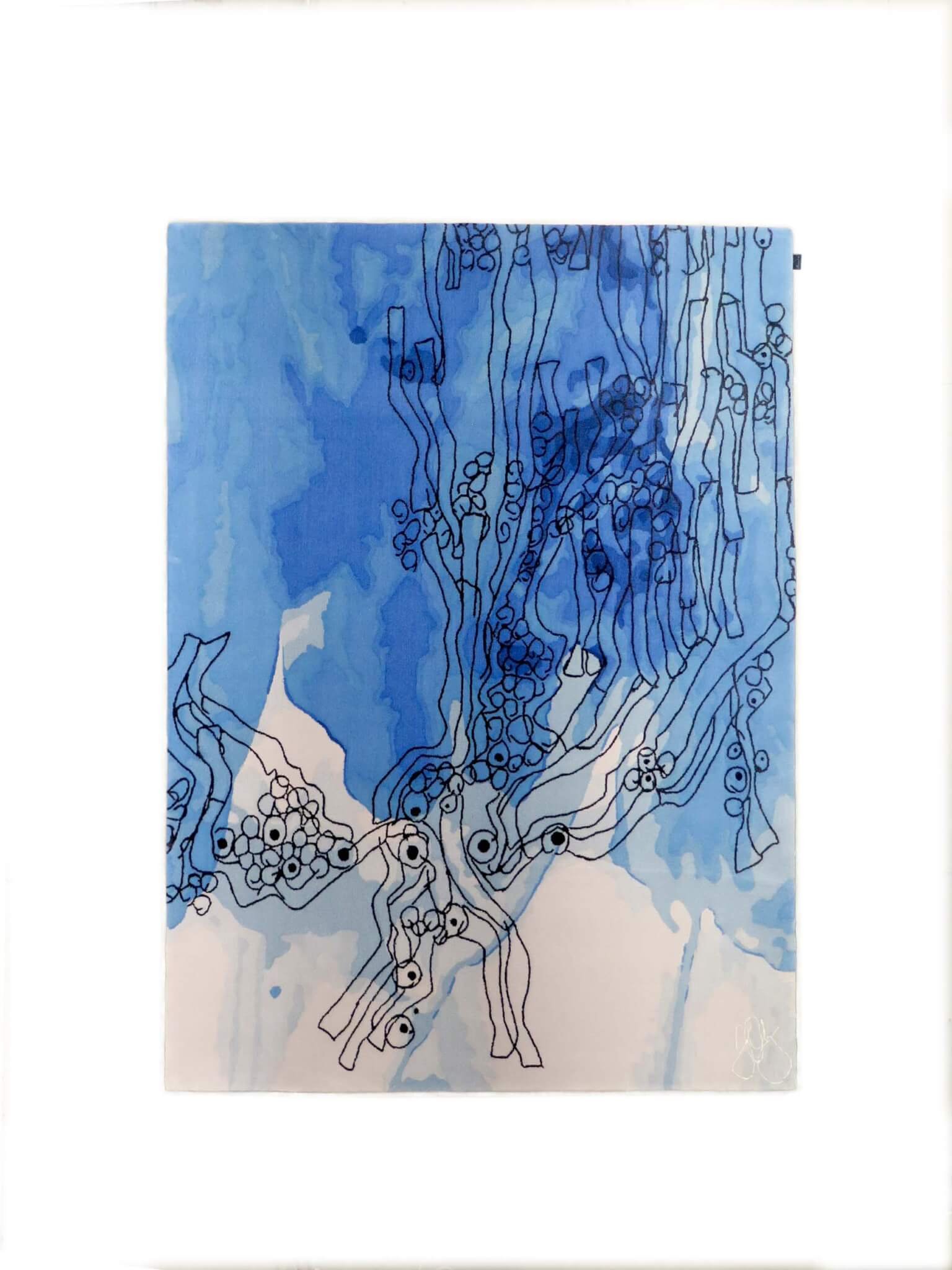
Seventeen large scale maquette replicas—some of which reach 13 feet high—demonstrate Gehry’s sculptural hand. “In fact, his process eventually went back from digital to analog so he could shape, bend, and cut his models,” Choupina explained. The architect’s vicinity to art was most evident in his genre-defying museum buildings. This is perhaps most evident in Guggenheim Bilbao, which pioneered the phenomena of constructing architecturally significant museums as a way to boost tourism and the local economy of the surrounding small city. The show also makes subtle references to the architect’s friendship with artists such as Claes Oldenburg and Richard Serra whose sculptures are both on display at the museum’s garden. An unexpected gem is a tapestry titled Doodle (2012) which is one of ten that Gehry created with the Portuguese rug makers Ferreira de Sá after seeing Siza’s rug designs with the same company.
Gehry and Siza never fully realized a project together but indeed they worked on the expansion of Pasadena’s Art Center College of Design which is featured in the show. The project was shelved in the aftermath of the 9/11 and it never came into fruition.
The exhibition’s programming will offer a cross-continental exploration of Gehry’s legacy. In addition to talks around topics such as urbanism and musicality (Gehry’s violinist mother influenced his idea of acoustics) held in partnership with Getty, a portion of the programming will take place offsite at significant Gehry projects including Guggenheim Bilbao, Louis Vuitton Foundation, and LUMA.
The Century of Gehry will remain on view until December 30, 2026.
Osman Can Yerebakan is a freelance art and culture writer based in New York.