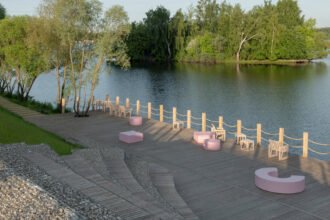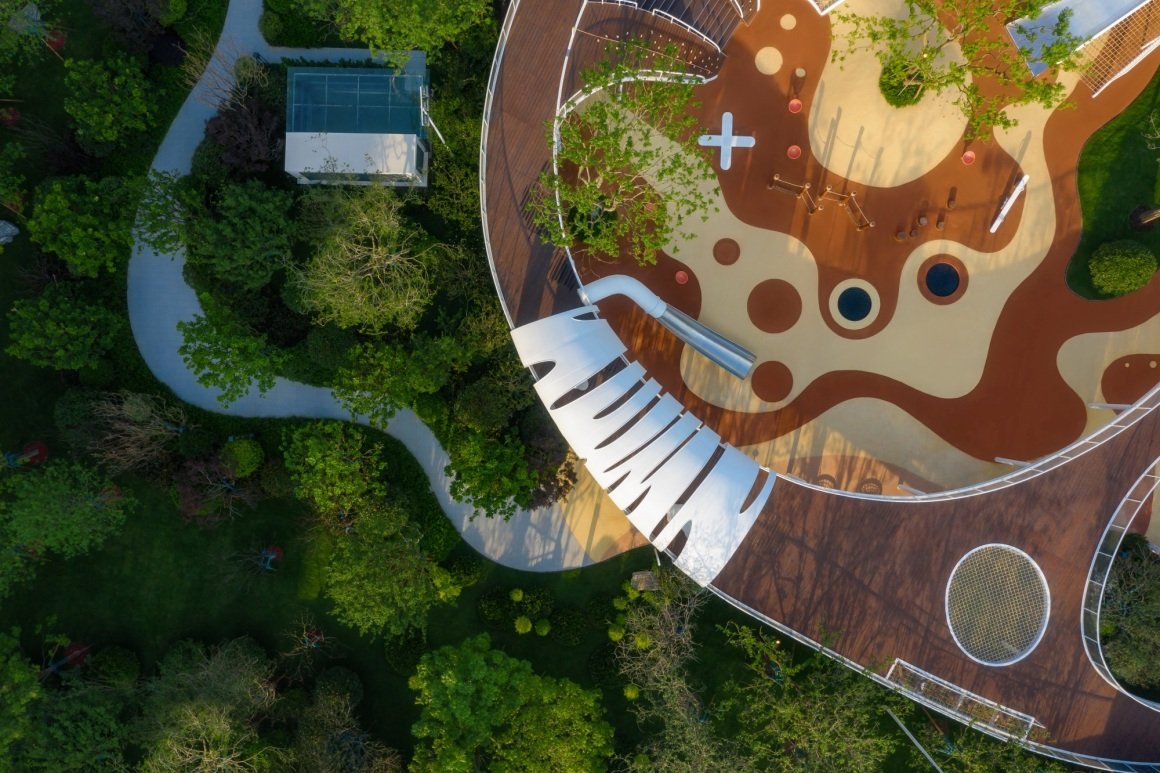

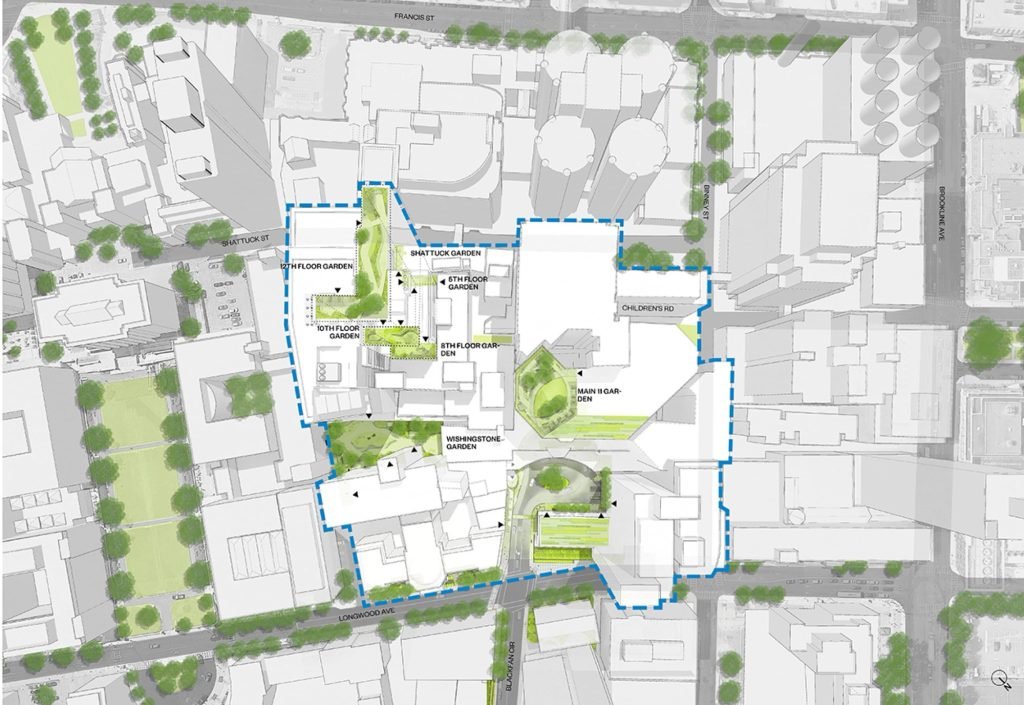

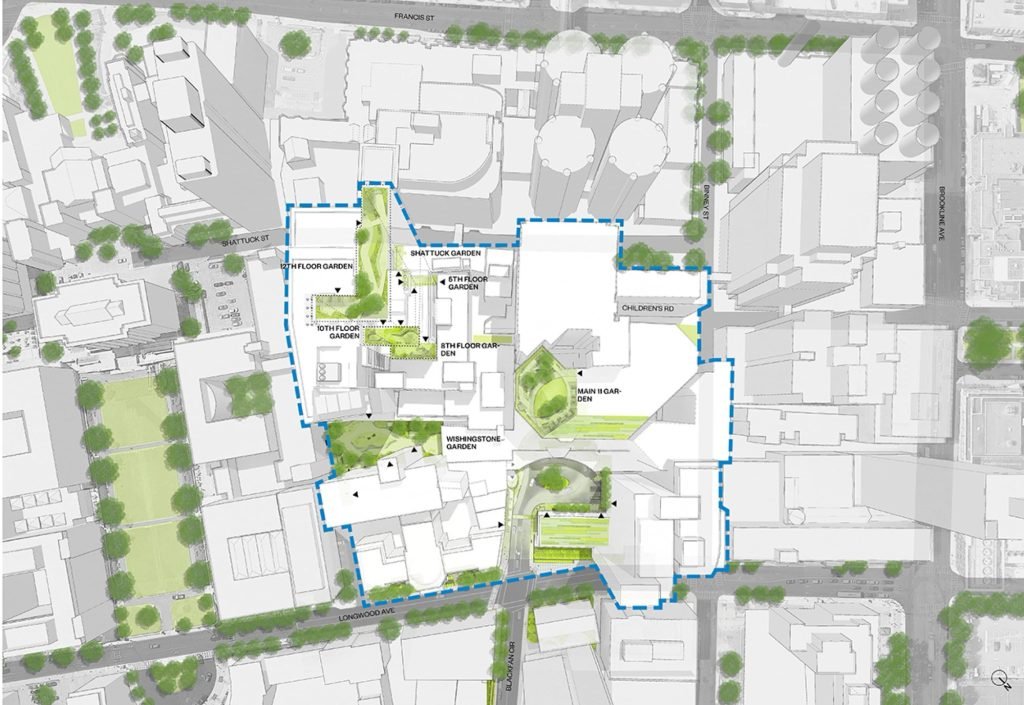
Boston Children’s Hospital Healing Gardens establishes a new paradigm for healthcare design, integrating diverse therapeutic landscapes tailored to the distinct needs of patients, families, and caregivers. This vertical hospital demonstrates how biophilic design incorporating biomorphic forms, pollinator habitats, and interactive ecological environments creates accessible outdoor spaces for restoration. Seven gardens spanning ground to rooftop connect users to nature, establishing a holistic framework that enhances clinical outcomes through direct engagement with living landscapes.
The design responds to the complex needs of the pediatric behavioral health community, providing safe, engaging landscapes that support therapeutic protocols and offer respite from the clinical sensory intensity of the hospital. For adolescent psychiatric patients, these gardens offer normalized outdoor access critical for emotional regulation and circadian rhythm stabilization. Layered planting and varied spatial scales create opportunities for choice and autonomy, supporting therapeutic goals around self-regulation and social reintegration.
A responsive and inclusive two-year community engagement process was essential to understanding BCH’s diverse population needs. Through dialogues with garden users, the design team identified that no single garden could serve the complex spectrum of therapeutic, emotional, and social requirements. Families navigating end-of-life decisions required contemplative privacy while behavioral health patients needed secure yet active outdoor space. Nursing staff sought easily accessible private spaces and ICU patients needed sensory stimulation and safe outdoor physical therapy opportunities. Recognizing these diverse needs shaped a design framework responsive to the full complexity of the community.
This insight shaped the project’s spatial strategy. Rather than a single centralized garden, the design strategically positions distinct gardens in direct proximity to specific care environments. This neuroinclusive, vertically distributed approach ensures equitable outdoor access, embedding gardens directly within the healthcare continuum.
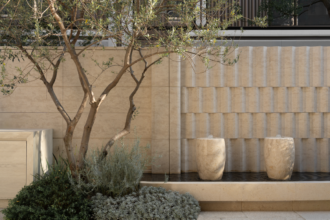
Sustainability drives the design with over 4,000 native and adaptive plants supporting pollinator pathways and migratory bird habitats. Native flora and fauna themes welcome families with a nature entry wall, establishing a graphic motif linking all garden entry points and creating visual continuity across the campus. Wood, stone, and glass highlight organic patterns and tactile variation.
Rigorous post-occupancy evaluation of the first phase garden provided critical empirical data informing subsequent design refinement. Studies revealed 90% of visitors describe the gardens as “calming and relaxing,” with 77% reporting improved well-being. Nursing staff requested more secluded seating zones ensuring psychological separation, while families highlighted needs for varied spatial scales from shared spaces to secluded gardens for solitary grieving. Evidence-based insights led to design adjustments including increased spatial and seating diversity, alcove gardens with planted screening, and enhanced acoustic buffers using landforms. Each garden calibrates different stimulation thresholds from active discovery zones to contemplative nooks with minimal sensory input. This project demonstrates how strategic green space transforms the human experience within the healthcare campus.
Design team: Mikyoung Kim, Ian Downing, Bryan Chou, Emmett Gregory, Elkus Manfredi Architects, Shepley Bulfinch Architects
Photography: Robert Benson Photography, Anton Grassl Photography
Client: Boston Children’s Hospital
42.337557081533035, -71.10556681166315