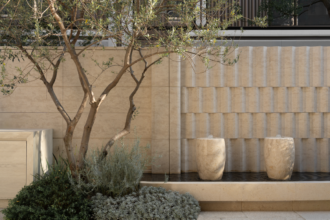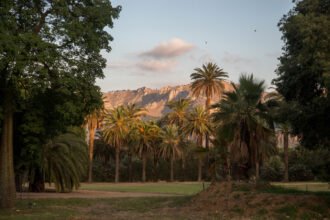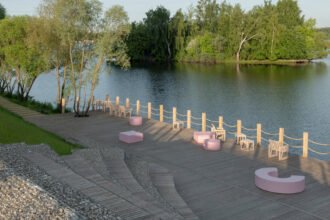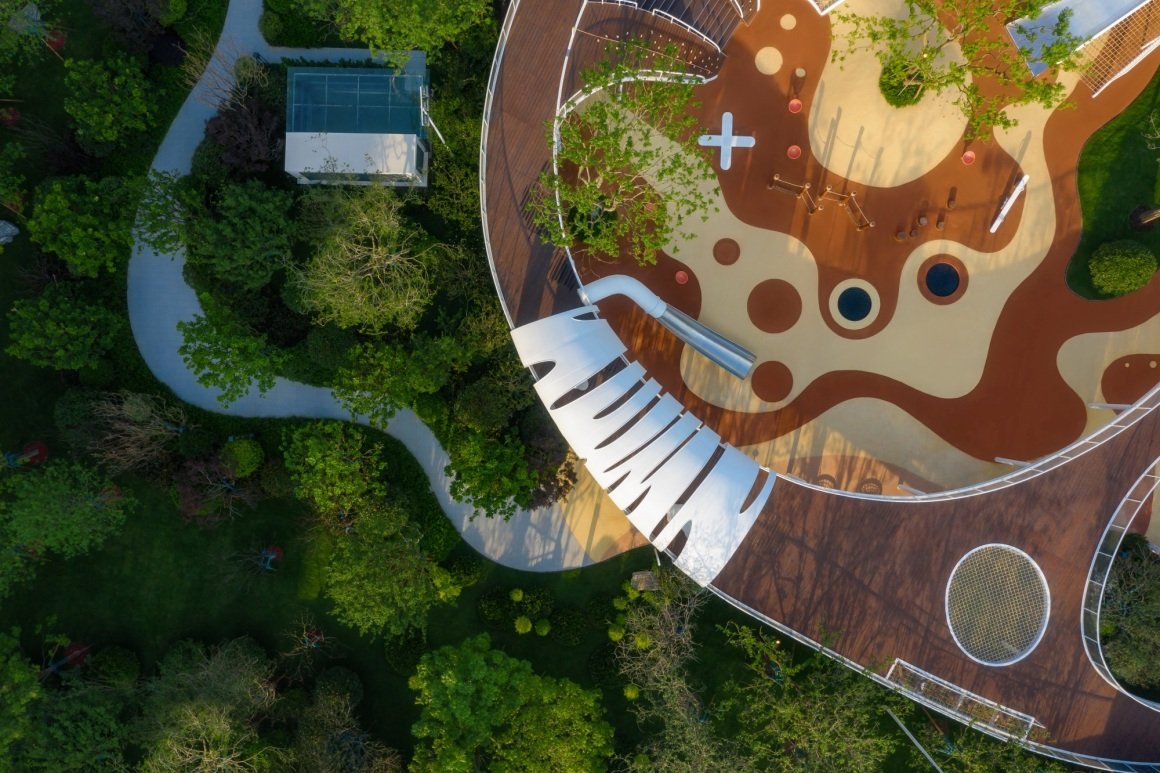

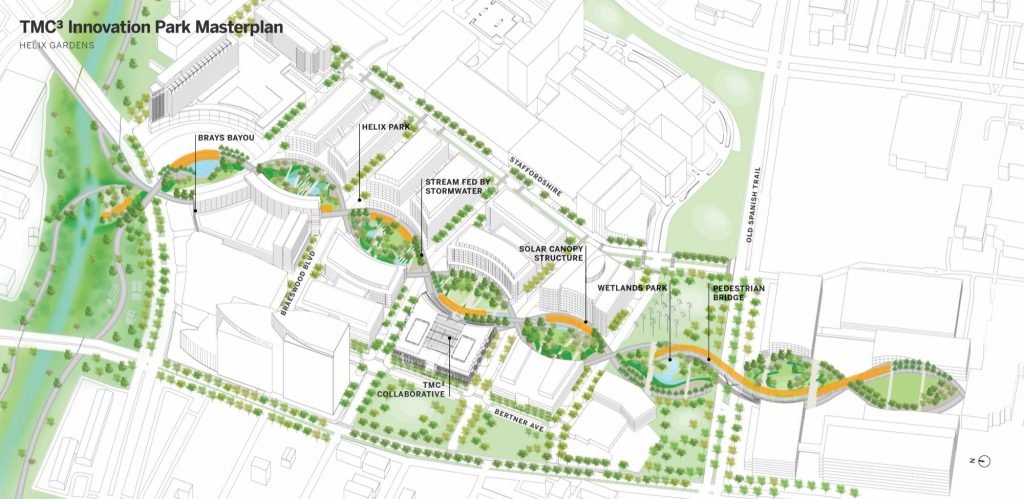

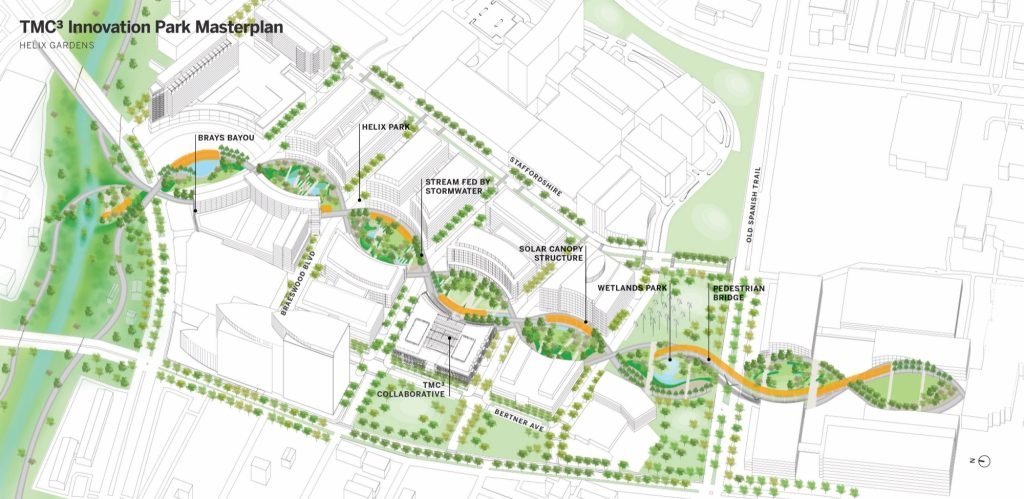
The TMC Helix Park is a 14.5-acre park that celebrates human and ecological resiliency. Located adjacent to Brays Bayou in downtown Houston, a tapestry of ecological strategies combines stormwater management with biodiverse planting design. A focus on human health defines the gardens, and the theme of water and light creates thermal comfort zones within this cooling amenity for the community. Active mobility strands intertwine with water and biodiverse systems to create an oasis of play and restoration. As part of a 42-acre masterplan this first phase redefines resiliency at the urban scale in this majority-minority city, transforming a series of asphalt parking lots into a vegetated neighborhood park. Designed to withstand a 500-year storm event, the elevated site is conceived of as a living sponge that stores, filters, and repurposes rainwater, providing a public amenity for the entire watershed. The permeability of the space with rainfall interception by over 650 new trees allows the site to retain up to 3.2M gallons of stormwater.
The design is guided by a pioneering Neurodiversity Toolkit to create places for multi-sensory experiences and customizable spaces that offer both refuge and communal areas. Biophilia shapes the design with attention to texture, natural materials, and immersive experiences in the natural systems. The planting strategy is designed around 5 Texas ecoregions, featuring over 300 plant species and 650 new trees. This plant palette creates a transforming experience of color, texture, and sound throughout the year.
With Houston’s average temperature of 92 degrees and relative humidity typically ranging from 60–90%, the foundation of the park design was based in human comfort. Over 4600 sf of shade canopies supplement the new tree coverage to offer heat mitigation, while cooling water features and 380,000 sf of cool pavement extend comfort throughout the site. District-wide water play extends the language of Brays Bayou Gardens while providing a cooling amenity during the summer.
Guided by Houston’s Bike Plan, comprehensive mobility infrastructure is a core goal of the park. In addition to its collaborative spaces, streetscapes and mobility routes are designed to be shared, safe, and active- reducing the amount of automobile traffic and providing more mobility parking to encourage multi-mobility use of the park. Sloped walkways, extensive shade canopies, and an assortment of cycle infrastructure strategies are layered with comfortable furnishings and low-impact design measures. An enhanced network of pedestrian and cycle-focused facilities reach beyond the core Helix Gardens to encourage active mobility and connect to the city’s complete street plan.
The overall vision plan increases mobility throughout the campus with 204,796 sf of enhanced green streets; an 827 linear foot, 2-way, permeable cycle track; 4919 linear feet of dedicated bike lanes; and an elevated pedestrian and cycle bridge- enhancing connectivity across the Old Spanish Trail arterial road.
The Helix Park is designed to accommodate flexible programming and pedestrian-focused experiences with central greens, active biodiverse native gardens, diverse water play, and contemplative gardens. Strands of water, vegetation, and circulation pathways weave through the various park spaces and extend the Brays Bayou green network to bring people and resiliency together. Biodiverse ecoregions define the plant palette of each zone, introducing butterfly and bee habitats and integrating trees and plants that provide safe haven for birds. Strands of shade trees run throughout the helix gardens to connect each individual garden together. Each planting gives a specific identity to its helix garden. Plant communities work to create a dynamic and comfortable habitat for human and non-human visitors alike.
The TMC Helix Park has transformed this site into a resilient and restorative park that reduces heat island effect, noise, and air pollution with intentional resilient design in this ecological public amenity. Human resiliency is the foundation of these parks and gardens, creating a green space that is designed to normalize neurological and bodily functions within 3 to 5 minutes of park engagement. A human-centered approach defines this large urban park with district-wide mobility infrastructure, green amenities, programmed gathering spaces, and water gardens for sustained health and well-being. The design of this diverse and resilient park is welcoming to visitors of all ages and neurological and physical abilities- creating a truly inclusive neighborhood destination.
Design team: Mikyoung Kim, Emmett Gregory, Ian Downing, Bryan Chou, Elkus Manfredi Architects
Photography: Robert Benson Photography, Ayala Vargas Photography
Client: Texas Medical Center
29.69758154526838, -95.39665931542801