


The materials we build with shape far more than our buildings. They shape our landscapes, economies, and culture. My earliest memories of working with natural materials involve my grandparents’ farm in Devon, England, weaving fences from coppiced trees—a sustainable woodland management technique—and stacking dry stone walls. At the time, I didn’t realize I was participating in a craft that shaped the British landscape for millennia. The first building material I made was an adobe block in Rwanda, with earth type and water. More than eight percent of the world’s homes are made from earth.
Yet in the U.S., the construction industry remains locked into a narrow material system. While hundreds of wood species grow across the country, we rely on only xa handful. While farmers cultivate hemp, seaweed, and other regenerative crops that could become building materials, the supply chains barely exist. While forests struggle under climate pressures, we continue to use materials in ways that often degrade the landscapes they come from.
To change how we build, we must change how we think about materials. Bio-based building materials are the best option for providing holistic benefits across Common Materials Framework, created to inspire a positive shift in materials specification.
Bio-based materials support human, climate, and ecosystem health, as well as circular economies, if sourced and manufactured properly. Many are naturally low-volatile-organic compounds (VOC), can be made without harmful additives, and help regulate humidity for healthier indoor environments. Their production supports regenerative land management, reduces reliance on mining and drilling, and uses agricultural byproducts. Their supply chains strengthen rural economies, offer more transparent and equitable labor practices, and enable community-scale manufacturing.
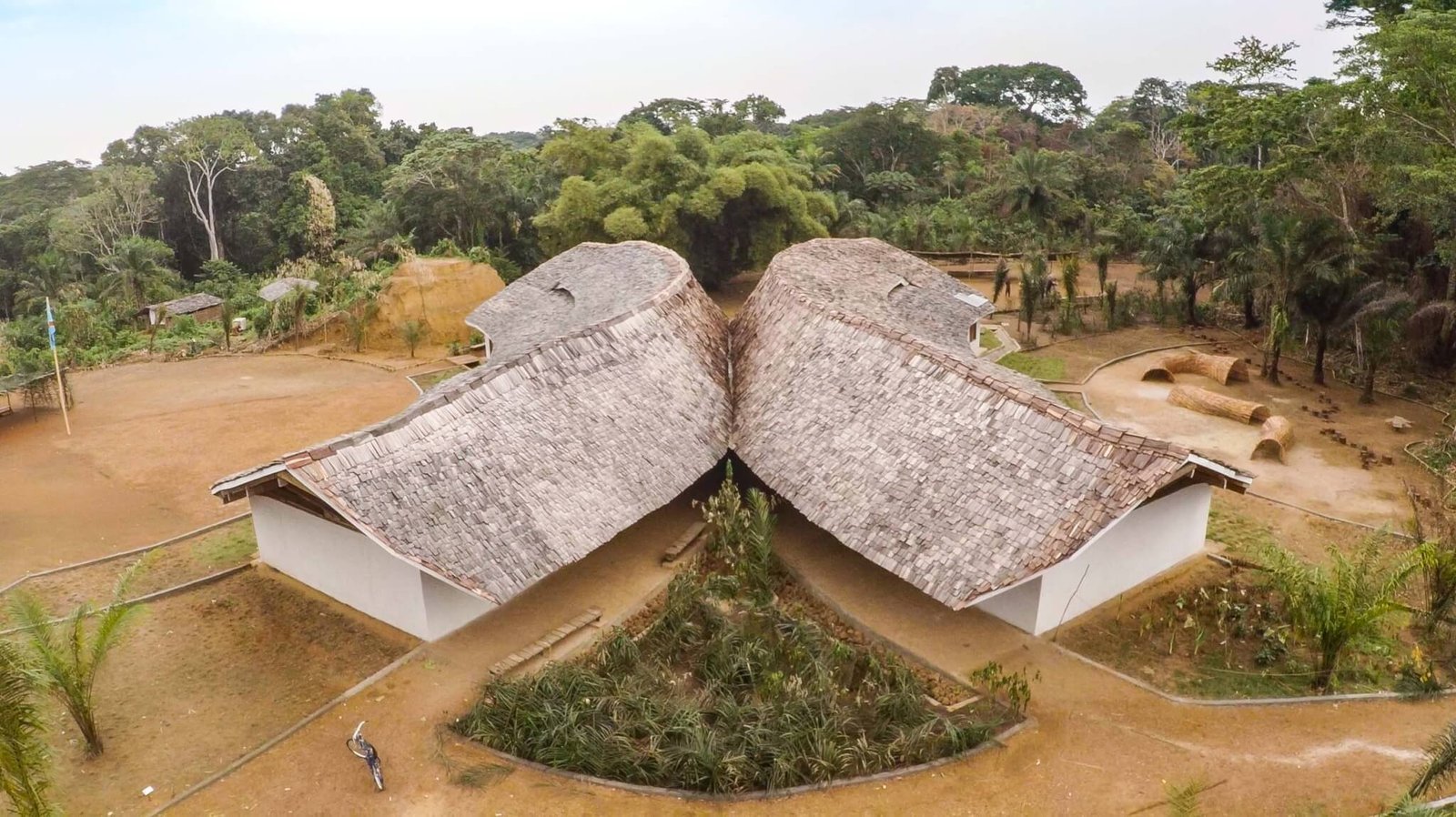
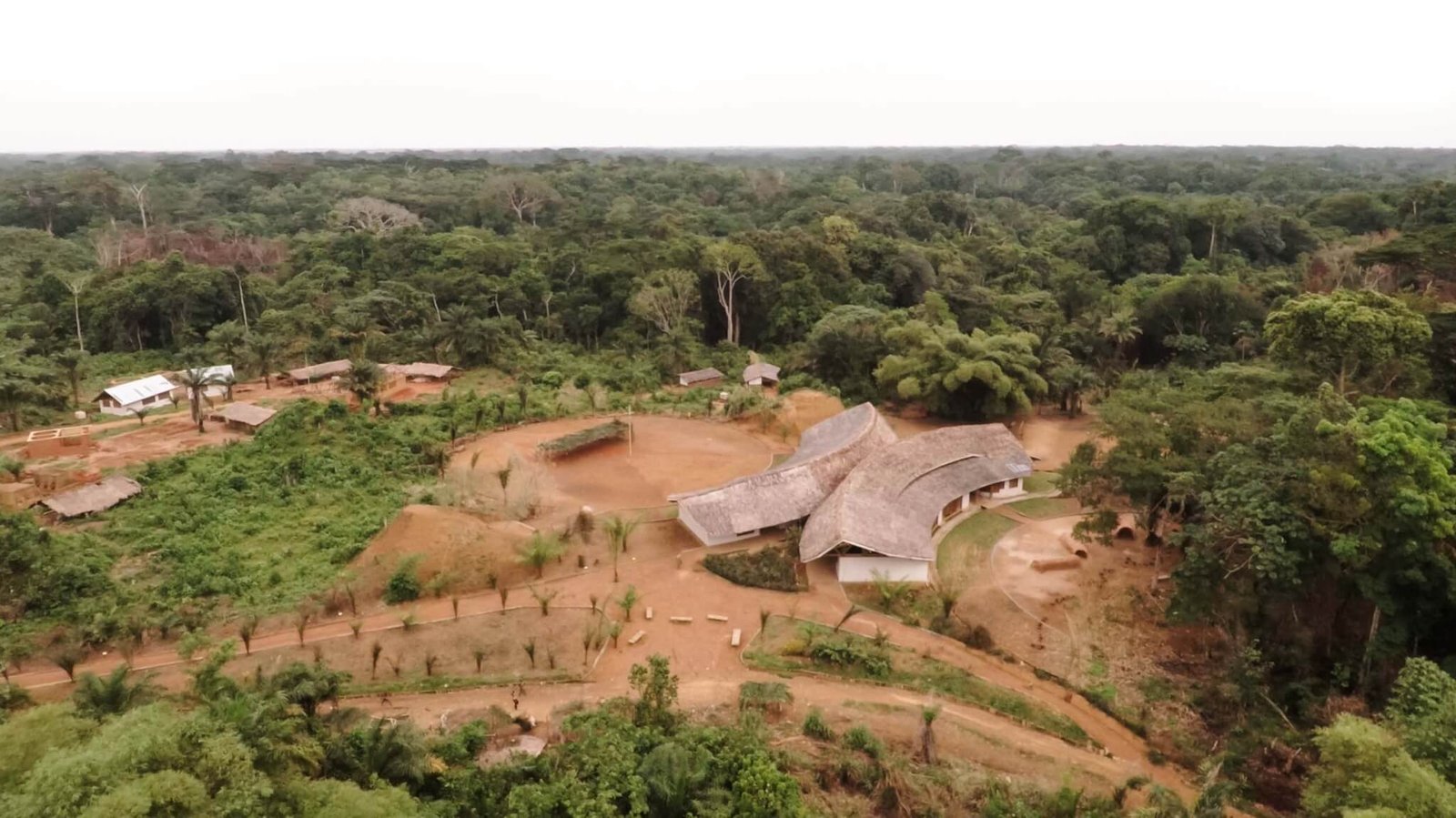
We learned these lessons from Indigenous practices when creating bio-based materials networks and supply chains for projects, including the Ilima Elementary School in the Democratic Republic of Congo and the Rwanda Institute for Conservation Agriculture in Rwanda (RICA). As an engineer and designer, it was eye-opening and energizing, to work alongside craftsmen and craftswomen, building authorities, other engineers, and standards boards. At the school, we learned that wood from the African padauk tree made durable roof shingles, protecting against termites and the tropical climate. At RICA, we learned how weavers use bamboo, sisal, and banana leaves to make furniture and interiors.
New Systems in Support of Bio-Based Materials
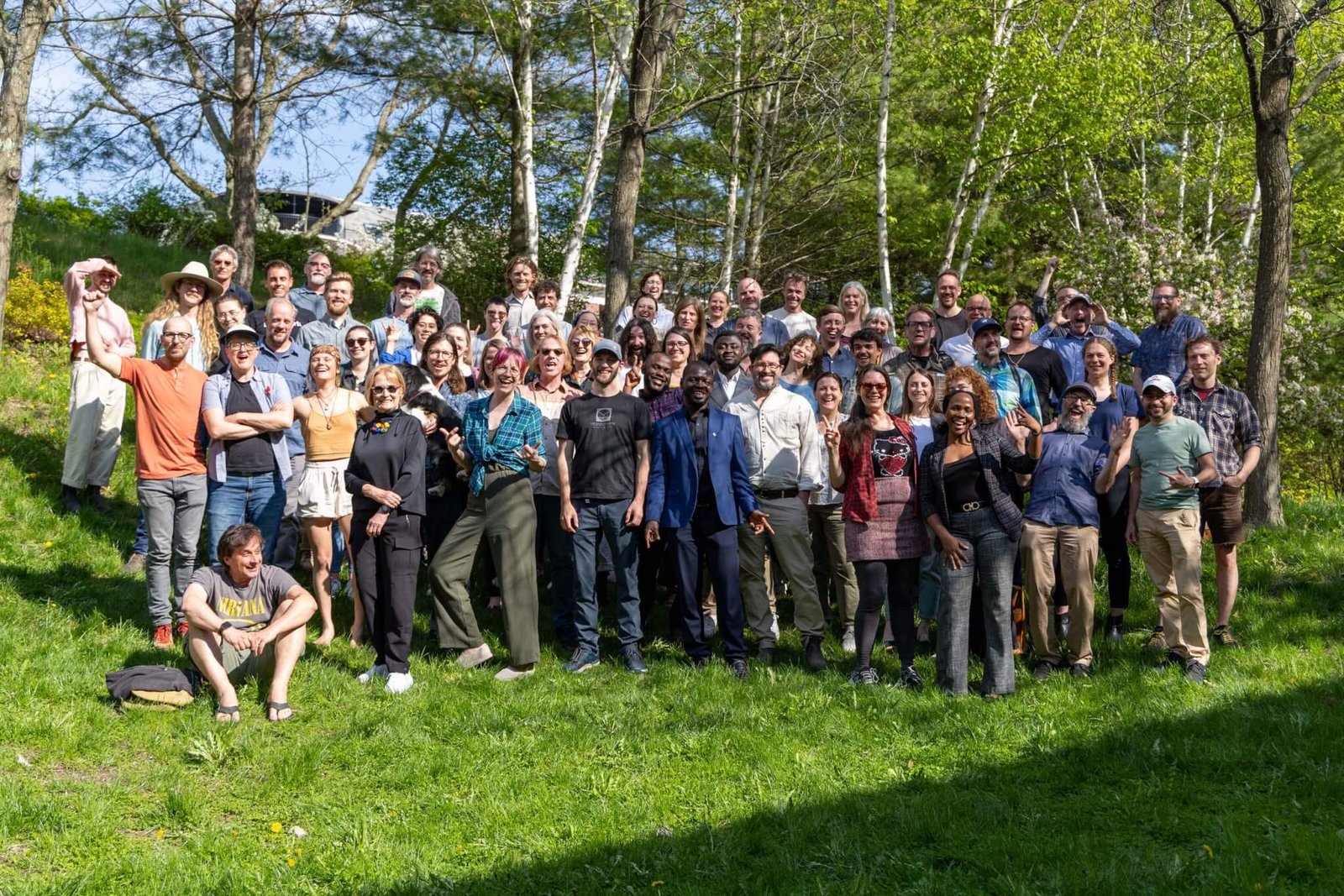
The difficulty finding locally crafted bio-based materials in the U.S. led MASS to establish the Bio-Based Materials Collective, a growing network of designers, manufacturers, farmers, foresters, regulators, financiers, and researchers working together to rethink how materials move through the American building system. What began as a small gathering of interested professionals in 2023 has grown to include more than 1,000 members across the U.S. and beyond. The interest reflects a growing awareness that building with bio-based materials is not a technical challenge, but a system challenge. The goal of the collective is to create a space where these disconnected actors can meet: designers can speak with farmers, foresters can collaborate with manufacturers, and regulators can engage with researchers.
System challenges are complex. Insurance companies may not understand new materials. Building codes lag behind innovation. Supply chains for regenerative materials don’t exist at scale. Financing structures favor conventional materials embedded in the market. No single discipline can solve these problems alone.
Building Materials Into Design Practice
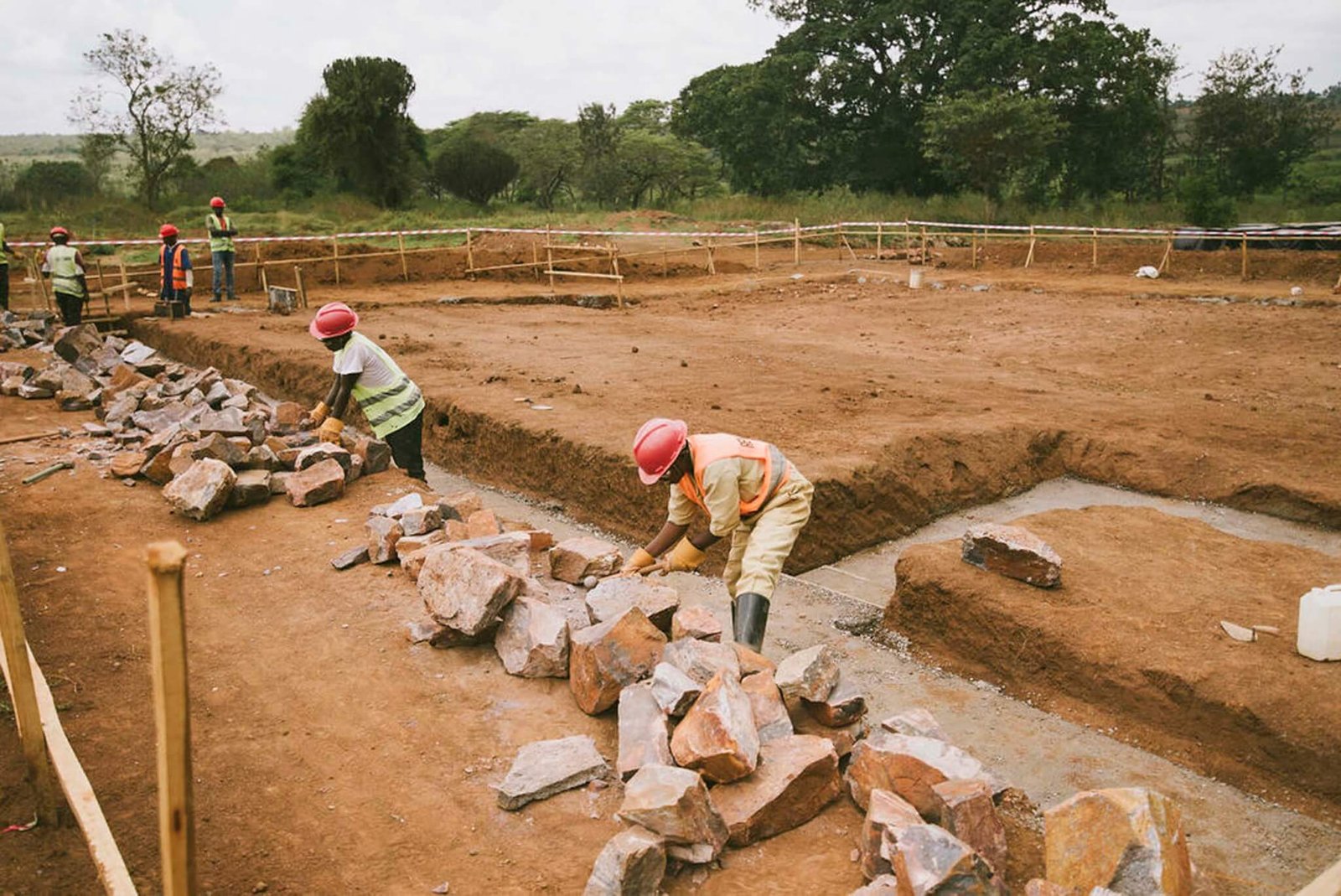
Mineral-based materials like stone, earth, and ceramics are complementary to bio-based materials with different strengths. Bio-based materials may never entirely replace concrete, the most consumed material in the world after water, but stone is a solid and sustainable substitute. At RICA, we built with mortared-stone foundations, reducing the substructure embodied carbon by 60 percent. The quartzite stone was quarried from within 10 miles of the site and was placed in an interlocking pattern to resist seismic forces. We highlight the lessons in a new book, Seeking Abundance.
If we are serious about climate action, rural economic development, and healthier landscapes, bio-based materials offer a path forward. Using them requires rebuilding supply chains and changing how the industry operates. Consider a project we are working on with the Northern Cheyenne Nation. The design uses eastern red cedar, a species that is aggressively spreading across the Great Plains as climate change alters ecosystems. The state is searching for commercial uses for the tree because it is overtaking grasslands. The tree is an ideal building material, however, using it costs more than purchasing conventional lumber. The price difference reveals the problem, which is not the material, but the system surrounding it. The current lumber industry grew over decades, where forestry practices were cultivated over generations.
Today’s construction economy rewards standardized industrial supply chains, while penalizing local and regenerative alternatives. Until those incentives change, the most sustainable materials will often appear to be the most expensive. Materials offer a tangible way to do that. When people encounter buildings made from local grasses, regional timber, or agricultural fibers, they begin to see the relationship between landscapes and architecture differently.
To help architects and designers navigate materials complexity, Model of Architecture Serving Society, Perkins&Will, and the collective developed the Bio- & Mineral-Based Materials Primer. The eight-chapter guide for North American practitioners outlines the ecological and cultural performance of bio-based materials, including straw, biochar and hemp.
At a moment when the economy feels uncertain and the construction industry faces growing pressures, from climate change to supply chain disruptions, joining a movement may be one of the most powerful ways to move forward. The future of building will not come from a single breakthrough material. It will come from a new system. That system is beginning to grow.
James Kitchin, a structural and civil engineer, is Model of Architecture Serving Society’s (MASS) Director of the Abundant Futures Design Lab. He cofounded the Bio-Based Materials Collective, which is hosting a summit in Poughkeepsie, New York, May 7–8, 2026.