
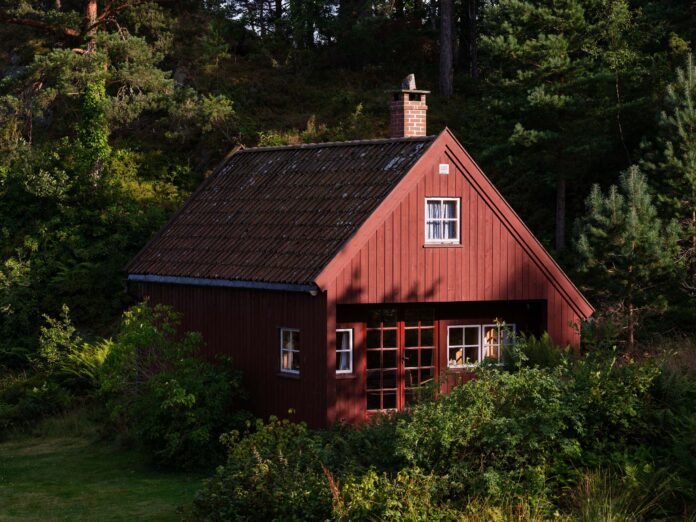

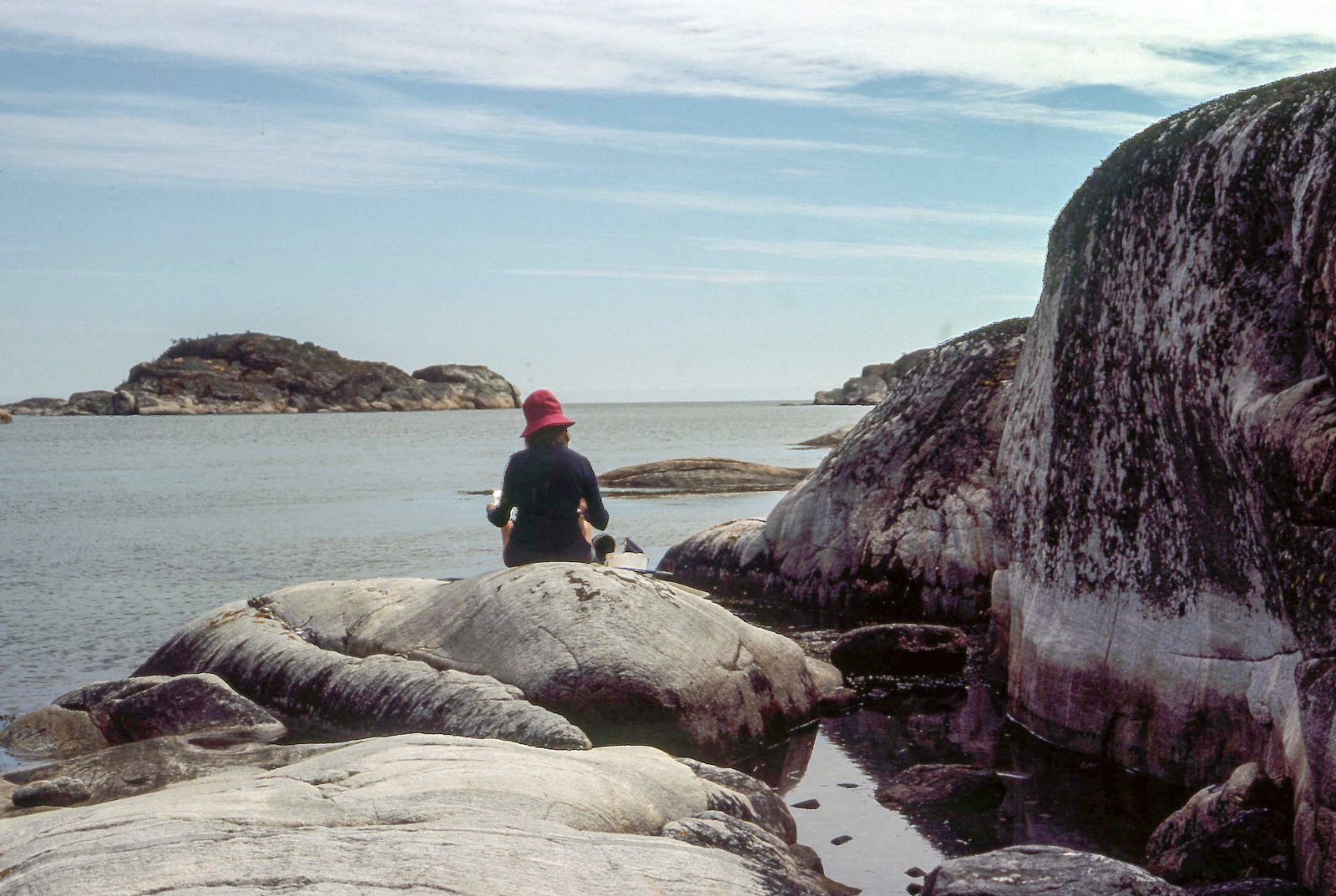
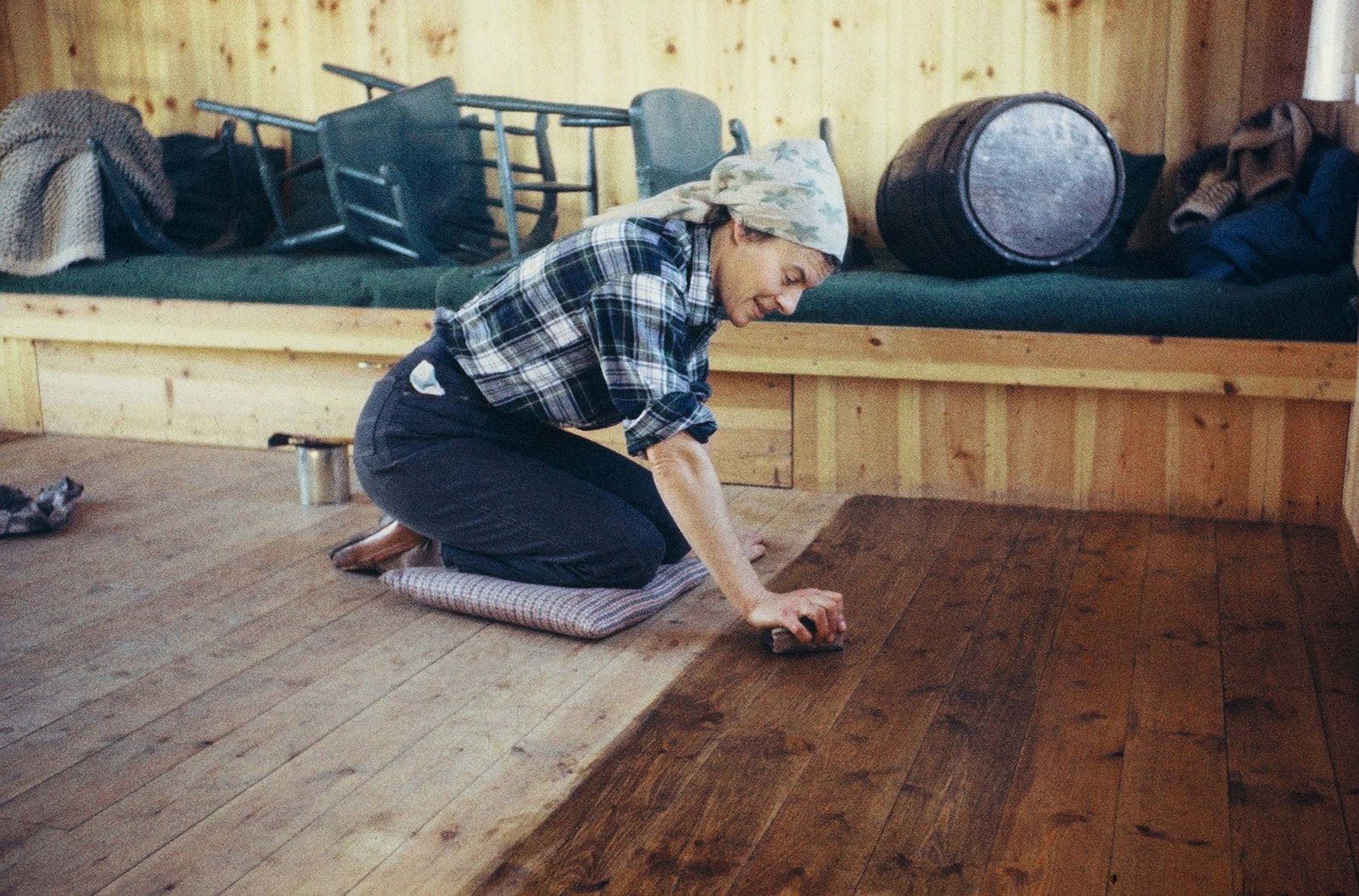
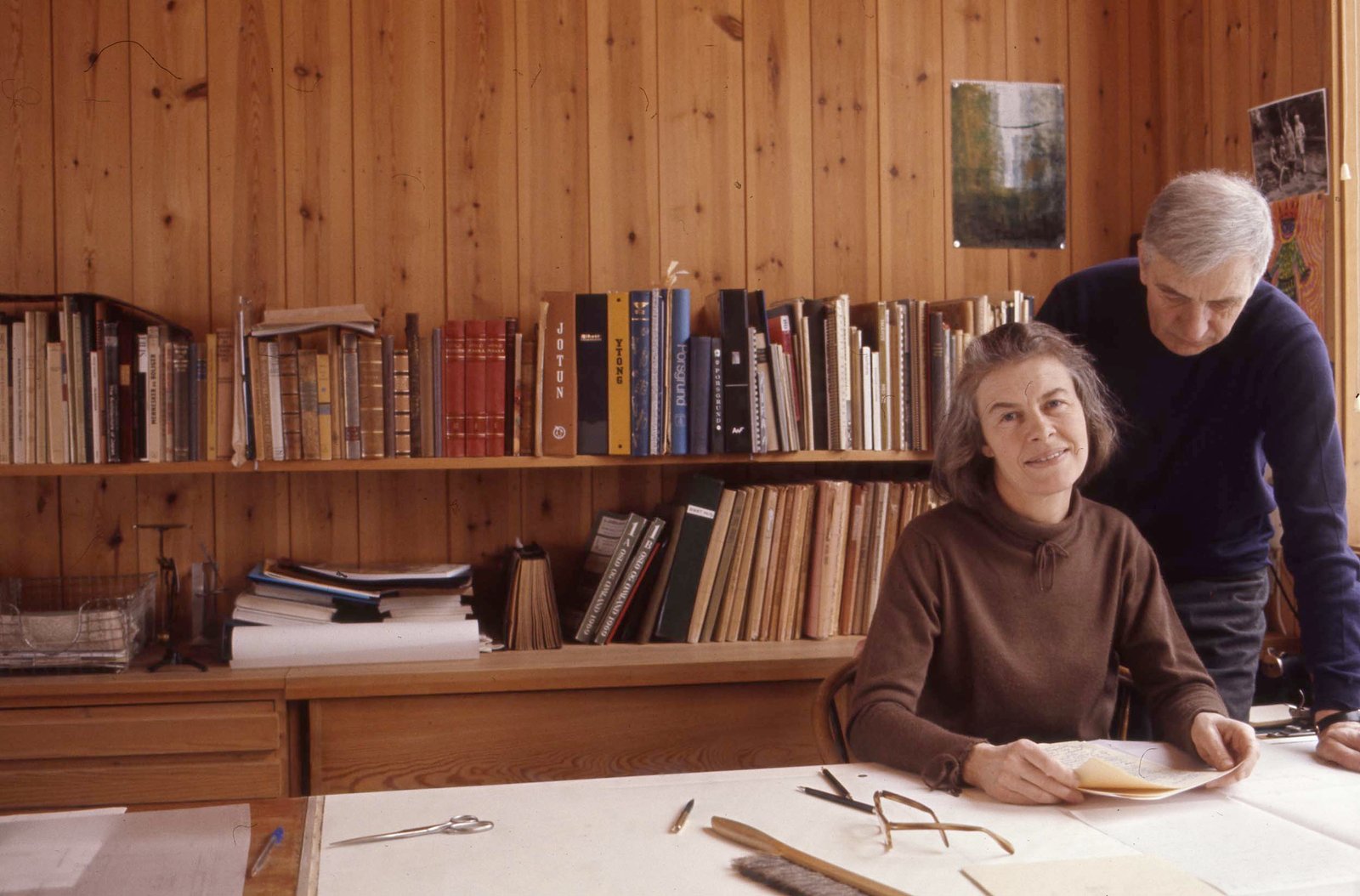

On a balmy summer night, on the shoreline of a small island in southern Norway, a woman is seen camping outside, taking notes on the direction of the wind. This rugged site will soon be built with a house, designed by this woman, one of the country’s leading female architects, Wenche Selmer.
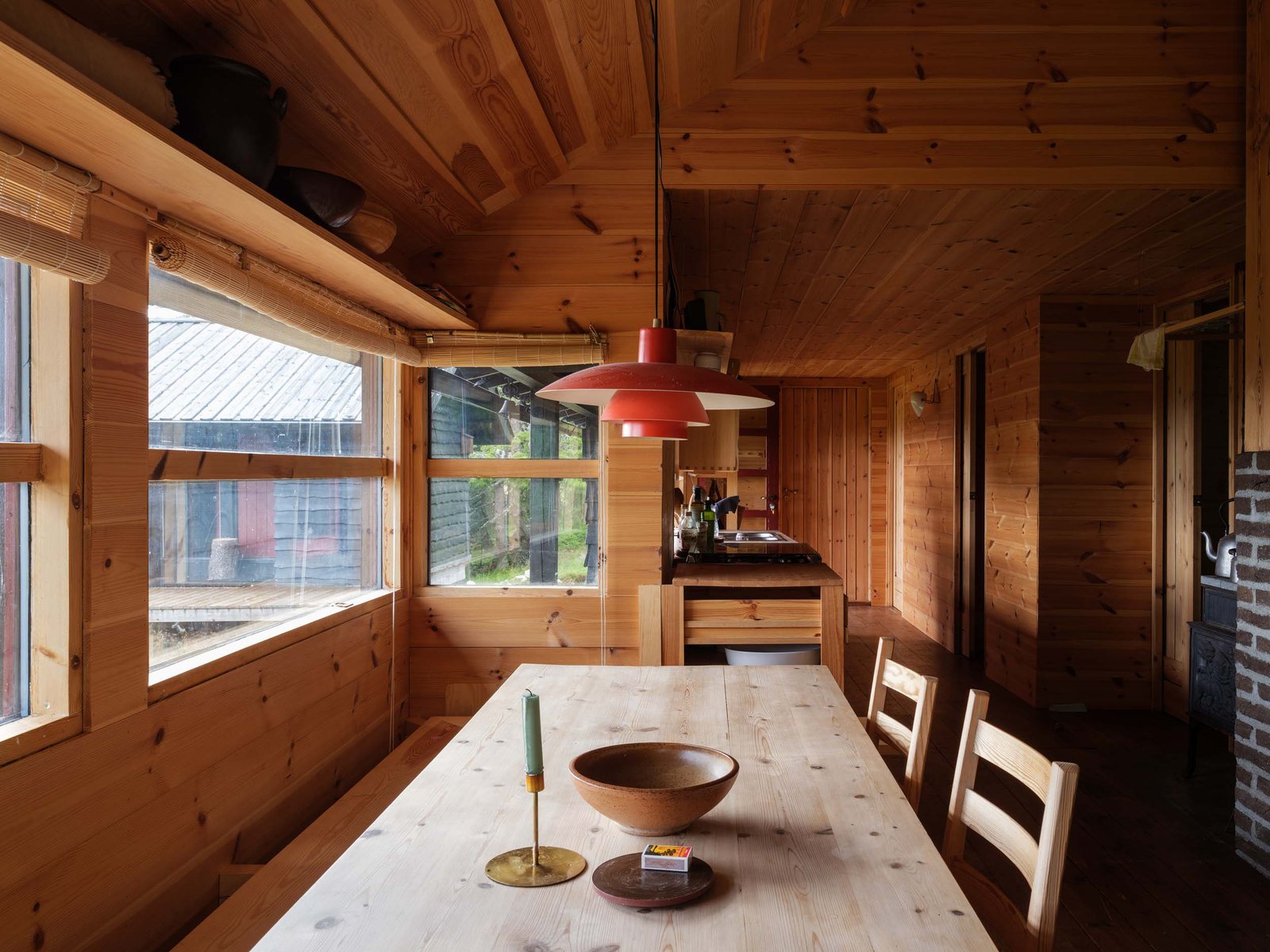
Wenche Selmer (1920–98) was one of the few women to gain prominence among Scandinavian architects in the 20th century. Deeply attuned to nature, Selmer often slept on the sites of her projects to understand factors like the quality of light of a setting sun or airflow. This collected data would then be incorporated into her designs, influencing where windows were placed for the best views or where a front door should be to avoid a chilly wind. Her portfolio comprises over 30 summerhouses or cabins, mostly on the southern coast of Norway, as well as numerous detached houses in Oslo. Selmer’s projects emphasize simplicity, oneness with nature, and a synthesis of modern architecture with Norway’s vernacular tradition of wooden cabins.
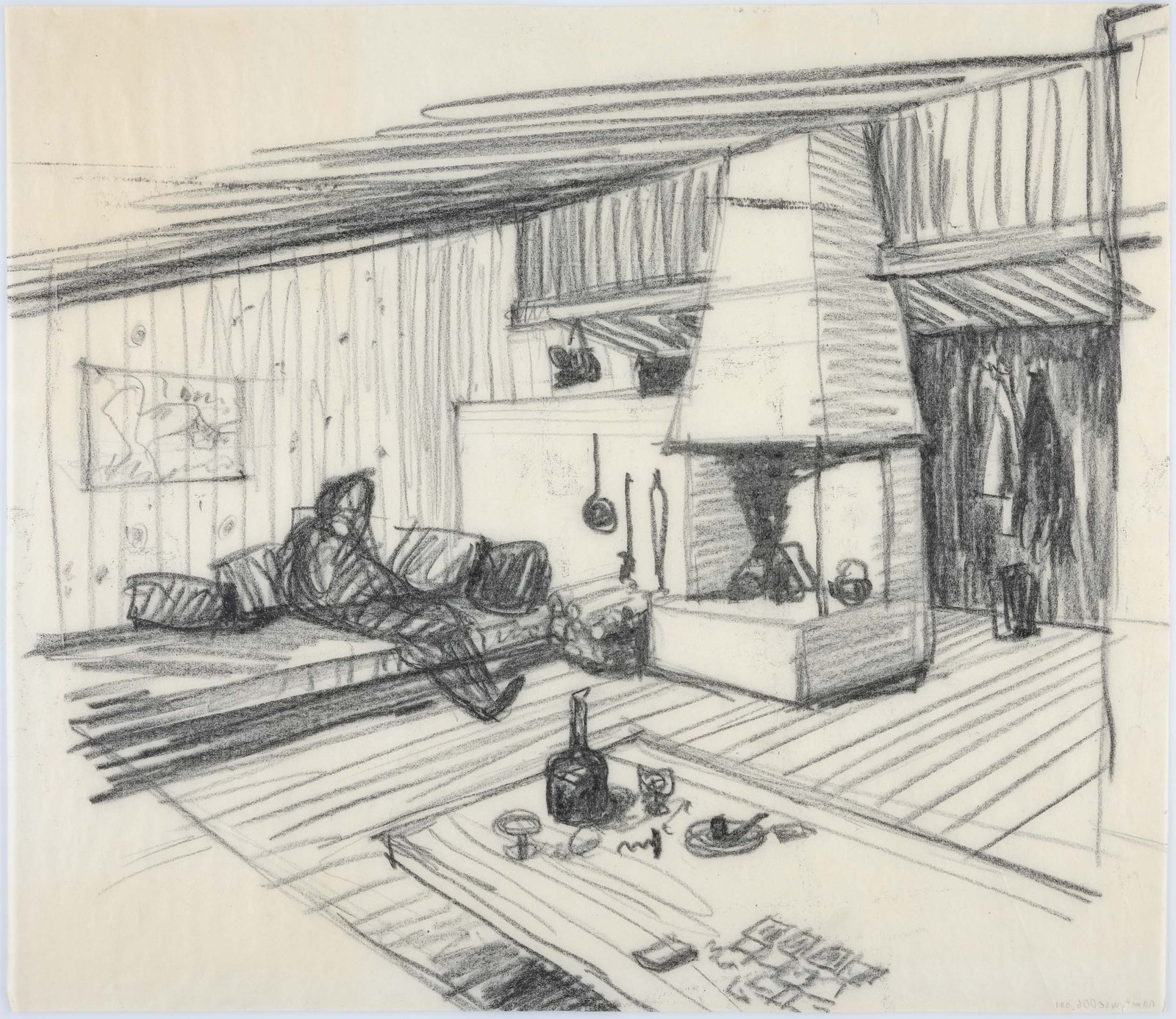
In May, a new exhibition at the National Museum in Oslo presents a selection of Selmer’s original drawings, personal items, and lecture notes from her time as a professor, as well as full-size building components. Wenche Selmer: What Can You Live Without, on view through October 4, 2026, is the museum’s first monographic series featuring a female architect. It is also the first retrospective of this scale on the architect.
Curated by Martin Braathen and Joakim Skajaa, the exhibition centers on her pedagogy and lectures from the 1970s to the 1990s, which explored her approach to creating modest houses embedded in nature. “The exhibition is framed through her lecture notes…the title ‘What can you live without?’ is the question she asked her students, her clients, and herself,” said Skajaa.
Her seasonal cabins fall within Norway’s hytte typology—second homes where Norwegians could escape urban life, embrace nature, and come together. Her work is in direct communication with how we build and how we live today and touches on modernism, vernacular architecture, local building materials, modest living, and being close to nature. She specialized in building rather compact holiday homes that, despite their small size and seasonality, are a good testing ground for understanding how simple a good life can be.
Person Life and Ethos
Born in 1920 in Paris to Norwegian parents, Selmer was an early widow who trained in Oslo during and just after World War II at the Norwegian National Academy of Craft and Art Industry (now the National College for Art & Design). There, she was deeply influenced by postwar scarcity. Selmer studied under eminent Norwegian architect Knut Knutsen, who had a profound impact on how she thought about vernacular forms, simplicity, and designing in harmony with the natural features of each site.
After graduating, Selmer spent a year training in Paris and apprenticed with and worked for architects in Oslo before starting her own architectural firm in 1954. Soon after, she married architect Jens Andreas Selmer, a Norwegian architect known for his extensive work in postwar reconstruction and housing. His projects ranged from cooperative housing blocks in Oslo to standardized homes in the north of the country and included revitalizing towns severely burned and destroyed by the Nazis during the Second World War. Across their careers, the two collaborated closely. Jens had a large architecture office, while Wenche completed most of her cabin designs at the kitchen table, mostly in small format rather than large drawings done on drafting tables. She never had an office, and worked mostly at home.
Selmer’s architectural legacy is closely intertwined with that of Jens. Their collaboration proved fruitful, and many drawings have been signed by both. And yet, the museum made the exhibition solely about Selmer rather than the two of them, to reframe the narrative of her work.
“He [Jens] brings the concept of architectural copies or serial production into Wenche’s house designs, with projects that are very site specific but also don’t mind being a copy with repeated design elements,” Skajaa said. “Wenche was not afraid of something being duplicated, but very, very concerned about how it would be situated on the site: It’s the same house, but if it fits right with its landscape, then it’s OK. This makes her very unique, and many other architects would not normally do that.”
From 1976 to 1987, Selmer would go on to teach at the Oslo School of Architecture and Design. All of these personal and historical contexts informed the small-format, domestic nature of her drawings, as shown in the exhibition.
Hidden in the Details
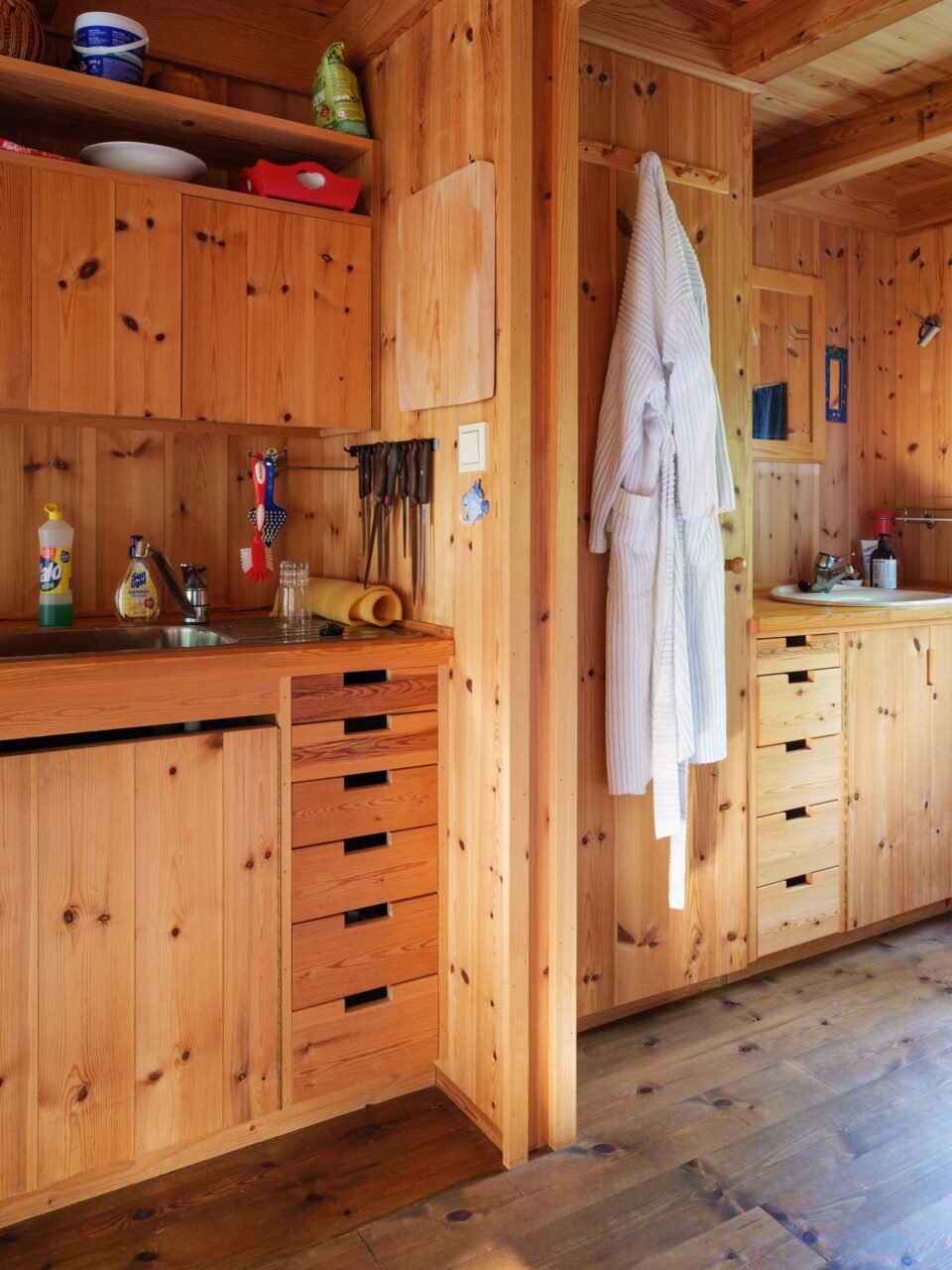
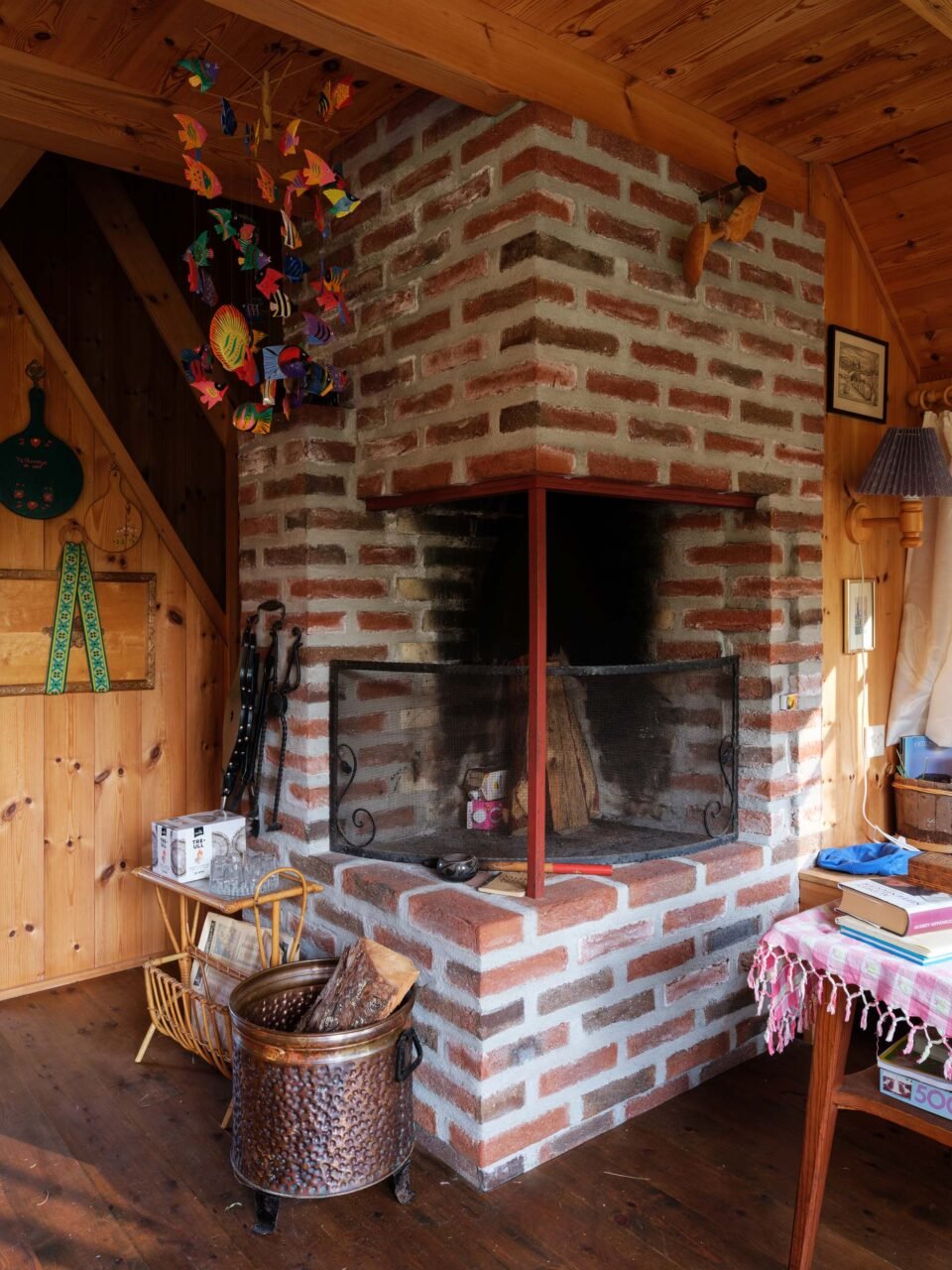
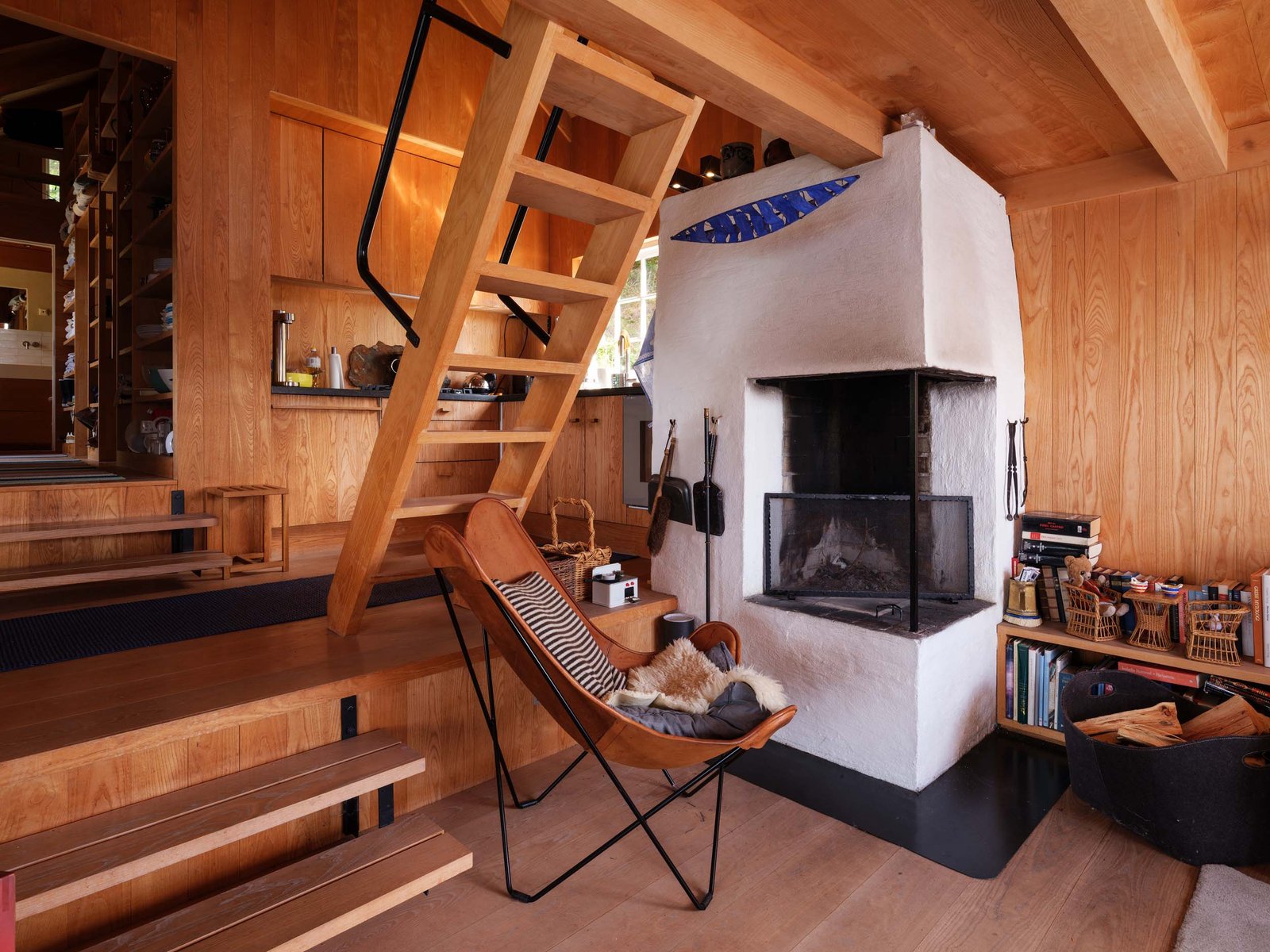
Selmer’s philosophy embodied her belief that a rich life is found in simple means and small details, like the placement of a window to create a view of a lake or fjord or the exact height of a fireplace. “In her cabins, there are always many different places to sit, based on the weather and wind conditions,” explained Skajaa. “She was really good at not just making spaces flow, but thinking about how they will use the home, how it will work, and many different situations. She had a natural sensibility to life.”
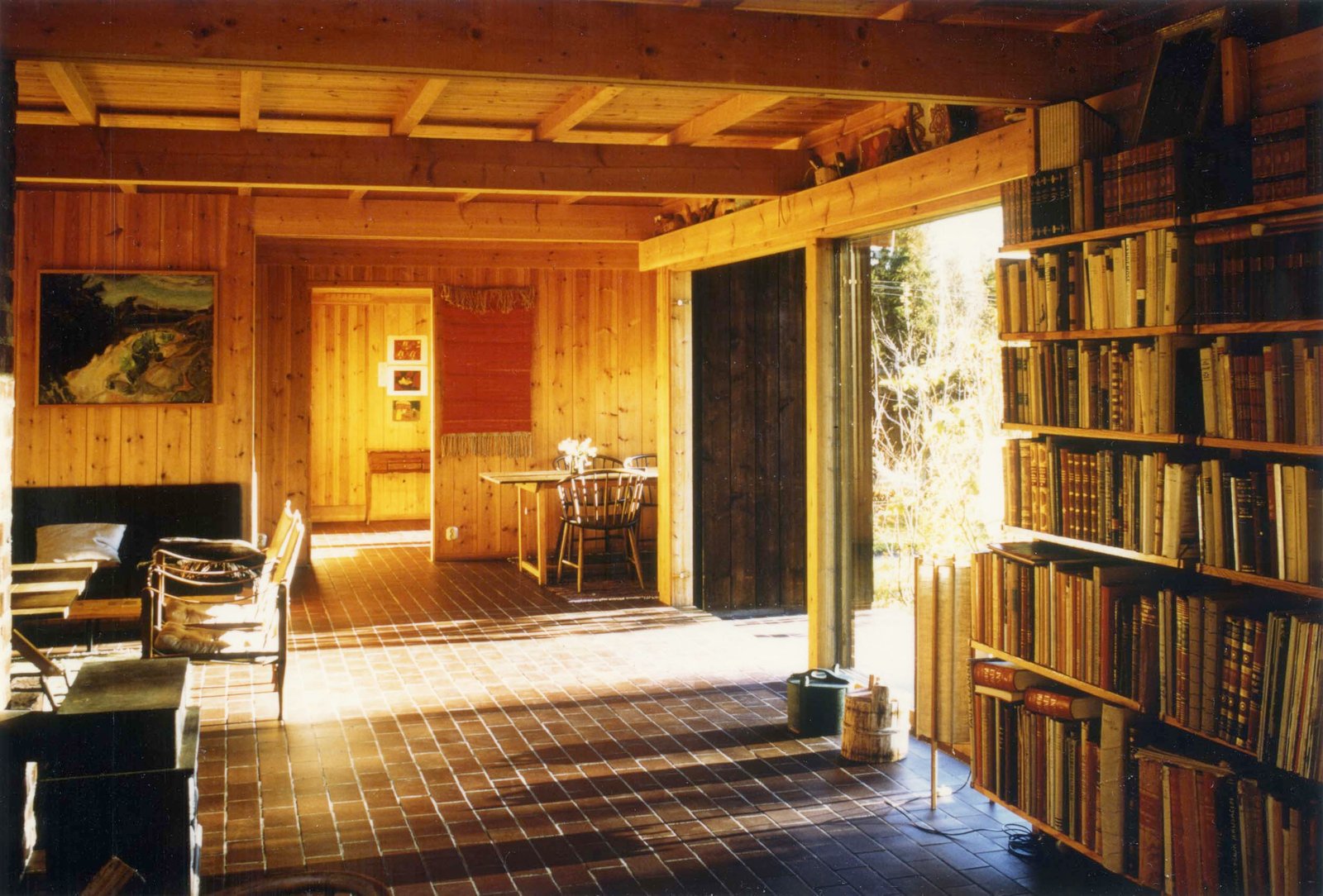
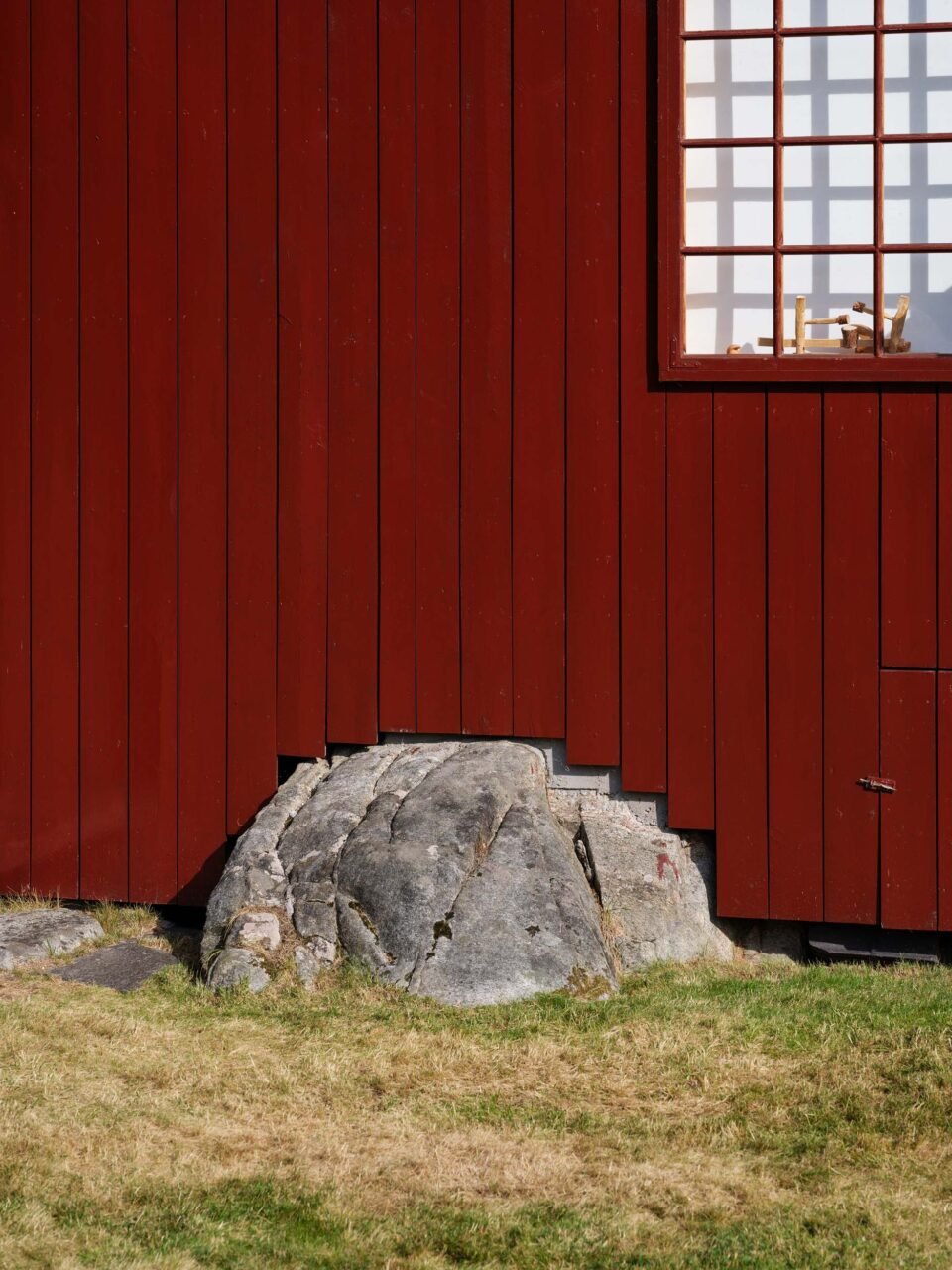
It may seem remarkable that during the postwar period, in which modernism was the prevailing ideal, a renowned Oslo architect designed houses that were a tribute to wooden cabins and tradition. However, Selmer developed projects with distinctly modern elements, including flat roofs and large sliding doors. Across her works, the architectural attitude remains the same: The buildings are designed with utmost care and in an intimate relationship with the terrain. She avoided blasting rocks and cutting trees, going so far as to design around natural features to avoid disturbing the site.
Characteristic design details by Selmer include generous entrances with storage for shoes, jackets, and gear. In many of Selmer’s cabins, the entry room is designed like a mudroom—a so-called vindfang—and is meant to “catch the wind,” with two doors between the outside and the living spaces inside to prevent drafts from impacting indoor living. Other details are large fireplaces next to communal kitchen tables, multiple sliding doors, and planned seating to support varied indoor–outdoor use, entry areas with large windows to the outside, ceramic tile or slate on the floor, wardrobes for coats, hats, and shoes, and cupboards built into the walls to define the spaces. These principles contribute to the effect of spaciousness and spatial harmony, despite the projects’ being compact. Her commissions involved small houses with limited budgets, and for this reason, she was especially attentive to spatial coherence.
Selmer’s resurgence at the National Museum seeks to reclaim her missing narrative, and it is part of a broader movement to bring women architects back into the conversation. As a hidden figure of 20th-century architecture, her cabin designs and lectures during her professorship are an integral piece of the puzzle of Scandinavian architecture and living. Her work offers profound lessons, ranging from spatial efficiency of living as a family in modest houses to larger debates about the climate crisis we face today, anticipating the current need for environmental empathy.