

During the pandemic, virtual exhibitions made it easier to access art and architecture shows remotely, from our computers, and phones. In 2020, the Cooper Union’s End of Year Show was adapted to a digital format, designed by Farzin Lotfi-Jam and Steven Hillyer.
Earlier examples of virtual exhibition design include “Virtual Guggenheim” by Asymptote Architects, launched in 1999. Google Arts & Culture’s robust database guides virtual visitors through historic galleries to view art and other objects.
Now, Pritzker Prize–winning architect Diébédo Francis Kéré is dabbling in the medium. The Burkinabé-German architect has designed the Virtual Museum of Stolen Cultural Objects for UNESCO.
The digitized institution is programmed with raising awareness about the illicit trafficking of cultural property. It is in response to UNESCO’s 1970 Convention, which called upon UN member states to repatriate looted artworks.
The Virtual Museum of Stolen Cultural Objects contains 600 stolen and missing cultural objects from over 50 countries. The Kingdom of Saudi Arabia financed the project, and the artworks themselves were sourced from an Interpol database.
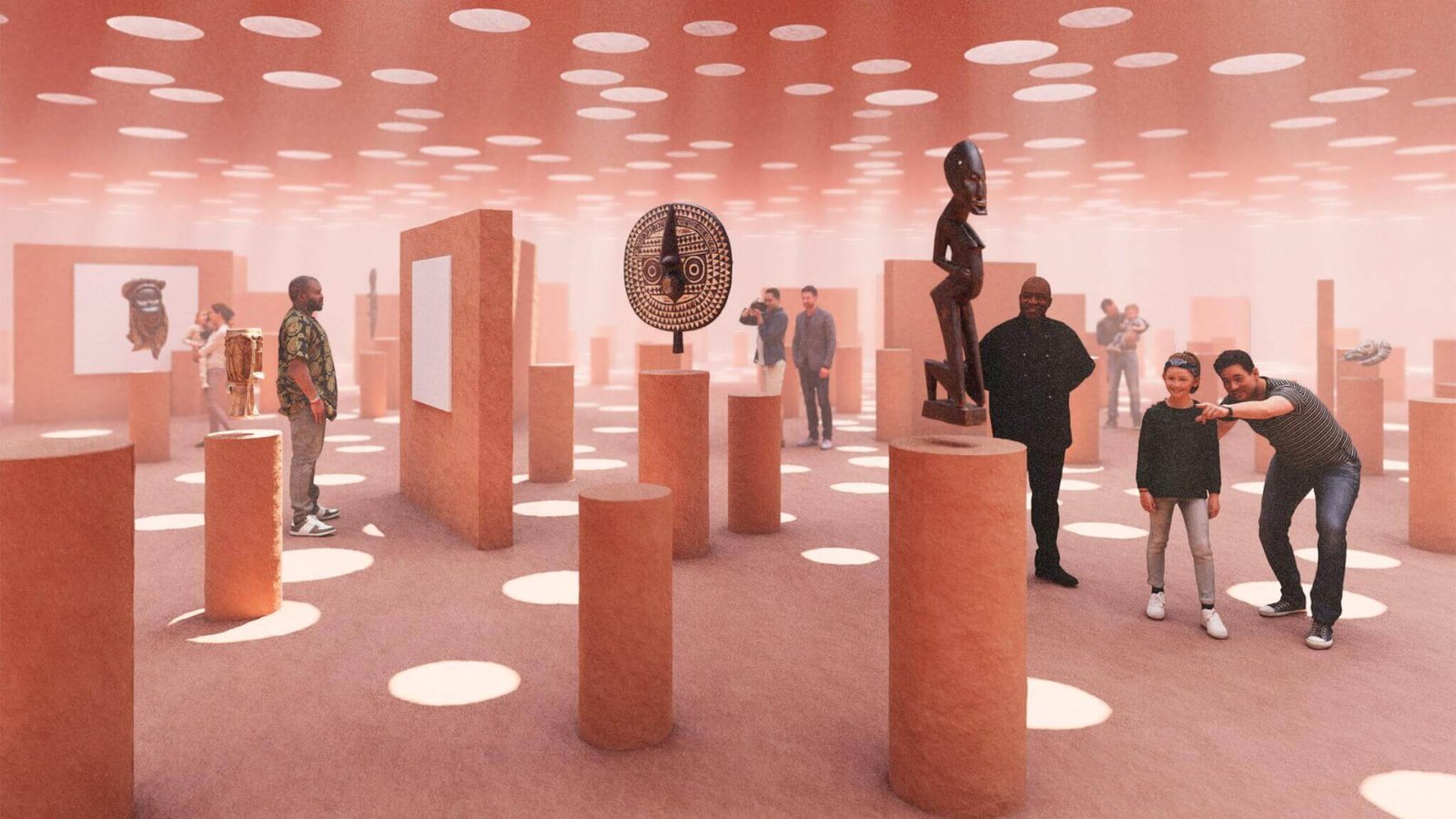
Among the works on view are a bronze Buddha statue made during China’s Ming Dynasty, a Syrian gold pendant stolen from the Palmyra Museum, and a trilobite fossil repatriated to Morocco by Chilean customs last year.
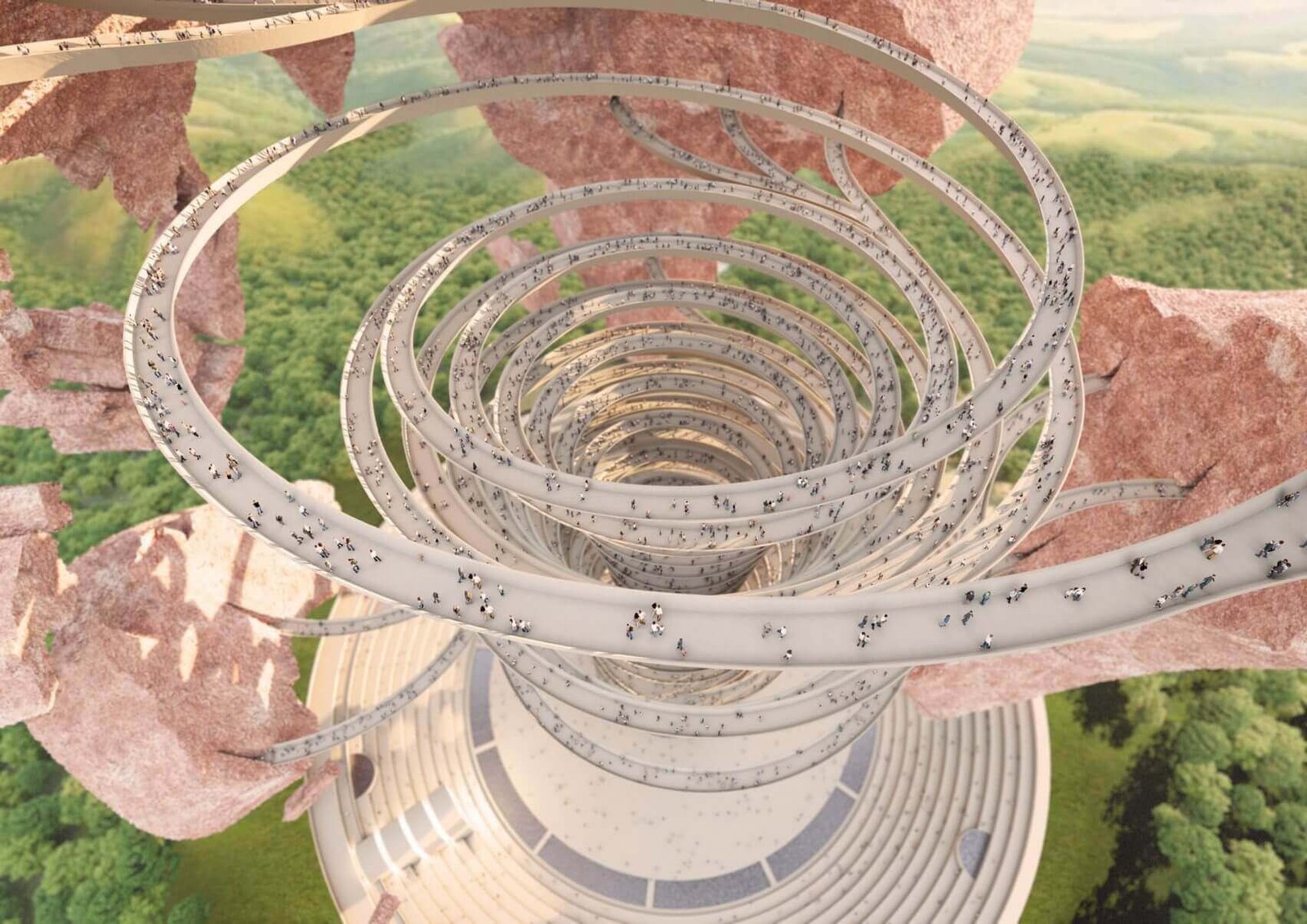
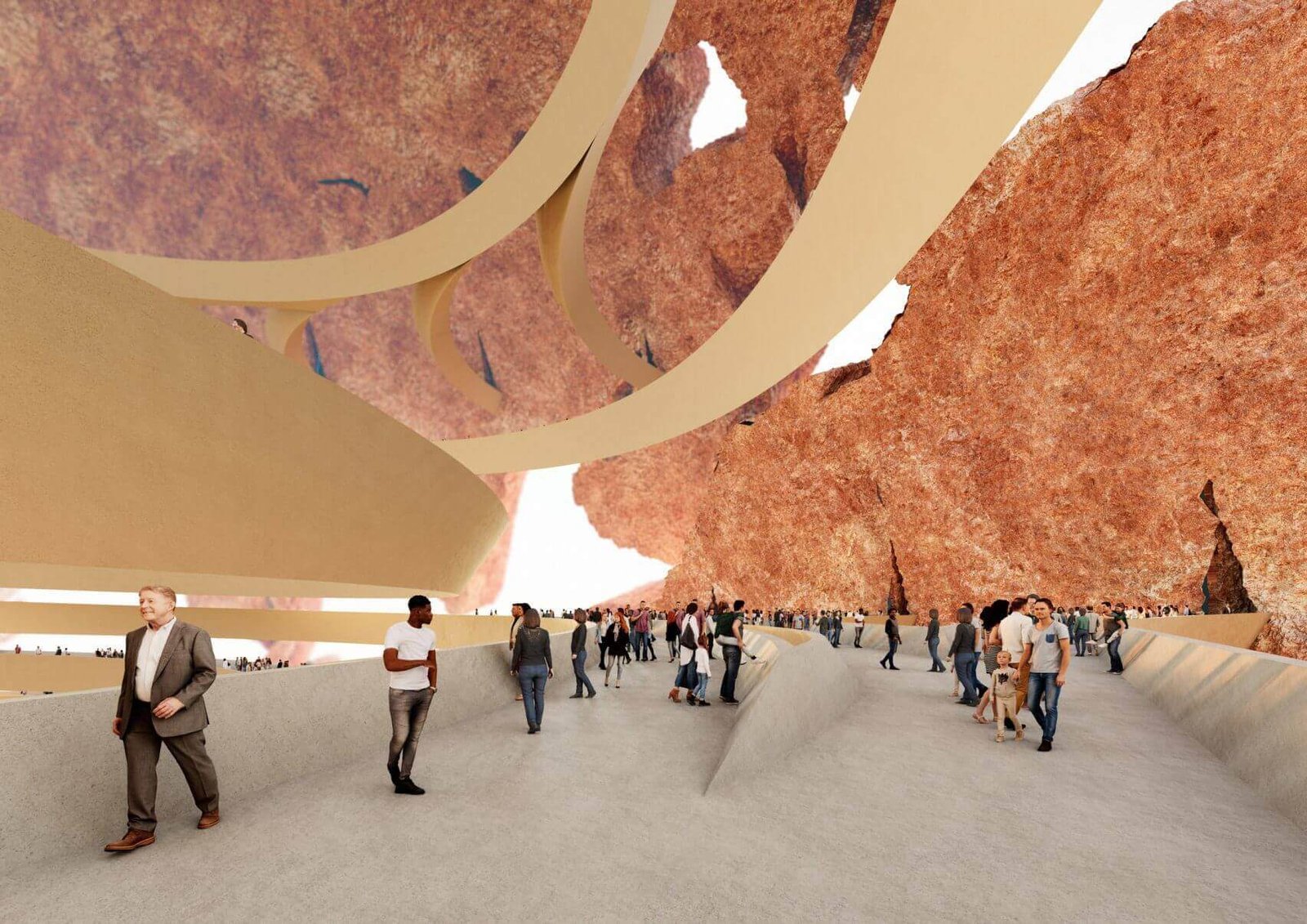
Kéré’s helical, experiential design evokes Frank Lloyd Wright’s Guggenheim Museum, in that visitors (via the click of a mouse or tap of a screen) ascend a gently sloped walkway to observe the objects on display.
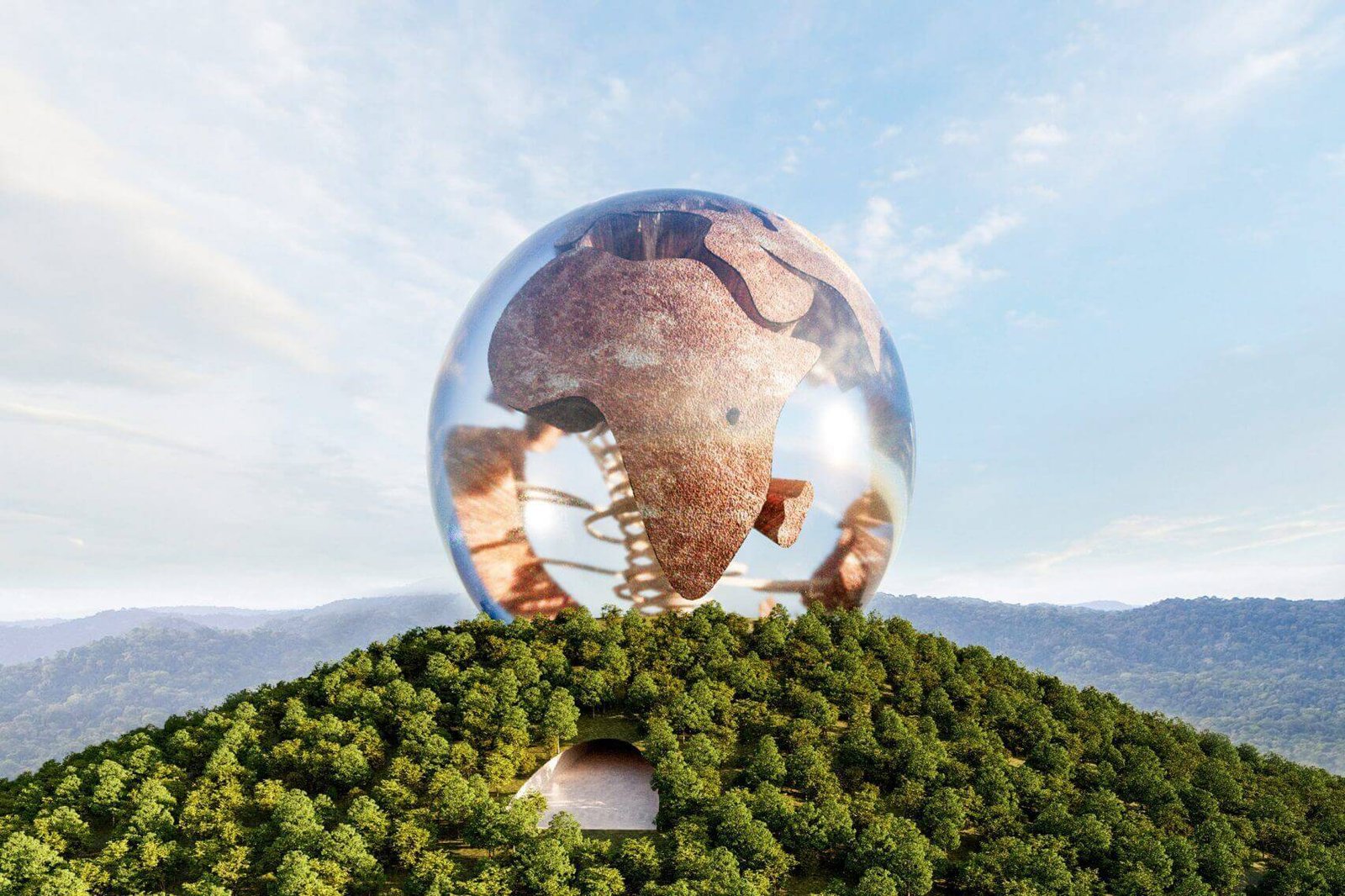
The spiraling staircase is contained within a massive globe, that sits on a computer-generated hillside. In gallery spaces, objects such as statues and masks float atop cylindrical plinths, while other pieces are hung on rectangular partitions.
“The concept for the design of UNESCO’s Virtual Museum is based on a tree, specifically the baobab tree, which is central to the lives of many African communities and serves as a symbol of resilience,” Kéré told Dezeen, in describing the inspiration.
“While this virtual exhibition won’t make up for the physical lack of these artworks, it will at least restore fundamental access to them and help strengthen advocacy for their return,” said UNESCO Director General Audrey Azoulay after the museum was presented to the public in September in Barcelona.
“It’s about imagining a museum in a way that’s never been done before, where the presentation of each artwork is a deep dive into its universe, into the cultural and social movements from which it was born,” Azoulay continued.