


Construction broke ground on a new home for the Montreal Afro-Canadian Cultural Centre (CCAM) in downtown Montreal, Canada.
Studio of Contemporary Architecture (SOCA), an award-winning, Black-led Toronto office, is the architect. FABG Architectes, a Montreal office, is also on the project team.
CCAM’s flagship dedicated to artistic expression and intercultural exchange will be located within the former École des beaux-arts de Montréal, completed in 1922 and designed by Quebec architects Jean Omer Marchand and Ernest Cormier.
The 45,000-square-foot center will host a performing arts venue, gallery space, and archives for the CCAM, founded in 2021 by Allen Alexandre to promote the history, art, and culture of Black Canadians.
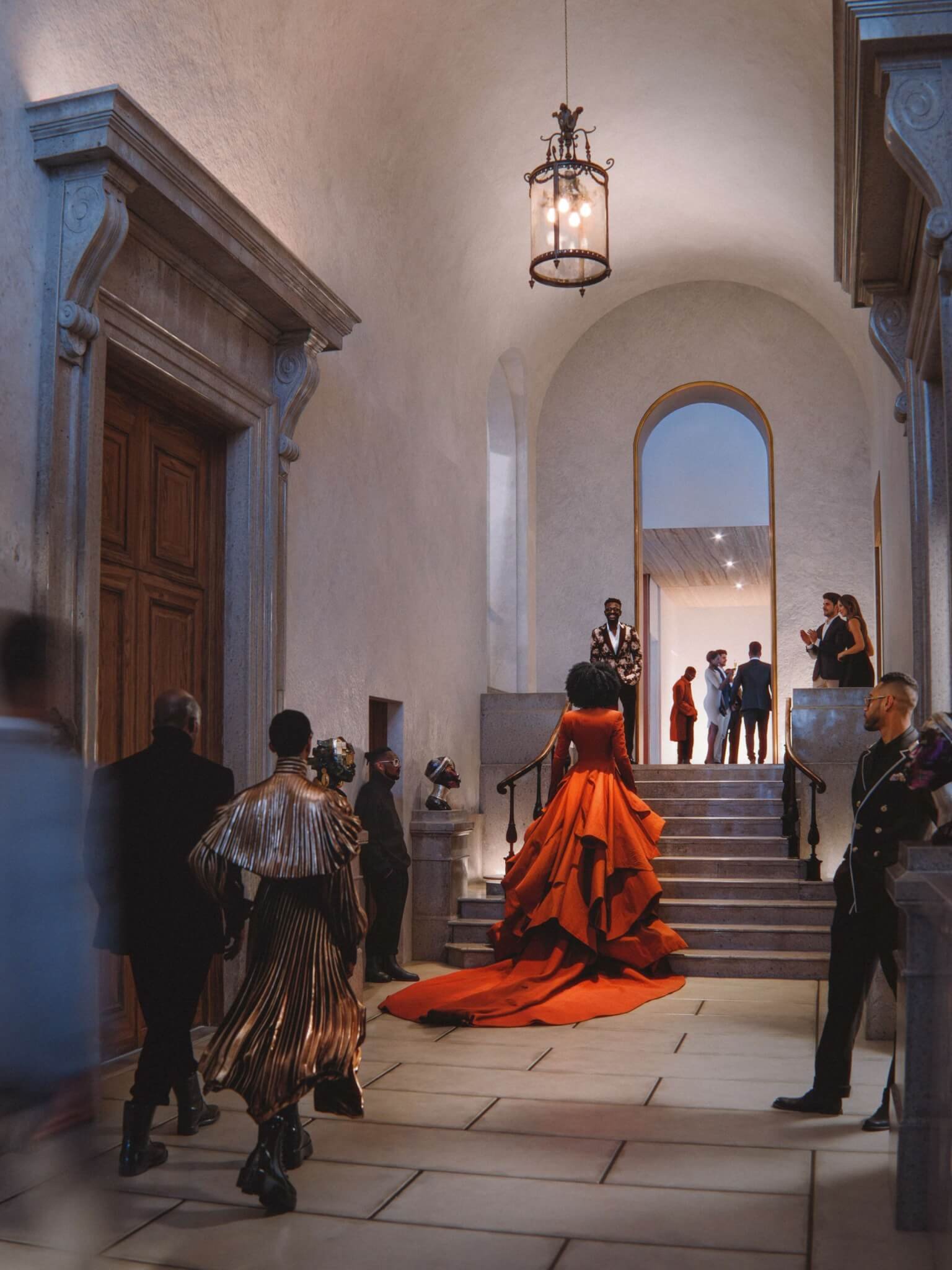
SOCA and FABG are committed to preserving key aspects of the original Beaux-Arts structure while adapting it so it can perform for modern institutional needs. The design team is aimed at achieving zero-carbon building certification.
The renovation will deliver a new performance hall, at the rear of the building, with capacity for 220 visitors. There will also be a new public space in the form of a signature pavilion.
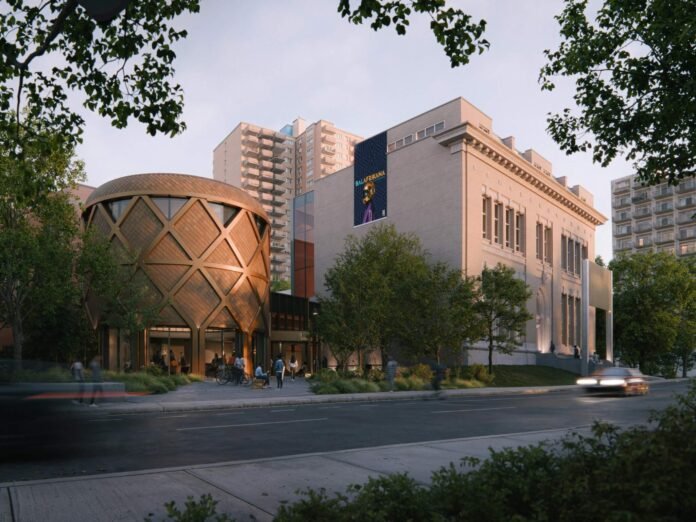
Renderings show the exterior of the École des beaux-arts de Montréal intact.
The new pavilion will take shape in the form of a drum with an exoskeleton designed by SOCA and FABG Architects, attached to the historic 1922 building by Marchand and Cormier.
The ground floor of the addition will be transparent, to invite the public in.
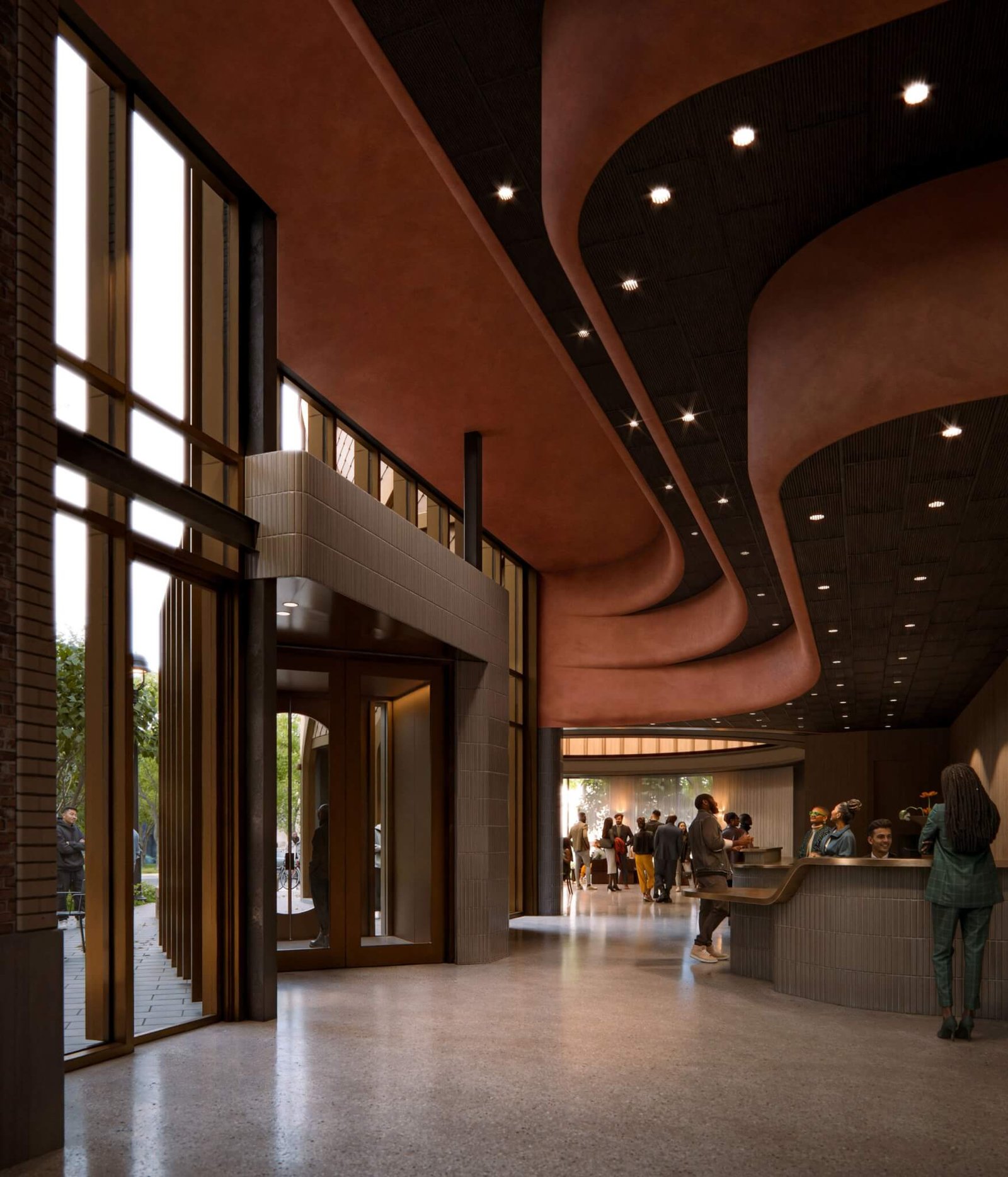
Visitors will access the performing arts space through a light-filled atrium, topped by a lighting soffit shaped like a ribbon. Gallery spaces will be washed in natural light thanks to clerestories.
Project capital came from a mix of public and private sources. The Canadian government’s Green and Inclusive Community Buildings Program allocated almost $14 million in federal funding.
After renovation work completes the CCAM will become “Canada’s largest center dedicated to the preservation, promotion, and dissemination of the cultural heritage of Black communities.”