

Leporinus
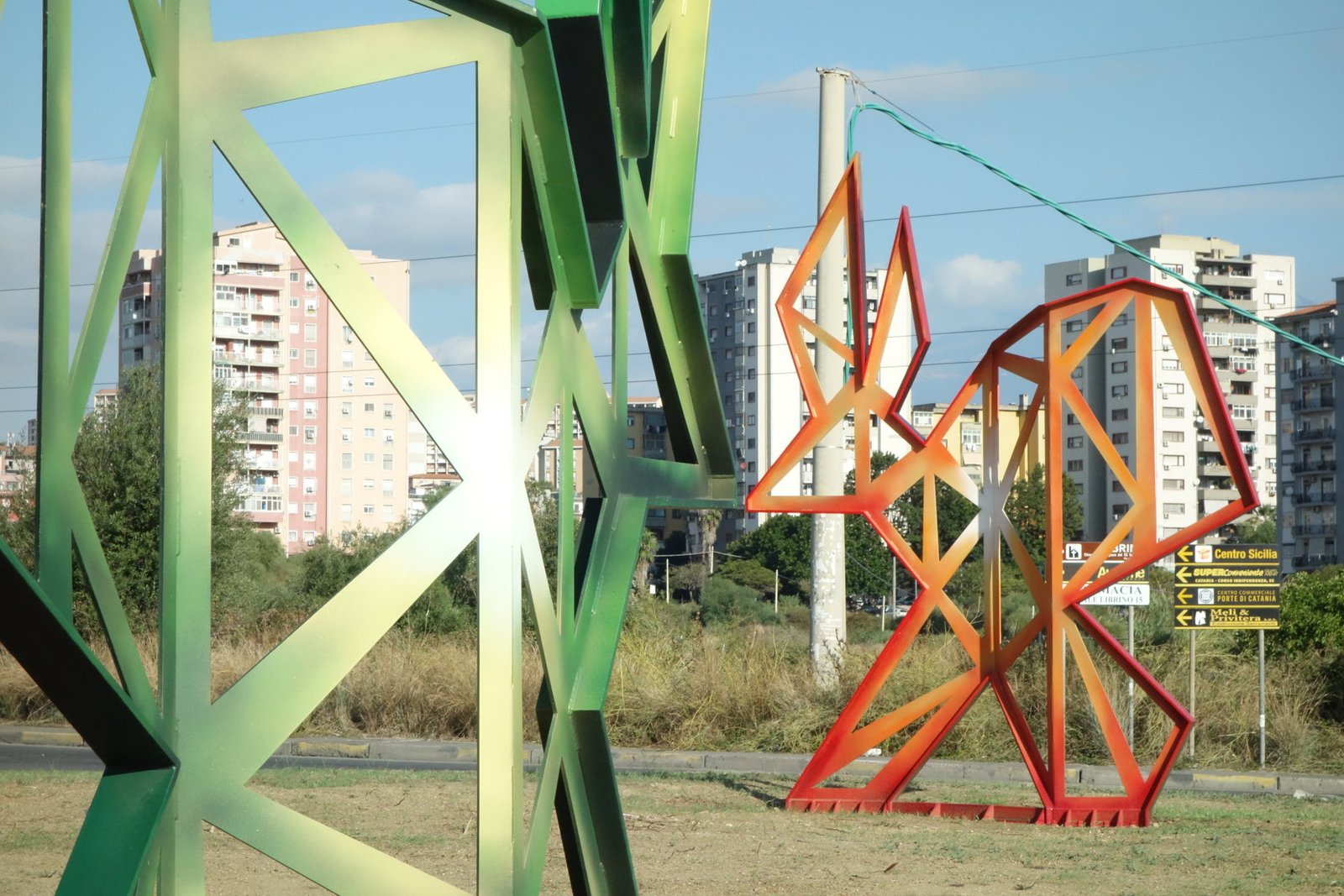
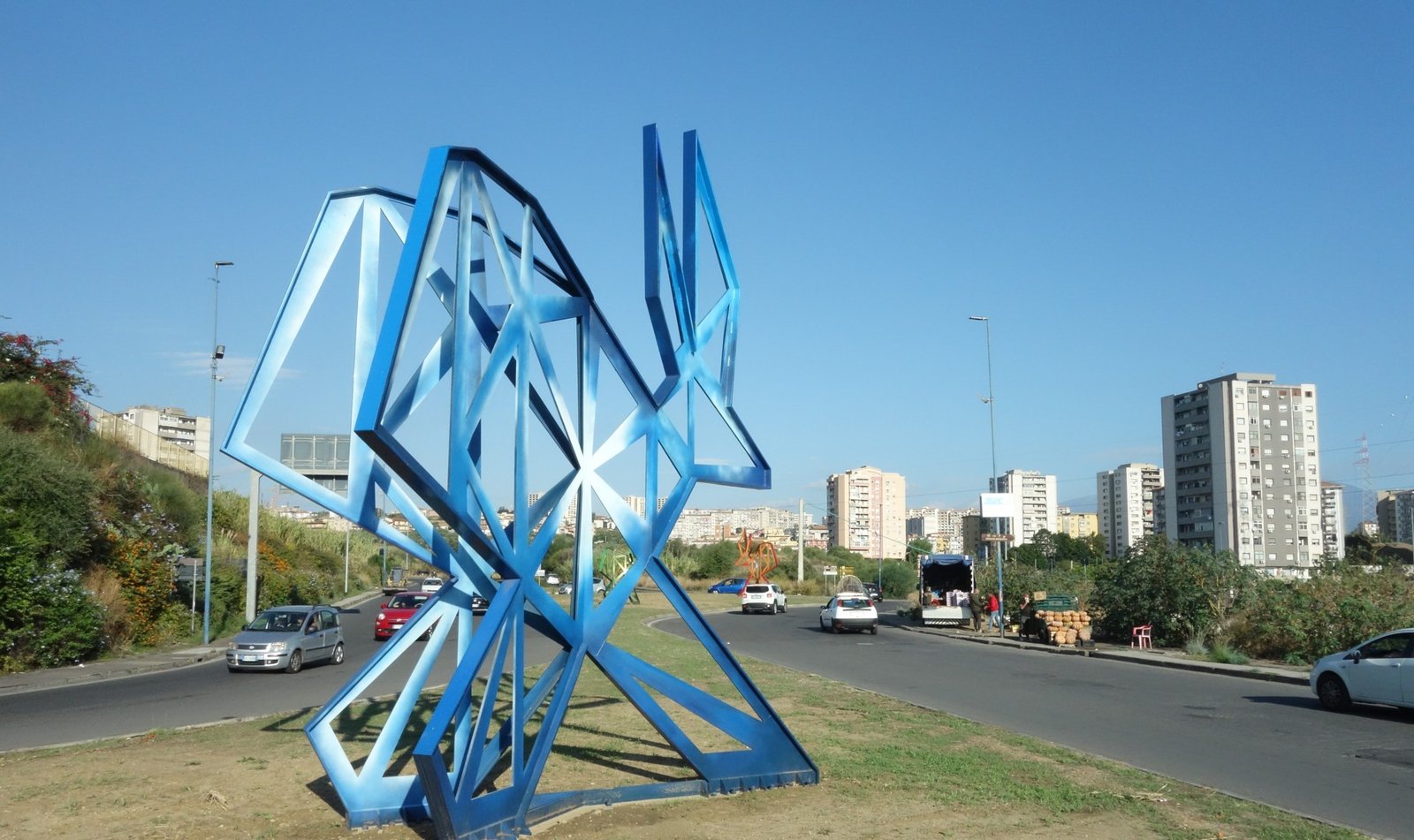
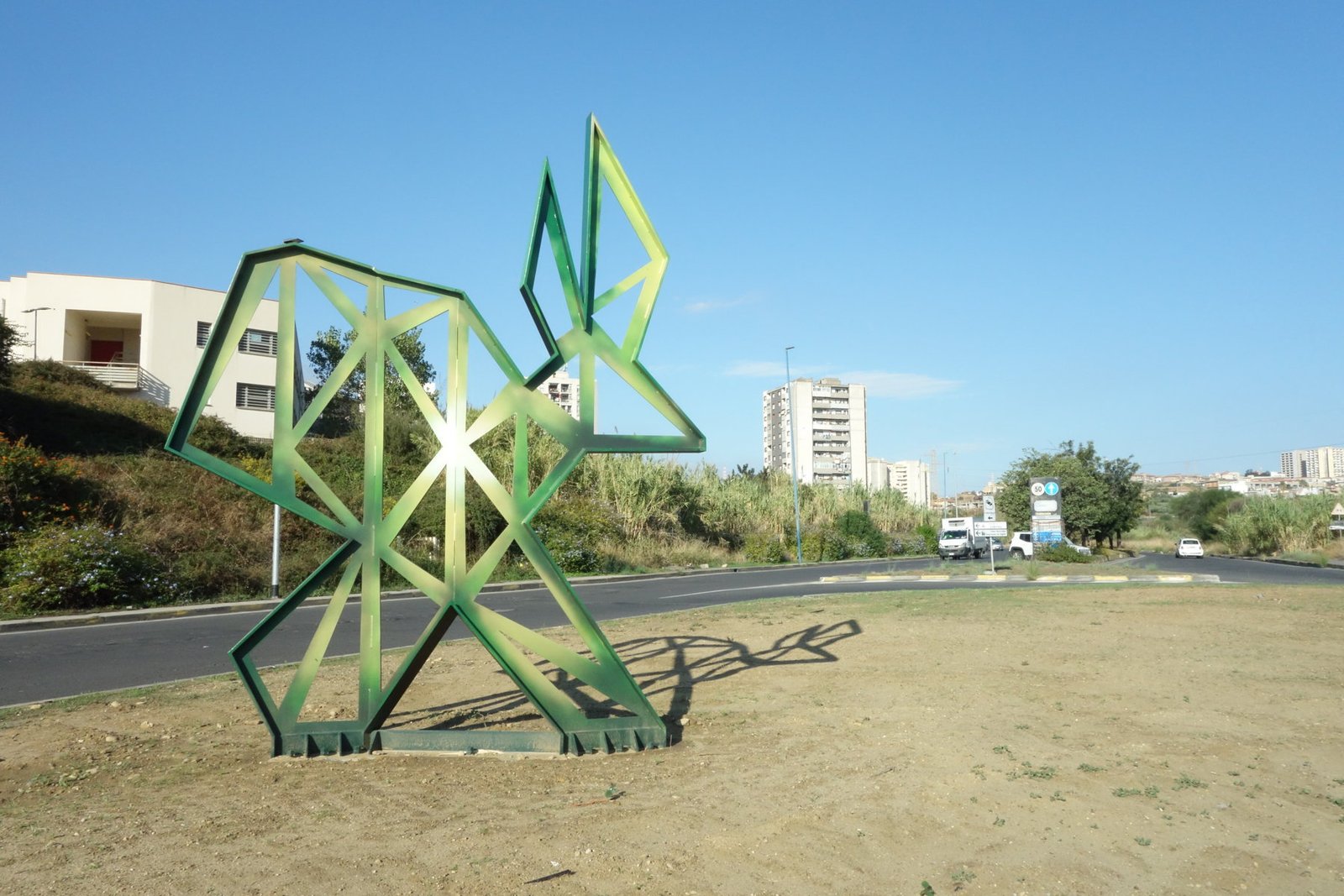
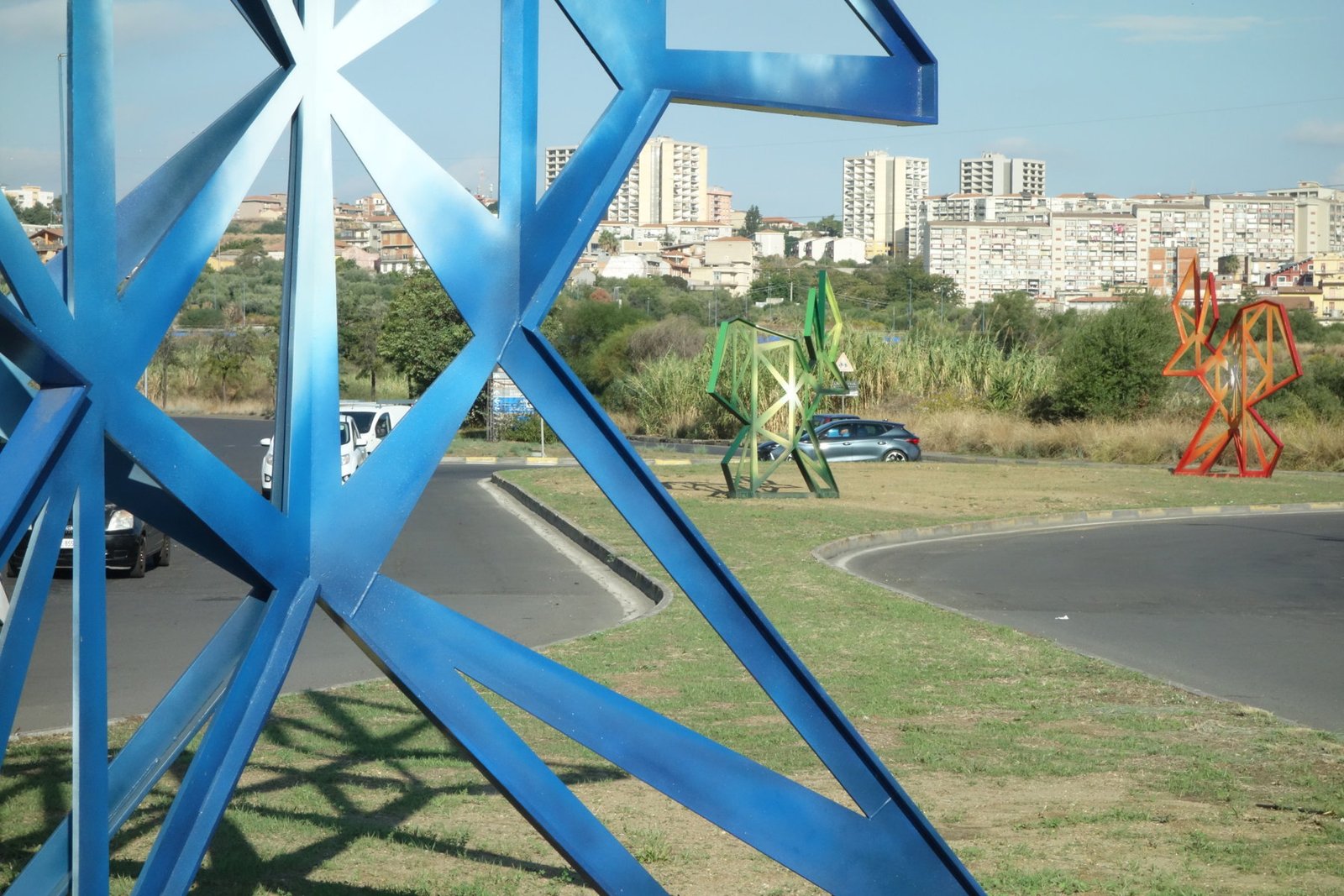
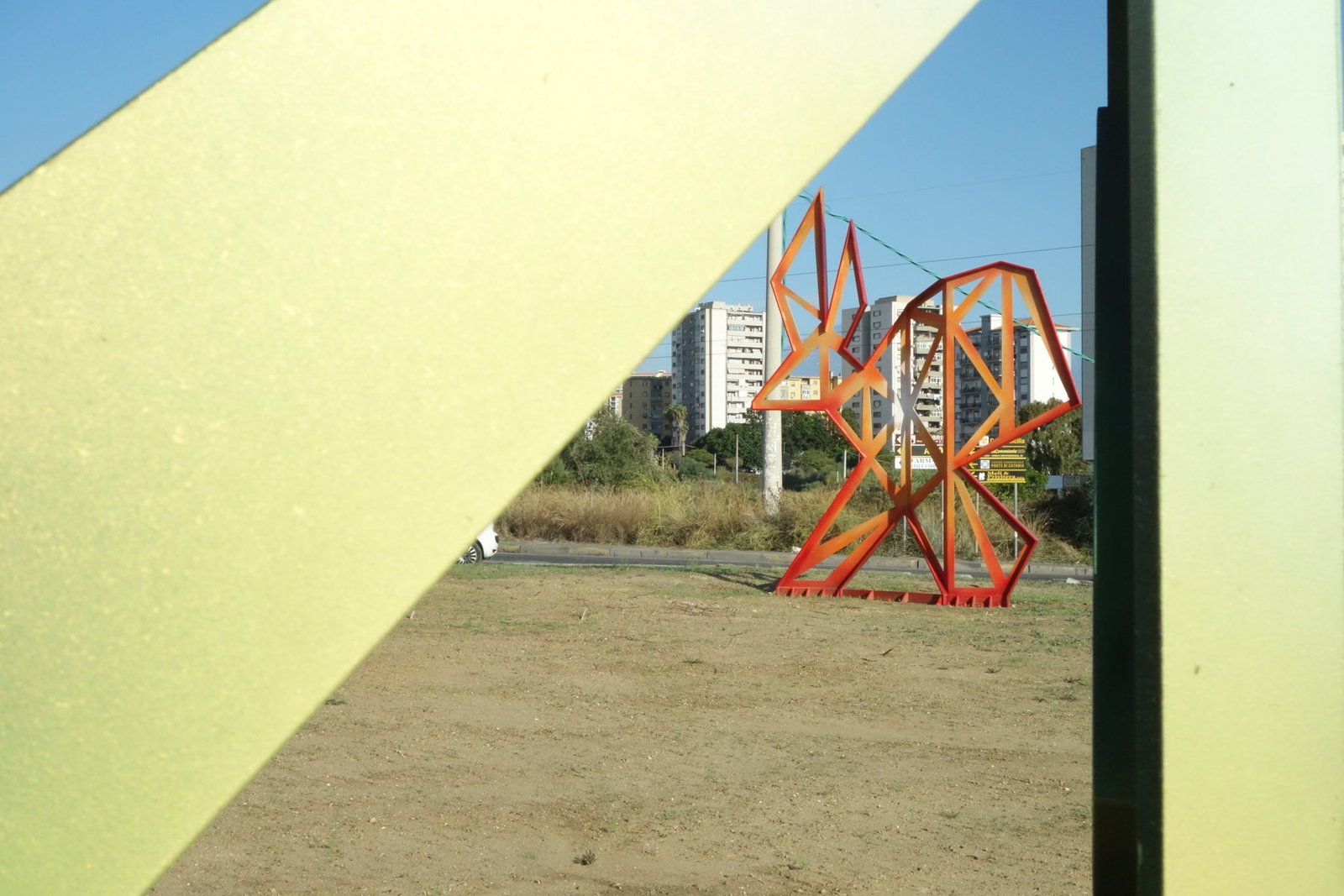
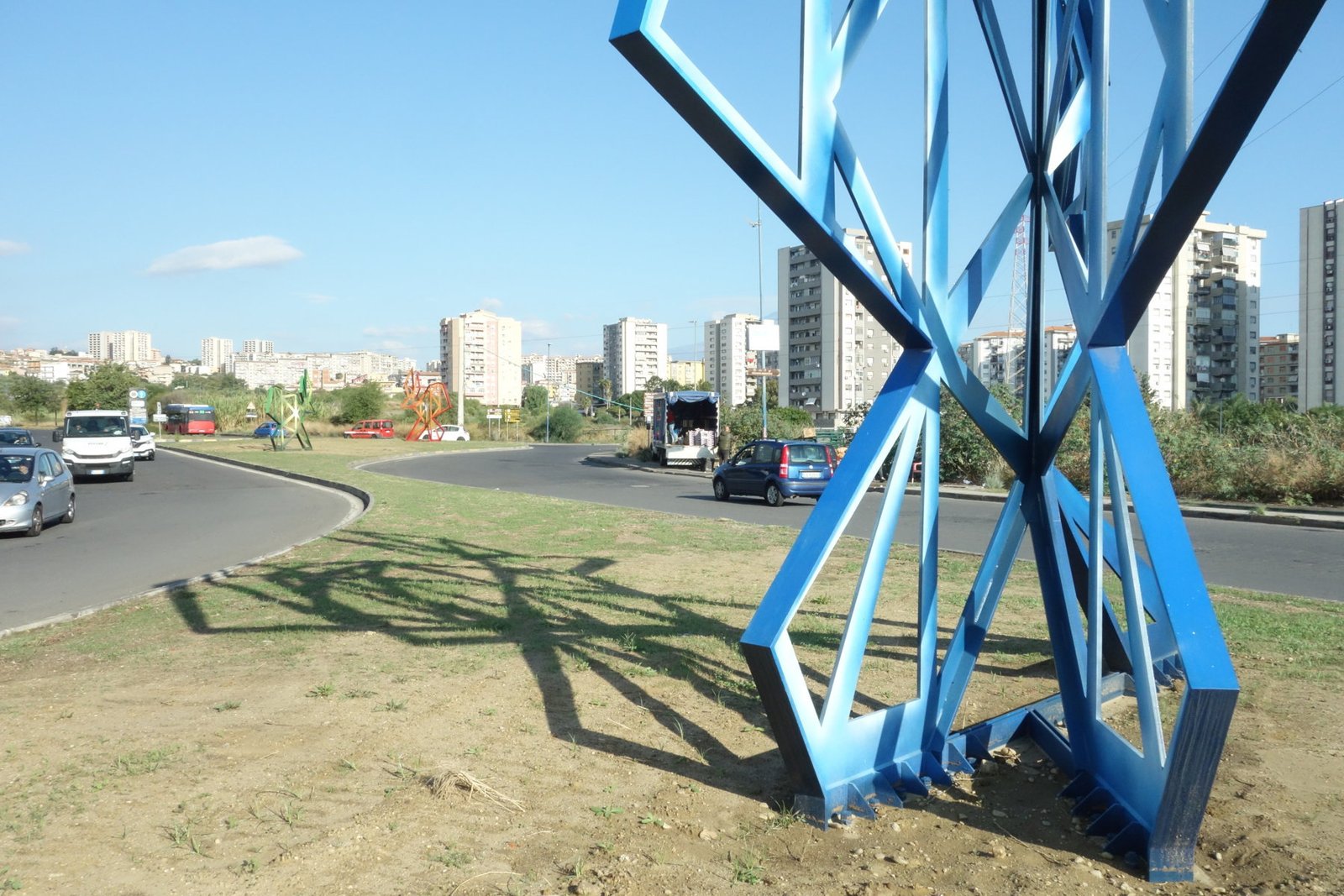
In the heart of Librino, the ancient “land of the hare”, the project reconnects the memory of the place to its wild roots. The Librino hares, light and silent silhouettes, reemerge from the urban edges as signs of continuity between past and present. In their imaginary race between roundabouts, verges, and residual meadows, they restore a shared identity to the neighborhood: that of a community which, like the hares, preserves within itself a strong vitality and an ancient freedom.
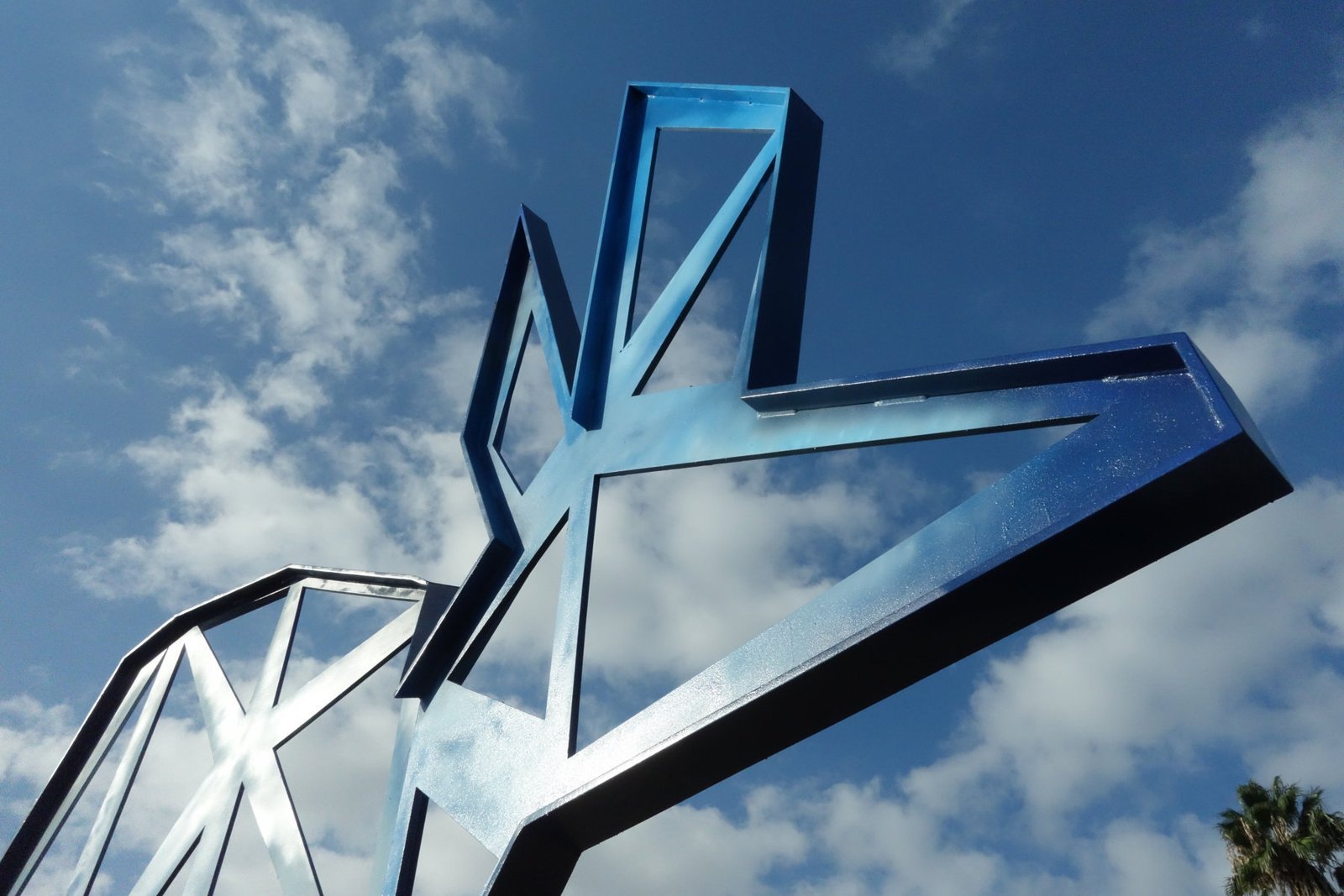
When art encounters landscape, says Gabriella Bonini, it captures its soul and merges with it. Art and landscape become a single entity sharing the same life. But Antonella De Nisco’s artistic intervention goes further: LEPORINUS is LIBRINO, a real place made up of people, thoughts, and actions that further consolidate the bond between art, landscape, and community, defining the very identity of the place. The three large hares, with sharp, decisive, and precise outlines yet light and joyful, stand out against the sky and blend with the air, the clouds, and the wind, but also with our thoughts. They are there, ready to continually receive, filter, and reflect new thoughts and rays of sunshine. These are structures, or rather contours, that embrace the surrounding landscape, lending it depth, like a frame enriched by new perspectives as our eyes move. At the same time, they communicate the ancient spirit of this place.
We are suspended between sky and earth, between a work born of human hands and a gaze that embraces an inclusive horizon, attentive and respectful of the diverse voices and perspectives that comprise it. They are those of the children, young people, women, and men of an entire neighborhood. For them, a profound bond has been established between knowledge and love, between the pursuit of beauty and acceptance of everyday life. The color of the hares also contributes to this, as if they were lively creatures leaping between the sun and the meadows, absorbing and reflecting the colors in a continuous dialogue with the landscape.
For years, Antonella De Nisco has conducted her artistic research between practice and conceptuality, always starting from the place that inspires her creativity. Every place, even the most anonymous, can be enriched and given new life through imagination and, therefore, through a work of art. Once created, the work transcends the aesthetic experience as an end in itself to enter into a relationship and interaction with the landscape, the environment, and its inhabitants.
Public art can certainly be considered an artistic process aimed at creating relationships between art, knowledge, place, and community, but also at weaving a narrative that intertwines subjective memory with the collective recollection of a neighborhood, a city, or fragile areas. From this perspective, the large hares represent archetypal, ancestral forms, to be observed and re-observed with wonder, inviting us to reflect on our own fragilities and those of the territory.
This is the artist De Nisco’s profound environmental commitment, a mission she pursues: working and intervening outside of galleries, promoting participation and all the dynamics that connect the region to its inhabitants and institutions, with the aim of identifying and expressing the needs of civil society. This results in a joyful and democratic use of space, with positive effects on the well-being of individuals and the community.
These hares are magical instruments for listening, observing, and narrating places; they become giant monocles turned toward landscapes and people, vibrant with shadows and lights that shift throughout the day and the seasons. Their gazes are constantly evolving, just like us, and the face of the landscape that surrounds and welcomes us.
www.landscapefirst.com