

Of all the architectural afflictions, few are as immediately identifiable (even to the untrained eye) as bad lighting—restaurants where you can see every pore on your date’s face, offices with a halo of migraine-triggering glare, or shops awash in one flat layer of illumination. Christine Vandover, a principal and senior interior designer at the architecture firm HOK, has a diagnosis: “When you see bad lighting, it’s because they didn’t use a lighting designer.”
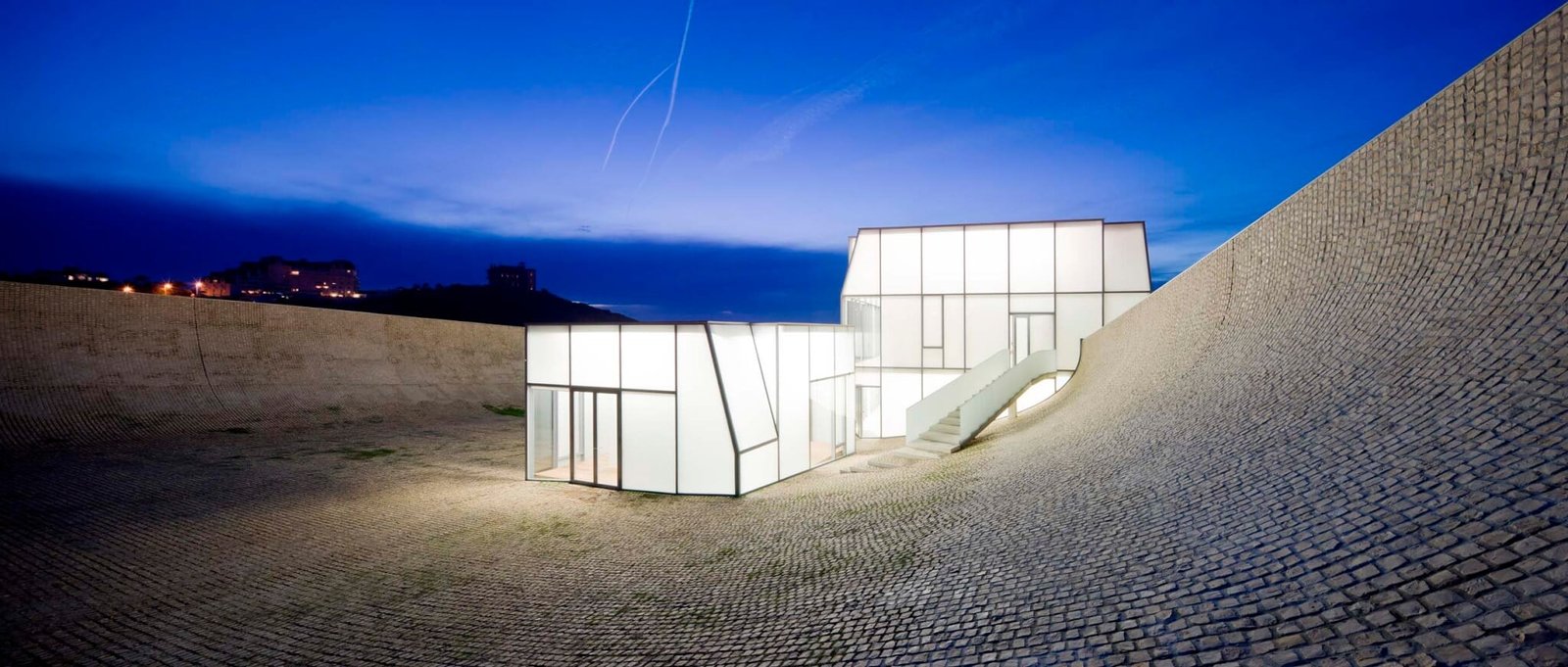
Lighting specialists are the unsung maestros of architecture. After all, sight is one of our most powerful senses. The human brain receives 80 percent of sensory information about our environments through vision, and in order to see, we need light to bounce off the surface of objects around us. These facts of biology and physics mean that illumination has an outsize effect on how we perceive space. “You cannot fully understand architecture without lighting—it is what ultimately reveals form, material, and spatial hierarchy,” said Ámbar Margarida, principal of the architecture firm Spacesmith.
Clients from all sectors are seeking sophisticated experiential qualities in the spaces they commission. They want to attract people to them—corporations beckoning people back to the office, real estate developers repositioning properties, universities courting star athletes with top-of-the-line facilities—and the bar to make an impact is getting higher. The presence of a skilled lighting consultant can make or break the outcome, especially since technology, procurement criteria, and sustainability concerns are evolving quickly, too.
Though architectural lighting consultants arrive at their specialty from a variety of backgrounds and approach their work differently as a result, one thing they seem to agree on is that the best results come from creating layers of light. This effect can only be realized to its fullest potential if these consultants are involved early on in the design process. At HOK, Vandover brings lighting designers into the schematic phase of a project and starts talking pricing before going into design development. At Spacesmith, Margarida includes lighting consultants in early client meetings. The result is better architecture—the difference between a warm or cold room, welcoming or sterile, luxurious or cheap. If the designers do their jobs well, one should only notice the overall atmosphere of a space.
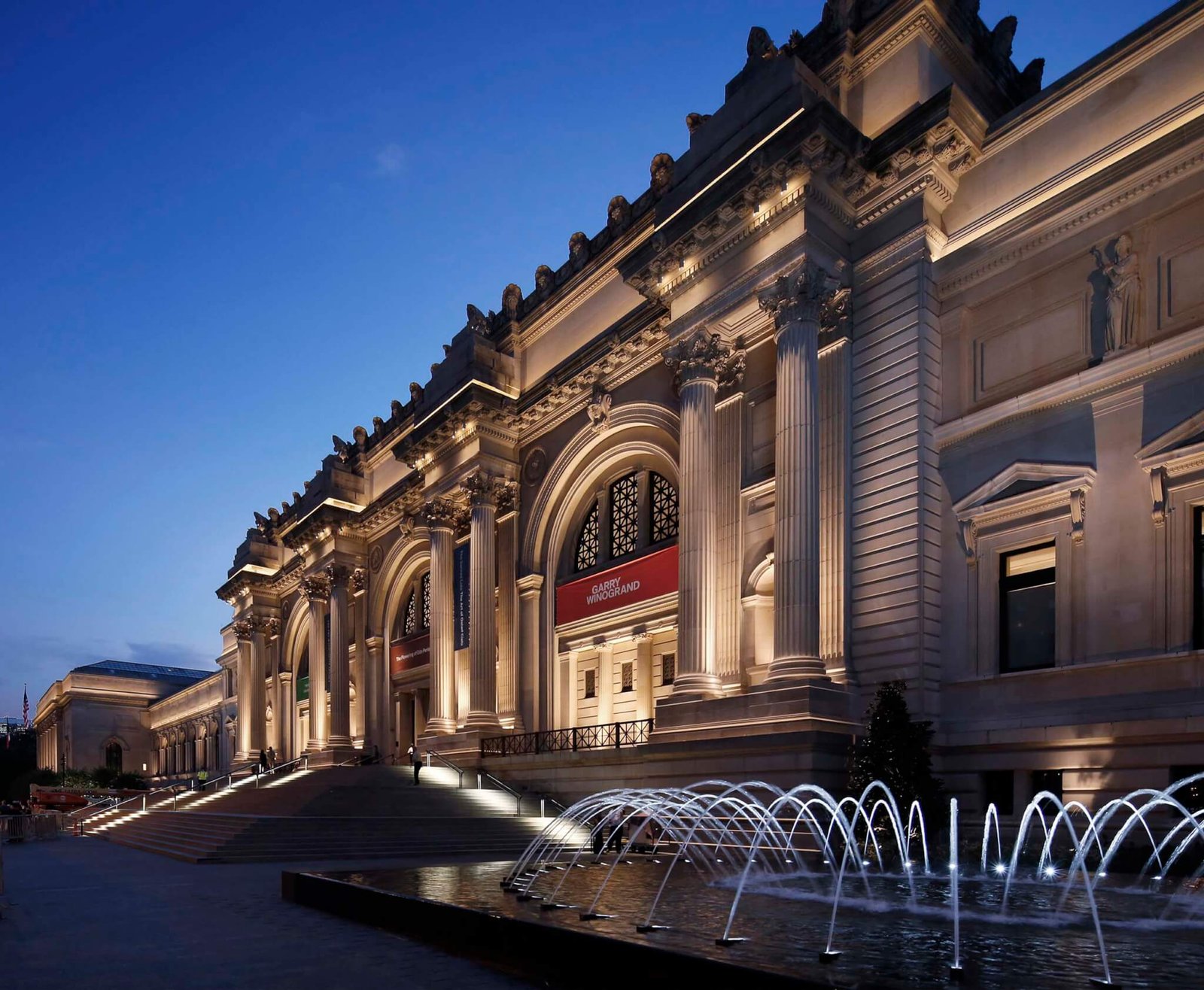
“A great building is a great story,” said Hervé Descottes, founder of L’Observatoire International [ITW], the firm that illuminated the Disney Concert Hall, the facade of the Metropolitan Museum of Art, and the Louis Vuitton Foundation. “Lighting is such an important contribution to the emotional response to a building.” In Descottes’s book, Ultimate Lighting Design, he writes that poor lighting happens because of lack of attention. “You really feel the clash between the purpose of the space, the design of the space, and the lighting,” he said. “I never work to ‘light’ a space. I want the light to confirm the space.”
L’Observatoire International has a knack for designing light that melts into architecture. This approach has led to long relationships with Frank Gehry, Diller Scofidio + Renfro, and Rockwell Group. Steven Holl, who uses light as a building material, appreciates how the firm is able to make light sources disappear—a trend that Descottes, who opened his firm in 1993, helped set. “Our collaborations with Hervé and his team over the years have been filled with enthusiasm for the inspiration of light and space,” Holl told AN.
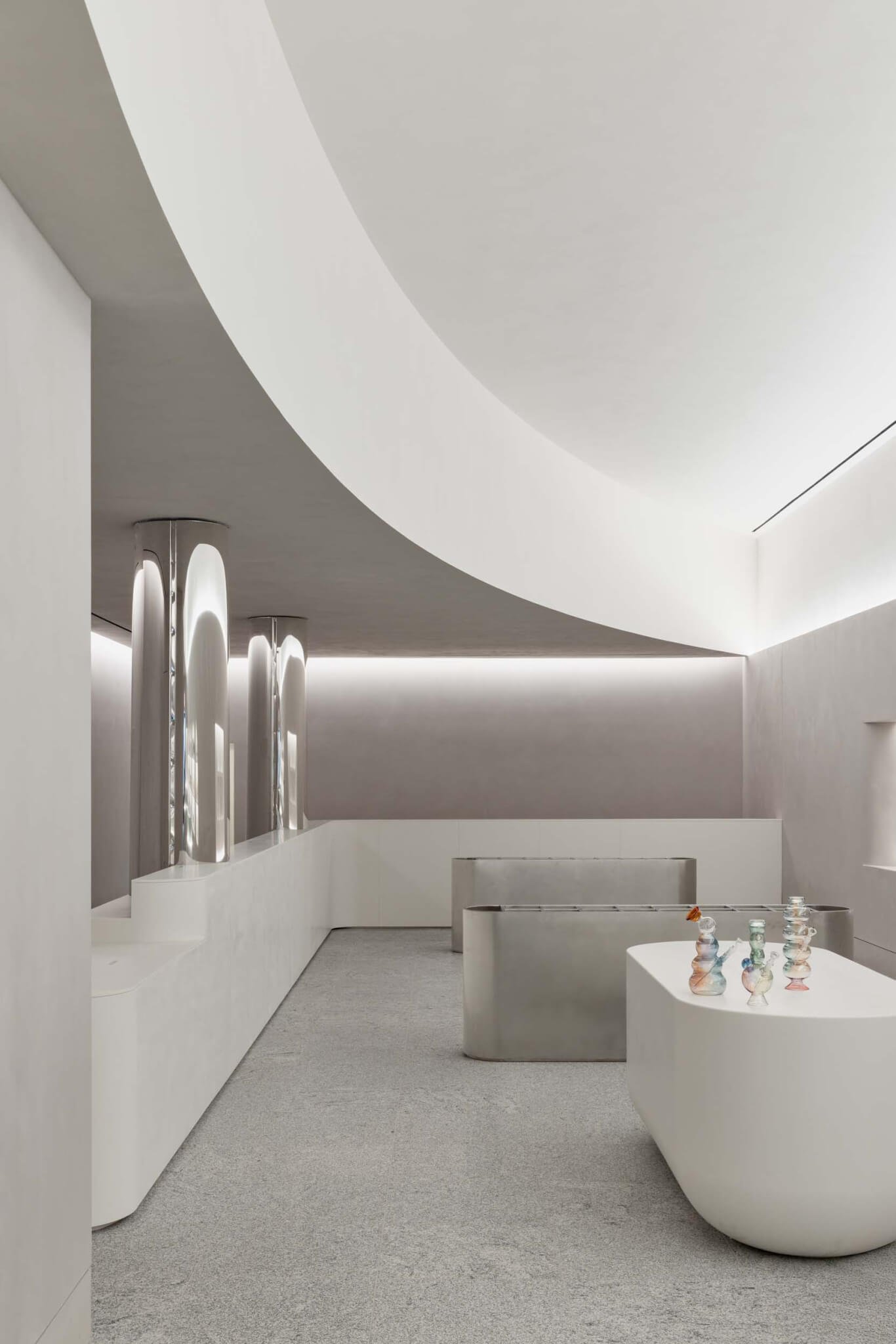
Conceiving of architecture and light together has historic precedent, notes B. Alex Miller, founding partner at TM Light, a New York–based consultancy whose recent collaborations include the Lever House with SOM, the Crystal Bridges Museum of Art with Marlon Blackwell Architects, and Travel Agency cannabis dispensaries with Leong Leong. “The images we use for precedents, like Saarinen and Frank Lloyd Wright and Gordon Bunshaft, all have really beautiful minimalist lighting; it was architects doing that,” said Miller, who practiced as an architect before shifting to lighting. “They had people on their staff that were looking at lighting very specifically. That’s inherently a nonadditive process. It’s different from saying, ‘We are going to take your design and add lighting to it.’”
In this lineage of design, modernist architects created custom fixtures out of necessity—products that would meet their design criteria didn’t exist. In this sense, lighting has always evolved alongside architecture. Over time, however, lighting became much more complicated, and in the past two decades it has begun to move at a pace faster than architecture, which opened the door for lighting consultants to emerge as a specialist group.
“Technology changes every single year without fail,” said Carrie Hawley, a lighting designer and the CEO of HLB Lighting Design, a consultancy with nine studios across the United States, Canada, and the United Arab Emirates. “Design trends evolve, science evolves, and, shockingly, we learn more and more about our bodies and how we react to light.”
A major driver of these changes is sustainability, which has significantly impacted the market, Hawley explained. In order to meet energy efficiency standards, the Illuminating Engineering Society of North America, which establishes lighting standards, set lower minimum light levels. Additionally, energy codes began receiving updates every couple of years and have become more stringent in the name of sustainability each time. This forced the design industry to adopt LEDs, “and LED technology wasn’t really ready,” Hawley said. Luckily, they have advanced significantly over the past decade, so color temperature now is comparable to that of incandescents. Certifications like LEED that require lighting control sensors and have standards around curbing Red List materials and embodied carbon also shape the industry. This has contributed to a vast, and complicated, fixture market that can be difficult to keep up with unless you’re continually sourcing products.
“We’re very up to speed on trends, and we’re very up to speed on the cost of projects and procurement,” Hawley said. “We can add value because we’re seeing what’s going on in the market.”
Currently, the market is being driven by hospitality. “It’s a rare project now that doesn’t have some sort of a hospitality-inspired element coming into it,” Hawley said. “It’s because hospitality is kind of the catchall for elevating the human experience and creating mood. People like to feel good in spaces. It makes them want to use spaces. It makes them want to be there. It makes them happier there.” Aoife O’Leary, a partner at TM Light, put it this way: “Clients often talk about a feeling they’re trying to evoke—warm, cozy, inviting,” she said. “Those are all things that are achieved through lighting, but they’re not actually describing lighting to us.”
At HOK, research on neurodiversity is informing its designs for hospitality-informed workspaces in particular, Vandover notes. “One person might want a really social space that has lots of decorative lighting and feels like it has a buzzy feel to it, or someone might want a space that’s very calming and has dimmable lights because they need to focus,” she said. “You want to give all those different choices to people within a workplace.”
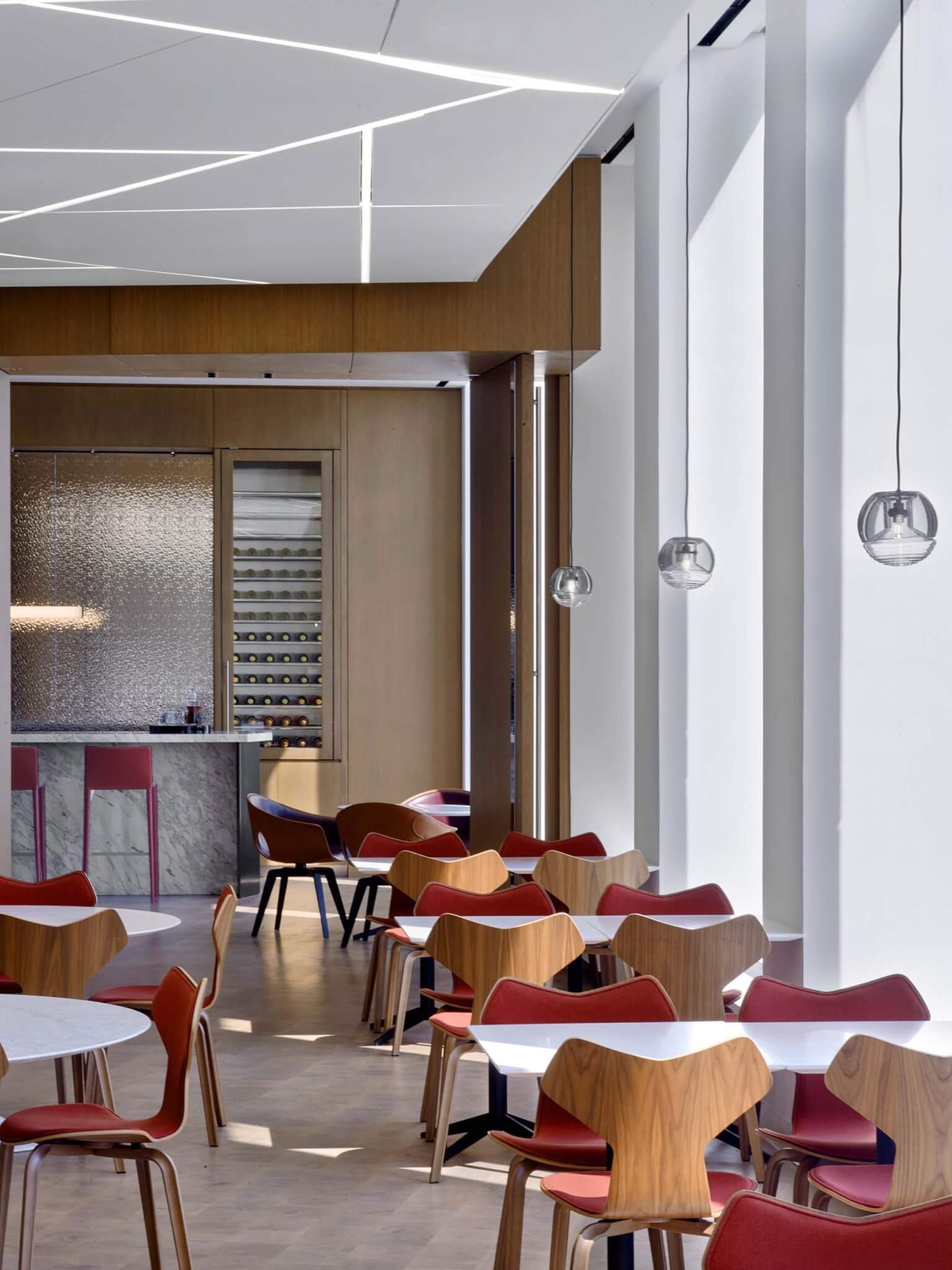
Paola Pietrantoni, cofounder of the lighting consultancy Studio Atomic, specializes in hospitality lighting. She’s noticed that her clients are leaning toward more dramatically illuminated spaces, with color temperatures dropping lower and lower, especially in the United States. Previously, 2700 kelvin, the temperature of a soft white incandescent bulb, was the standard for warm light and the lowest temperature manufacturers would produce. Now 2400 kelvin is the norm in Pietrantoni’s projects, with some dipping to 2200, which is a dense amber, and even 1800 for linear tape and millwork illumination. Importantly, this is happening via light fixtures that disappear and reflect light off surfaces and highlight spatial elements. She’s coined a phrase for these stealthy fixtures: ninja lights. “They do their work, and you don’t even see them,” she explained.
She uses light scenographically, elevating specific objects and architectural elements or revealing circulation pathways. It’s an approach she learned from theatrical lighting designers, who begin from complete darkness and use light to focus the audience. “We see the space as a stage and we start highlighting elements, which will also help the users understand the space,” Pietrantoni said. At the Aka NoMAD, by Piero Lissoni, Studio Atomic allowed the lobby to remain quite dark, with features such as a backlit shoji screen and lighting directed to highlight architectural elements like a metal staircase or the underside of the bar. “You don’t have to show everything at once,” Pietrantoni said. “You can create different layers.”
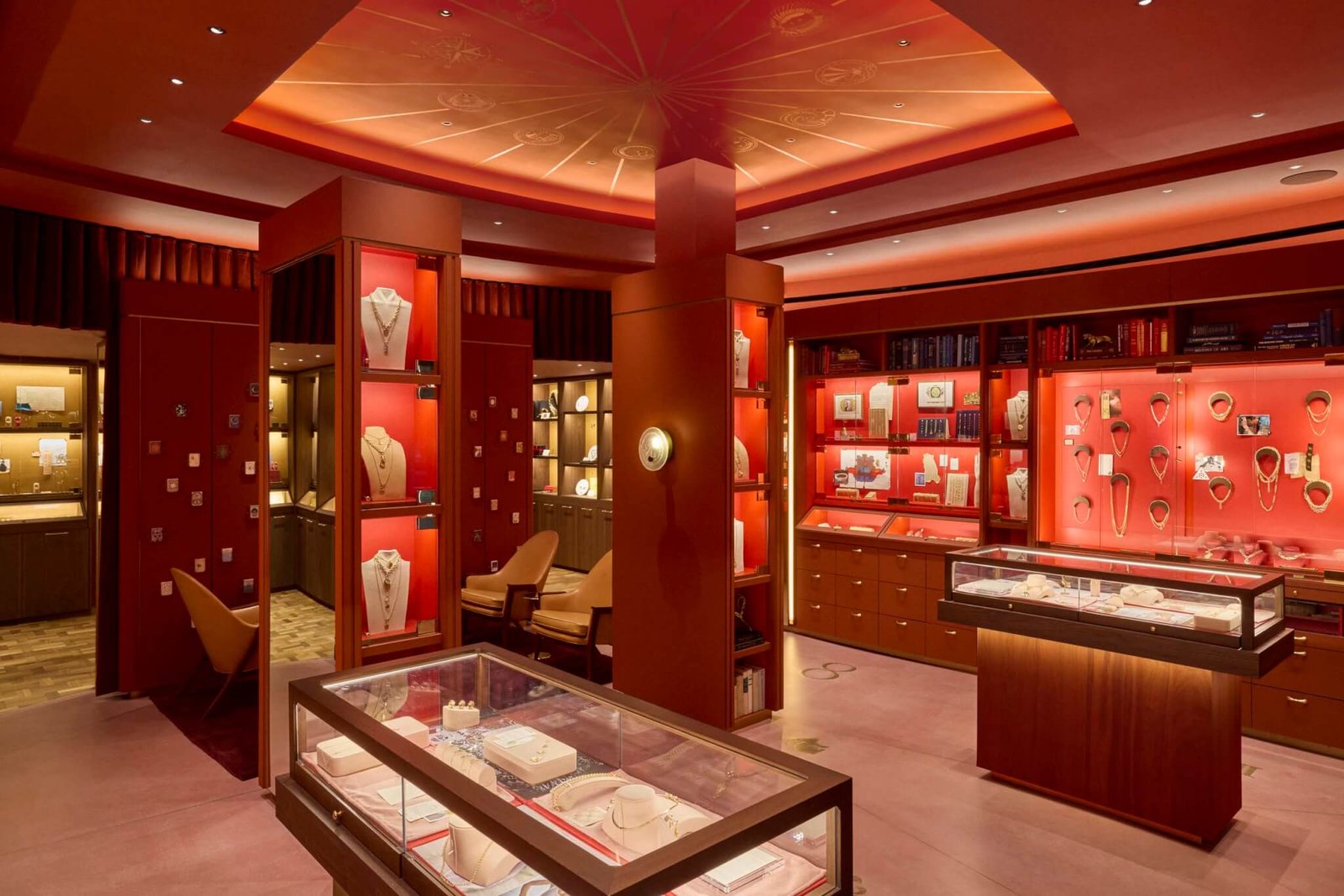
Margarida explained that Spacesmith frequently collaborates with Studio Atomic. One of their recent projects was the award-winning Madison Avenue boutique for the jewelry brand FoundRae. The brand sought a luxurious experience, and so Spacesmith designed an interior in a deep cinnabar palette across floors, walls, ceilings, and display cases. Ensuring that precious metals and stones maintained their brilliance within such a warm, saturated environment required exacting calibration of color temperature and color rendering for both the interior furnishings and products. It was a brief that required technical and creative rigor. “[Studio Atomic] brings a fresh perspective to lighting design—at times playful, yet consistently sophisticated and innovative—while remaining grounded in the practical realities of design, construction, and budget,” Margarida said.
The power that light has to influence how people feel about a space is what drew Alina Ainza, a partner and the managing director of Loop Lighting, to specialize in the field. She had studied interior design and came to lighting after applying for a CAD position at a lighting design firm and becoming hooked. “I loved the psychology of it all, just the ability to completely change the user experience and perspective of the space,” she said. “It changes your energy, how you feel, how you move, how you perform tasks.”
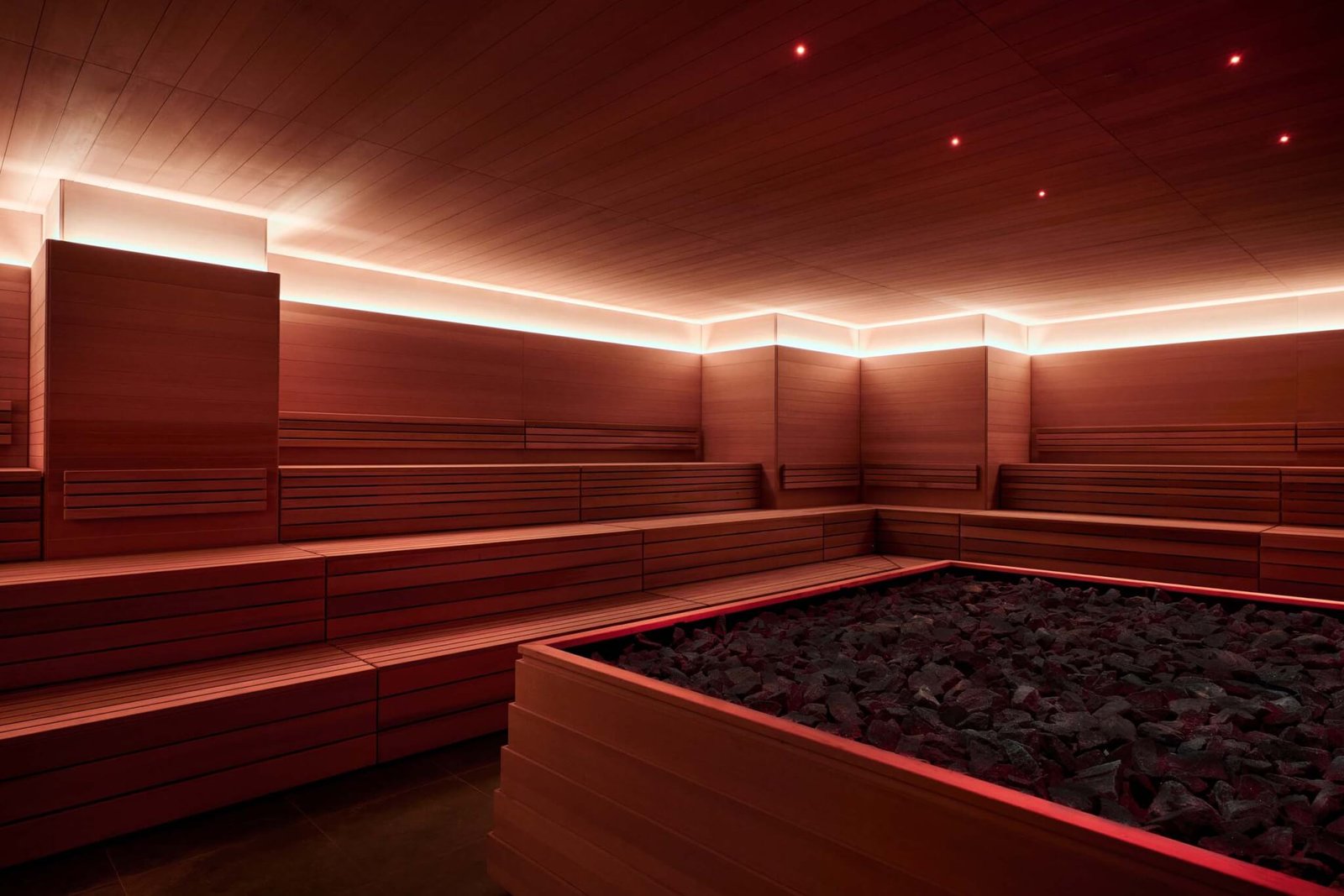
This expertise was essential for the work she did with Bathhouse, a new chain of spas. The business sells recovery—not relaxation, like most spas—which is earned through switching between intensely hot and cold environments. “They like to refer to it as the hero’s journey from the known world to the unknown,” Ainza said. “How do we make it feel exciting and adventurous but also safe?” For the spa’s first outpost, designed by Rockwell Group and Colberg Architecture, Loop used lighting for wayfinding and to highlight programmatic elements in what is mostly a dark space. “We gave people breadcrumbs of light to follow,” Ainza said.
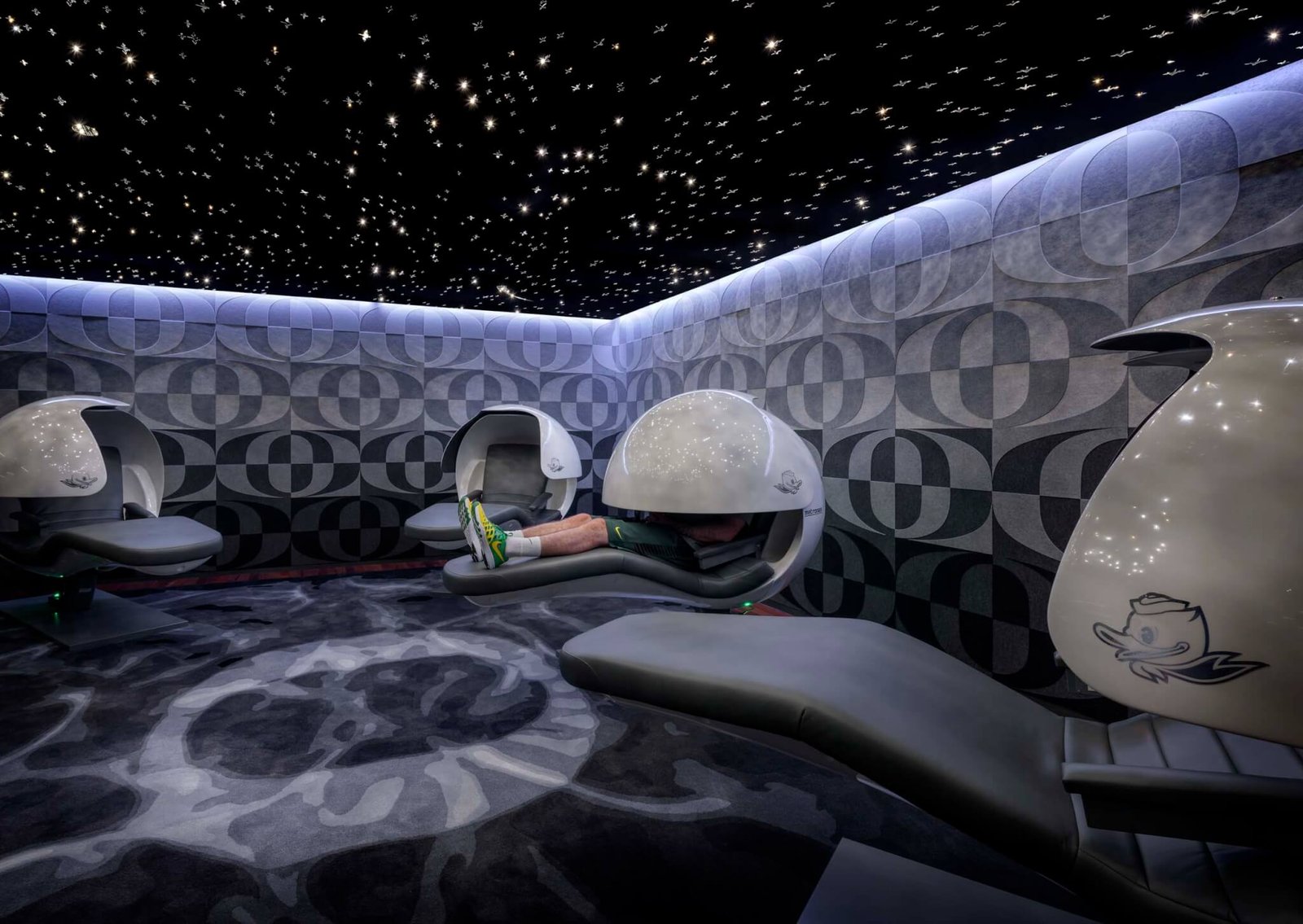
The hospitality pivot has been big for business. Hawley and HLB have been working on spa-like locker rooms for university sports teams, which are using these spaces to recruit top athletes. L’Observatoire International is currently working on the exterior lighting of the Flatiron Building, which is undergoing a conversion from commercial space into luxury residential. The going rate for a condo? At least $11 million, with the penthouse topping out at $50 million.
But as effective as lighting consultants are, they’re often considered to be an optional, expensive line item. However, according to the specialists, hiring one might actually save you money and help set realistic budgets for the desired outcomes. “If we need to save some money on a project, we need to look at the project overall,” Descottes said. “Choosing a cheaper fixture is not going to make a better project.”
Because lighting controls and systems are better performing and less expensive now, it’s possible to integrate more sophisticated solutions for less expense than clients might expect, too. “There are a thousand different ways to solve a lighting problem,” Miller, of TM Light, said. “If you don’t know what those fixture options are, you could spend four times what you need to.”
Vandover recalled working on a healthcare project when research on circadian rhythm became buzzy. With controls for lights that would automatically adjust their color temperatures to match the sun’s light levels hitting the market, she had considered installing them in patient rooms until a lighting designer pointed out that the rooms would already be lit accordingly because they had windows that let in ample daylight.
The big lesson here? “Trust your lighting designers,” Pietrantoni said.
Diana Budds is a design journalist based in Brooklyn, New York.