

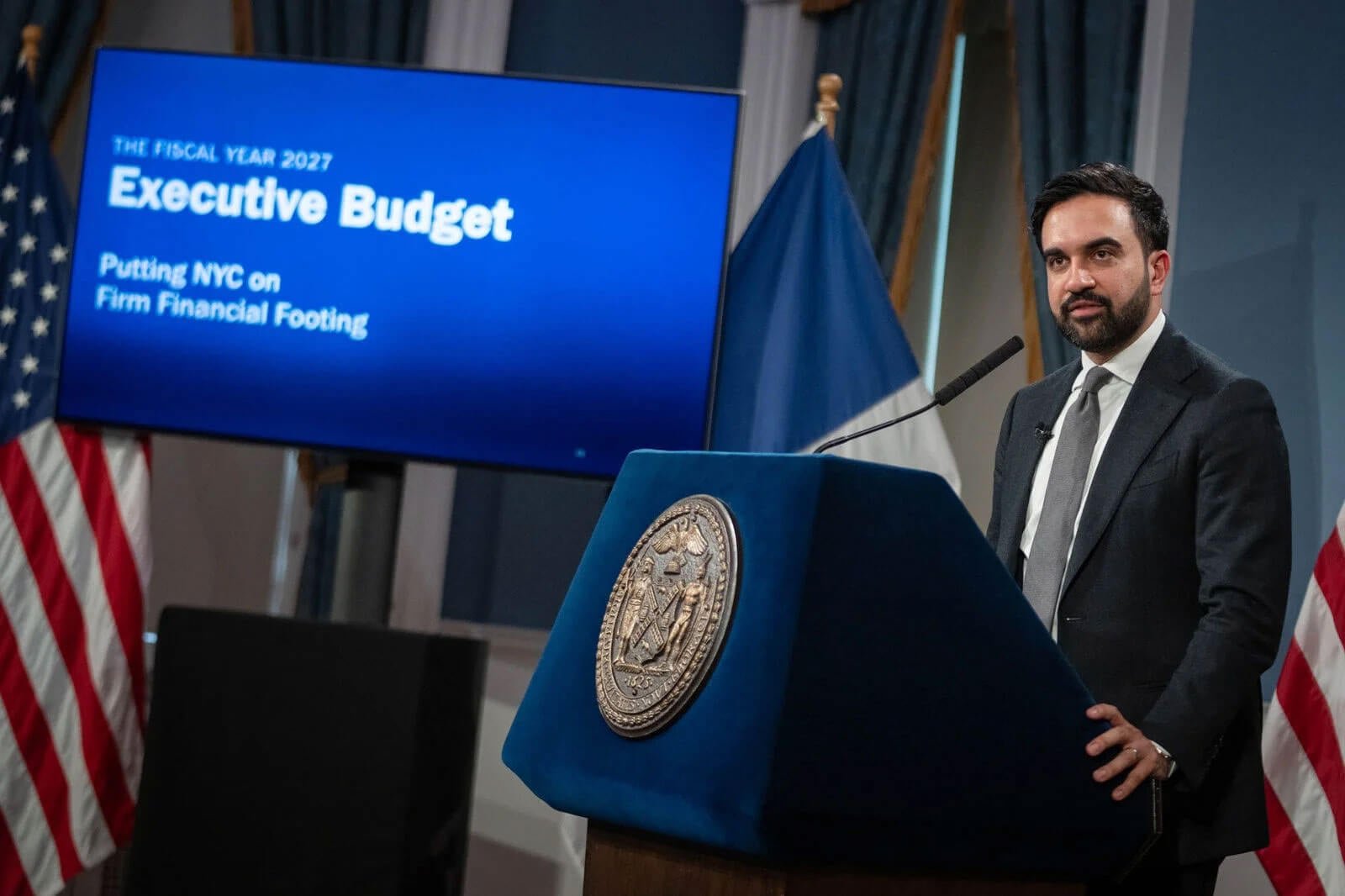

The New York City Mayor’s Office released its fiscal year 2027 (FY27) financial plan this week.
The FY27 executive budget amounts to $124.7 billion. Of that sum, $22 billion will be allocated to housing, or about 19 percent of the executive budget.
Now, the FY27 executive budget is subject to a final round of discussions with the New York City Council.
Out of the Red
The budget proposal was introduced shortly after the Mamdani administration balanced an inherited $12 billion deficit, what Comptroller Mark Levine called “the largest budget gap the City has faced since the Great Recession.”
The Mamdani administration cited “fiscal mismanagement” in the Adams administration as leading to the budget deficit that has since been resolved.
As part of its 5-year capital growth plan, the executive budget allocates $4 billion in capital funding for the Department of Housing Preservation and Development (HPD), plus an additional $500 million in FY31.
The Mayor’s Office said this denotes “one of the largest capital additions in the entire budget and a reflection of the administration’s commitment to addressing the housing crisis.”
Through 2031, the budget would allocate $5.6 billion to NYCHA, or “the most City capital to NYCHA in recent history,” the Mayor’s Office said.
The budget allocates an additional $500 million in FY28 for “comprehensive renovations” at NYCHA properties. This will allow NYCHA to “rehabilitate and modernize thousands of homes,” the Mayor’s Office said.
The budget also invests $256 million to “restore vacant units so they can be rented out to new tenants.” According to the Mayor’s Office this is the most capital funding ever committed to vacant unit turnover.
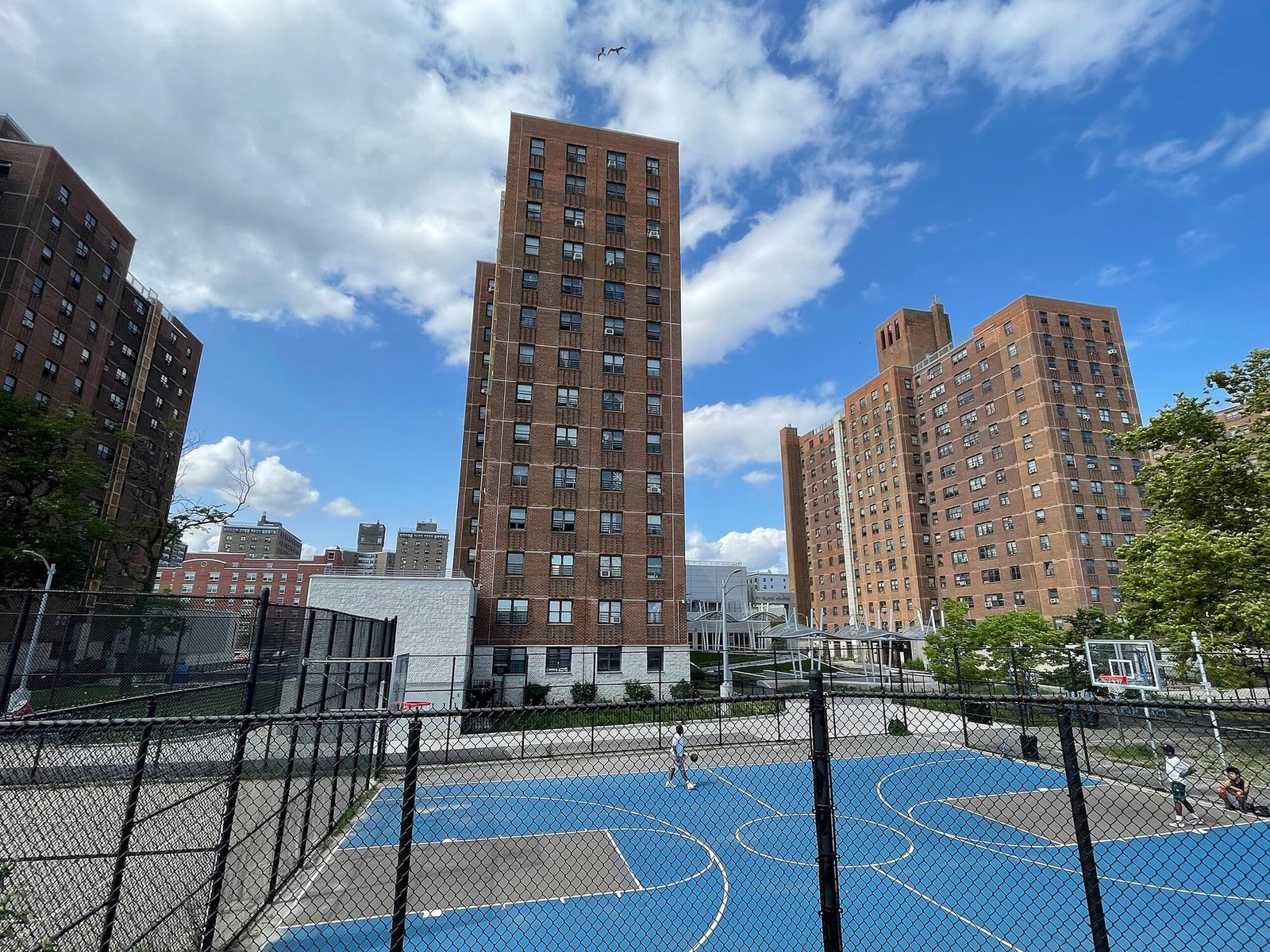
To remediate lead, mold, waste, heating, and elevator issues at NYCHA properties, the FY27 financial plan allocates $447 million.
City-wide roof replacements at public housing will have $79 million in support, and there will be access to $314 million for general construction.
The Future of Public Housing
The Mamdani administration has been criticized for barring NYCHA residents from the city’s “rental ripoff” hearings.
Housing advocates have also leveled criticism at the Mamdani administration for backing the demolition and privatization of Fulton and Elliott-Chelsea Houses.
Human Rights Watch issued a report that stated eviction rates hockey stick at residential campuses subject to RAD/PACT conversion.
Residents of Coney Island Houses and Jacob Riis Houses voted recently against RAD/PACT conversion, opting to remain as Section 9 public housing.
Per language in the FY27 financial plan, the city is moving forward with RAD/PACT conversions, despite the pushback, and the recent wave of votes against privatization.
The financial plan allocates $1.5 billion “to support NYCHA’s Section 8 conversion transactions” under RAD/PACT and the New York City Public Housing Preservation Trust, the plan states.
The ultimate goal is to convert 62,000 units from Section 9 public housing to Section 8 rental status through either the Trust or RAD/PACT.
Taxing the Rich
Mayor Mamdani said the FY27 budget can proceed without raising taxes for lower and middle class New Yorkers.
Instead, the city’s new pied-à-terre tax, reducing the UBT tax credit, and other initiatives will generate revenue for housing, parks, transportation, hospitals, and schools. Mayor Mamdani also canceled a $9 million contract with McKinsey to free up capital.
“We are restoring fiscal stability without slashing the services people depend on, without raising property taxes and without asking working families to pay for a crisis they did not create,” Mayor Mamdani said.
SPEED It Up
Additionally, on May 13, Mayor Mamdani alongside Deputy Mayor Leila Bozorg shared the administration’s SPEED report, which outlined a set of reforms aimed at accelerating affordable housing production.
The SPEED taskforce was announced by the Mamdani administration just after he took office in January.
The reforms could slash the amount of time between construction completion and move-in from 210 days to less than 100 days, or about half.
“With these investments and procedural changes, we will cut months or even years off of the affordable housing development timeline—months that New Yorkers can spend in permanent housing instead of instability,” Bozorg said in a statement.