

The Brandywine Conservancy & Museum of Art is embarking on an ambitious $100 million project to renovate and expand its 15-acre campus into a 325-acre public preserve. At the center of this plan is a new museum building designed by Kengo Kuma & Associates.
Since its founding in 1967 Brandywine Conservancy & Museum of Art, has managed to intersect the arts with land preservation. With this new expansion the organization hopes to increase its annual attendance of 100,000 by 20 percent.
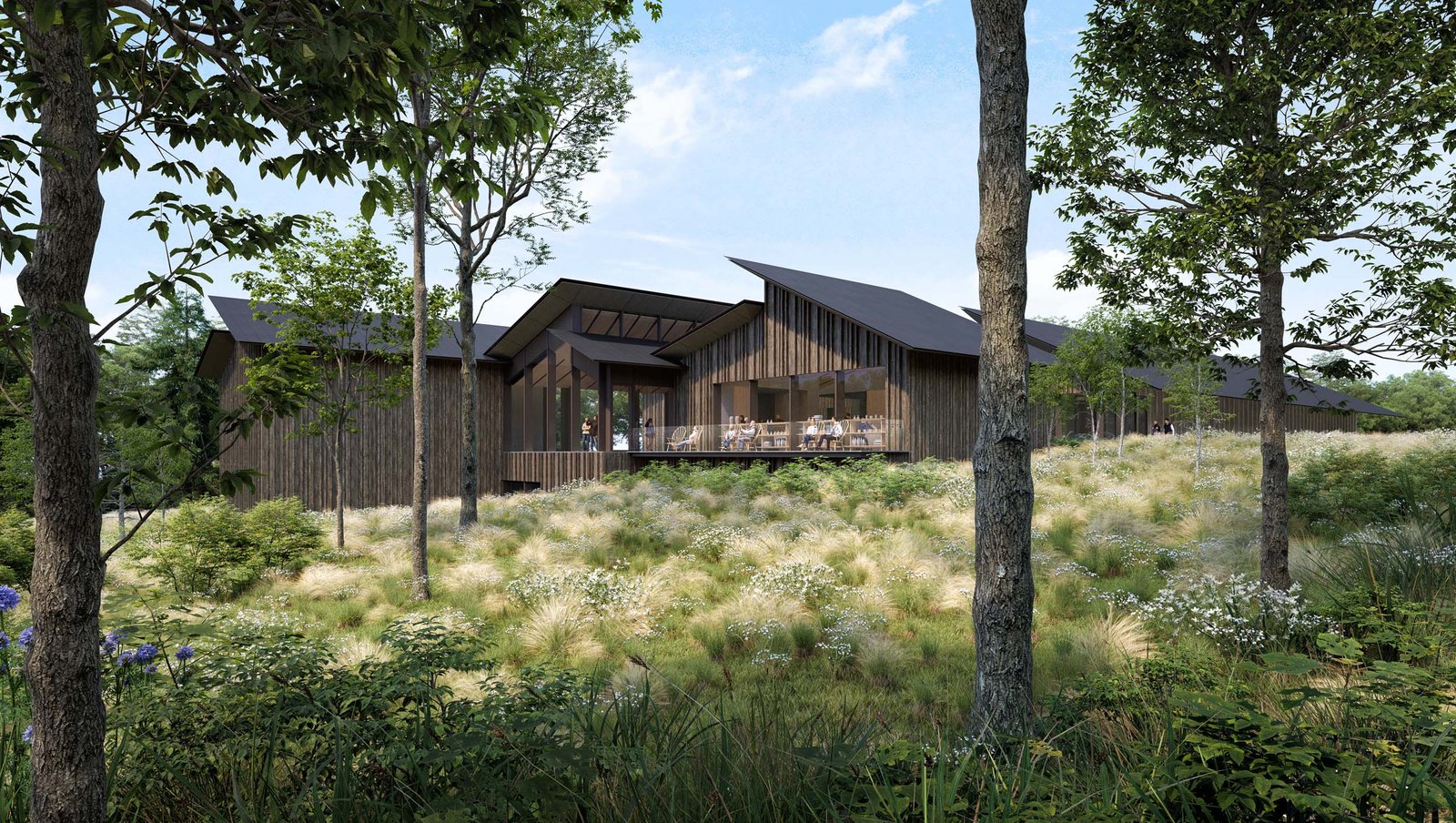
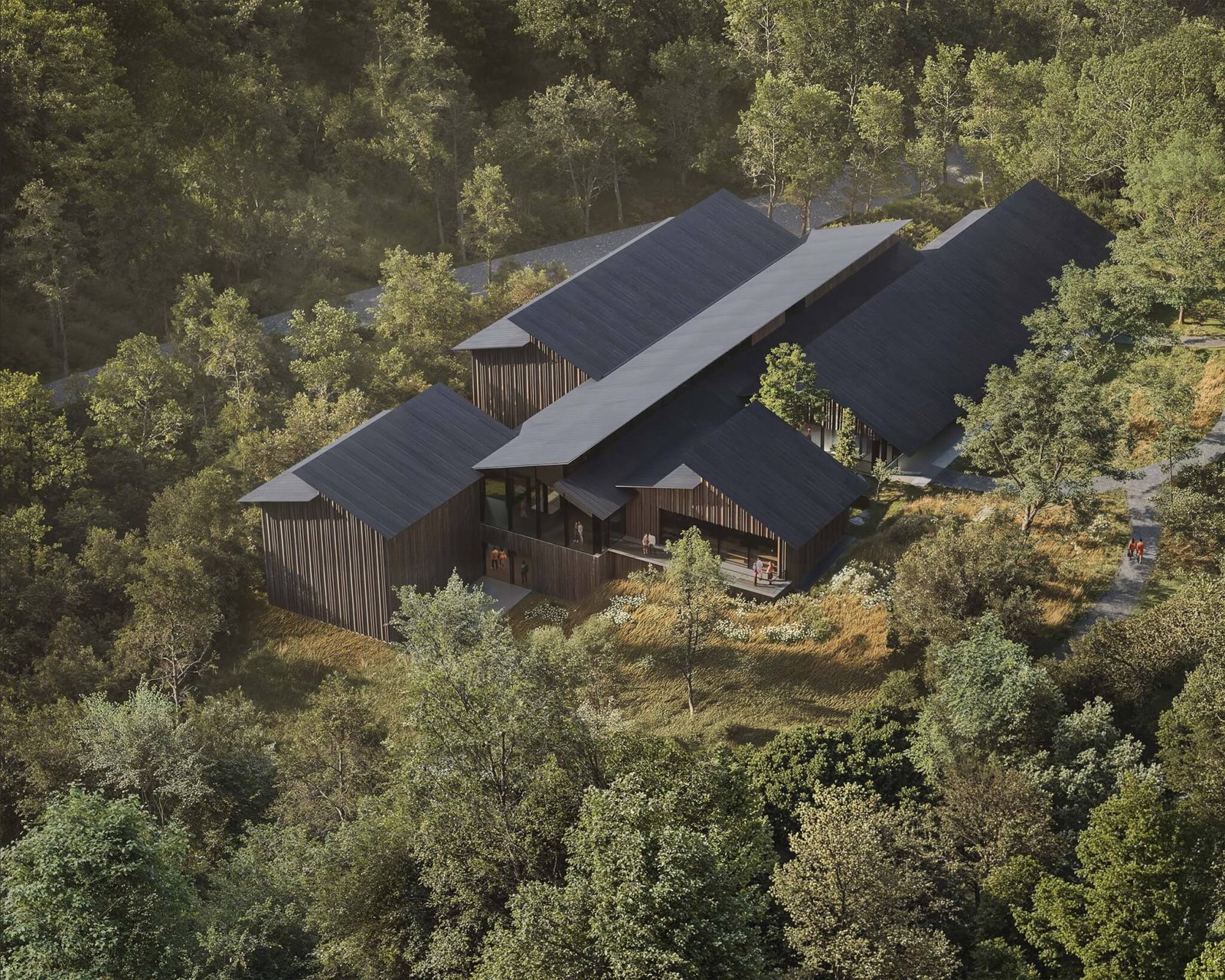
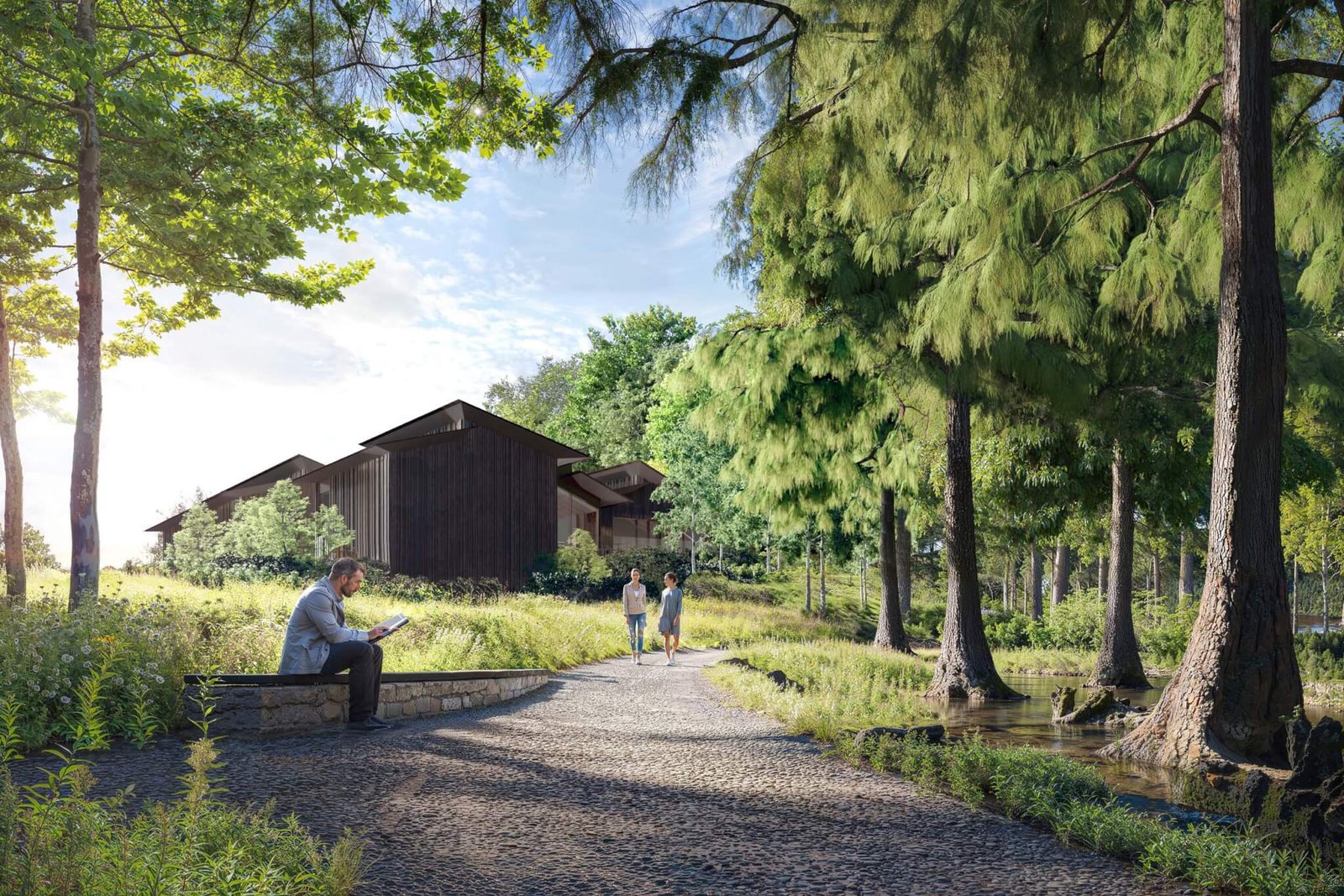
Kengo Kuma & Associates will design a series of buildings with slanted roofs that clearly take cues from the forested landscape the museum is situated amid. Field Operations will be responsible for the landscape design, and Schwatz/Silver Architects will work closely with Kengo Kuma to round out the team.
The Brandywine Conservancy & Museum of Art is known for its collaboration with the estates, and extensive collections, of American painters N. C. and Andrew Wyeth. This is in addition to its conservancy work; the organization has acted as a land trust since its founding.
In with the New
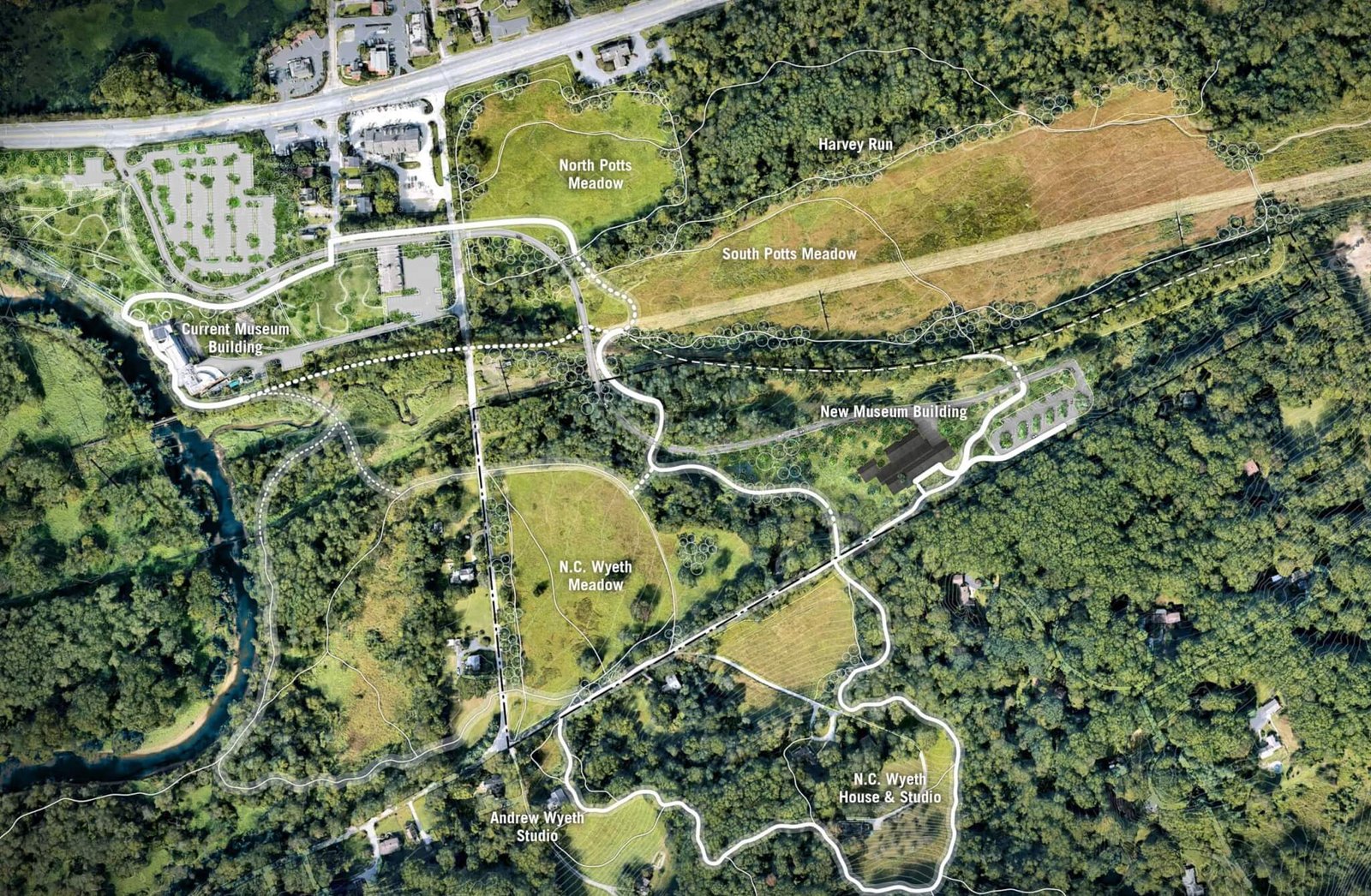
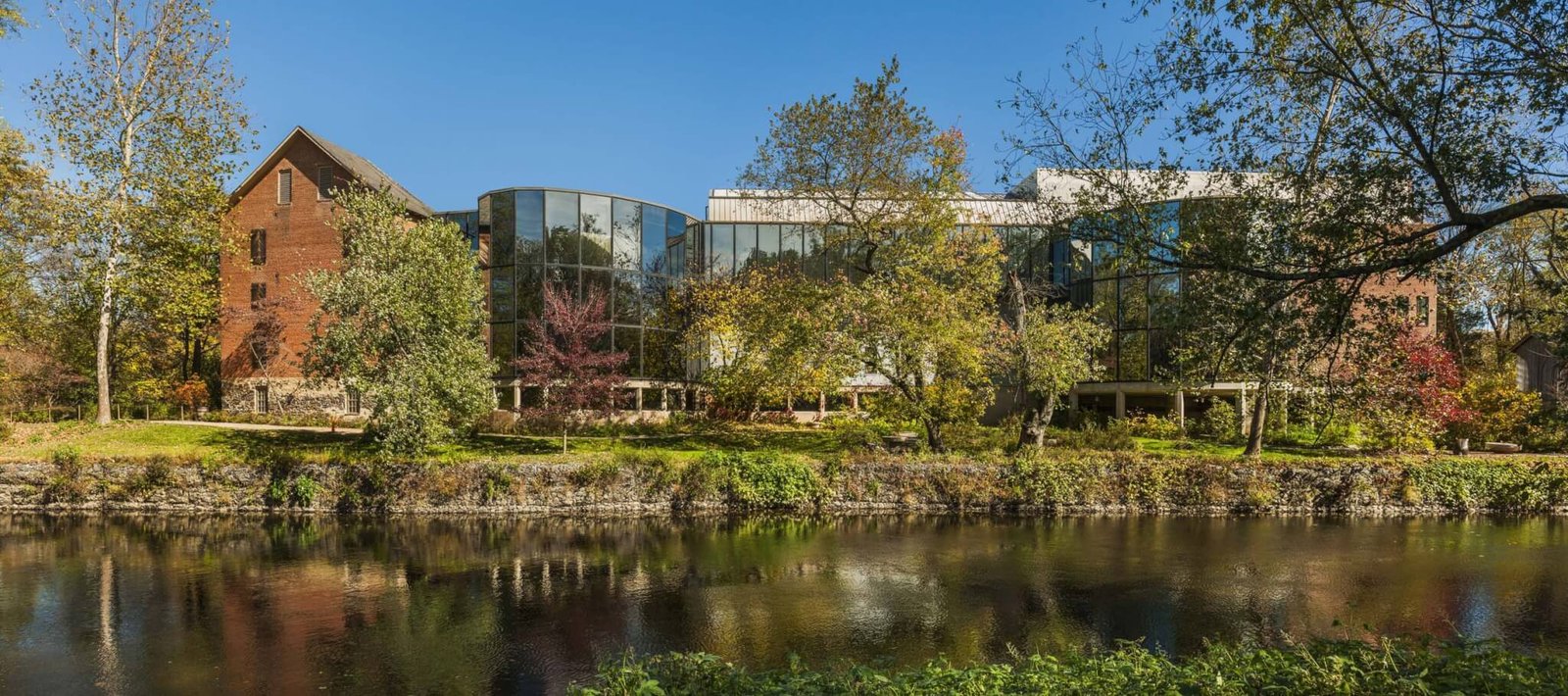
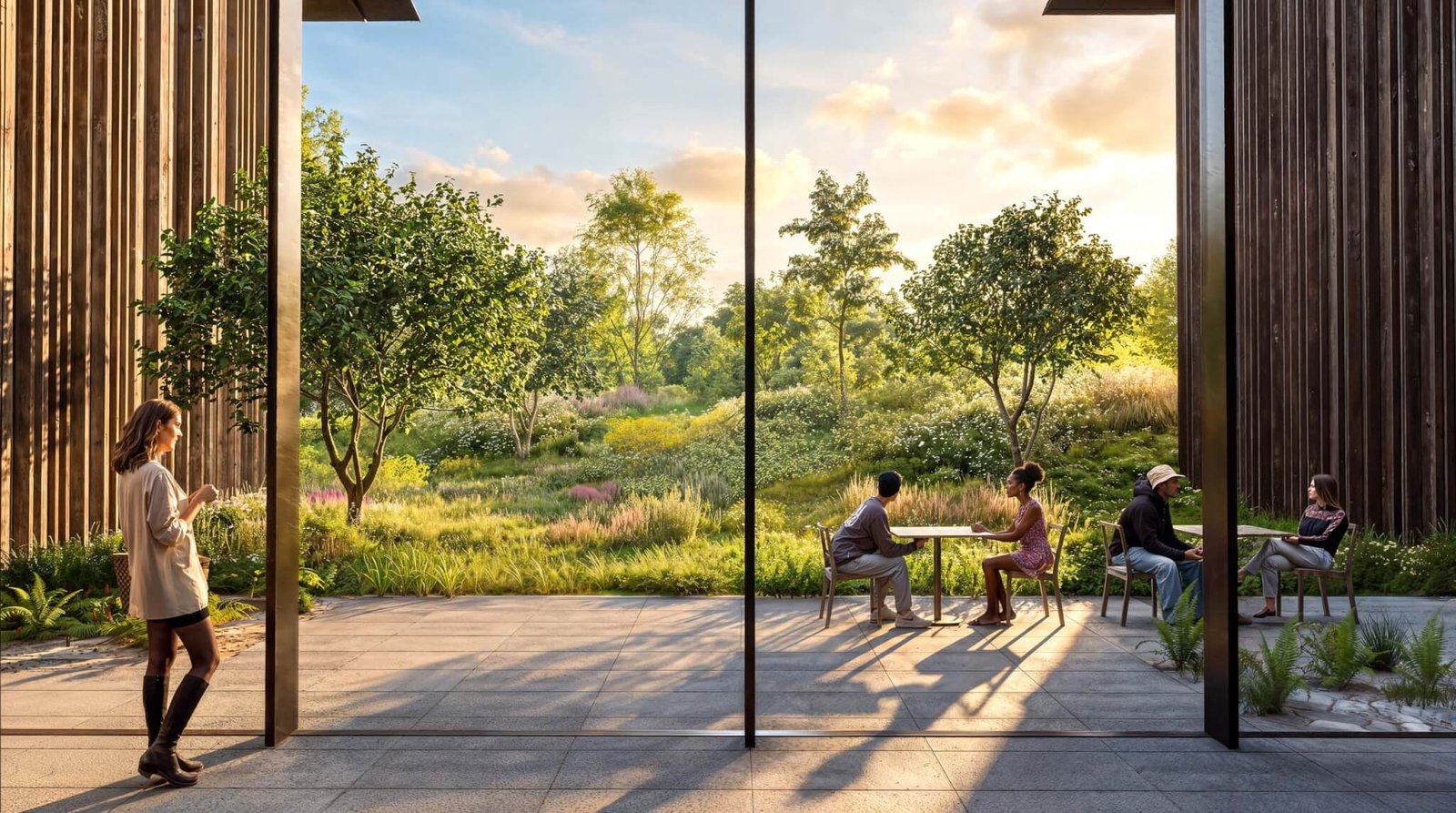
The new museum structure sits on a wooded hillside, east of the original Mill Museum Building. The 40,000-square-foot building contains four wood-clad pavilions joined by a long central axis. Its asymmetrical, linear roofs follow the vernacular of the trees beside it, and floor-to-ceiling window systems allow natural light to flood the exhibition and programming spaces. The original building, a converted grist mill, will bring interactive exhibits and additional spaces for educational programming in addition to housing Brandywine’s permanent collection.
The building endured significant damage during Hurricane Ida in 2021, and recently underwent a renovation to make it more flood-resilient, paramount given its close proximity to a creek. And from that experience, the new facilities will be built with stormwater infrastructure to keep water at bay.
“Our design seeks to honor the dynamic and evolving relationship between art and nature, by creating a building that emerges from the landscape rather than imposing upon it,” architect Kengo Kuma said in a statement. The project marks the first museum in the U.S. by the Japanese firm.
The Kengo Kuma–designed building will add 14,000 square feet of gallery space across five spaces. The expansion allows for the accommodation of Brandywine’s collection, previously unable to be shown in depth. Visitors will be able to explore collections between its collection of landscape and still life works, with the lower level dedicating 4,000 square feet to the artworks of three generations of the Wyeth family.
A Bucolic Celebration
The 310-acre expansion includes land not previously accessible to the public. The campus will offer 10 miles of trails bookended by the two museum buildings. However, the trail’s main attraction will be its loop around the original studios of N.C. and Andrew Wyeth, both National Historic Landmarks.
In pursuit of nature conservation, gardens beginning off the banks of Brandywine creek will function as both landscape infrastructure and a destination with the property. Paths will include interpretive signs to denote local ecology and a new boardwalk will allow visitors to walk through the campus’s wetlands—this vision will be realized under Field Operation’s purview.
“The Brandywine Valley is a landscape of profound ecological significance, and our design for the expanded preserve and gardens seeks to reveal and celebrate both,” said Sarah Weidner Astheimer, a partner at Field Operations.
Construction plans to break ground in the spring 2027 and the new building slated for a fall 2029 opening.