









The World Monuments Fund (WMF) issued a new list of ten historic sites in the U.S. that are at risk and in urgent need of preservation. The release coincides with America’s semiquincentennial, and all of the pomp and circumstance that’s entailed.
The “Irreplaceable America” list by WMF spotlights ten U.S. heritage sites from New York to California ranging from public health facilities; colonial architecture; and places central to Black history, Indigenous heritage, and “artistic experimentation.”
The at-risk cities, buildings, and historic sites named on the list face challenges such as rising sea levels, dwindling funding, and neglect. The ten sites are:
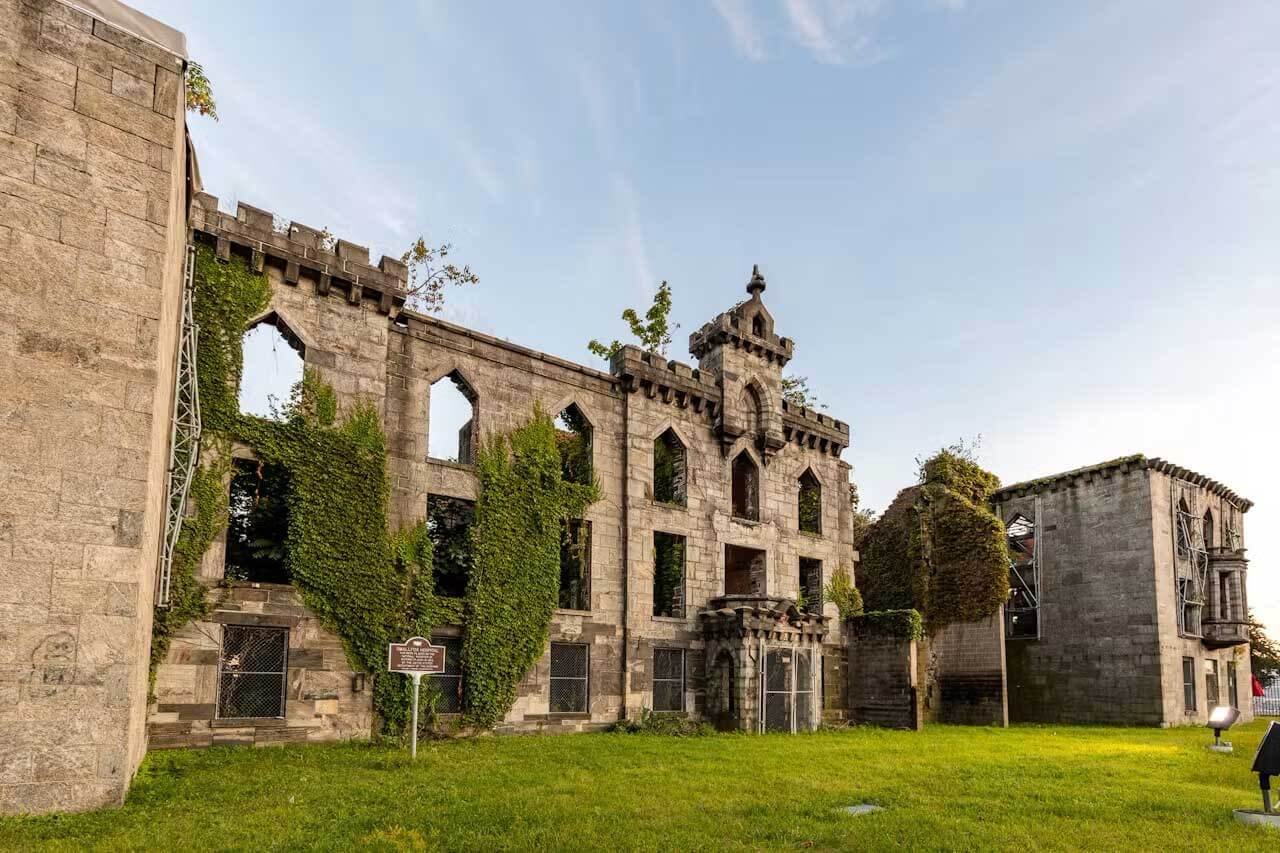
Smallpox Hospital Ruin; Roosevelt Island, New York City
The first clinic to treat an epidemic disease, the Smallpox Hospital was built in the 19th century and designed by James Renwick, Jr. It’s been abandoned and neglected for years.
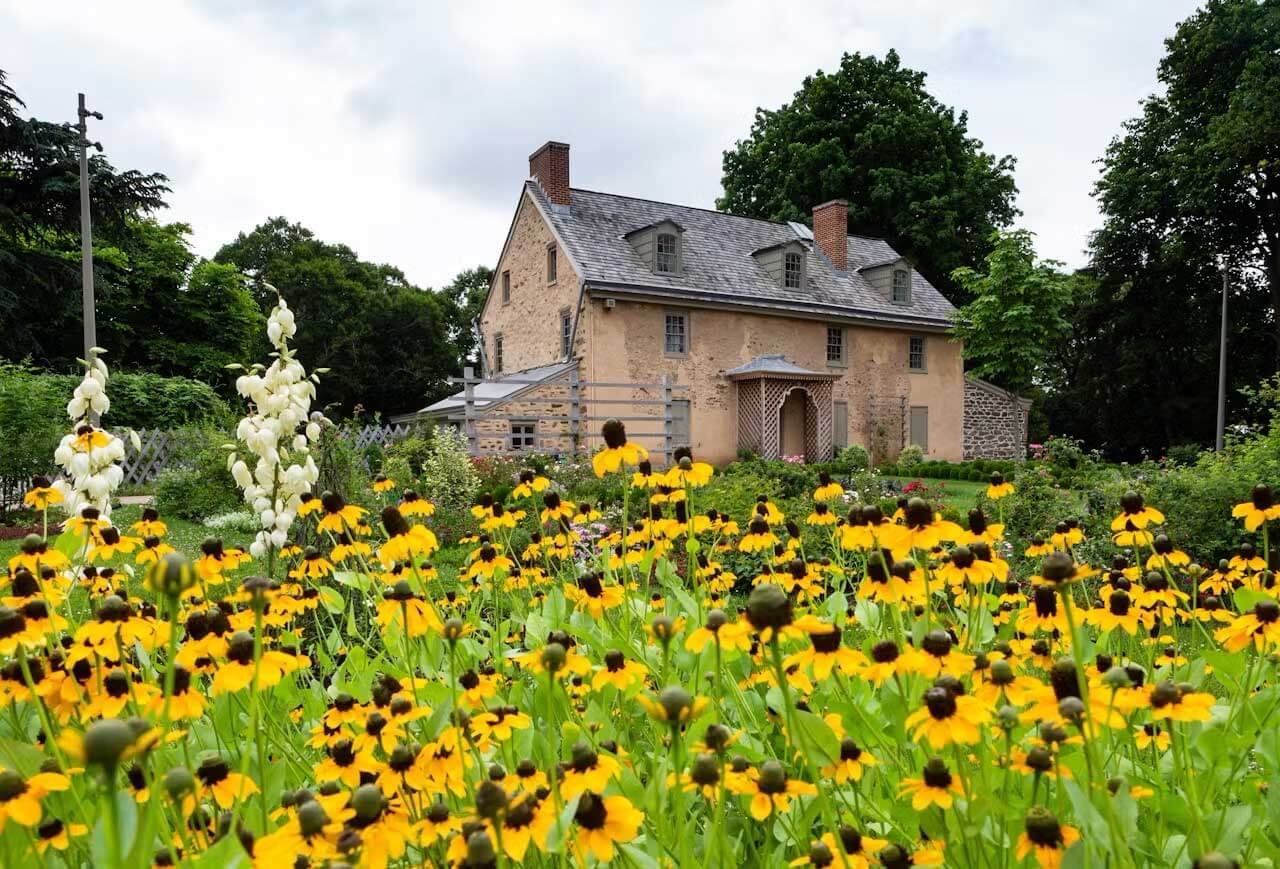
Bartram’s Garden; Philadelphia
Bartram’s Garden is the oldest surviving botanical garden in the U.S. Its visitor volume is expected to double in the coming years, and faces climate and development pressures.
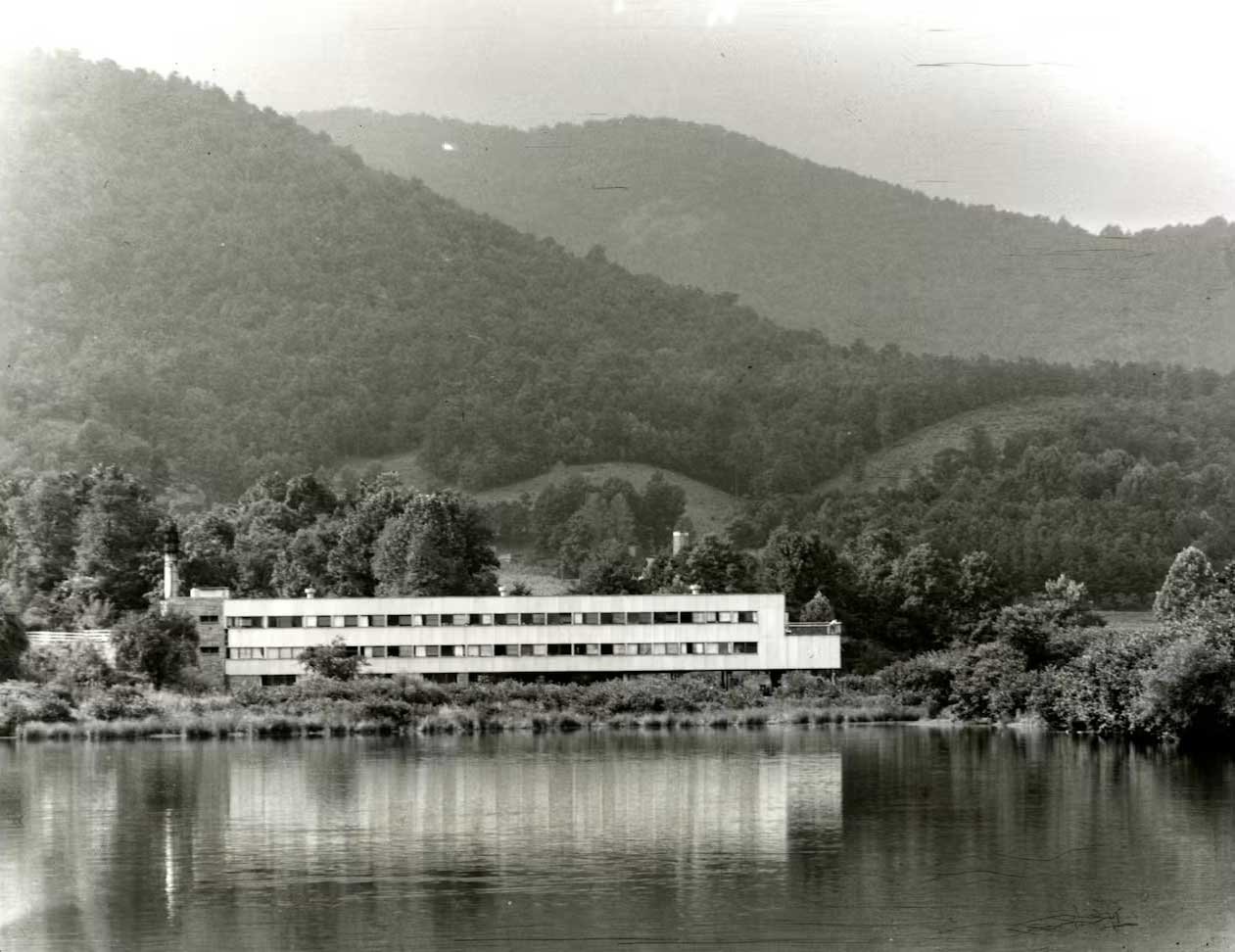
Black Mountain College Studies Building; Black Mountain, North Carolina
When Nazis closed the Bauhaus, a number of professors decamped from Germany to North Carolina’s Black Mountain College, among them Anni and Josef Albers. Today the Black Mountain College site is threatened by rising water levels, and wear and tear.
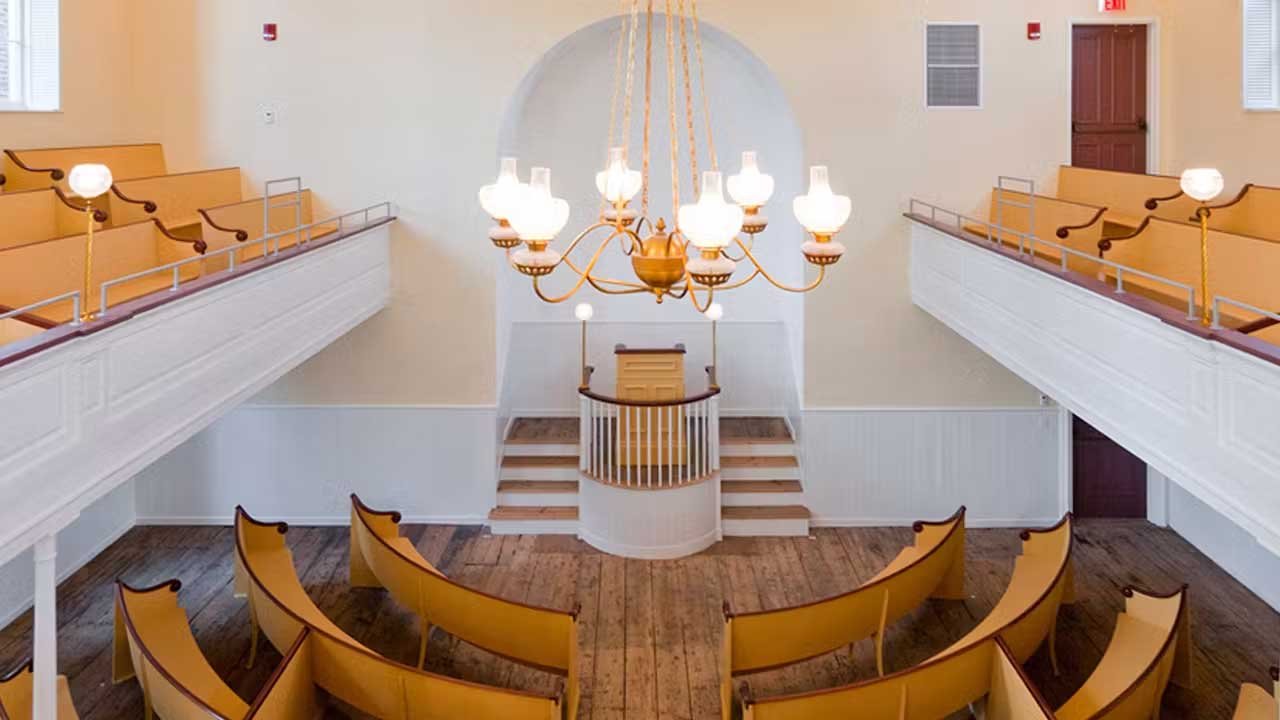
African Meeting House; Boston
An anchor of the abolitionist movement, Boston’s African Meeting House is the oldest surviving Black-founded church in the U.S. WMF said that “shifting interpretation policy,” similar to what is happening at the Smithsonian Institution, in the U.S. threatens its landmark status.
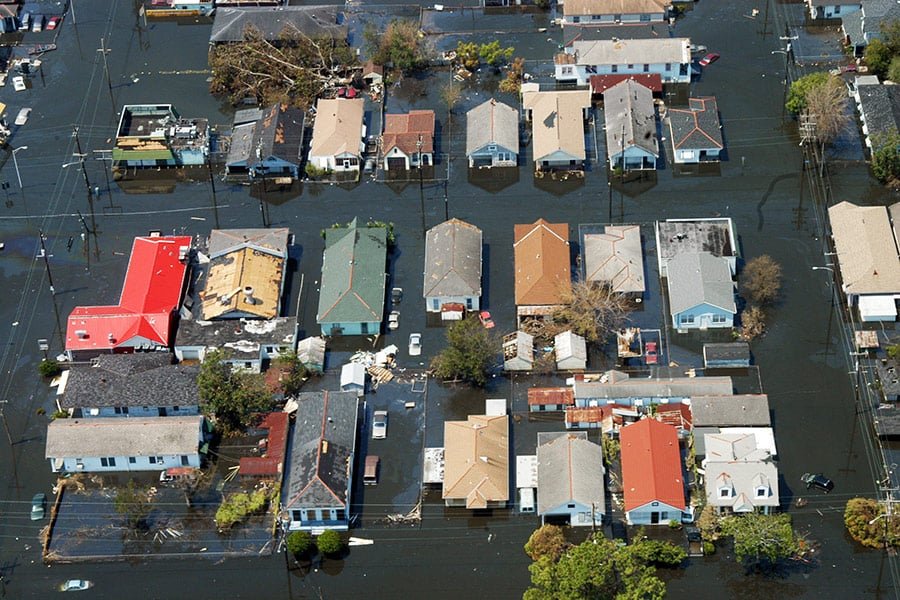
City of New Orleans, Louisiana
The entire city of New Orleans was listed by WMF as in danger and in need of preservation. Shaped by Indigenous, African, European, and Caribbean influences, New Orleans faces climate danger and population loss, stemming from global warming.
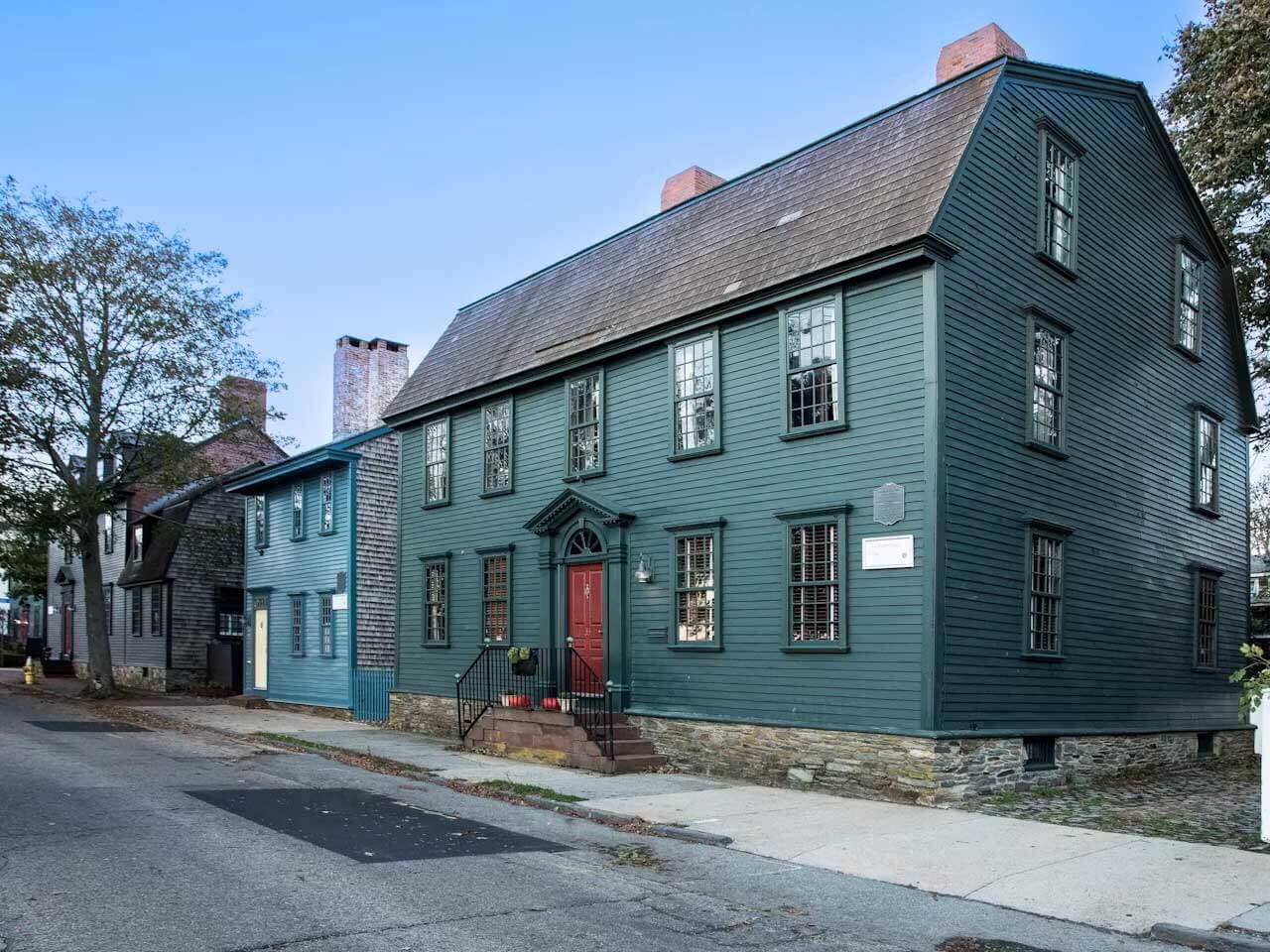
Colonial Homes of Newport, Rhode Island
The historic saltbox houses and mansions of Newport, Rhode Island, abound in too many coffee table photography books to count. Like other locations on this list, they are threatened by rising sea levels, demanding urgent attention.
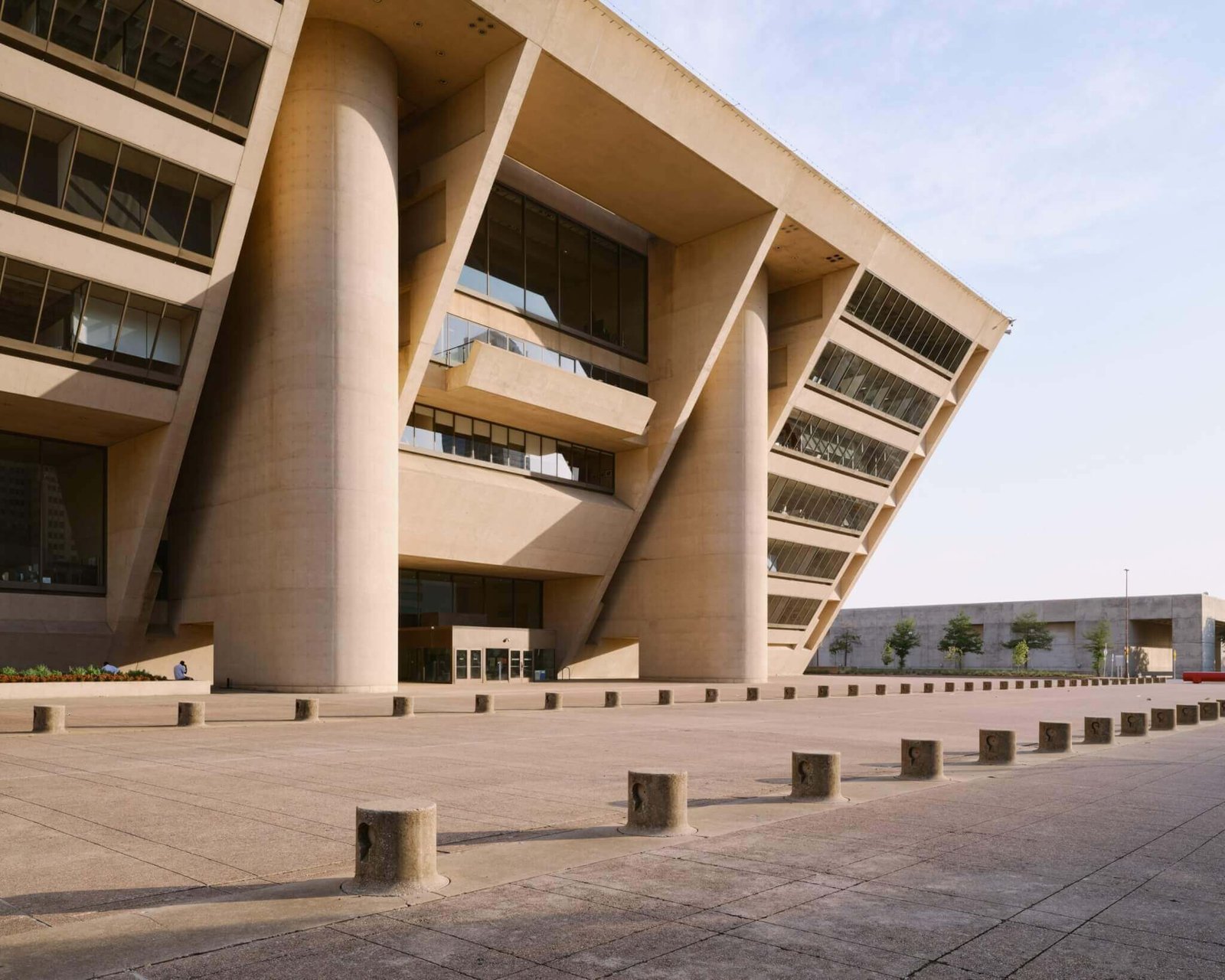
Dallas City Hall; Dallas, Texas
The fight to save Dallas City Hall by I. M. Pei has been long reported on by AN, and Mark Lamster’s writing on the topic for the Dallas Morning News recently earned him a Pulitzer. WMF described Dallas City Hall as among the country’s most significant examples of civic architecture now under threat by development.
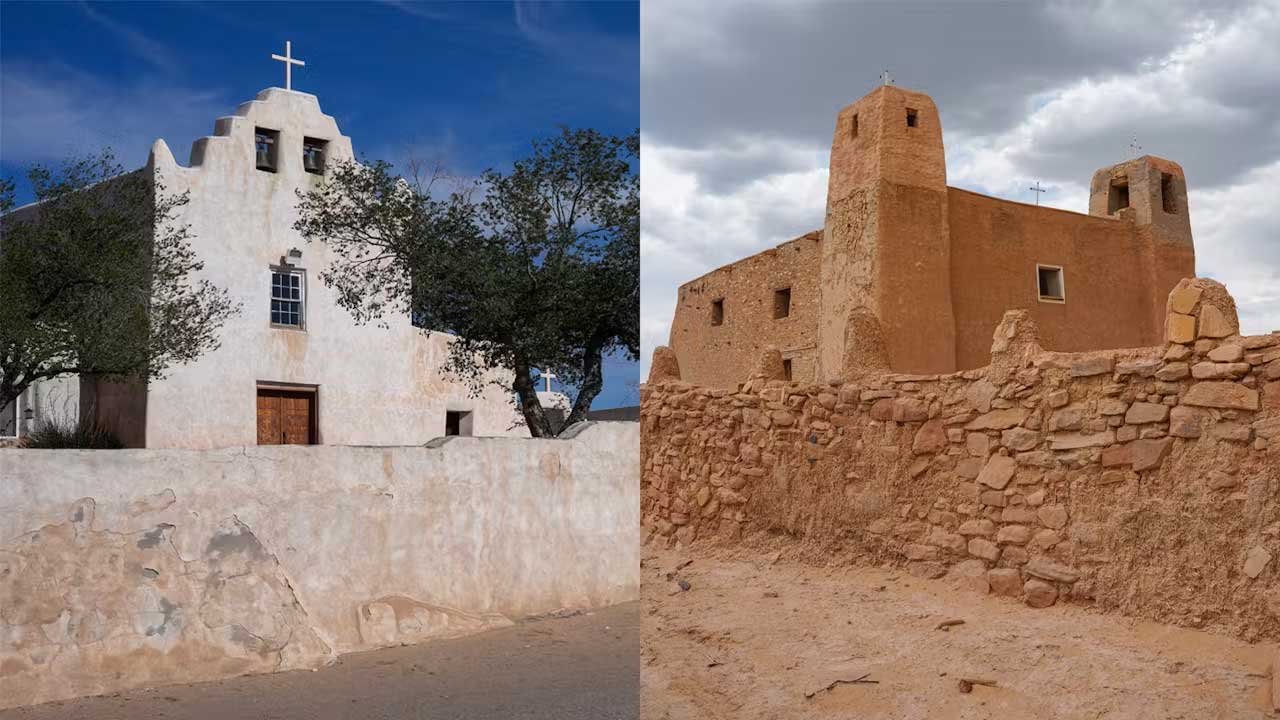
Mission Churches of Acoma and Laguna Pueblos, New Mexico
Myriad Pueblo-Franciscan mission churches built by Pueblo communities after Spain’s conquests in present-day New Mexico face funding shortfalls and waning traditional preservation knowledge.
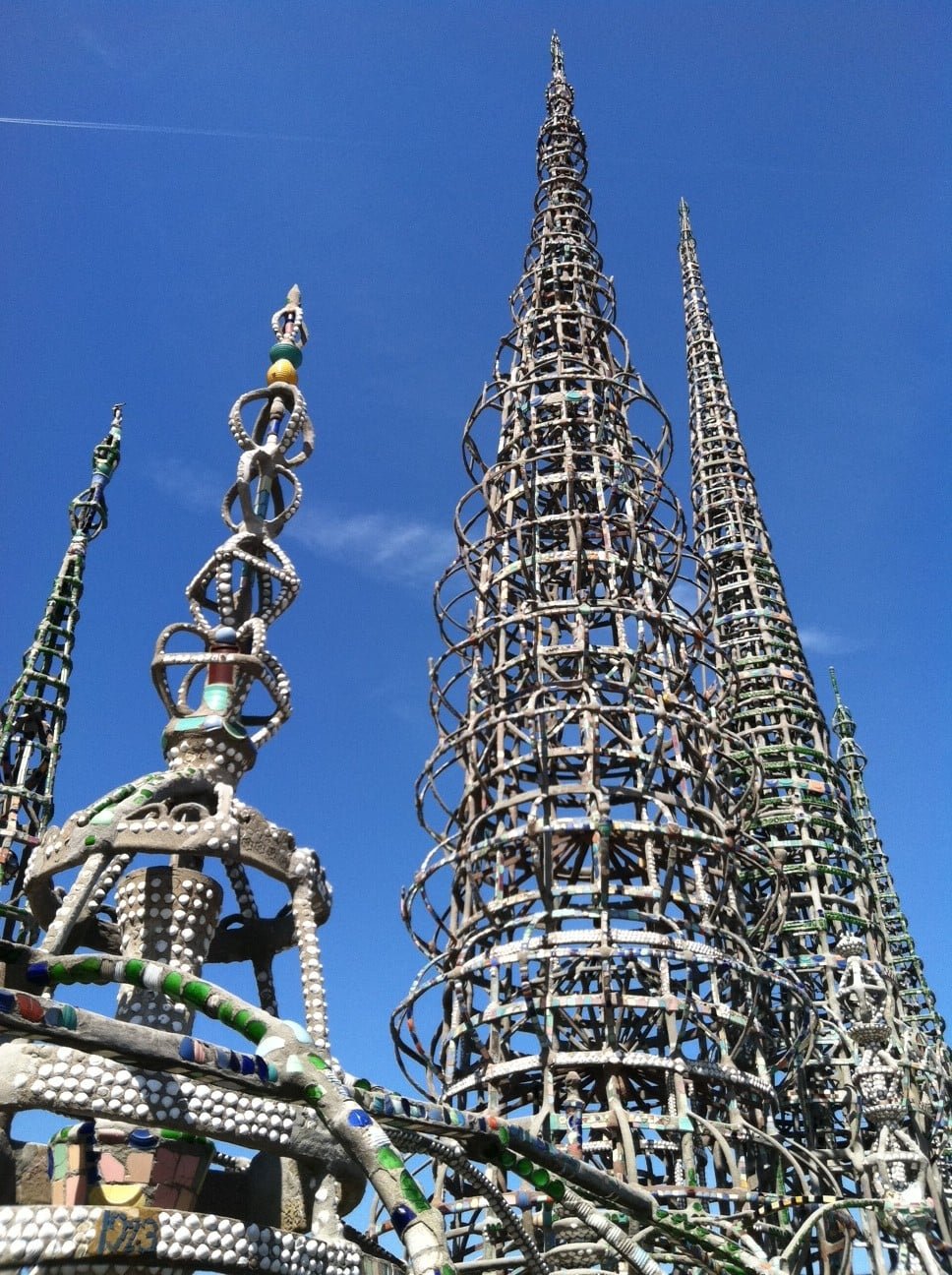
Watts Towers, Los Angeles
Over the course of three decades, Italian immigrant Simon Rodia built one of the most identifiable landmarks in Los Angeles. Environmental stress, seismic risk, and dwindling resources threaten the sculptures made from steel rebar.
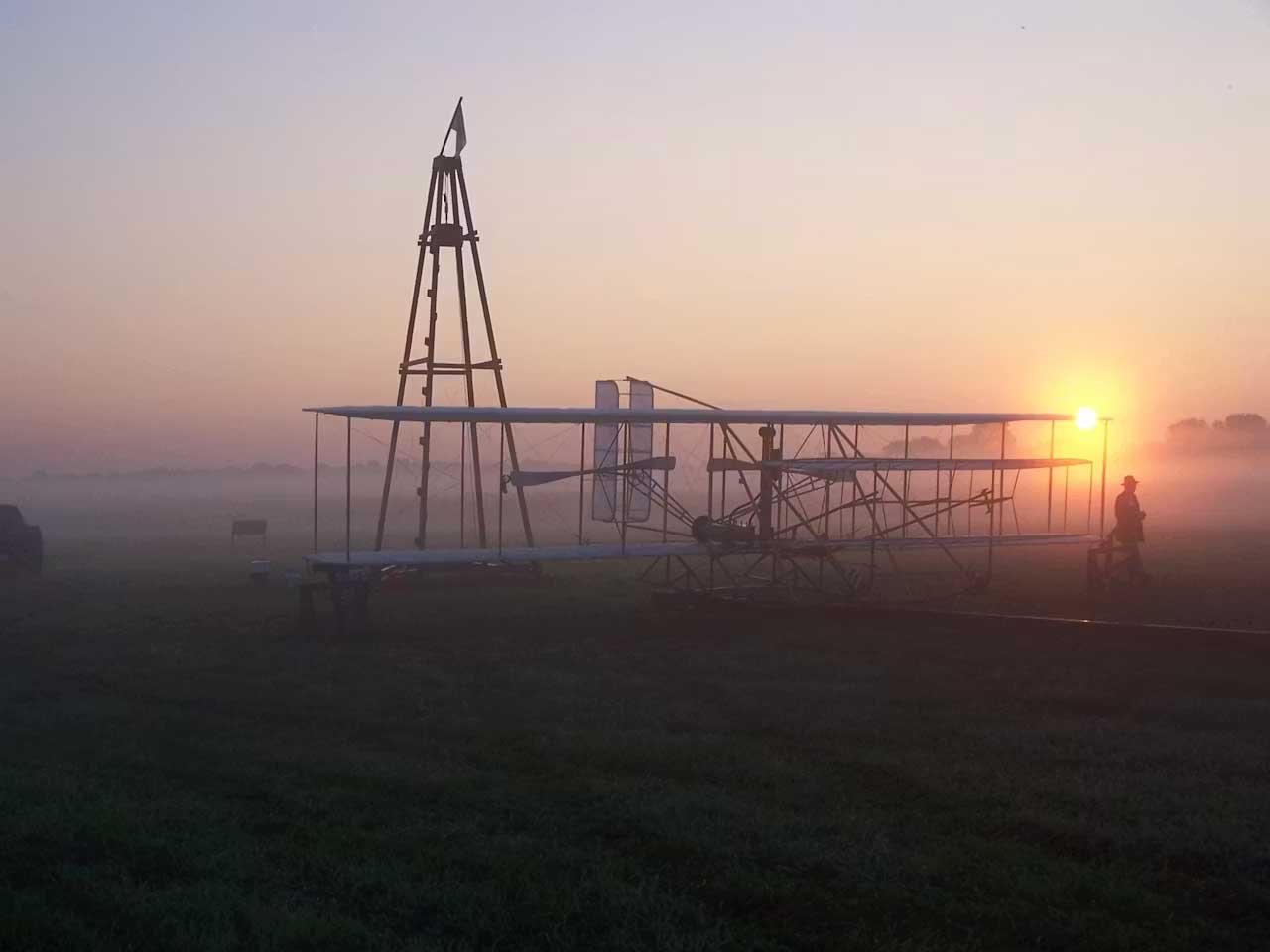
Wright Brothers Sites; Dayton, Ohio
The Wright Brothers invented flight from the fields and plains of Dayton, Ohio. Funding and staff cuts to the National Park Service, which manages the Wright brothers sites, puts them at risk.
Additionally, WMF extended special recognition to the National Park Service, which stewards over 430 sites across the U.S. and has been defunded and destaffed in recent years.
The Irreplaceable America list was selected from a pool of 75 submissions. The criteria was based on the level of urgency and historic value, “reflecting both the breadth of American history and the range of preservation challenges these places face,” WMF said.
Jurors that presided over the selection were Charles A. Birnbaum, The Cultural Landscape Foundation; architecture professor Charles L. Davis, University of Texas at Austin; architecture professor Francisco Uviña‑Contreras, University of New Mexico; critic Paul Goldberger; and Elizabeth MacMillan, National Museum of American History.
“The United States was built by people from every corner of the globe, shaped by Indigenous nations, early settlers, immigrant communities, and generations of cultural exchange,” said Bénédicte de Montlaur, WMF president and CEO in a statement. “That complexity gave rise to some of America’s most enduring contributions, from colonial heritage to jazz and hip-hop and the Wright brothers’ invention of powered flight.”
“After decades of work at more than 700 sites in 113 countries, WMF has seen what communities gain when they can protect the places that matter and what is lost when they cannot,” de Montlaur continued. “As the nation approaches its 250th anniversary, Irreplaceable America is a call to protect the places that reflect the richness of that history, and the role heritage plays in education, community memory, and civic life.”