



He Built This City: Joe Macken’s Model
Museum of the City of New York
Ongoing
Last July, a 63-year-old truck driver named Joe Macken posted a video on TikTok and nonchalantly said: “For the past 21 years I’ve been building a miniature model of New York City, and I’m carving the entire thing by hand out of balsa wood. I’ve made almost a million buildings.” In a matter of days, the video had more than 10 million views. Commenters expressed awe and admiration, echoing the Indiana Jones–esque refrain over and over: “This belongs in a museum.”
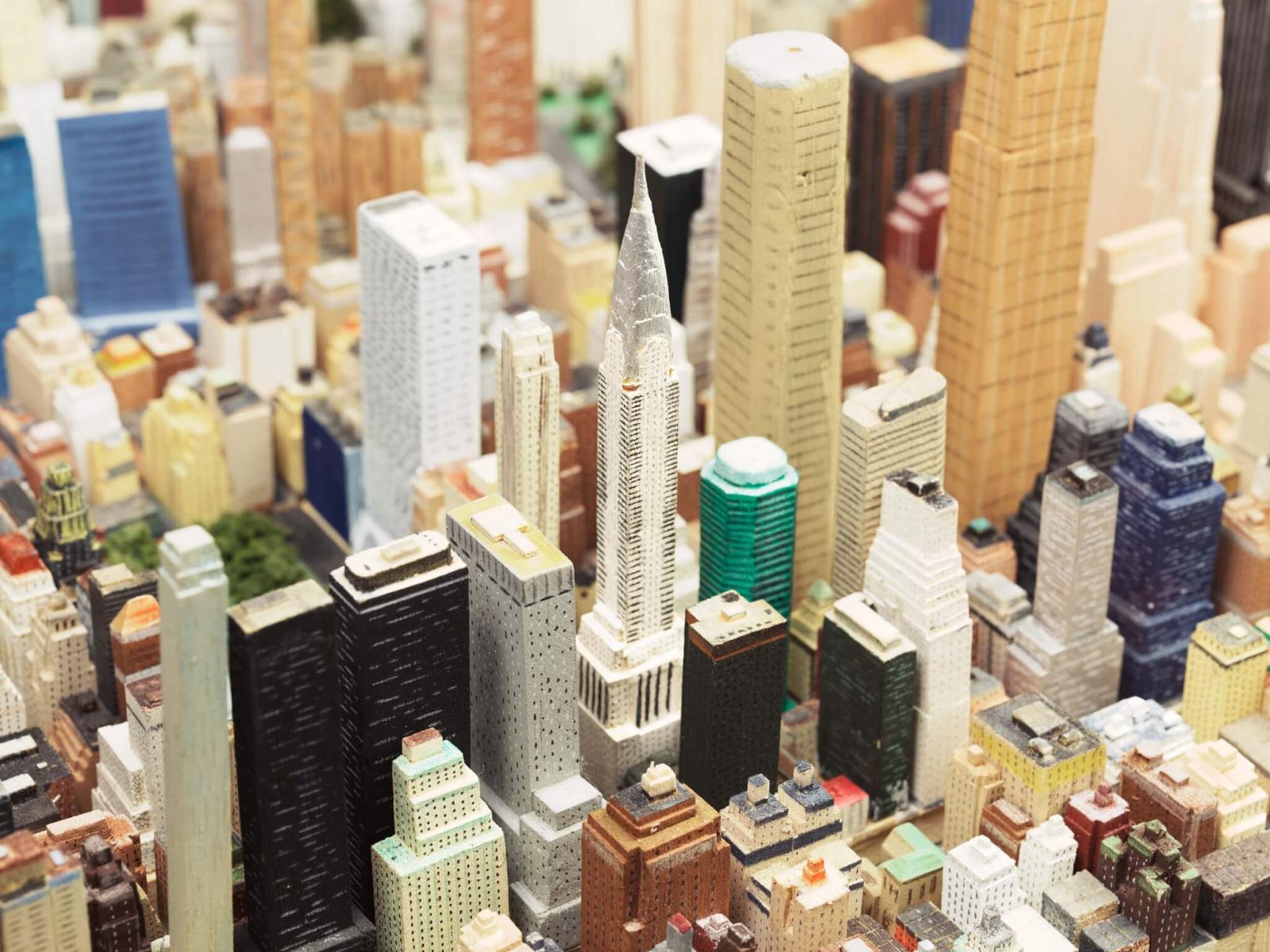
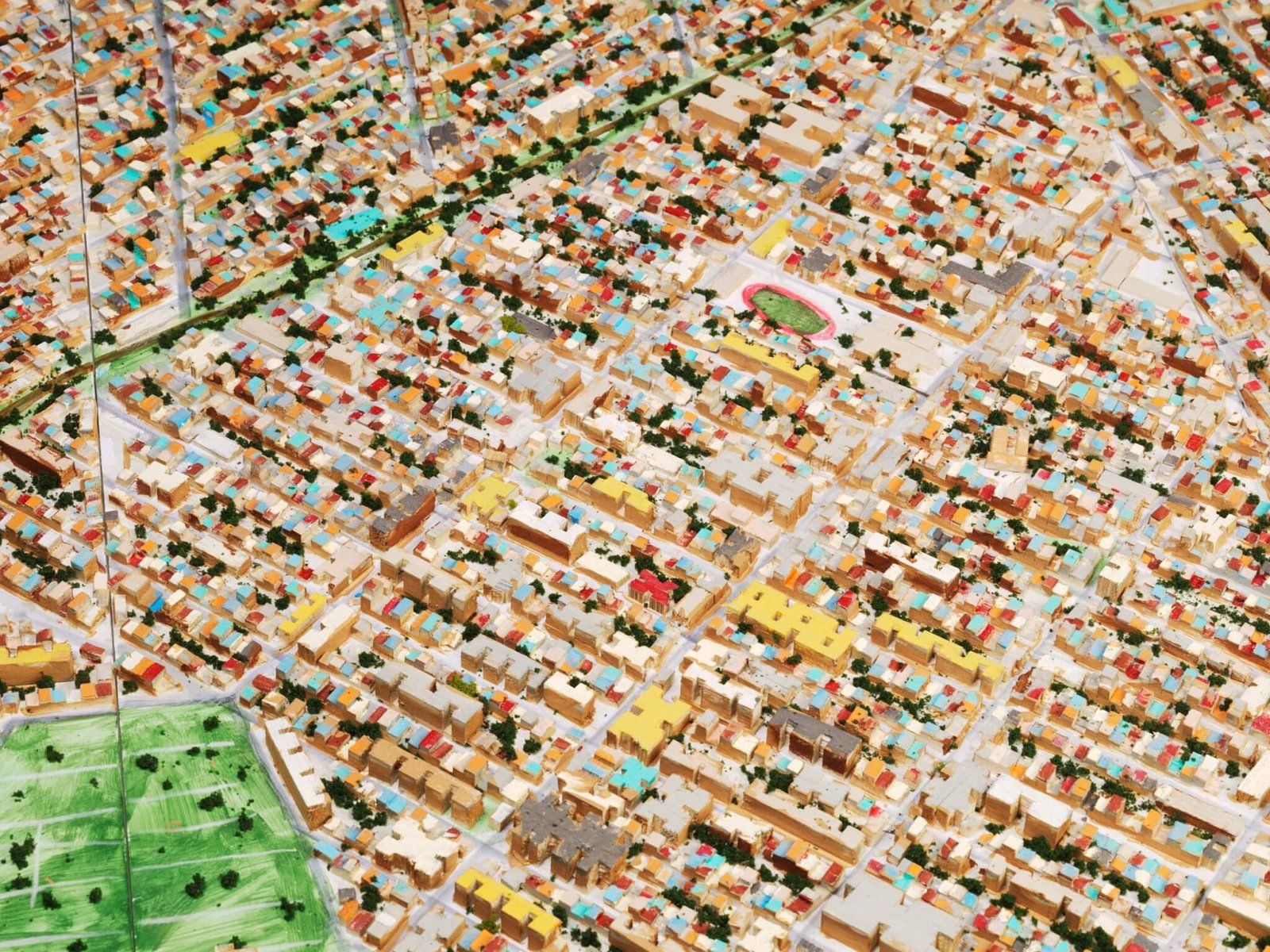
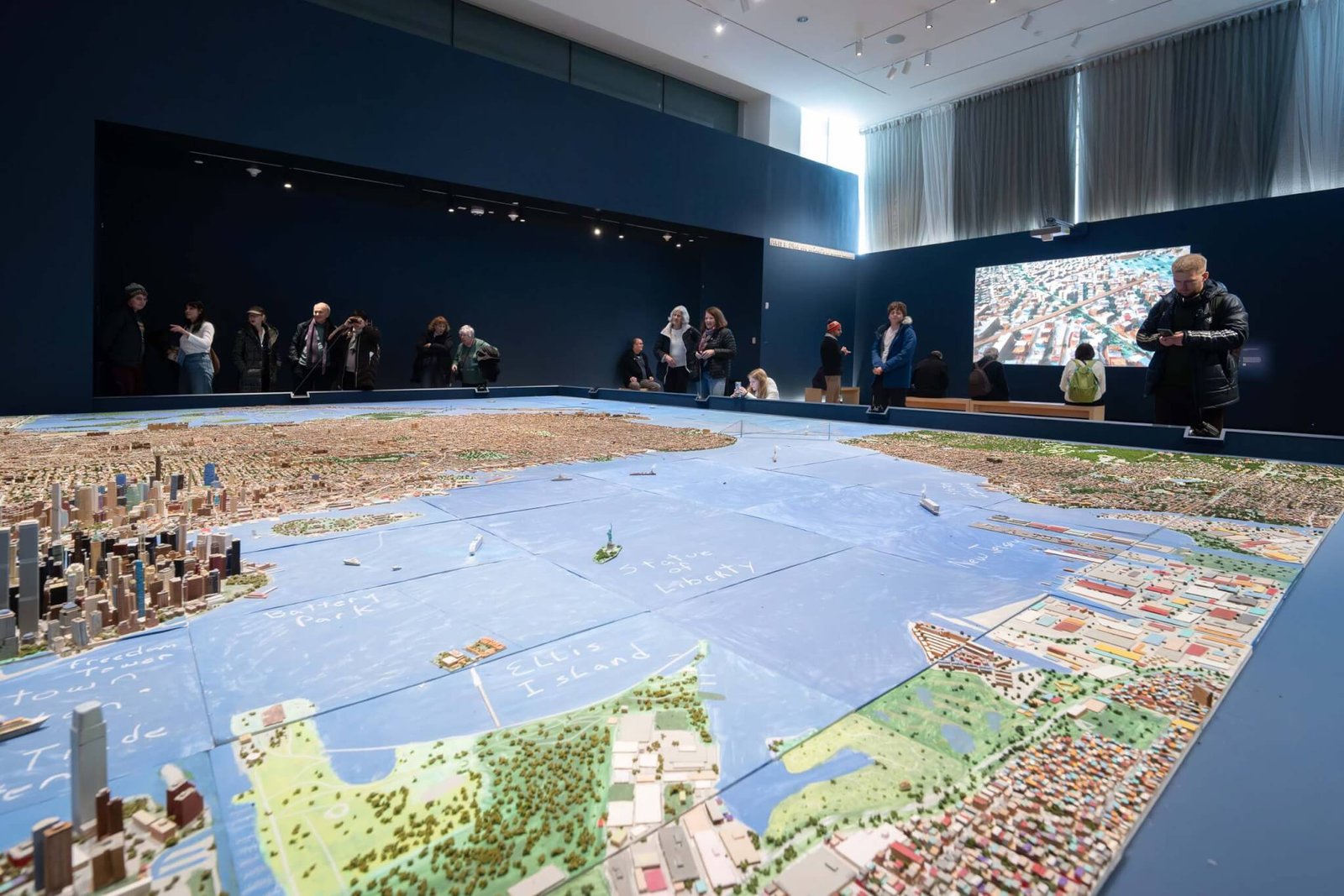
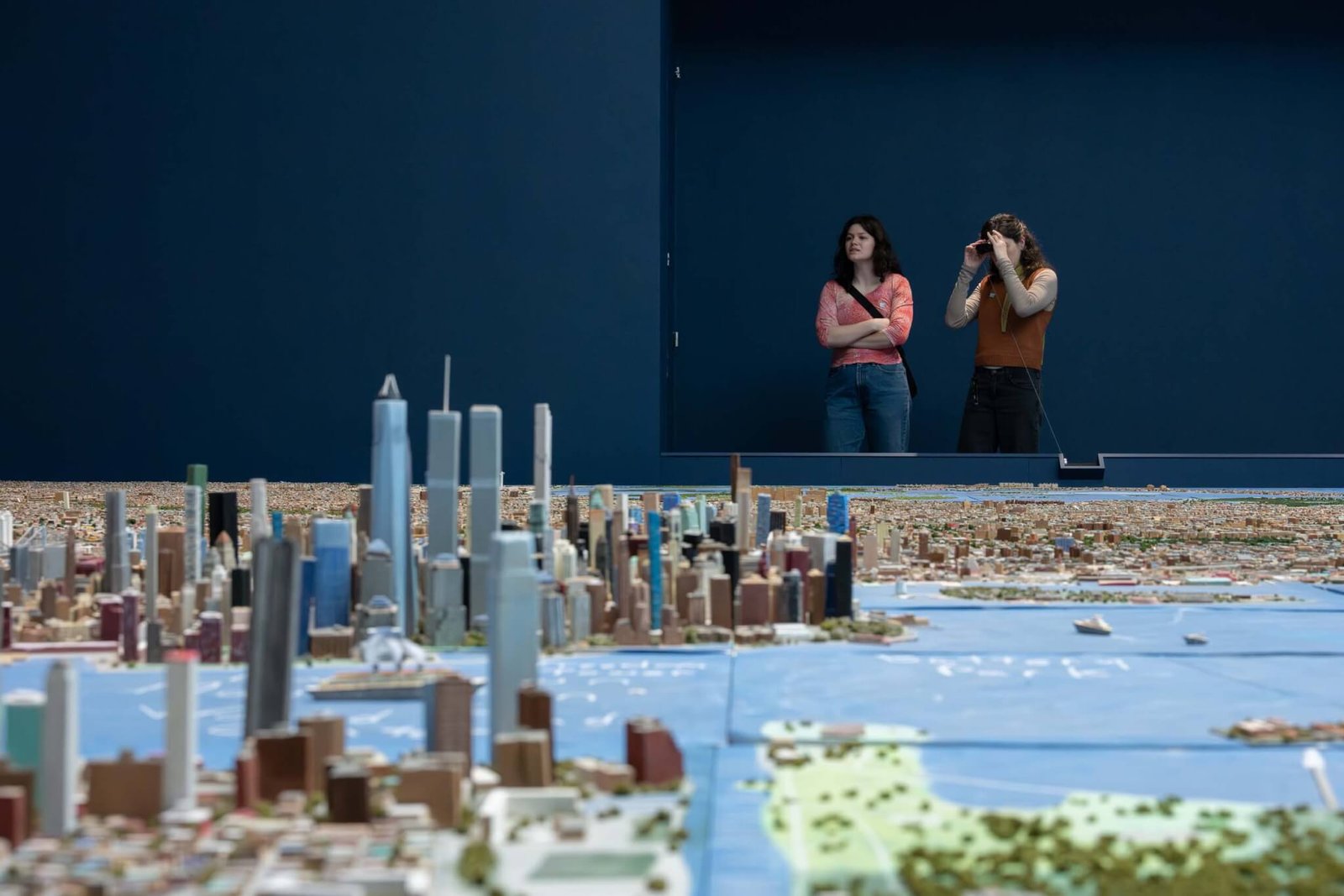
They got their wish. Today, Macken’s 1,500-square-foot hand-carved model of New York City stretches across an entire gallery room in a solo exhibition titled He Built This: Joe Macken’s Model at the Museum of the City of New York. Since the show’s opening in February, visitors have flocked to view the masterpiece which contains over one million tiny houses, towers, and bridges—each painstakingly carved, sanded, and painted.
“ At the door we often ask visitors what they’re here to see,” said Chris Gorman, the museum’s Director of Communications, who identified a 36 percent jump in attendance numbers in the time the exhibition has been open compared to the same period in 2025. “ A lot of times the most common answer is, ‘I’m here to see all the exhibitions.’ But since this opened, more visitors say they’re here to see the model than they are here to see anything else.”
What drew them was not simply Gotham in miniature. A similar city-wide model created for the 1964–65 World’s Fair has been on display for decades at the Queens Museum; it served as an early inspiration when Macken himself saw it as a child on a school trip. But this earlier model, with its mechanically cut plastic edges, exudes none of the tenderness and warmth found in Macken’s homemade version. Macken built his model in his basement, a couple hours each night, following a 10–12 hour work day spent behind the wheel of a delivery truck, dinner with his family, and getting the kids to bed. Elisabeth Sherman, the museum’s chief curator and deputy director, recalled: “He kept telling us, ‘Some people meditate, some people run. And I do this.’”
Although proudly born and bred in Queens, Macken started his project with Manhattan. It was only after he completed the borough that finishing the entire city became an obsession. “It could be very tedious,” Macken reminisced. “It could really drain on you mentally. But that was all part of it, you know?” There were nights when he would “wind up being down there for five hours, and I’d fall asleep at the table.”
Macken meticulously replicated nearly every block down to the square foot. Before the invention of Google Maps, he walked block after block, taking photos to bring back to his house as a reference. “Everybody asks if it’s accurate,” said Sherman. “And of course it’s accurate. But not necessarily as of now, in 2026. It’s an amalgamation of different ‘New Yorks,’ because this is Joe’s city.”
The model features bits of New York’s past like the original Kosciuszko Bridge that Macken spent years driving his delivery truck over; the tiny letters “RCA” emblazoned on the art deco icon known today by its address at 30 Rockefeller Plaza; and, standing next to the present-day One World Trade Center, the Twin Towers, which a young Macken watched being built, day after day, perched atop his apartment’s radiator on cold winter mornings before school. His distinctive blend of the city’s past and present functions as a kind of open memory bank, inviting every New Yorker to search through Macken’s memories and find their own. “He wanted every person who lives in the city to be able to find where they live,” Sherman said, “To find their story.”
Since the model has been on display at the Museum of the City of New York, Macken has received attention from the likes of the New York Times and even a Japanese TV show. “When I went to the museum, people were asking for my autograph. I felt like a celebrity!” But for Macken, the best responses are the ones he gets from architects. “I’m a kid from Queens. We were supposed to take the police test, or the fireman test. That’s the way it was when I was a kid. It was never about having those big aspirations of becoming an architect or anything.” Yet today he is showing architects a vision of their craft that many had never imagined. “I’ve talked to a lot of architects who have purposefully gone down there because they want to see this. One guy told me, ‘I’ve been an architect for 25 years. I’ve seen everything. I’ve never seen anything like this.’”
“I think lay folks have this feeling that architecture is so unavailable to them,” Sherman suggested. “That it is so precise, that it takes so much training. And that’s true. But some of the skills of it are actually quite intuitive.” Macken agreed: “It’s amazing how much you can learn and develop yourself just from doing something. My brain started figuring it out as I was doing it.”
Although he’s covered all five boroughs, Macken hasn’t stopped. Back in his basement, he continues to move outward; he’s now working on sections of New Jersey and Long Island. “When people see the model, they just can’t believe what one person can accomplish,” he added. Now he’s starting to hear from others who are beginning to craft their own tiny cities. “One guy commented today saying, ‘I’m starting to build San Francisco. Do you have any tips?’”
Isabella Segalovich is a writer and content creator that studies anti-authoritarian folk art history, and is the forthcoming author of Ornament Now, set to be published in 2026 by the Royal Institute of British Architecture. You can find her @interstellar_isabellar on Instagram and TikTok or at Ornament and Crime on YouTube.