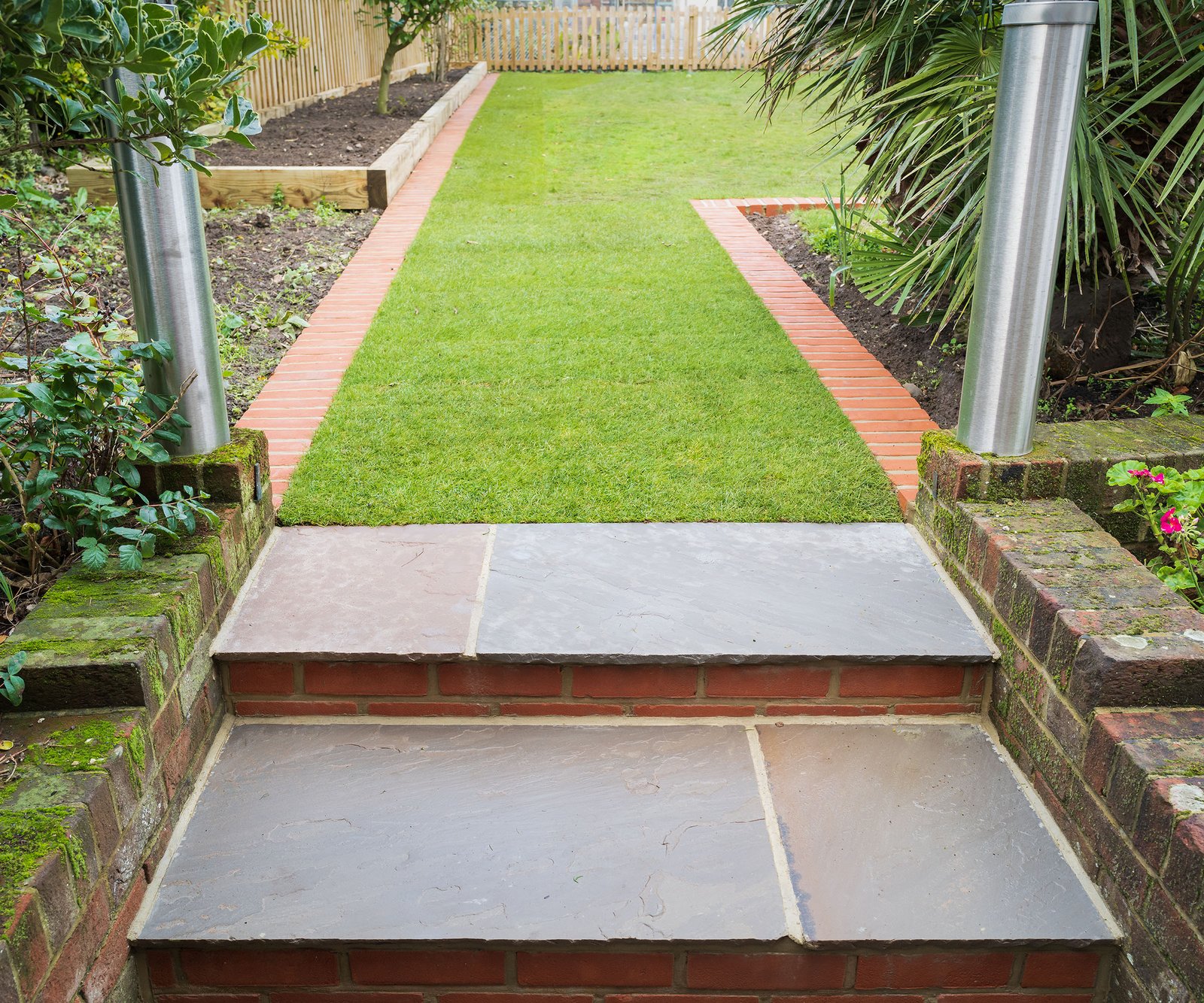
Finding out how to lay turf from these lawn experts could mean that you don’t need to pay a professional to install it for you. It’s really a simple task even for a fairly novice gardener, albeit labour intensive.
The effort very much depends on the size of your space, but you can expect a fair amount of digging over and some lifting. So, depending on the side of the space and how fast you work, block out a day in your diary. Dry weather is necessary, sunshine is just nice to have when working on your lawn ideas.
“The best time to lay turf is spring or autumn when rain helps the new grass establish roots before summer sun or winter frost,” says lawn expert at Allan’s Gardens Jane Dobbs. To ensure that your day goes without a hitch and you lay turf which is going to thrive in your garden, all the information you need is below.
How to lay turf in 3 steps
Once you’re happy with the cost of re-turfing a lawn, making sure you have all the tools you need before you begin is just as important as picking a day get started.
According to David Hedges Gower, lawn expert and chair of the Lawn Association, you’ll be told that any time of year is the best time to lay turf, and whilst that is true to an extent, he explains that the hotter it gets the more water you will need and the bigger chance of turf failing.
Laying turf yourself is cheaper than hiring a professional but sowing grass seed is cheaper still though the results are much more delayed.
What you will need:
Don’t let your turf sit in extreme hot or cold(Image credit: Getty Images)
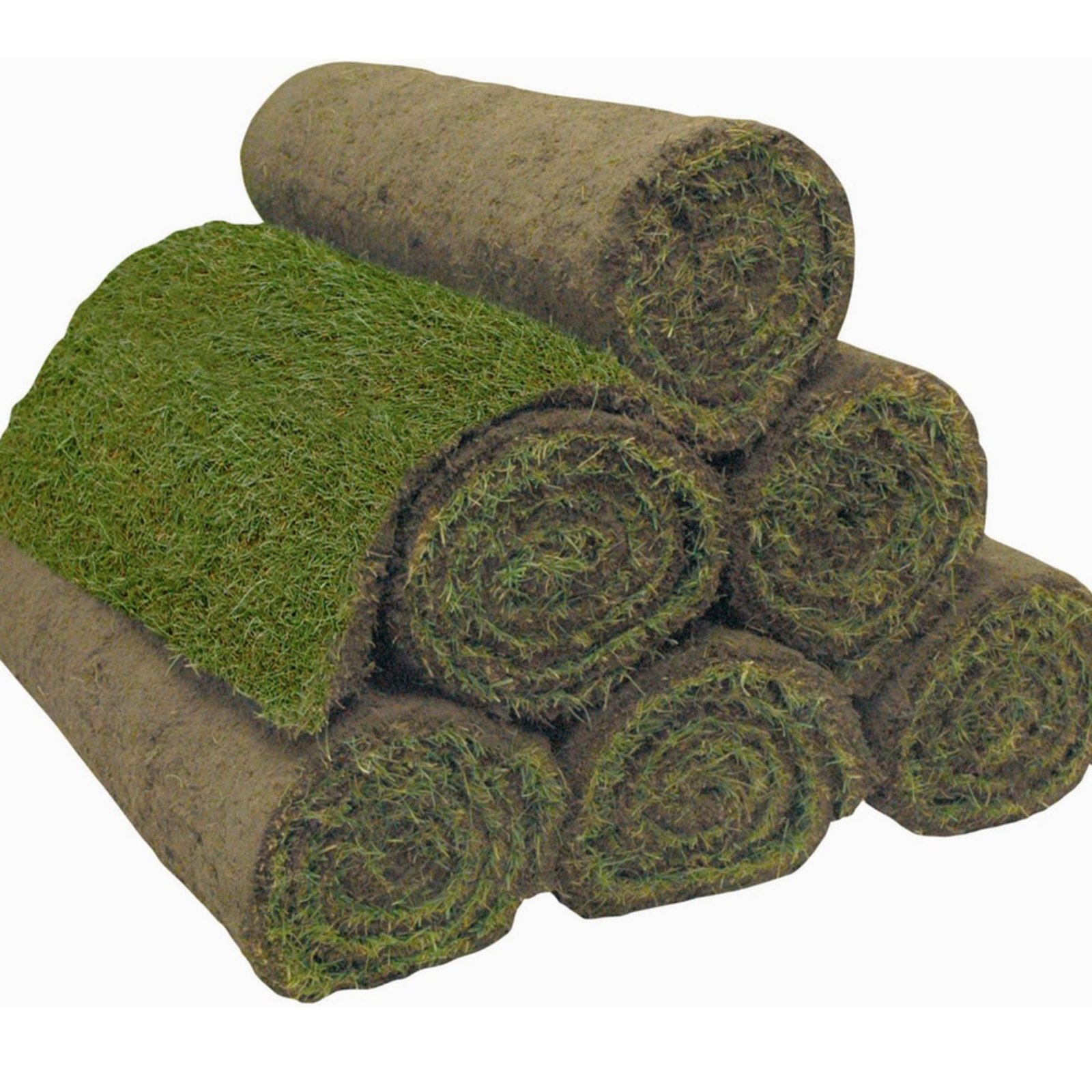
Enough turf for your area
An implement to cut the turf such as an edging iron, a long knife or even a saw
Wooden boards for walking on while turf establishes
Shop turf
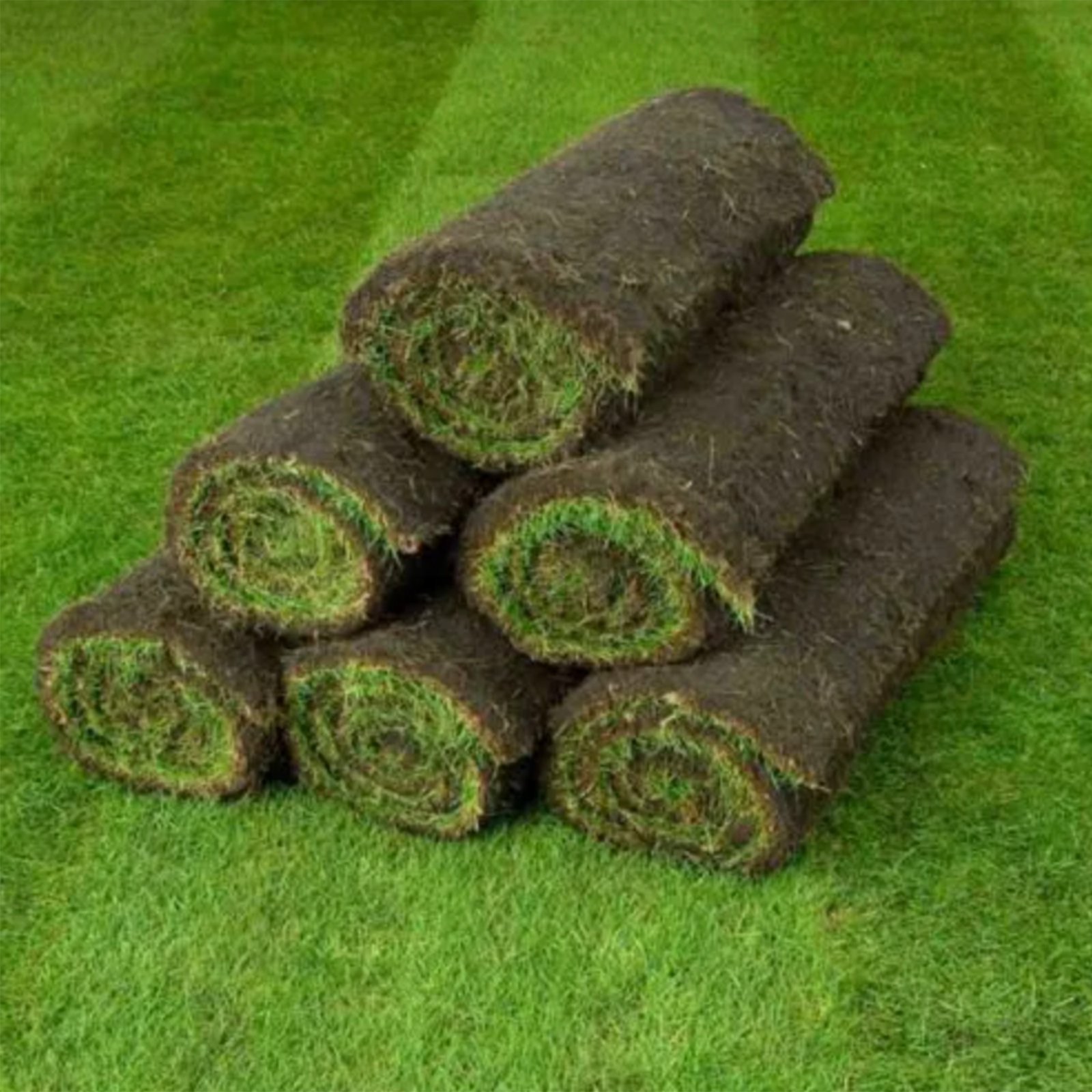
Harrowden Turf Premium Lawn Turf 50sqm
This is a premium turf which is sold to be disease resistant and weed-free. They cut it to order too which means you can be confident that it hasn’t been sitting in a dark warehouse for weeks before it shows up on your doorstep.
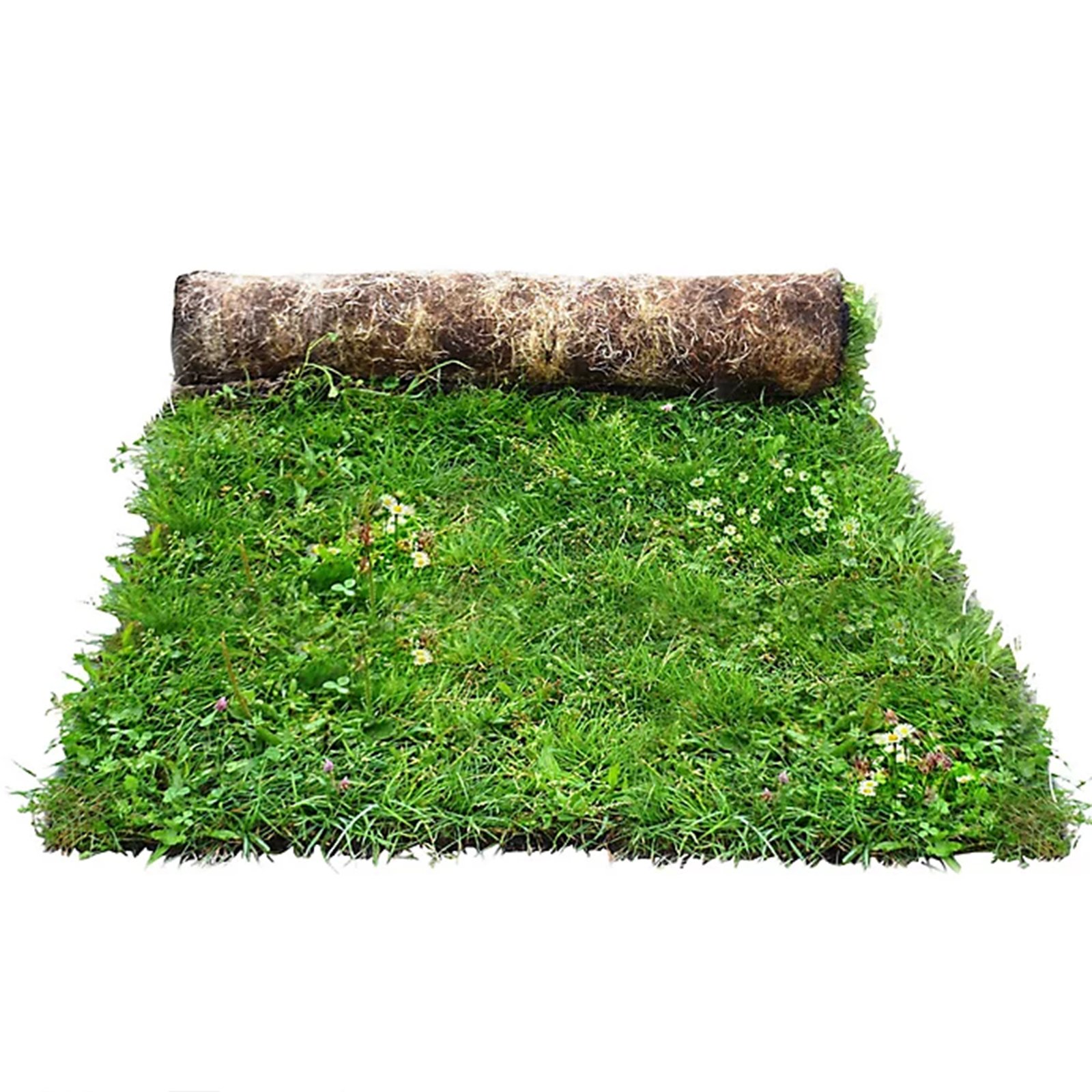
Meadowmat Wildflower turf, 20m² Pack
If you’re looking for something a little more naturalistic then this wildflower turf could be an option. It’s pricier than standard turf, but if you’re into rewilding and bringing in pollinators then this option, containing native wildflowers will be perfect.
This turf is grown in the UK meaning it is acclimatised to the UK climate. It’s the same turf that many Open golf courses and commercial landscapes use so it’s very tolerable to leisure and sport.
1. Prep your soil area
David Hedges Gower, lawn expert and chair of the Lawn Association explains that if you have compaction, then alleviating it is important before laying new turf.
“You can dig over the soil with a fork or use a rotovator for larger areas. This is the perfect time to work organic matter into the soil or even using sand on the lawn, to ensure drainage is good,” says David.
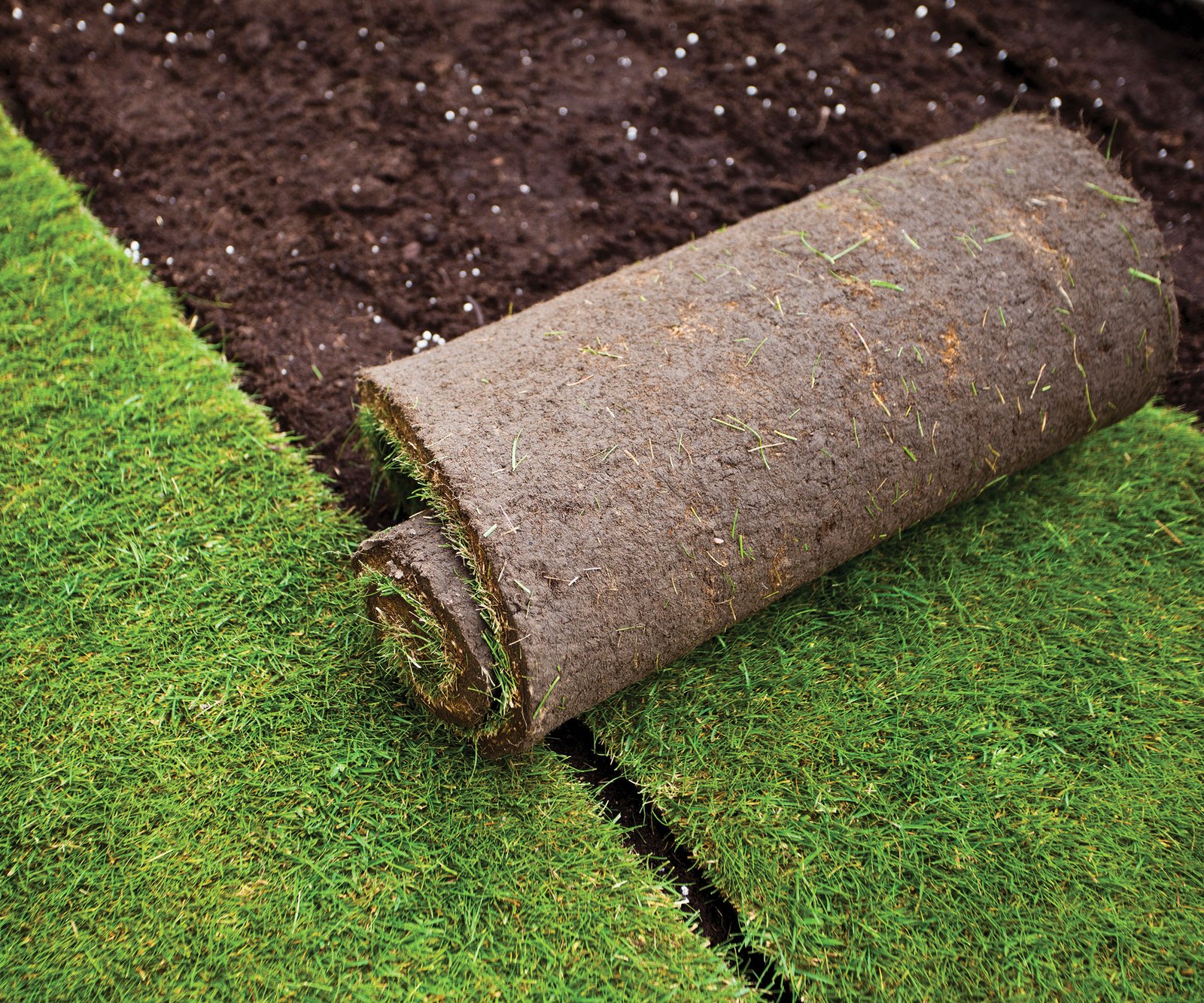
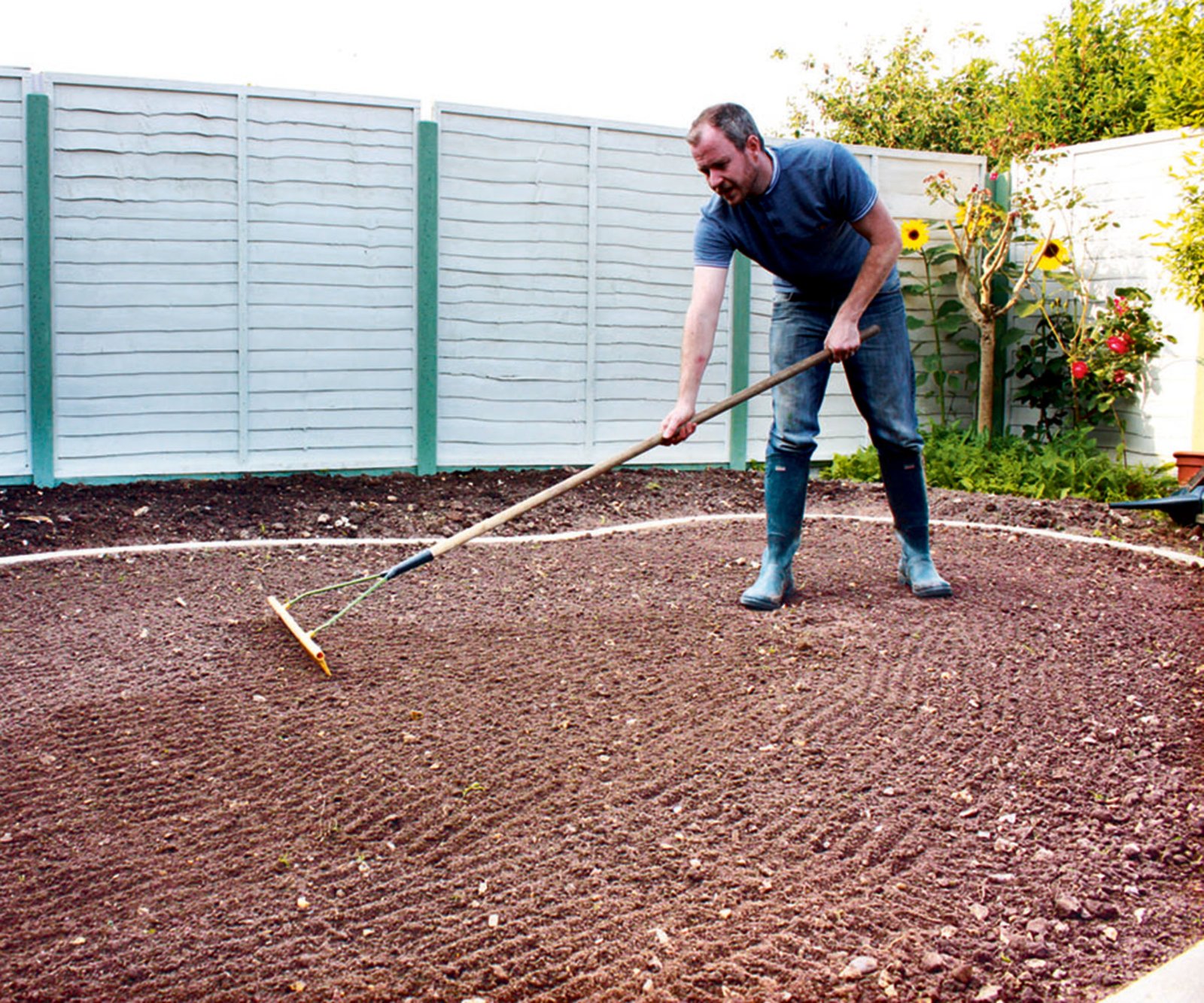
“Spread a general-purpose fertiliser over the ground a couple of days before you lay the turf,” says Jane Dobbs. Then rake the soil to a suitable, even level.
“There are a lot of things that promote healthy root growth and establishment for turf. Don’t let the turf get stressed by extreme heat or cold,” says Jane.
David Hedges-Gower
David is one of the UK’s leading lawn experts, with over 30 years’ experience in the industry. He is Chairman of the Lawn Association, an educational platform for homeowners and professionals, and founded the world’s first lawn care qualification.
It’s important to have a well prepped base for your turf(Image credit: Future Publishing Ltd)
2. Lay your turf down
“It’s important to lay turf on moist, but not waterlogged soil. It’s easier for turf to establish in moist soil. It’s essential to have good drainage to prevent waterlogging, which can kill the roots,” says Jane Dobbs.
“Start laying the turf, preferably along a straight edge at one point on the lawn,” says David.
“Lay a single line and then on the next line ensure the turf edges are staggered, similar to that of brickwork. If turfing across a sloping garden, roll the turf across, not down. You can also ‘peg’ with biodegradable pegs if the slope is severe.”
Jane Dobbs
Responsible for leading the gardening team at Allan’s Gardeners, a landscaping and garden maintenance, business who do lawn care and installation. She has 10 years experience as a gardener.
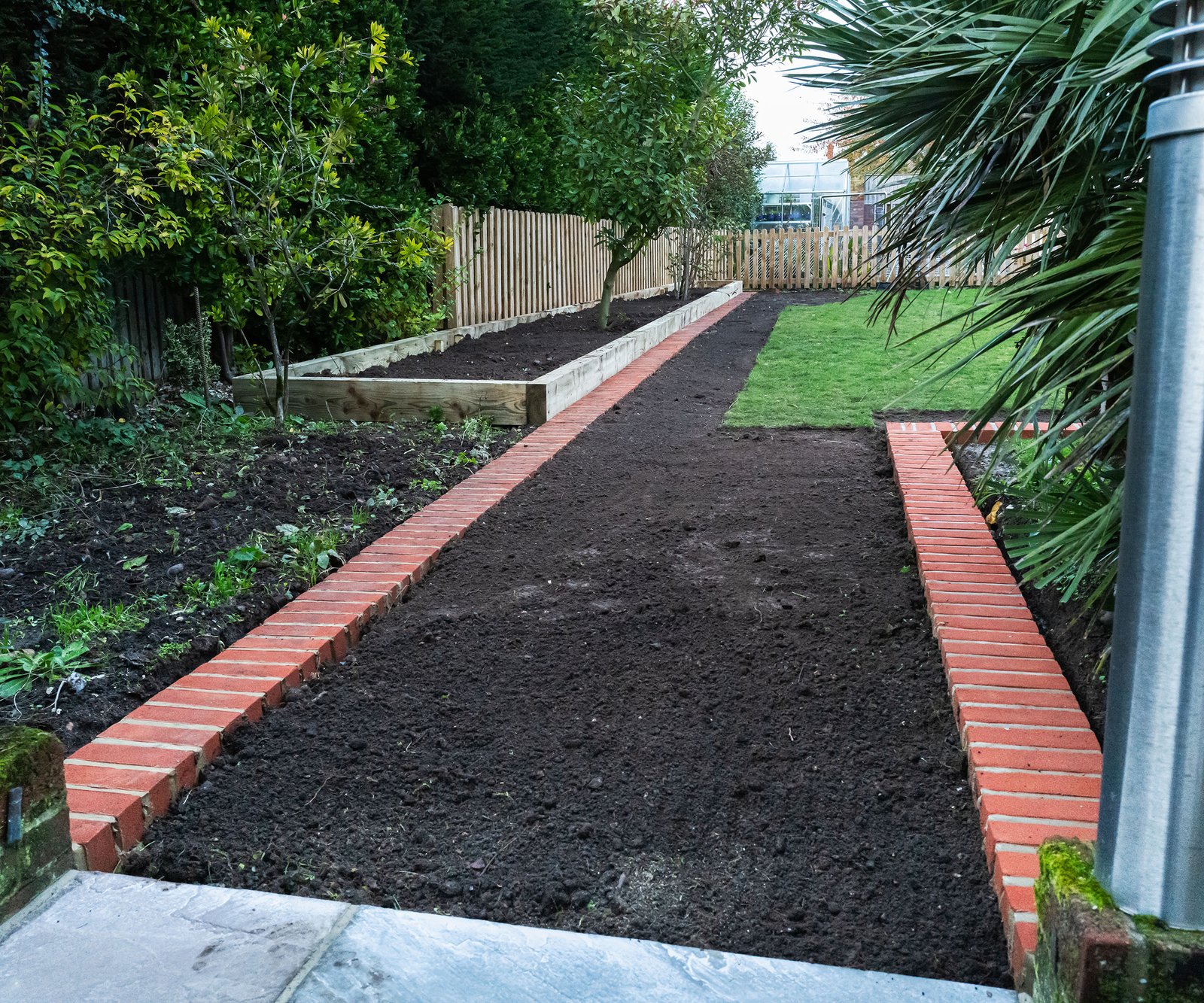
Moisten your soil before laying turf(Image credit: CBCK-Christine / Getty Images)
3. Firm up and finish
“Lightly firm down the turves with the head of a rake or piece of wood to ensure good contact between the underside of the turf and the soil,” says David.
“Use the normal side of a rake to ‘tap’ in the edges of the turf that may have slightly curled. Any cracks can be filled with light sandy soil after you have finished. Trim the ends of the turf with a long knife, hand saw or cutting spade to shape around any trees, paths and beds.”
“Finally, where the outer edges of the new turf are exposed, cover with a light soil to prevent them drying out. This can be removed after a few weeks, once the turf is more established,” says David.
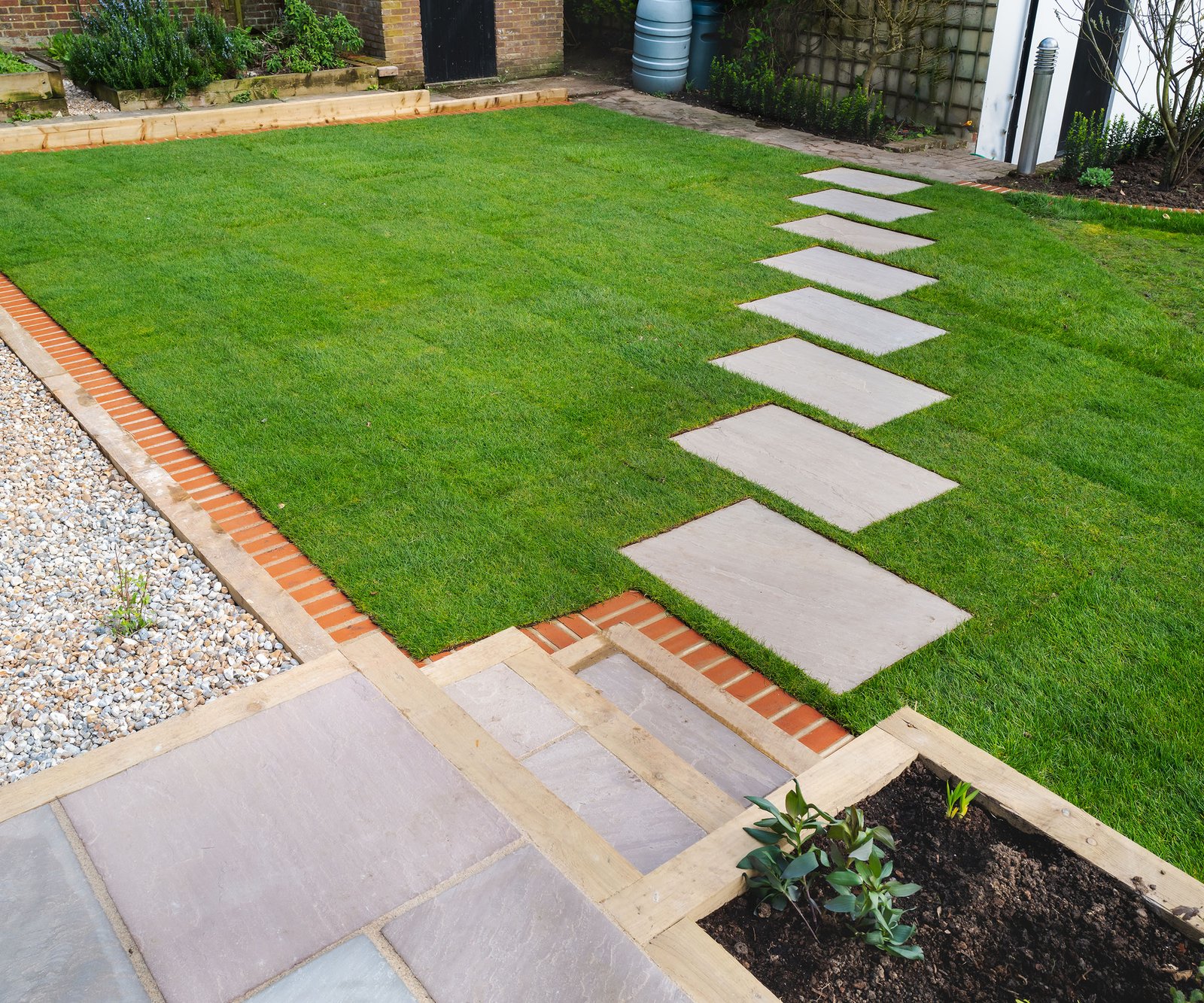
The turf should be in contact with the soil so be sure to flatten any edges(Image credit: CBCK-Christine / Getty Images)
Caring for your turf
“To grow well, turf grasses need at least 6 hours of sunlight a day. It’s best to choose a location that gets enough sun,” explains Jane Dobbs.
“For the first two weeks, water the turf daily to keep the soil moist but not waterlogged. Try not to walk on the freshly laid turf for the first few weeks to allow the roots to establish well.”
“During this period, don’t put heavy objects or machinery like a petrol lawn mower on the turf, it’ll damage them. You should fertilise your turf about six weeks after installation. Check for weeds and moss in lawns and get rid of them as soon as you see them. Killing weeds by hand is often enough, but herbicides labelled safe for turf can be used if necessary. Herbicides don’t work on turf until it’s established.
Aerate your lawn periodically to lessen compaction and help air and water get to the roots. It keeps soil healthy and makes turf grow faster.
Avoid walking on a freshly laid lawn(Image credit: CBCK-Christine / Getty Images)
FAQs
Can you lay turf over grass?
“My recommendation is not to lay turf on top of grass because it can cause uneven growth. It’s risky to lay turf over grass because the roots won’t establish properly. The result will be shallow roots and poor turf health,” says lawn expert at Allan’s Gardens, Jane Dobbs.
What type of turf is best?
“There are few turf types available, but the best will be a native bent and fescue turf that replicates the rest of the UK (available from the Lawn Association),” says David Hedges Gower, Chair of the Lawn Association.
“It’s also perfect should you want to create a manicured ornamental lawn, a meadow lawn or just one that will never need seeding ever again. Ryegrass will be cheaper, but will be prone to probable long-term issues, and fescue can be used to create a wild meadow lawn or an ornamental,” says David.
How long until you can walk on new turf?
“Depending on the type of turf, the quality of the ground preparation and the soil and turf type, light walking is fine immediately, however, for more rigorous traffic, give it 2-3 weeks to be safe,” says David Hedges Gower Chair of the Lawn Association.
Can you lay turf on a slope?
“You can lay turf on a slope, yes. When you unroll turf, make sure you do it across the slope, not down it. To get good contact between the turf and the soil, use a rake head or piece of wood to firm up the turf. You can fill any remaining cracks with light soil and tamp them down,” says Jane Dobbs Lawn expert at Allan’s Gardens.
How much does it cost for a professional to lay turf?
“This, like buying turf can vary according to many factors. Technically, anyone can lay turf. It’s not a complicated task, but done well, using the best turf type and preparing the soil is far different. The prices to lay turf can be very low as £15 per m2 and for quality laying it can go up to £30,” says David Hedges Gower, Chair of the Lawn Association.
Once you’ve learnt how to lay turf then keeping your lawn healthy year after year is key. Knowing how to scarify a lawn is crucial to letting air and moisture get to your grass.