

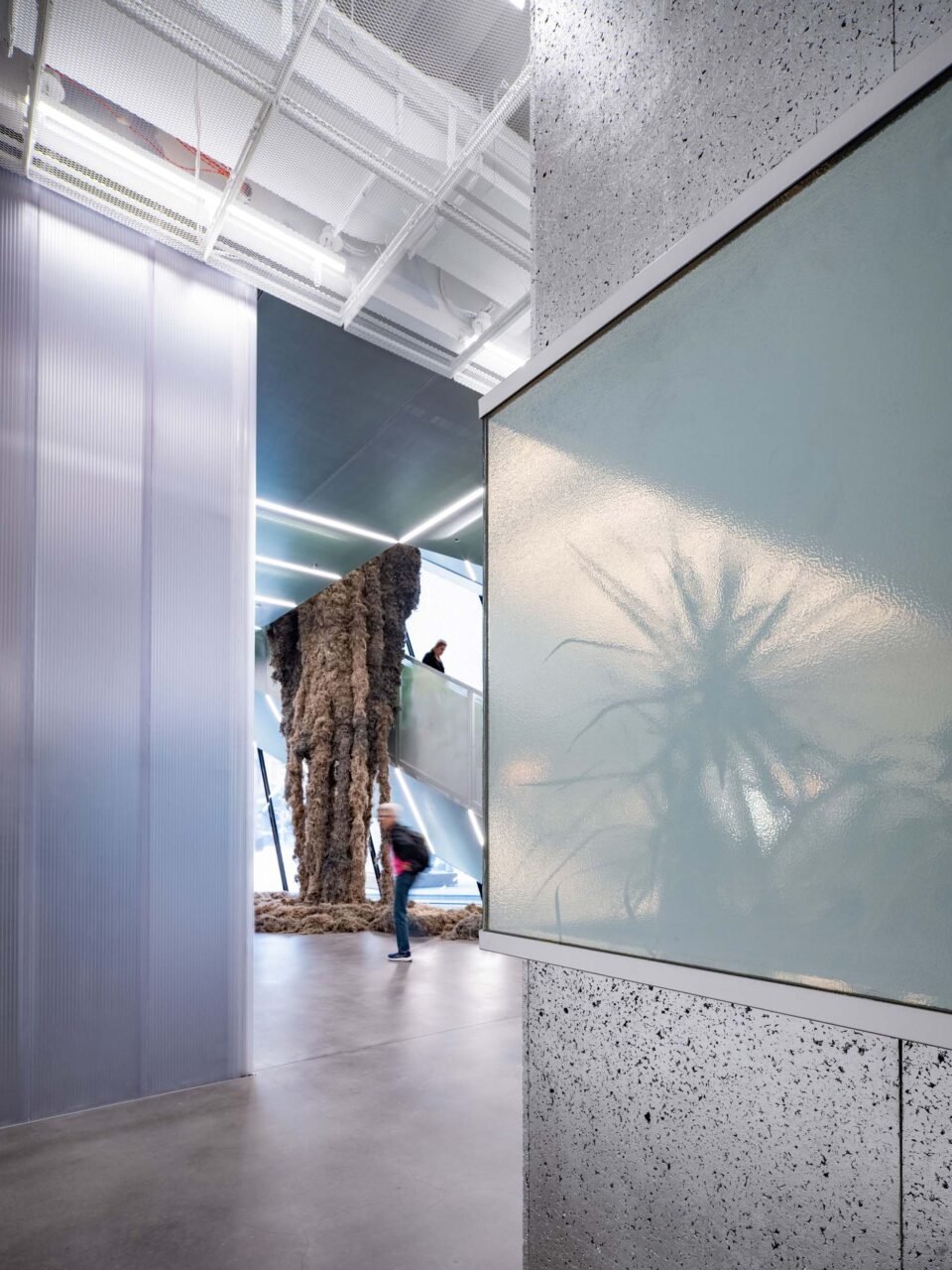
The New Museum reopened in March of this year with a new 60,000-square-foot expansion by OMA. Now, the museum sports a new restaurant, which marks OMA’s first restaurant project in the U.S. Designed to commune with the museum’s architecture yet operate as its own distinct, full-service experience, Oberon balances the site’s context with the client, The Oberon Group’s, own identity.
The Oberon Group, also responsible for New York’s Rhodora, imagined an experience that’s multisensory and sustainable. The restaurant operates on a zero-waste philosophy, using materials that can only be recycled, upcycled, or composted, and relying on locally sourced ingredients from within the Hudson Valley. OMA translates this approach into an interior largely clad in the renewable, biodegradable material, cork.
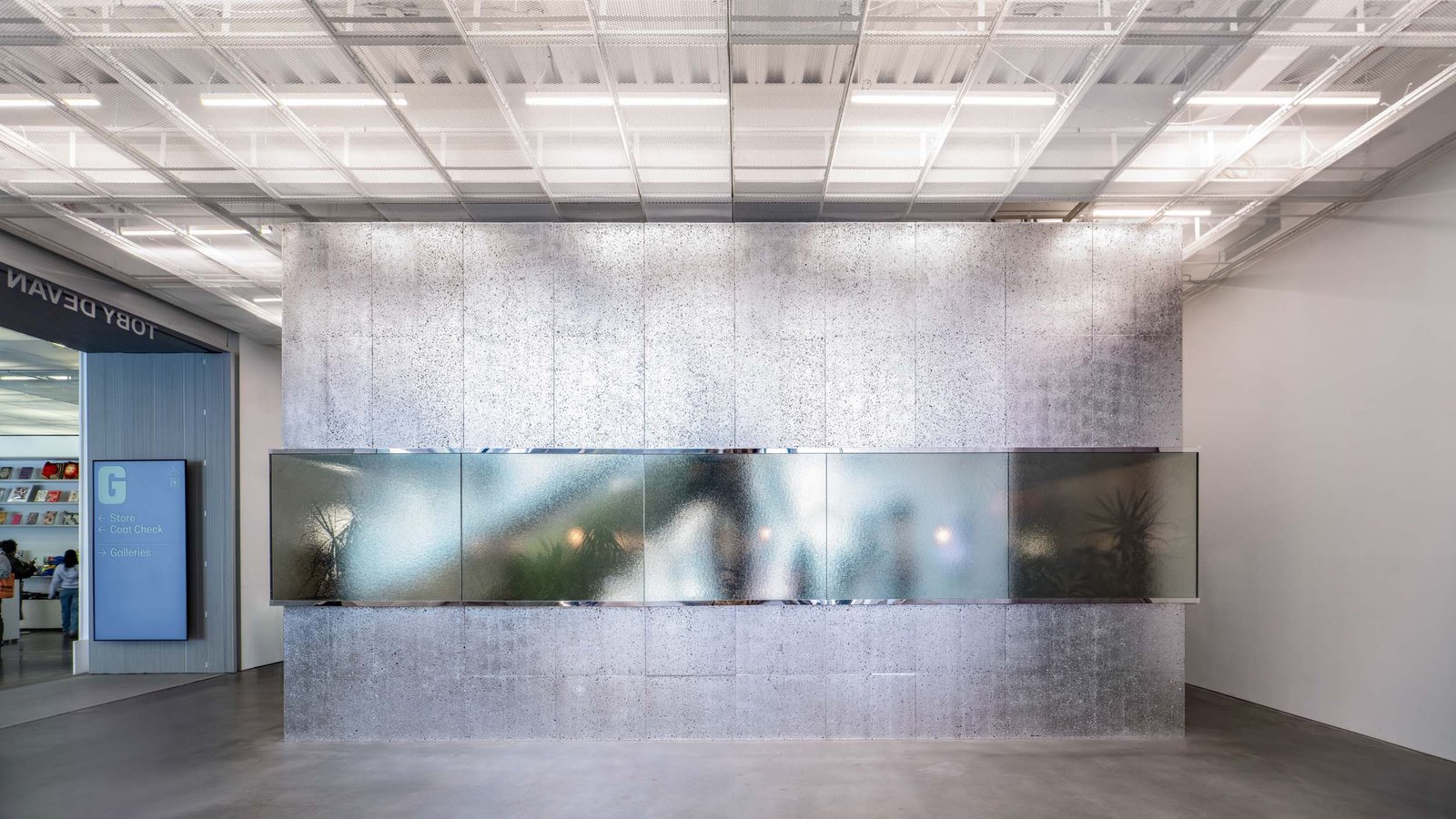
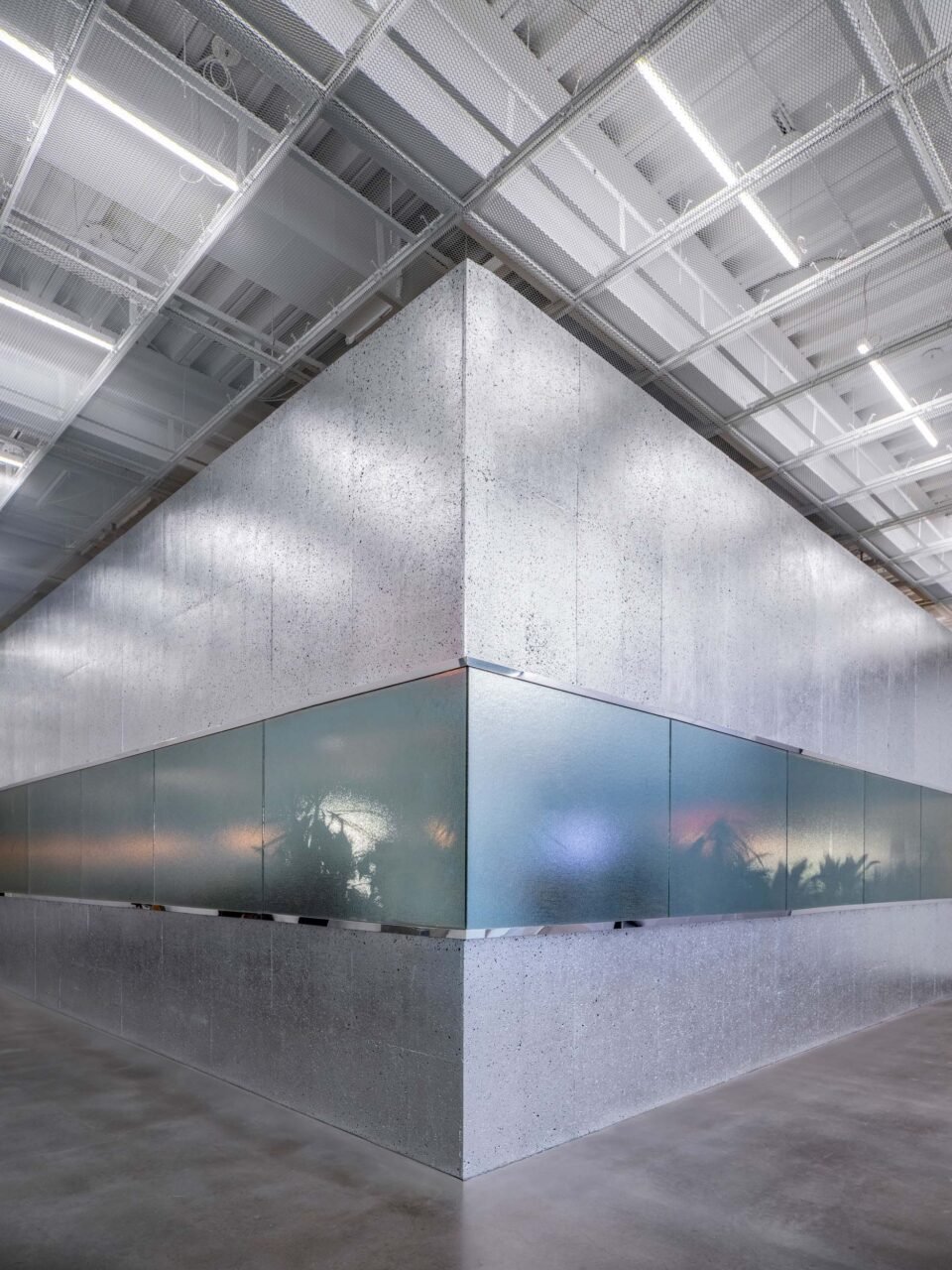
Located in the museum’s lobby, Oberon’s exterior, a boxy envelope with entrances both inside the museum and outside on Freeman Alley, is faced in cork finished with silver leaf. The metallic finish sits right at home within the museum’s metal mesh, but a ribbon window hints at the activity located within.
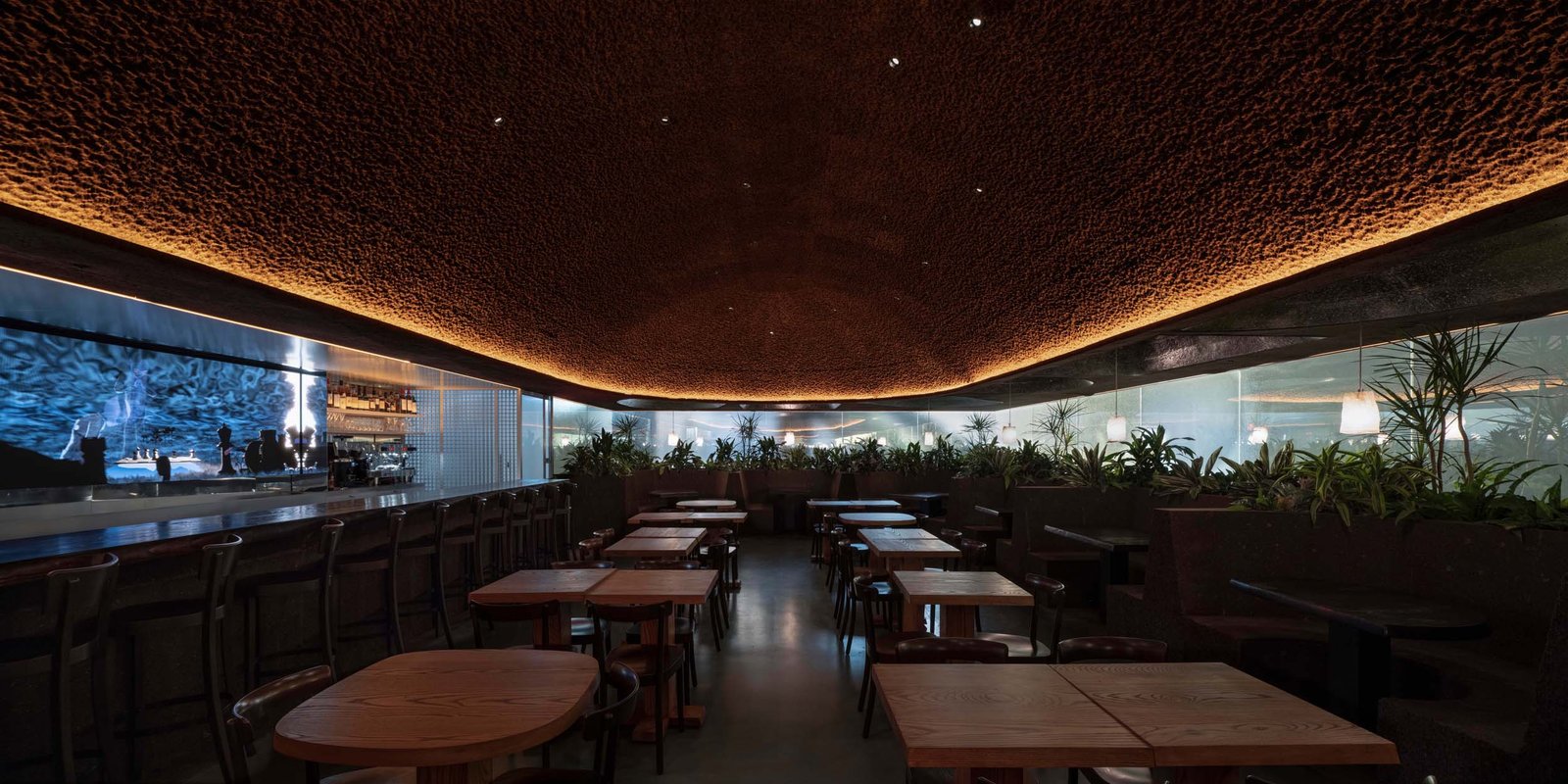
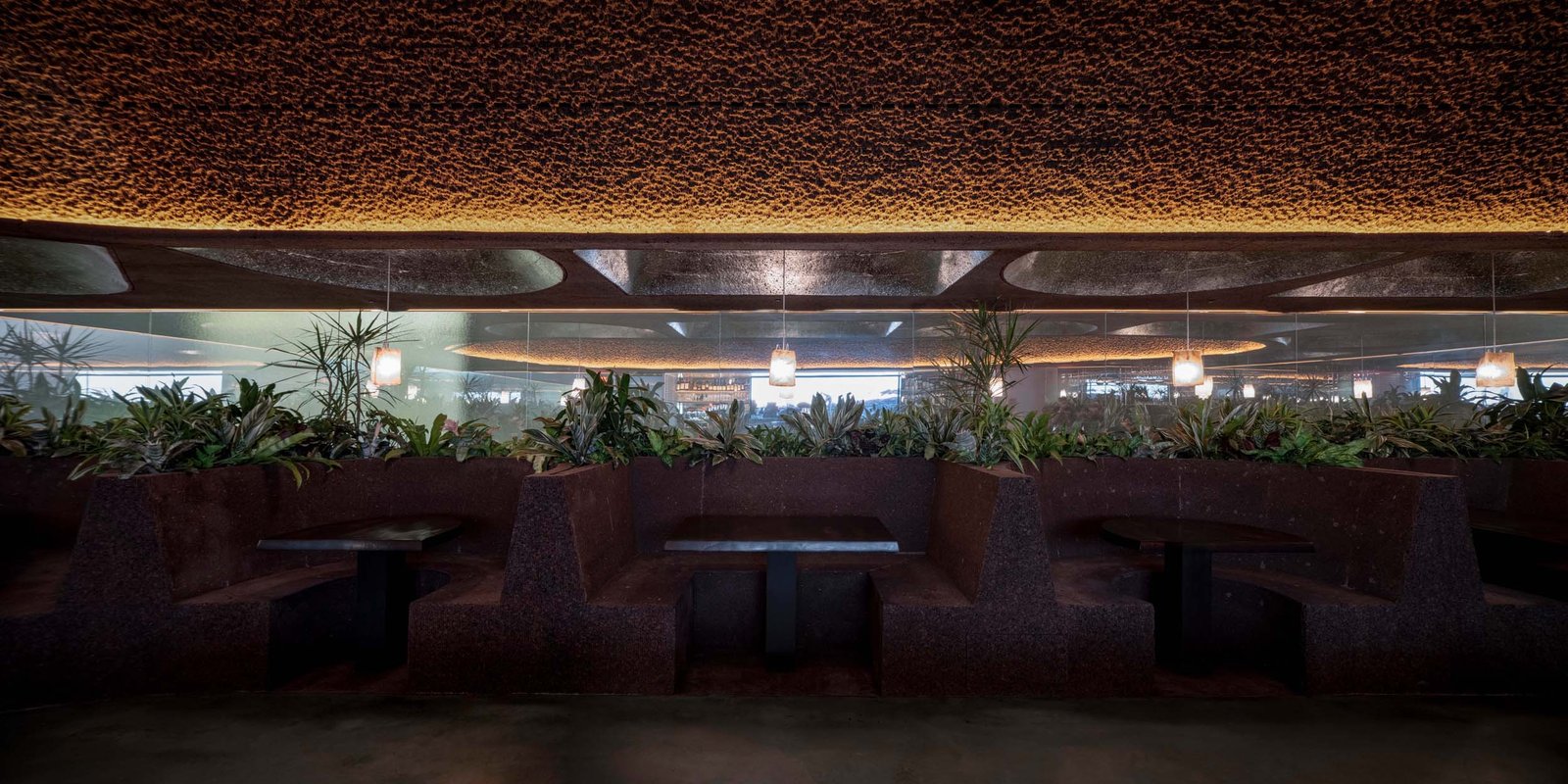
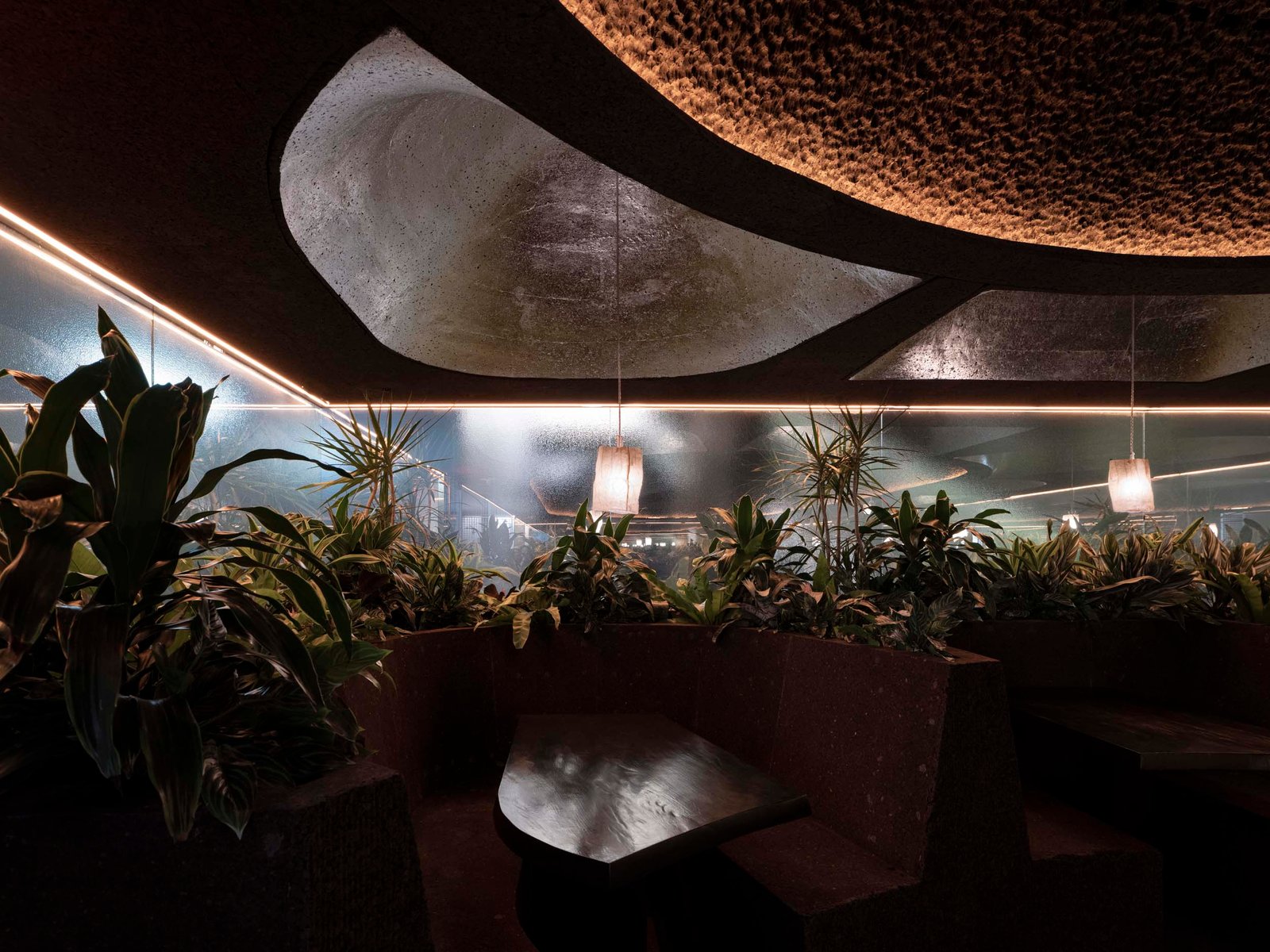
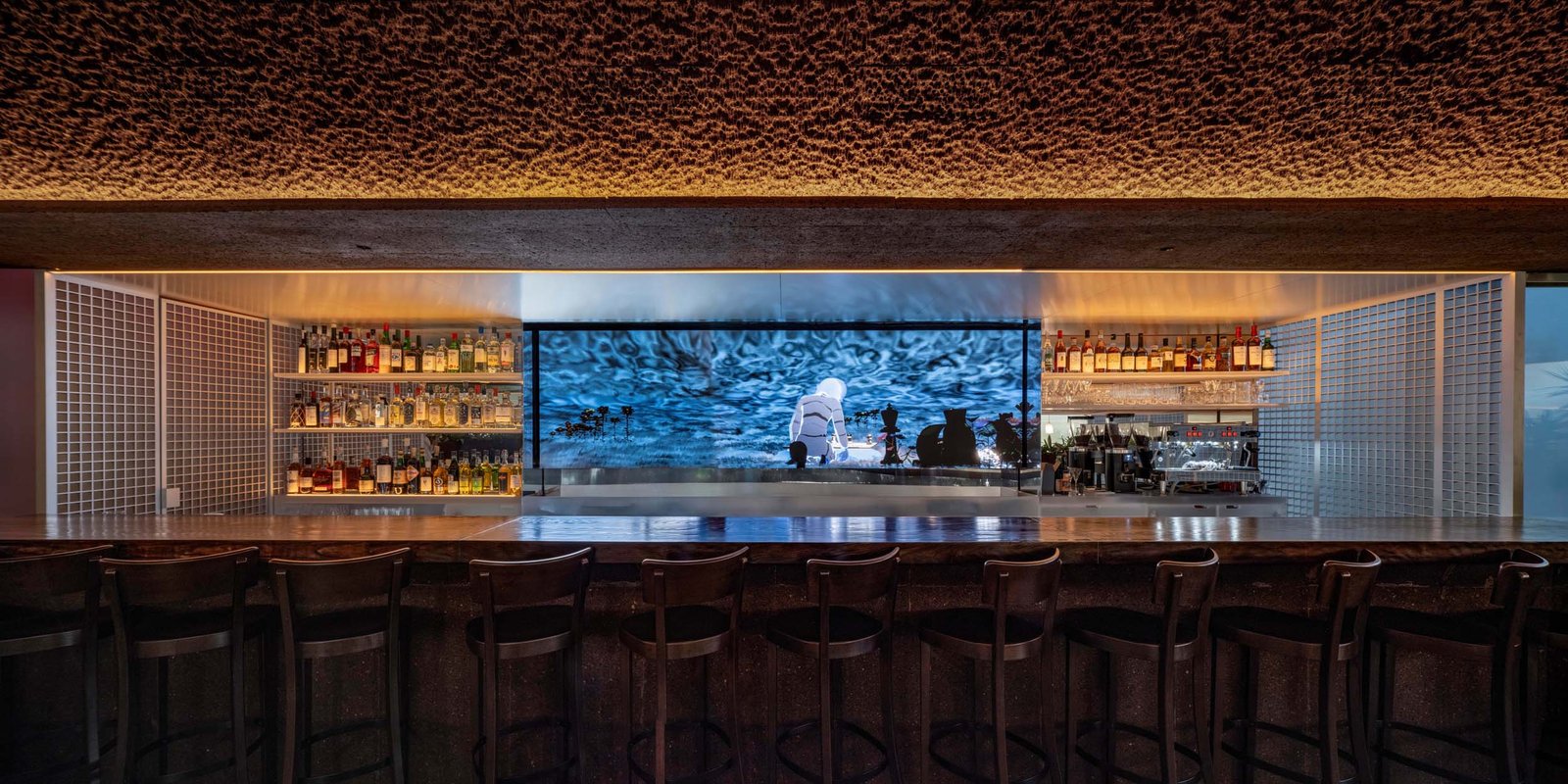
Inside, the layout recalls New York’s diners of yore with an open dining room, including fixed booths and a 24-foot wooden bar. Cork again makes up the material palette, forming ceiling domes, and banquettes. OMA used Portugal-based cork, made by heating offcuts to a high temperature so it bonds together through its natural resins. The material forms a dark, warm counterpart to the white, brightly lit museum.
Cove lighting and domes finished in more silver leaf, reflect warm illumination across the textured material. They help transform the 2,500-square-foot venue into something cozy and intimate. A sense of the museum’s connection further lights the restaurant through interactive digital artwork: Shrine Oberon by Ian Cheng, which shines behind the bar.
The designers also worked with Minjae Kim who designed custom tables, a bar top, and lighting fixtures for the space. The tables and bar are made with ash, sculpted and finished by hand. The fixtures are made with resin-dipped fiberglass. The delicate design is the final touch to the organic approach to Oberon’s form and materiality.