

With the ITC demolished, the Spurs have named the architects of the $1.3 billion downtown arena: Overland International, Sasaki, and Marquee Development.
On May 13, the San Antonio Spurs named the lead partners for the design and development of their downtown arena and surrounding district, part of the broader Project Marvel. Overland International, a Texas firm with offices in San Antonio and Dallas, will design the arena itself. The firm’s portfolio includes AT&T Stadium, the Cotton Bowl, and U.S. Bank Stadium. Sasaki, the Boston-based design firm that recently led the Arboretum San Antonio masterplan, will serve as master district planner. Marquee Development, the real estate arm of the Ricketts family office, which holds majority ownership of the Chicago Cubs, will lead district development. CAA ICON will manage the project. Pepe-Dawson, a San Antonio engineering firm currently working on the new Nissan Stadium in Nashville, will handle civil and traffic engineering. Goldman Sachs is advising on financial structuring, and Hunton Andrews Kurth on legal counsel. The arena is targeted for completion in time for the 2032–2033 NBA Season.
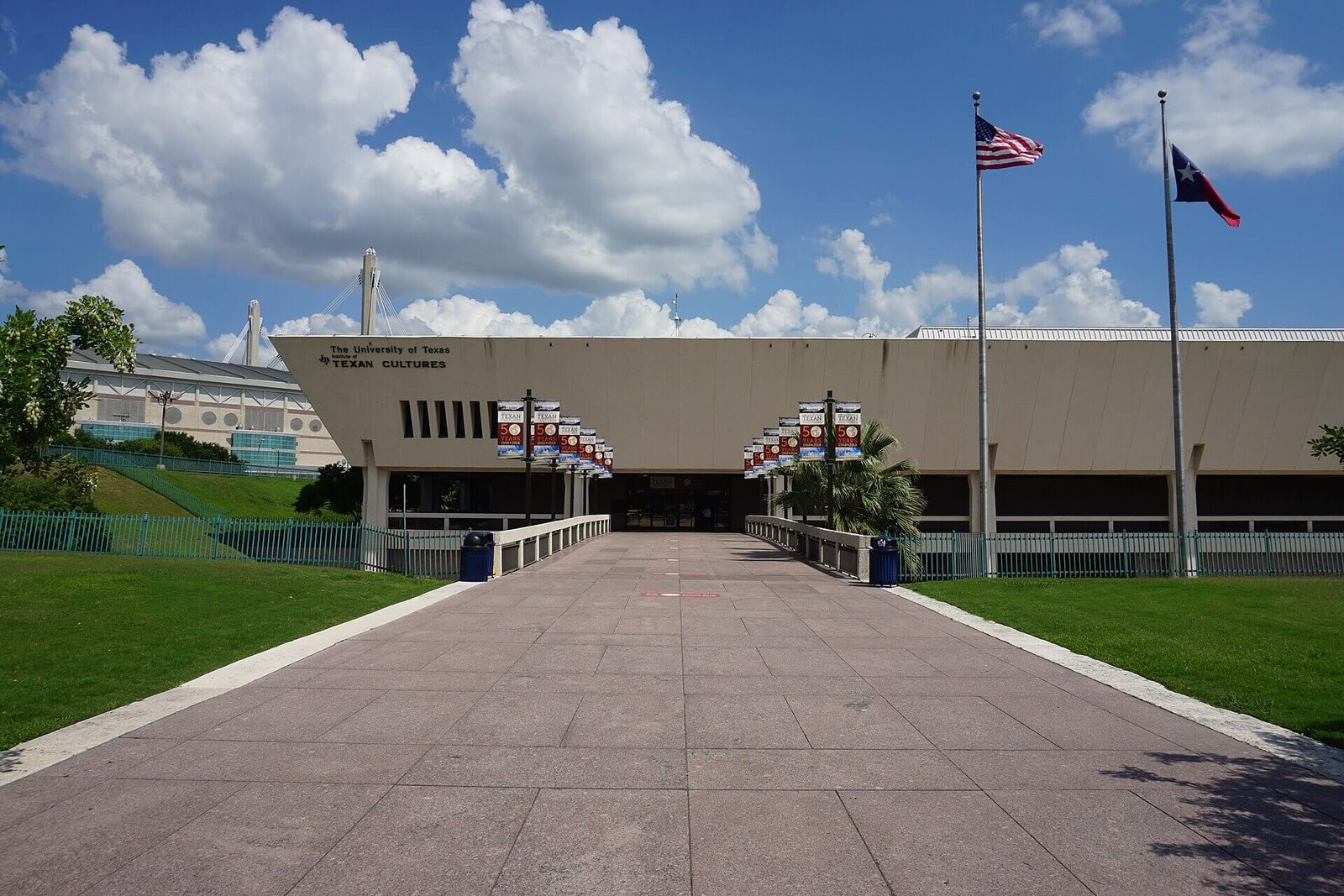
The site is the southeast corner of HemisFair, where the Institute of Texan Cultures (ITC) stood until last year. Drone footage captured by KSAT 12 in January showed graded dirt, treated and ready for construction. The ITC was the Texas Pavilion built for HemisFair ’68, the 1968 World’s Fair held in San Antonio. The 180,000-square-foot inverted concrete pyramid on a 13.59-acre site was designed by William M. Peña of the Houston firm Caudill, Rowlett, and Scott. Peña, born in Laredo in 1919, is widely considered the father of architectural programming, the discipline of asking what a building is supposed to do before drawing it. His book Problem Seeking, written with John Focke and published the same year HemisFair closed, became a standard architecture-school text and was incorporated into the National Council of Architectural Registration Boards licensing framework. According to the Conservation Society of San Antonio, the ITC was the only downtown landmark designed by a Mexican-American architect.
The Texas Pavilion was transferred from the city to the University of Texas System after the World’s Fair ended. The University of Texas at San Antonio (UTSA) took over the building in 1973 and ran it as a museum until May 2024, when it closed the ITC and moved the collection to a temporary facility at Frost Tower. The Conservation Society of San Antonio sued to halt demolition, but lost on appeal, and the building came down in 2025. Society President Lewis Vetter said the ITC was eligible for 45 percent in state and federal historic tax credits for rehabilitation; there is no public record of UTSA or the pursuing them.
The city has the exclusive right to purchase the land from the UT System through a memorandum of understanding at an estimated $60 million, funded through the Midtown Tax Increment Reinvestment Zone, with target acquisition by December 31, 2026.
The Spurs’s current lease at Frost Bank Center runs through 2032. The question of what now rises on the site—what San Antonio’s next major piece of downtown architecture will look like, and what it will mean—has been handed to Overland International, Sasaki, and Marquee Development.