

In New York City, housing is often framed as a problem of scarcity: of land, of affordability, and of supply. The city’s housing is governed by a century of zoning and building codes that have been layered and amended into what Jing Liu, a founding partner of Solid Objectives Idenburg Liu (SO–IL), describes as an “algorithmic” system. Designed to abolish slums and regulate density, light, and air for collective health and well-being, these codes have produced housing that is often—ironically, sometimes cruelly— anything but. Deep floor plates, double-loaded corridors, and sealed interiors prioritize efficiency, density, and demand over experience and even livability. As Liu said, “It’s not news to any New Yorker that housing sucks.”
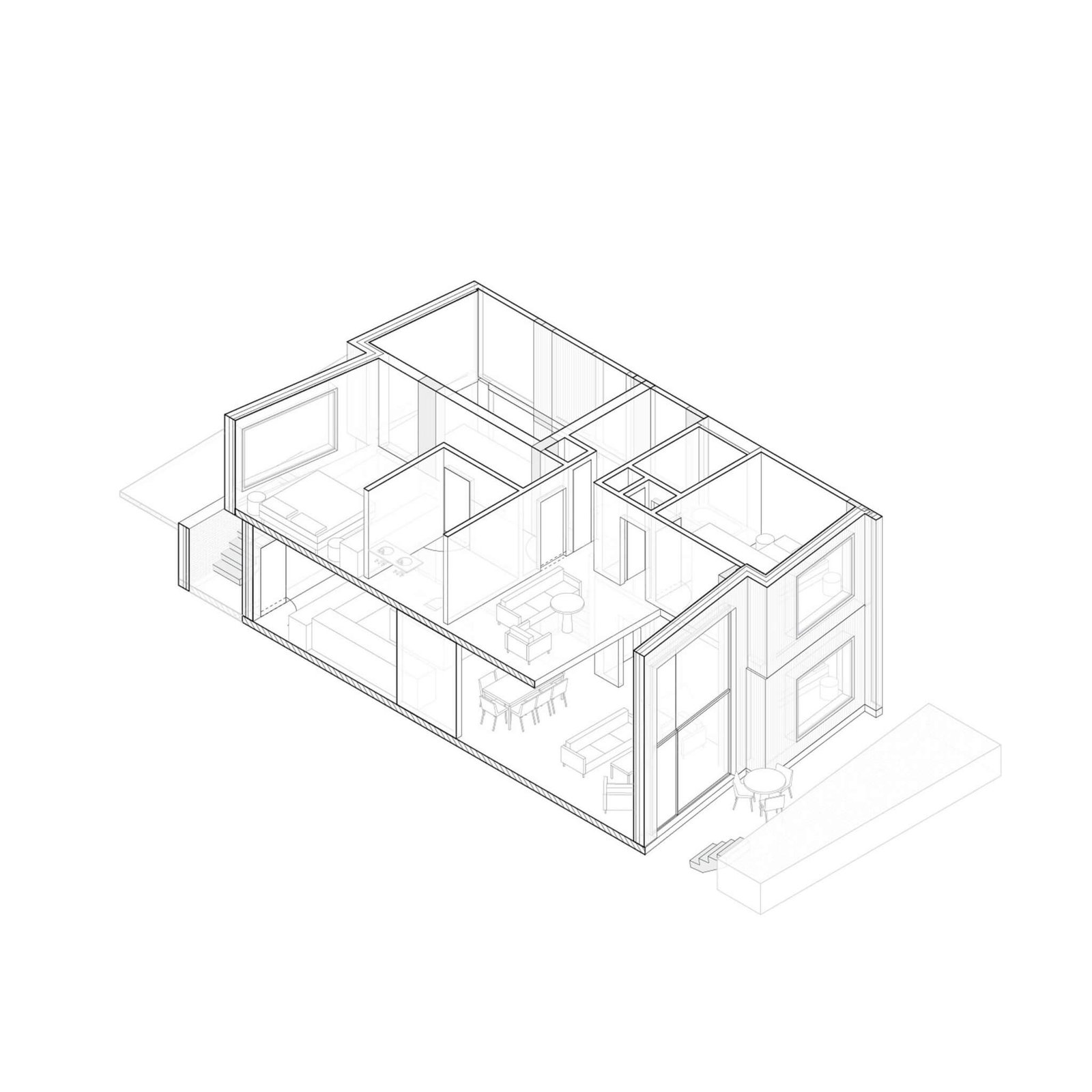
For more than 15 years, Liu, her husband and business partner, Florian Idenburg, and their Brooklyn-based firm have been probing building code and zoning laws for loopholes that will allow them to design better housing, initially through competitions and small-scale experiments. Rather than treating these systems and tools, such as floor-area ratio (FAR), as constraints, SO–IL approaches them as sources for latent possibilities, a set of “negative laws” that define what cannot be done but leave critical gaps for invention by anyone with the time, resolve, creativity, and funding to dig in. With all of these assets, the firm has identified and exploited those gaps and reworked requirements around egress, light, and outdoor space to produce alternative housing models. These new models celebrate access to light, airflow, nature, the street, and connection with one’s neighbors. They also grasp at something more existential and intangible. “Houses and housing are the envelopes of our existence,” said Liu. She explained that they form the containers for “who we want to be and how we want to be together.”
In the last several years, SO–IL has been able to implement these ideas in a trio of Brooklyn projects developed by Tankhouse, an ambitious new local development firm led by Sam Alison-Mayne and Sebastian Mendez: 450 Warren Street, 9 Chapel Street, and 144 Vanderbilt Avenue. In all three, SO–IL replaced conventional sealed apartment blocks with buildings that are thinner, more porous, and more socially engaged, using exterior circulation, courtyards, and strategically angled floorplans. Despite the similarities across all three projects, Liu said, “We’re not proposing a universal solution to anything. We need to introduce more varieties and possibilities into this landscape of mundane, banal, boring landscape of housing.”
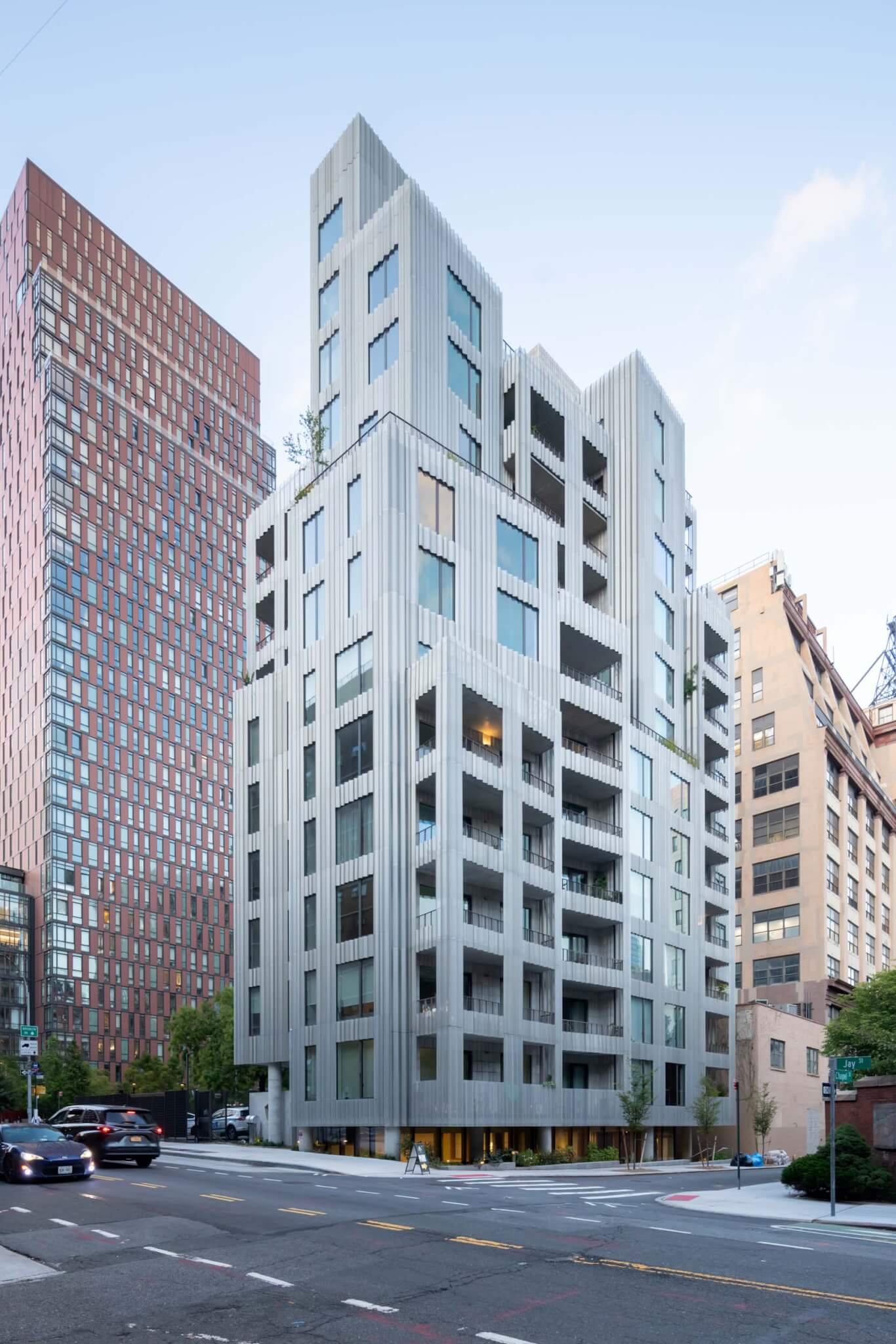
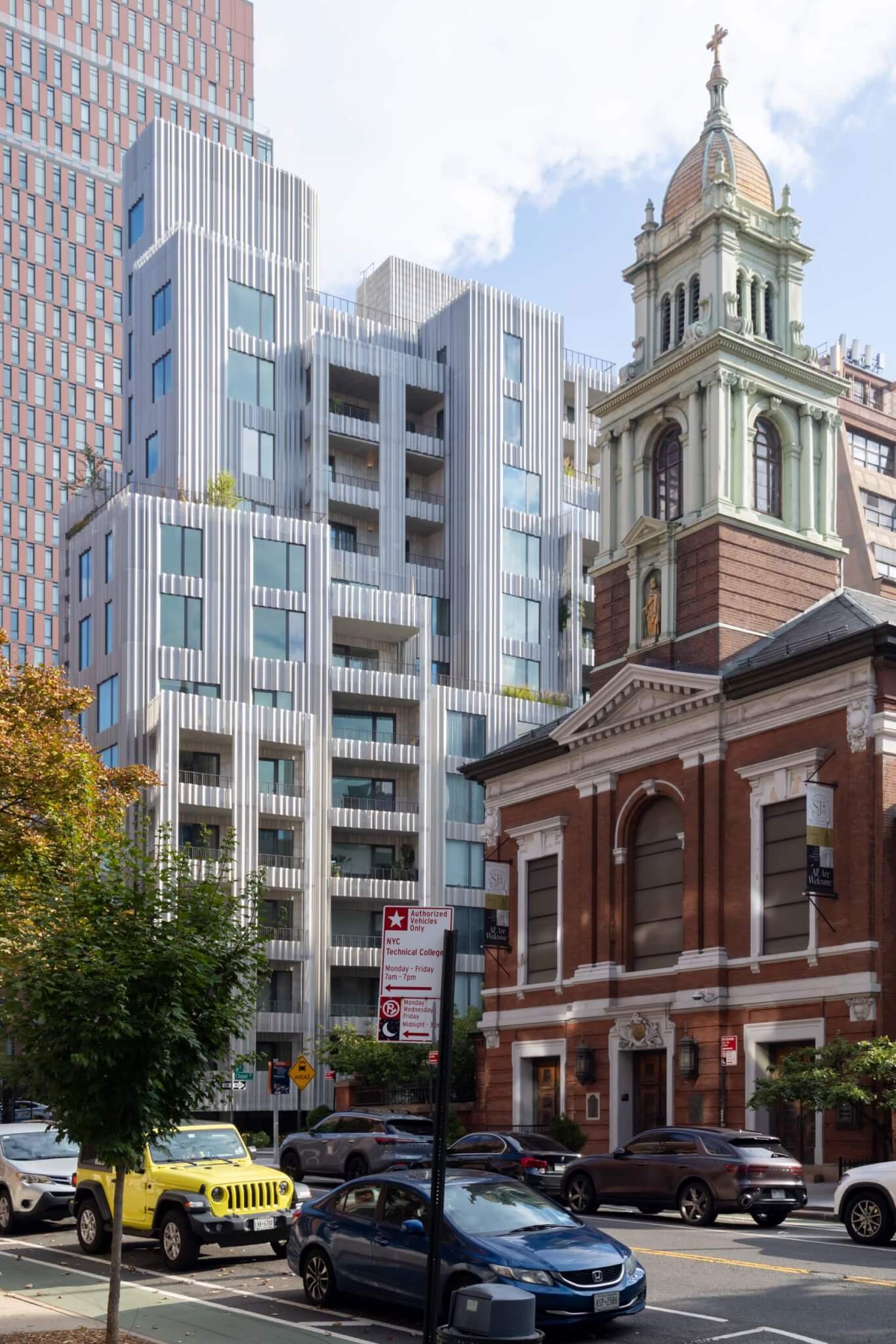
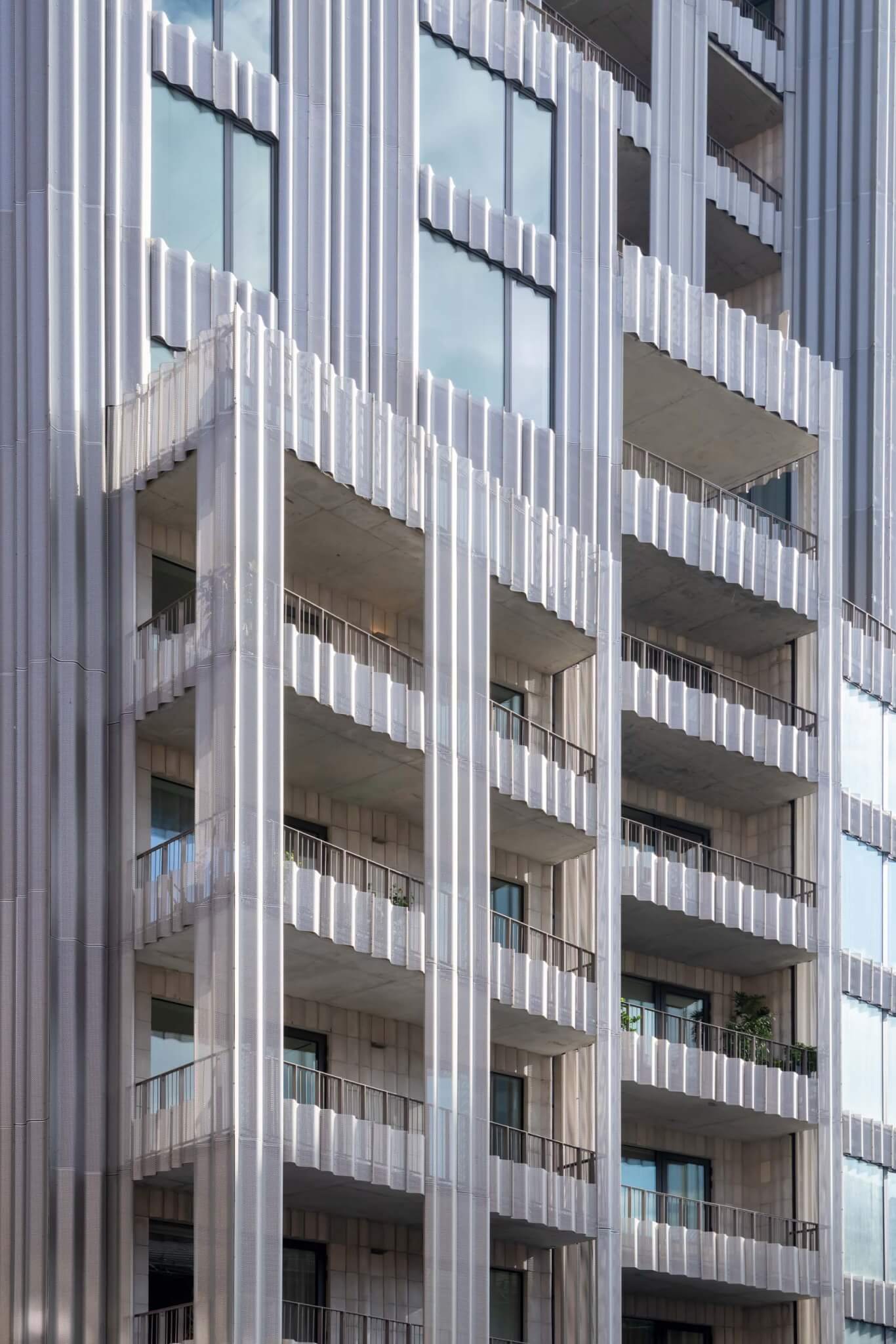
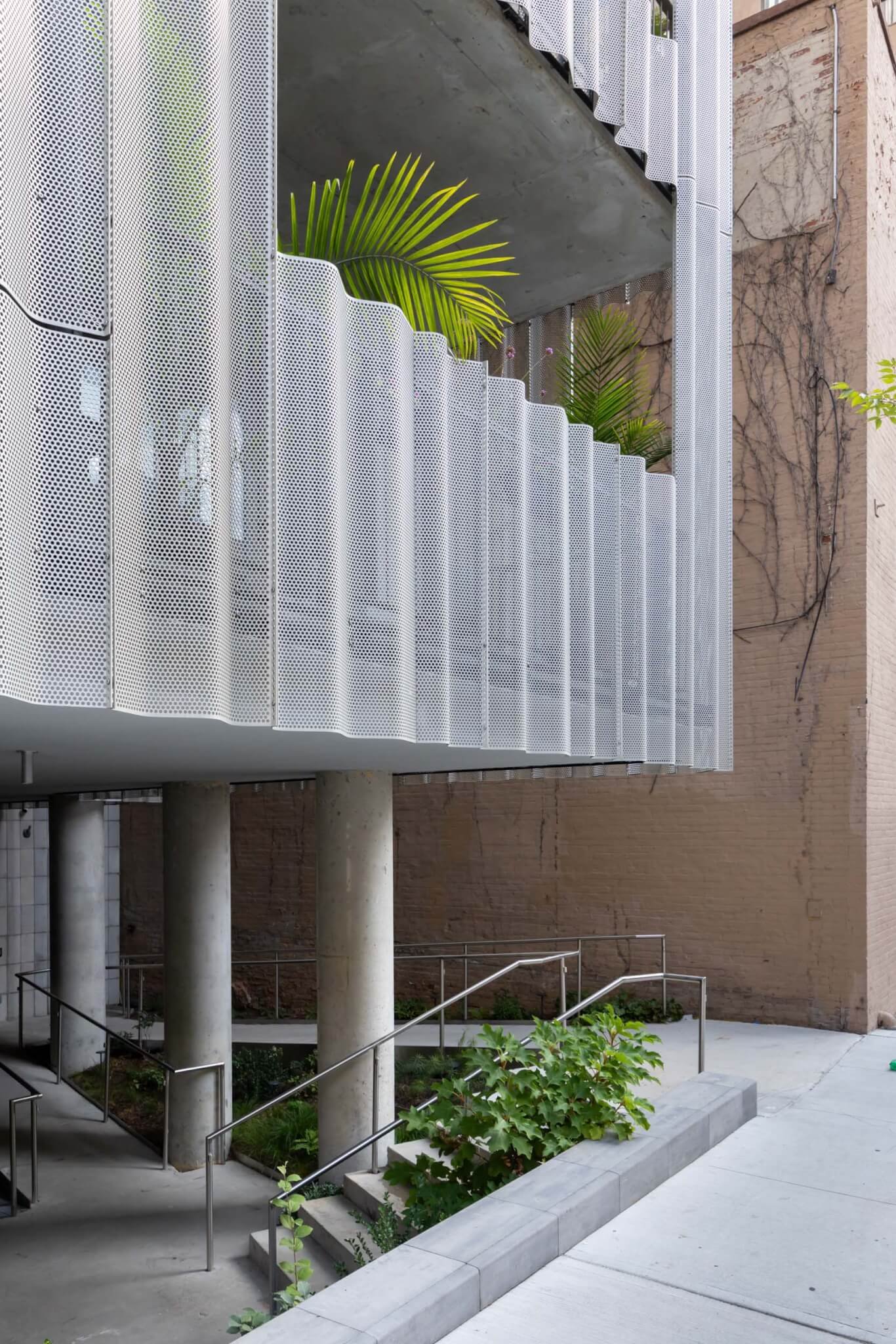
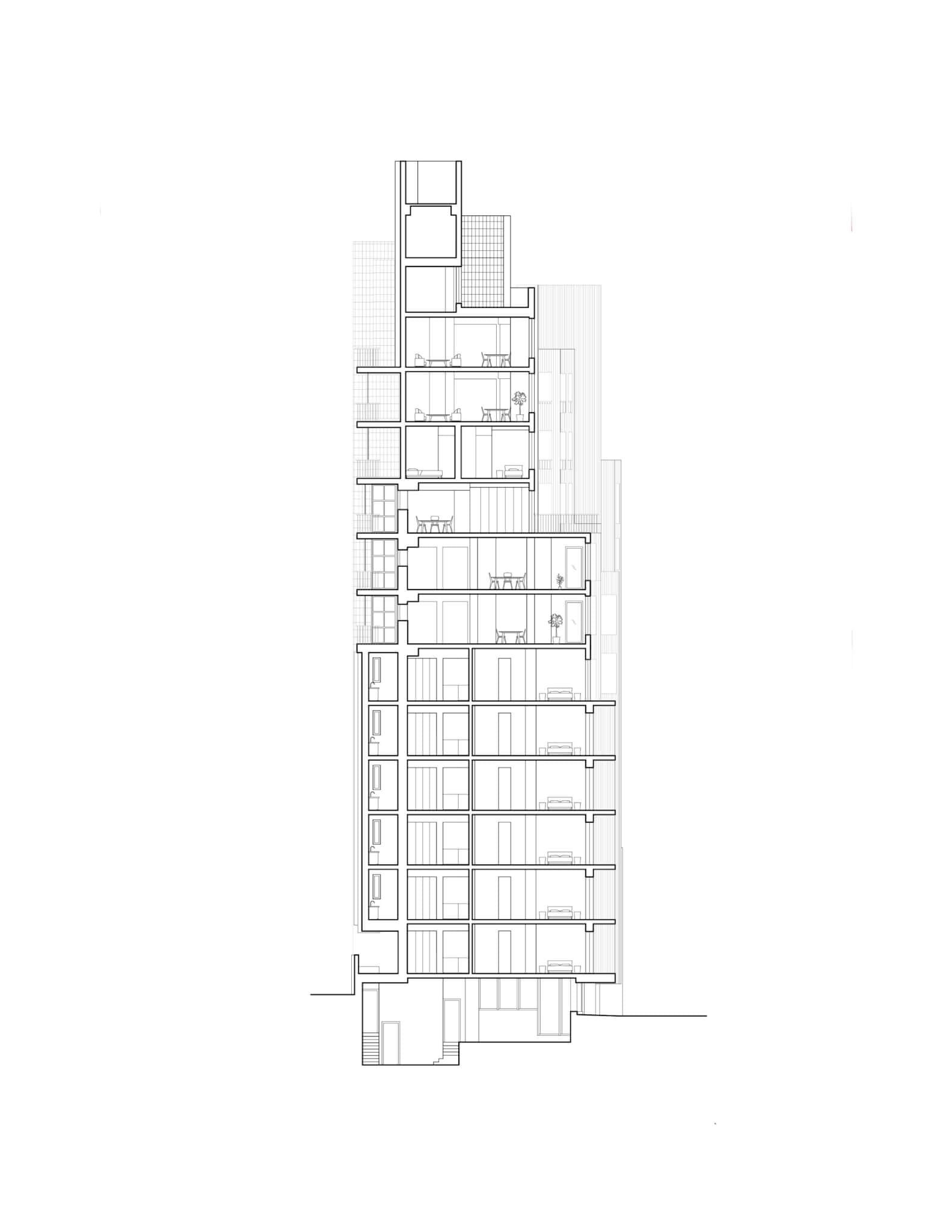
The most recent of the three are 9 Chapel and 144 Vanderbilt, completed in 2024 and 2025, respectively. For the former, SO–IL had a complex site to contend with. The 53,820-square-foot building is set in a triangle between arteries that lead to the Brooklyn and Manhattan Bridges—a sort of no-man’s neighborhood between the tony brownstones and townhouses of Brooklyn Heights’ fruit-named streets to the east and the industrial clamor of the Navy Yard to the west. Most immediately, 9 Chapel’s neighbors are a police station and social services building, a cathedral, and the main campus for the New York City College of Technology. “It’s like leftover space,” said Liu. “Our building is the smaller one amongst the bigger buildings. It needed a slightly different approach in terms of materiality, and we chose something more unpredictable.” In order to create an “airiness” that the surrounding buildings lacked, the architects clad the project in perforated, rippled metal screens. Balconies, terraces, window gardens, an exterior stair, and protected walkways extend that ethereality vertically and further expose the building to the outdoors. They also encourage interaction among neighbors. Liu and her team posited: “How do we stretch and make that community space and make entering into your domestic space feel generous?”
The thin and vaguely prow-like building is a conglomeration of stepped and angled volumes. Its design was conceived during the pandemic, when sketches and ideas were tossed back and forth over Zoom. At some point, the metaphor of a box tossed in the air and scrambled upon its landing became a guide for the building’s porosity, gaps, and irregular room layouts (at which most developers would blanch). “It’s very joyful,” added Liu.
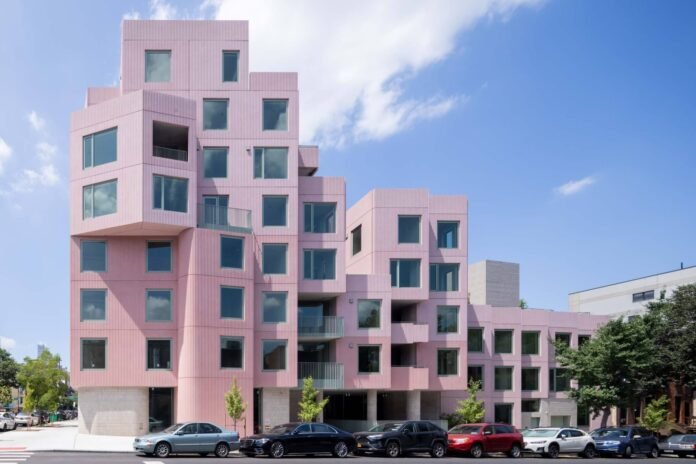
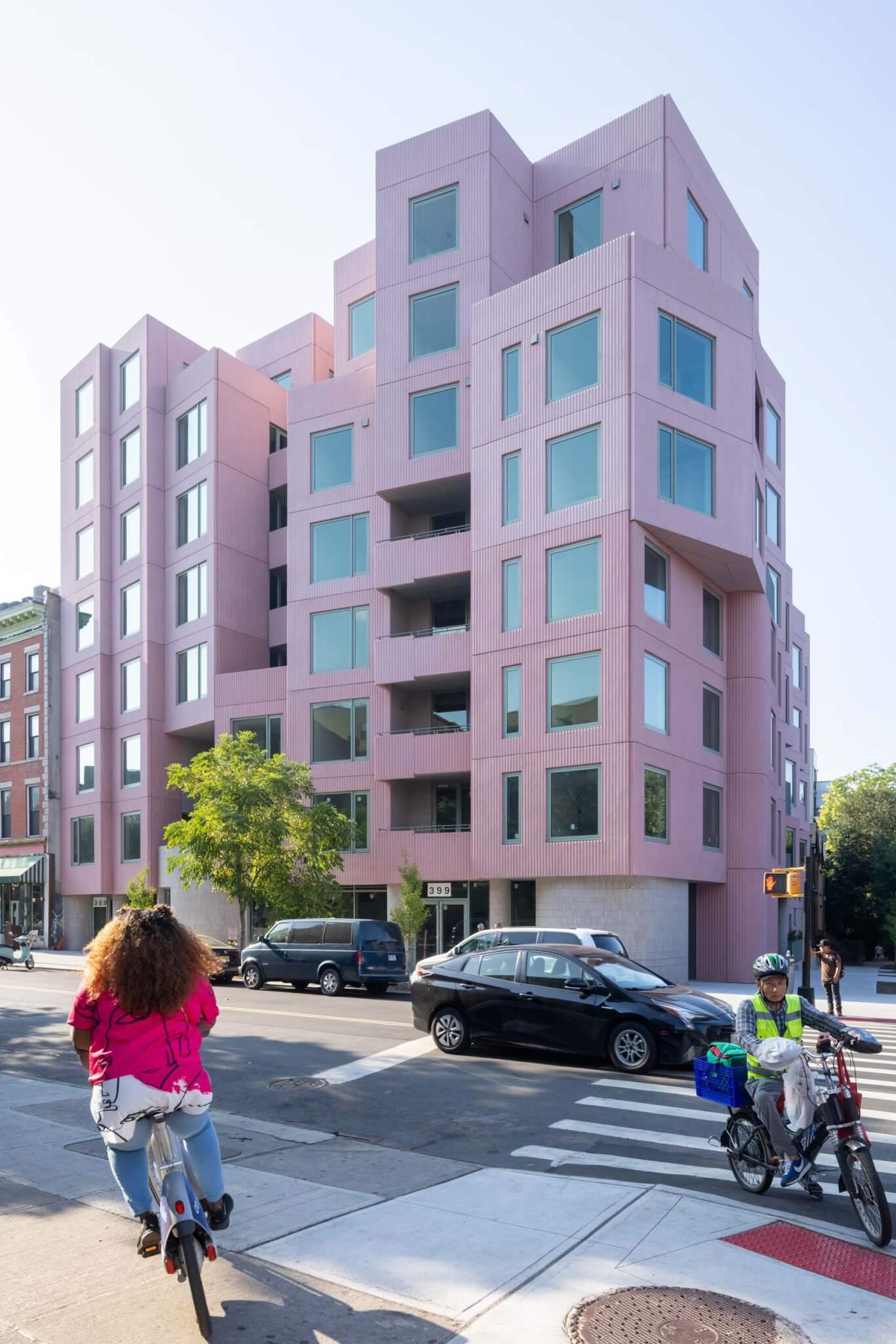
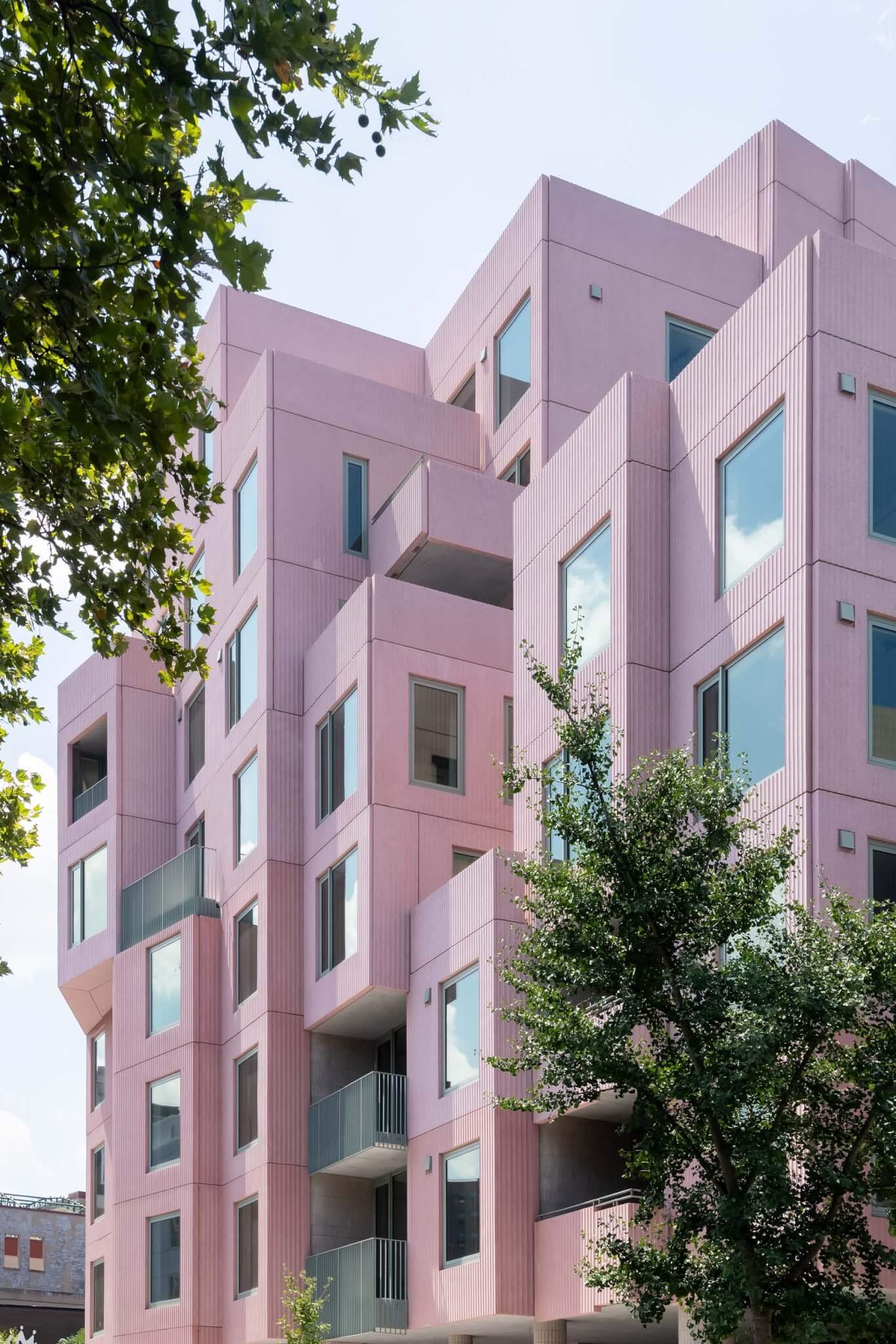
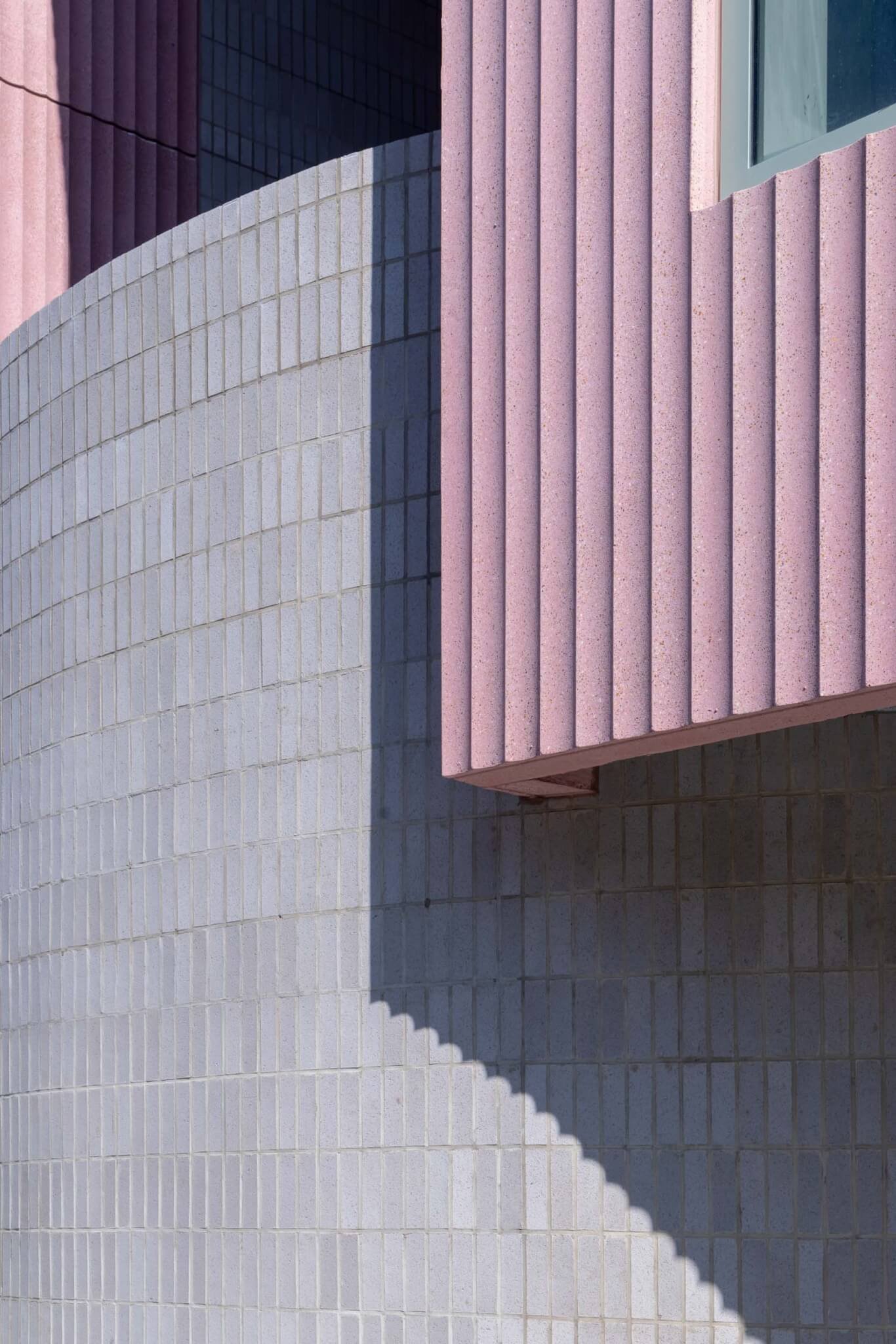
144 Vanderbilt, the most recently completed and largest of the trio, at 89,900 square feet, is an undeniable pink presence on the busy corner of Vanderbilt and Myrtle Avenues in Fort Greene. The building fluctuates to match its context: On residential Vanderbilt, the building tops out at 4 stories to match the neighboring townhouses; at commercial Myrtle, it ascends to 8. “Giving some depth and play is good when you can afford it,” said Liu. Evoking a hazy, summer-in-city sunset, the rosy, ribbed precast concrete–clad units (actually, in three shades of pink) are stacked and angled at different heights and setbacks, with oversized windows.
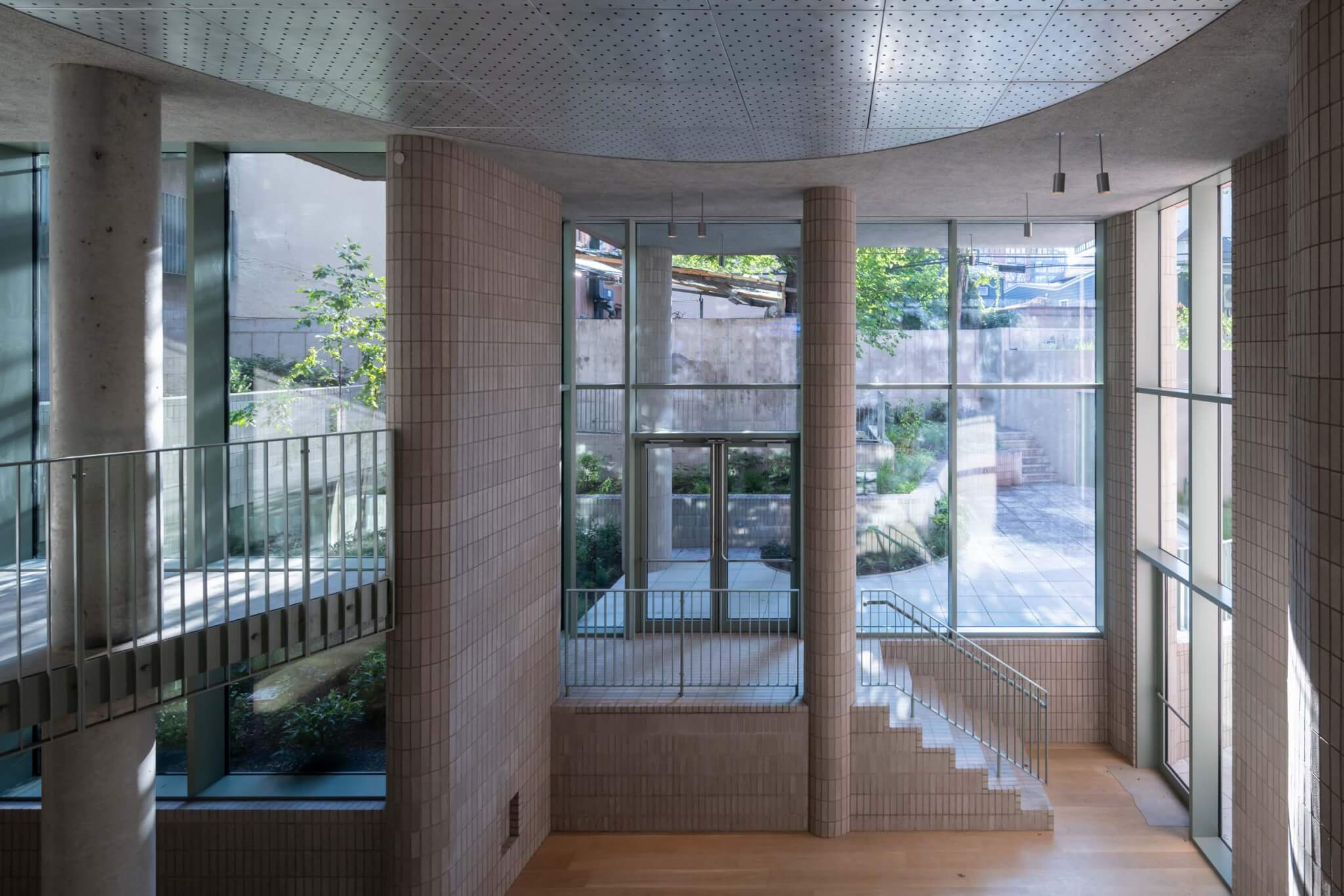
The playful, vertical assemblages appear to be held aloft on round concrete pilotis of various diameters that are recessed behind the facade line at the ground floor. They are a stabilizing force, visually and literally; interspersed with swaths of glazing, they help to create a friendly, street-facing presence for the building. The many angles and breaks in the building’s envelope allow for exterior corridors, terraced gardens, a central courtyard, and a tucked-away backyard. Each unit faces the street as well as the serenity of interior open space. (Liu said the second-floor units are her favorite: “You overhang the streets, and you have that connectedness with the sidewalks.”) One unit has been transformed into shoppable design-gallery Assembly Line, curated by interior design studio General Assembly.
144 Vanderbilt was inspired by a modernist red-brick building that Liu saw in Slovenia. “It had retail in the middle and a round shape jutting out of it. It was so inspiring to see a residential building taking on a civic presence,” she recalled. There is a lot of red brick in Brooklyn, too, but the SO–IL team knew that trying to match any of the various hues would be a fool’s errand. The pink still felt contextual, and it happens to be a more cost-effective pigment when it comes to precast concrete.
As a Fort Greene resident for 15 years, Liu recalled somewhat wistfully all of the buildings she’s seen disappear, including the gas station on the corner that 144 now occupies. They gave the neighborhood an organic rhythm that she wanted to replicate. The pink structure that now frames the corner seems to have been roundly embraced. Liu was walking a few blocks away after the building’s completion when a man whizzed by on a CitiBike and said, “Great job on that building!”
SO–IL is now exploring how to scale the ideas that have proved to be so successful at Warren, Vanderbilt, and Chapel. Anagram Gowanus at 450 Union Street, along Brooklyn’s Gowanus Canal, will be completed in less than a year. (Tankhouse is the developer, with MacArthur Holdings and Global Holdings Management Group.) The 203,000-square-foot tower will have 158 rental units, with 20 percent to 30 percent set aside for affordable housing. Liu said her team gave each corridor some outdoor space, included two corner windows in even the smallest units, and broke the units into neighborhood-like groupings. She felt SO–IL had succeeded at applying its hard-earned insight at a larger scale. “The housing issue cannot be solved by smaller bespoke projects. We have to test our principles against larger and larger buildings,” she said.
Laura Raskin is a writer and editor who has covered architecture, design, and urbanism for 15 years. She is the managing editor of Oculus, the magazine of AIANY. She wrote and edited photographer Lara Swimmer’s Reading Room: New and Reimagined Libraries of the American West (Artifice Press, 2023).