

HomeArchitectureInterContinental Chiang Mai The Mae Ping's new design

InterContinental Chiang Mai The Mae Ping’s new design

Published on

spot_img


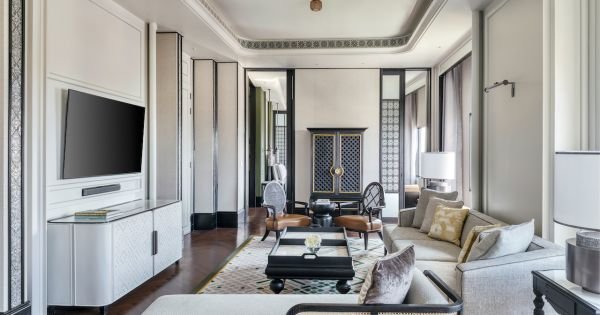
The newly opened InterContinental Chiang Mai The Mae Ping is set to redefine the city’s luxury hotel landscape. The property’s sophisticated design unlocks a window into the past, showcasing the architectural and artistic heritage of the historic Lanna Kingdom. The rectangular-shaped fortified city of Chiang Mai was established in AD1296 as the capital of the Lanna Kingdom. Today, remnants of the brick-walls and gateway can still be seen in the 700-year-old city. For centuries, Chiang Mai has been well-known for its craft practices including lacquerware, silverwork, wood carving, pottery and more.

The owners of the 30-year-old Imperial Mae Ping Hotel entrusted Bangkok-based PIA with a complete overhaul of the property and to weave in elements of the city’s past. After five years of renovation works, it reopened in November 2023 as InterContinental Chiang Mai The Mae Ping.

The building’s original space was carefully maximised to fulfill the design vision. The former lobby was converted into a capacious all-day dining restaurant called The Gad Lanna. Meanwhile, the former all-day dining was turned into the lobby lounge. The first floor car park was transformed into a group check in-lobby and the second floor void area to meeting rooms.

By 2025, there will be a contemporary extension ocated on the west wing of the lobby. This will be home to the signature Club InterContinental lounge and Club rooms and suites. Hong’s Chinese Restaurant on the 16th floor is slated to be completed in March 2024, and Hong’s Sky Bar the following month. 

Connecting Heritage with the Present and Future

For the design concept, it was important for the PIA team to create a contemporary look that celebrates Lanna craftsmanship. The designers thoughtfully fused  modern conveniences and aesthetics into the property’s historic structure.

The main challenge for them was staying true to the traditions and history of Lanna culture in every detail and design. To ensure this, the PIA team had to present an inspired interpretation of the Lanna Kingdom through interior design. This means immersing guests into the Lanna culture and providing the best hotel functionality. They also had to take into consideration the existing site’s structural limitations such as ceiling height and original columns as well as integrate their designs into the building’s frame in the best way possible. 

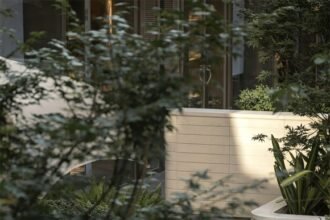
The hotel invites guests to experience various aspects of the rich culture as they move between the zones. Inspired by the monumental Lanna Government Quarters (the former Chiang Mai British consulate), the lobby, the Lobby Lounge, and the Club Lounge form the core of the hotel. Greeting guests at the hotel’s main entrance is a rammed-earth wall that evokes the clay wall of Lanna. Earthy tones with hints of deep red and burnt orange hues reference the Vieng Gate, the first wall built to fortify the city.

The new lobby, boasting lofty 8m ceilings, is flanked by two colossal 6m cabinets/shelves displaying artefacts and antiques. Decorated with lounge sofas and statement furniture pieces, the intricately layered area mimics the ambience of a classic drawing room used for entertainment, and speaks of Lanna’s teak trade. Beautiful Northern Thai orchids are elegantly hand painted on teak wood veneer panels near the reception area.

A shimmering gold tone adorns the wall behind the reception desk. “The backdrop is made from gold leaf which  is often seen in temples or spiritual places. Lanna people use gold leaf to decorate Buddha statues as a sign of respect,” says Rujiraporn ‘PIA’ Wanglee, Founder and President of PIA.

She adds that the wall moulding is often seen in Lanna architecture – from pagodas and houses to government buildings. “Gold leaf has a good meaning in Lanna culture, so we try to merge this element (on the wall) to be the guest’s first impression,” she adds.

In the guest lifts, the same gold leaf is used, and decorated with white floral motifs. “The pattern is known  as ‘hum yon’ or the wooden guardian for Lanna people,” Rujiraporn points out. The doors of Lanna homes are decorated with this patterned wood carving because the locals “believe that this wooden guardian protects them from external bad elements,” she adds.

Meanwhile, the adjacent light-filled Kam Lobby Lounge overlooking the hotel’s main pool offers an ode to the ‘Yi Peng’ floating lantern festival through the use of large ‘lanterns’. The contemporary version of the sky lanterns or ‘khomloy’ illuminate the space with a warm, soothing glow. These lanterns are also hung on the enormous banyan trees at  the lawn area. 

Northern influences are evident in the restaurant’s design too. Gad Lanna restaurant’s interior is inspired by Chiang Mai’s bustling Warorot market where local food and goods have been traded since ancient times. The airy dining room in neutral tones of light brown and grey is decked with antique pottery and vases.

The spacious guest rooms either overlook the old town or the scenic Doi Suthep mountain. Each of the 240 elegant rooms and suites feature Lanna-inspired décor with bespoke finishes using traditional techniques ranging from lacquering, wood carving and sculptures to metal beating. Natural materials such as stone and wood bring rich tactility. To lend a modern touch, contemporary art pieces commissioned from local artists celebrate Chiang Mai’s status as Thailand’s burgeoning creative capital.

Sourcing Locally

All the artwork and sculptures in the hotel are not just decorative but are products of local craftmanship. PIA’s team carefully selected each art piece from original artisan heirs in various artisan villages.

In terms of furniture and fixture design, the design  team modernised and drew inspiration from Lanna   wooden furniture. “Wood turning elements are a signature feature throughout the entire property. The  profiles closely resemble the remaining antique furniture in Lanna customs. Wooden benches were developed from traditional designs, incorporating modern textiles and upholstery,” says Rujiraporn.

She continues: “It is rare to find a hotel and museum in the same place. In every square meter of the property, we have designed with respect and inspiration from history. We extensively studied Lanna living, including their community, festivals, culture, beliefs, cuisine, and customs.”

As for the usage of colours, Rujiraporn explains, “Approximately, 50% of the colours used were white, which we interpret as a vast canvas. Grey and black accents added depth to the space. Gold represented the glorious period of Lanna. Green, blue, and brown were used to show respect to the Lanna mural paintings. Lanna’s ancient use of natural products influenced our colour palette, such as green leaves, brown for the soil, and red from the trees sap. Regarding wood tones, we utilised bamboo, a local plant.”

Paying Respect

To further enhance the storied hotel’s prominent position, the PIA team  created a tranquil lawn overlooking a 600-year-old Buddhist stupa (Wat Chang Khong). This building featuring plaster and carved wood decoration dates  back to more than a hundred years.

In the last three decades, the former Imperial Mae Ping had helped to  keep the grounds clean and tidy. During the renovation, the hotel team  worked with the city’s Fine Art Department to revamp the new landscape to present a stunning setting for the stupa. These days, an alms giving activity is  held on a weekly basis for guests to make merit; this is specially arranged by  the Intercontinental team.

Guests are invited to take a stroll around the expansive lawn to view the pristine white stupa or enjoy coffee at the fresco terrace in balmy weather. The landscape here is flanked by old Banyan and frangipani trees alongside native plants which lend lushness to the outdoor space.

Source link

Latest articles

Complete Yibin High-Speed Railway Station Gateway Development in Sichuan Province by Pelli Clarke & Partners – mooool

本文由 Pelli Clarke & Partners 授权mooool发表,欢迎转发,禁止以mooool编辑版本转载。 Thanks Pelli Clarke & Partners for authorizing...

New Green · J57 Peninsula by WTD – mooool

本文由 WTD 纬图设计 授权mooool发表,欢迎转发,禁止以mooool编辑版本转载。 Thanks WTD for authorizing the publication of the project...

The 12th Shanghai Landscape Forum – Review of the “Kindness” Activity – mooool

 第十二届上海景观论坛已于2025年11月16日成功举办。本次论坛围绕“善意”(Kindness)展开,探讨设计中的 “善意”力量。“善意”旨在探讨景观设计中的人文关怀与生态敬畏。在我们设计的景观环境中,每一处空间都应承载对自然的尊重与对生命的关照。通过设计传递善意,不仅是重塑人与自然的和谐关系,更是以谦卑之心向自然学习,让设计成为疗愈身心、滋养土地的媒介。本次论坛特别邀请了顶尖的学界和业界的国内外专家,他们分别在社区营造、环境健康影响等专业领域有着杰出建树的。四位美国景观建筑师协会的会士(ASLA FELLOW)的出席,分享了他们高水平的洞察与实践,勾勒了一幅以“善意”为底色的行业未来图景。本次上海景观论坛由 Sasaki、AECOM、SWA、ASPECT Studios和Hassell五多家国际设计公司联合组织,演讲继续上一年面向社会公开征集的方式,由多位行业内的资深设计师组成的评委团遴选出演讲名单。因此,本届的演讲呈现了极为丰富多元的视角和观点。本次论坛的上午场由来自麻州大学景观系主任Robert Ryan,和Elizabeth Kennedy Landscape Architect创始人Elizabeth和设计师Chenyan在线上作出精彩分享。  下午的线下论坛则由Hassell景观设计师翟鹤健主持,SWA董事张树仪致开幕词,随后展开了十个精彩分享主题(由12位景观设计行业的同仁分享),分别为(按演讲顺序):  “善意——从标准到实践,构筑对土地、环境、人与社会的善意纽带”USGBC和GBCI北亚区市场转化与拓展部高级经理蔡圣君、溢达集团项目管理总监师杨  蔡圣君分享了LEED与SITES释放善意的具体做法,从优先利用已有用地、保护生态完整性、建设海绵景观,到通过高反照率屋顶和绿色材料缓解热岛效应、提升城市生物多样性,以及为所有人提供公平、安全和健康的公共空间。标准引领下的场地不仅生态功能完备,更成就了健康、包容、可持续的人居环境。溢达集团项目管理总监师杨则以桂林“十如”可持续园林为例,展示了工业与自然融合的前沿实践。“十如”通过修复受损土地、关闭废水循环、创新绿色生产,打造出兼具碳汇、生态与产业价值的示范工厂园区。同时,园区强化无障碍与员工福祉,开展产学研共创,入选联合国全球契约“二十年二十佳”案例。善意不再是抽象情怀,而成为可被设计、管理和验证的系统工程。号召业界以LEED、SITES等标准为框架,借鉴“十如”实践,推动更多制造—景观—社区一体化善意场景落地,让中国城市土地更健康、环境更清洁,人与社会更具韧性与尊严。  “善意·善行·善治——社区花园公众参与行动”同济大学建筑与城市规划学院副教授、上海市城市更新及其空间优化重点实验室社区花园与社区营造实验中心主任刘悦来老师  演讲以社区花园为切入点,结合社会学与人类学视角,对当代景观的内涵和作用展开深刻反思与系统提炼。演讲强调,景观不应仅停留在理念层面,更应该主动介入社区治理,将“善意”真正转化为具体可持续的行动,实现从理念到行动,再到更系统治理的转变,促使景观成为社会积极变革的有力工具。集中介绍同济大学社区花园与社区营造实验中心及四叶草堂近年来在社区花园领域的丰富实践。在全国范围内,社区花园网络正蓬勃发展,从最初的1个项目扩展到100个,乃至1000个实例,形成广泛联动。在乌鲁木齐等地,还进行了一系列社区花园的特别实验,探索不同地域背景下的创新模式。演讲将通过多个真实、生动的案例,阐释如何以社区花园为平台,推动“重建附近”这一理念落地,激活社区凝聚力,促进共治共建。讲者还将探讨社区花园与社区治理、社会发展之间的紧密联系,分享其对推动社区自治和可持续发展的深刻思考,从而为我国城市公共空间与社区治理的创新提供有益借鉴。  《从芯到心》——给芯片植入慈心TLS设计总监、高级工程师、北京林业大学园林学院校外副导师赵爽  在这个由算法与算力主导的时代,芯片象征着科技效率的极致,但我们更关心如何为这套精密系统植入一颗温暖而稳定的“慈心”。景观设计师的角色不应只是空间的塑造者,更要成为善意的连接者与转译者,将关怀和温度融入科技、人居环境与社会空间。本次演讲分享了TLS与四位合作伙伴共同探索“慈心”在不同行业与场域中的实践。从蚂蚁集团的“普惠之心”、抱朴再生的“环保之心”,到空心竹灯项目唤起的“谦逊之心”,以及伯明翰铁路公园纪录片强调的“包容之心”,每一个故事都诠释了如何将无条件的善意编译进空间和生活的算法,让设计成为疗愈社会的能量场。我们相信,“善意”是合作共创中的初心,而“慈心”则是普遍而无私的守望。当代设计师应如“慈心的程序员”,通过空间设计激发人与人之间的信任与温情,促进社会的融合与共生。景观因此不只塑造物理环境,更成为连接、安定和激发集体活力的场所。 小家到大家的善意华南理工大学建筑设计研究院有限公司环艺三所景观部负责人、高级工程师、华南理工大学风景园林概论客席老师、佛山大学风景园林系校外指导老师罗韵姗  作为一名深耕景观设计领域21年的专业人士,这位来自广州的设计师始终将“善意”贯穿于小家与大家之间,通过细腻的人文关怀,实现空间的温暖链接。从家庭耳濡目染的善良与包容,到为家乡社区和亲属养老院倾注专业心力,她将对家庭的爱持续延展至社会的公共空间实践。其景观设计覆盖全年龄段,关注儿童、青年、老年人的不同需求,无论是为孩子们打造充满活力的校园空间,青年人向往的开放社区,还是老年人宜居的养老院景观,都力求让设计落地于人性、关怀与便捷之中。她始终坚持从调研、访谈、观察出发,理解真实的使用需求,并以此为基点提出更具创意与善意的空间解决方案。在广州铁路博物馆等城市公共空间的改造中,她通过日复一日的现场调研与用心观察,促进环境和社区的深度激活。她认为,景观设计师不仅是设计的推动者,更是人与自然、社区积极共鸣的促进者。善意不只是一种情感,更是从家庭延伸至社会、从微观到宏观、从每一树一木到人文关怀的实际行动。她用专业诠释了景观设计的谦卑与责任——守护自然、回应人性,为生态与社会持续注入善意与大爱。  地景即心景:景观宣言2.0美国Michael Vergason景观设计公司的设计师余洁雅  这位年轻景观设计师提出了景观与心灵共塑的独特视角。她以弗吉尼亚大学“黑人巴士站”项目为例,反思当前公共空间中过度追求视觉美学与秩序感的倾向,倡导以真实、身份认同、同理和包容四个心灵维度重塑设计语言。她强调,景观不只是自然或审美的表达,更应成为承载记忆、情感与真实生活的容器:用简练的植物与材料,展现时间与变化之美;通过本地石材的多样呈现,强化场所的身份归属;在设计中勇于保留“裂隙”,以非对称的空间表达社会包容与多元;为空间留白,给予人想象与自由的余地。她呼吁景观设计师以谦抑之心,减少控制,容纳缺憾,让场地成为真实与爱的发生地。在过度设计与高压社会环境下,她主张用更简单、真实、富有包容力的空间回应人性的复杂需求,让景观成为人与环境、人与社会、人与自我心灵持续对话的平台。  善意在场:设计场景中的善意表达Sasaki景观设计师赵雨薇、Sasaki景观高级主管周天闻   景观设计中“善意”不仅仅是对数据与规范的机械追求,更应强调对真实用户需求与情感交流的关注。演讲指出,在科技与效率不断提升的社会中,人们虽形式上更“互联”,却愈发忽略了人与人面对面交流的温度。以跑道公园下沉广场“打工人草坪”的坡道为例,这一空间既满足无障碍需求,又被儿童天然利用为嬉戏场地,实现了不同人群的无界互动,无须特别标识告知,也消解了障碍的隔阂。设计师强调,真正的善意表达体现在场所日常的舒适与共融,体现在陌生人能够自然相处、眼神交流,体现在共处空间的轻松中。唯有如此,景观的善意才能从纸面与模型走进现实生活,每一次陪伴与相遇都成为社区温情与人文关怀的载体。  一条悬空的“善意廊道”—— 素坤逸绿线的人行天桥城市观察者、景观设计师陆雨婷  素坤逸绿线,一座悬浮于曼谷上空的城市剧场,以温柔的秩序重新连接商业与公共空间。这条“天空中的街道”串联起 Siam...

More like this

Complete Yibin High-Speed Railway Station Gateway Development in Sichuan Province by Pelli Clarke & Partners – mooool

本文由 Pelli Clarke & Partners 授权mooool发表,欢迎转发,禁止以mooool编辑版本转载。 Thanks Pelli Clarke & Partners for authorizing...

New Green · J57 Peninsula by WTD – mooool

本文由 WTD 纬图设计 授权mooool发表,欢迎转发,禁止以mooool编辑版本转载。 Thanks WTD for authorizing the publication of the project...

The 12th Shanghai Landscape Forum – Review of the “Kindness” Activity – mooool

 第十二届上海景观论坛已于2025年11月16日成功举办。本次论坛围绕“善意”(Kindness)展开,探讨设计中的 “善意”力量。“善意”旨在探讨景观设计中的人文关怀与生态敬畏。在我们设计的景观环境中,每一处空间都应承载对自然的尊重与对生命的关照。通过设计传递善意,不仅是重塑人与自然的和谐关系,更是以谦卑之心向自然学习,让设计成为疗愈身心、滋养土地的媒介。本次论坛特别邀请了顶尖的学界和业界的国内外专家,他们分别在社区营造、环境健康影响等专业领域有着杰出建树的。四位美国景观建筑师协会的会士(ASLA FELLOW)的出席,分享了他们高水平的洞察与实践,勾勒了一幅以“善意”为底色的行业未来图景。本次上海景观论坛由 Sasaki、AECOM、SWA、ASPECT Studios和Hassell五多家国际设计公司联合组织,演讲继续上一年面向社会公开征集的方式,由多位行业内的资深设计师组成的评委团遴选出演讲名单。因此,本届的演讲呈现了极为丰富多元的视角和观点。本次论坛的上午场由来自麻州大学景观系主任Robert Ryan,和Elizabeth Kennedy Landscape Architect创始人Elizabeth和设计师Chenyan在线上作出精彩分享。  下午的线下论坛则由Hassell景观设计师翟鹤健主持,SWA董事张树仪致开幕词,随后展开了十个精彩分享主题(由12位景观设计行业的同仁分享),分别为(按演讲顺序):  “善意——从标准到实践,构筑对土地、环境、人与社会的善意纽带”USGBC和GBCI北亚区市场转化与拓展部高级经理蔡圣君、溢达集团项目管理总监师杨  蔡圣君分享了LEED与SITES释放善意的具体做法,从优先利用已有用地、保护生态完整性、建设海绵景观,到通过高反照率屋顶和绿色材料缓解热岛效应、提升城市生物多样性,以及为所有人提供公平、安全和健康的公共空间。标准引领下的场地不仅生态功能完备,更成就了健康、包容、可持续的人居环境。溢达集团项目管理总监师杨则以桂林“十如”可持续园林为例,展示了工业与自然融合的前沿实践。“十如”通过修复受损土地、关闭废水循环、创新绿色生产,打造出兼具碳汇、生态与产业价值的示范工厂园区。同时,园区强化无障碍与员工福祉,开展产学研共创,入选联合国全球契约“二十年二十佳”案例。善意不再是抽象情怀,而成为可被设计、管理和验证的系统工程。号召业界以LEED、SITES等标准为框架,借鉴“十如”实践,推动更多制造—景观—社区一体化善意场景落地,让中国城市土地更健康、环境更清洁,人与社会更具韧性与尊严。  “善意·善行·善治——社区花园公众参与行动”同济大学建筑与城市规划学院副教授、上海市城市更新及其空间优化重点实验室社区花园与社区营造实验中心主任刘悦来老师  演讲以社区花园为切入点,结合社会学与人类学视角,对当代景观的内涵和作用展开深刻反思与系统提炼。演讲强调,景观不应仅停留在理念层面,更应该主动介入社区治理,将“善意”真正转化为具体可持续的行动,实现从理念到行动,再到更系统治理的转变,促使景观成为社会积极变革的有力工具。集中介绍同济大学社区花园与社区营造实验中心及四叶草堂近年来在社区花园领域的丰富实践。在全国范围内,社区花园网络正蓬勃发展,从最初的1个项目扩展到100个,乃至1000个实例,形成广泛联动。在乌鲁木齐等地,还进行了一系列社区花园的特别实验,探索不同地域背景下的创新模式。演讲将通过多个真实、生动的案例,阐释如何以社区花园为平台,推动“重建附近”这一理念落地,激活社区凝聚力,促进共治共建。讲者还将探讨社区花园与社区治理、社会发展之间的紧密联系,分享其对推动社区自治和可持续发展的深刻思考,从而为我国城市公共空间与社区治理的创新提供有益借鉴。  《从芯到心》——给芯片植入慈心TLS设计总监、高级工程师、北京林业大学园林学院校外副导师赵爽  在这个由算法与算力主导的时代,芯片象征着科技效率的极致,但我们更关心如何为这套精密系统植入一颗温暖而稳定的“慈心”。景观设计师的角色不应只是空间的塑造者,更要成为善意的连接者与转译者,将关怀和温度融入科技、人居环境与社会空间。本次演讲分享了TLS与四位合作伙伴共同探索“慈心”在不同行业与场域中的实践。从蚂蚁集团的“普惠之心”、抱朴再生的“环保之心”,到空心竹灯项目唤起的“谦逊之心”,以及伯明翰铁路公园纪录片强调的“包容之心”,每一个故事都诠释了如何将无条件的善意编译进空间和生活的算法,让设计成为疗愈社会的能量场。我们相信,“善意”是合作共创中的初心,而“慈心”则是普遍而无私的守望。当代设计师应如“慈心的程序员”,通过空间设计激发人与人之间的信任与温情,促进社会的融合与共生。景观因此不只塑造物理环境,更成为连接、安定和激发集体活力的场所。 小家到大家的善意华南理工大学建筑设计研究院有限公司环艺三所景观部负责人、高级工程师、华南理工大学风景园林概论客席老师、佛山大学风景园林系校外指导老师罗韵姗  作为一名深耕景观设计领域21年的专业人士,这位来自广州的设计师始终将“善意”贯穿于小家与大家之间,通过细腻的人文关怀,实现空间的温暖链接。从家庭耳濡目染的善良与包容,到为家乡社区和亲属养老院倾注专业心力,她将对家庭的爱持续延展至社会的公共空间实践。其景观设计覆盖全年龄段,关注儿童、青年、老年人的不同需求,无论是为孩子们打造充满活力的校园空间,青年人向往的开放社区,还是老年人宜居的养老院景观,都力求让设计落地于人性、关怀与便捷之中。她始终坚持从调研、访谈、观察出发,理解真实的使用需求,并以此为基点提出更具创意与善意的空间解决方案。在广州铁路博物馆等城市公共空间的改造中,她通过日复一日的现场调研与用心观察,促进环境和社区的深度激活。她认为,景观设计师不仅是设计的推动者,更是人与自然、社区积极共鸣的促进者。善意不只是一种情感,更是从家庭延伸至社会、从微观到宏观、从每一树一木到人文关怀的实际行动。她用专业诠释了景观设计的谦卑与责任——守护自然、回应人性,为生态与社会持续注入善意与大爱。  地景即心景:景观宣言2.0美国Michael Vergason景观设计公司的设计师余洁雅  这位年轻景观设计师提出了景观与心灵共塑的独特视角。她以弗吉尼亚大学“黑人巴士站”项目为例,反思当前公共空间中过度追求视觉美学与秩序感的倾向,倡导以真实、身份认同、同理和包容四个心灵维度重塑设计语言。她强调,景观不只是自然或审美的表达,更应成为承载记忆、情感与真实生活的容器:用简练的植物与材料,展现时间与变化之美;通过本地石材的多样呈现,强化场所的身份归属;在设计中勇于保留“裂隙”,以非对称的空间表达社会包容与多元;为空间留白,给予人想象与自由的余地。她呼吁景观设计师以谦抑之心,减少控制,容纳缺憾,让场地成为真实与爱的发生地。在过度设计与高压社会环境下,她主张用更简单、真实、富有包容力的空间回应人性的复杂需求,让景观成为人与环境、人与社会、人与自我心灵持续对话的平台。  善意在场:设计场景中的善意表达Sasaki景观设计师赵雨薇、Sasaki景观高级主管周天闻   景观设计中“善意”不仅仅是对数据与规范的机械追求,更应强调对真实用户需求与情感交流的关注。演讲指出,在科技与效率不断提升的社会中,人们虽形式上更“互联”,却愈发忽略了人与人面对面交流的温度。以跑道公园下沉广场“打工人草坪”的坡道为例,这一空间既满足无障碍需求,又被儿童天然利用为嬉戏场地,实现了不同人群的无界互动,无须特别标识告知,也消解了障碍的隔阂。设计师强调,真正的善意表达体现在场所日常的舒适与共融,体现在陌生人能够自然相处、眼神交流,体现在共处空间的轻松中。唯有如此,景观的善意才能从纸面与模型走进现实生活,每一次陪伴与相遇都成为社区温情与人文关怀的载体。  一条悬空的“善意廊道”—— 素坤逸绿线的人行天桥城市观察者、景观设计师陆雨婷  素坤逸绿线,一座悬浮于曼谷上空的城市剧场,以温柔的秩序重新连接商业与公共空间。这条“天空中的街道”串联起 Siam...