






RATHAUS is a Brooklyn- and Detroit-based production company that makes films, music videos, and branded content. It produced Familiar Touch (2024), a Venice Film Festival award winner by Sarah Friedland; and short films such as Ex-Husbands (2023) by Noah Pritzker and Tim Sutton’s Dark Night (2016), and Funny Face (2020).
Dash Marshall, an architecture office founded by Amy Yang, Ritchie Yao, and Bryan Boyer in 2009, is designing a new filmmaker hub for RATHAUS in Detroit’s Little Village, not far from other projects by SO – IL (Stanton Yards), Peterson Rich Office (The Shepherd), and OMA (LANTERN).
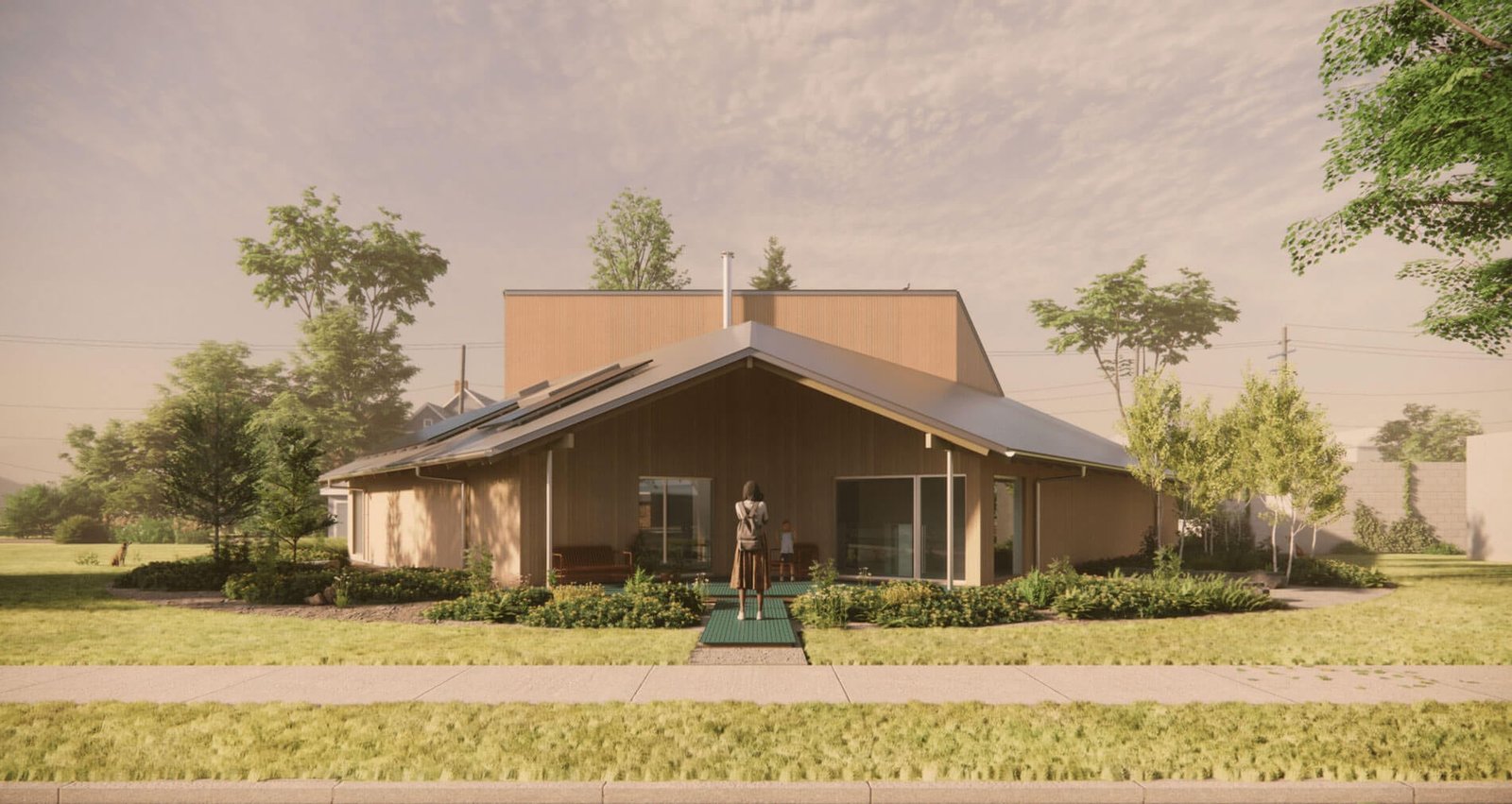
The RATHAUS Artist Residency Theatre is a single-story courtyard building, organized like a house. Here, a traditional residential form is repurposed for civic infrastructure, Dash Marshall said in a project statement. The courtyard will host community gatherings, outdoor screenings, and public programming; and wash the interiors with light and air.
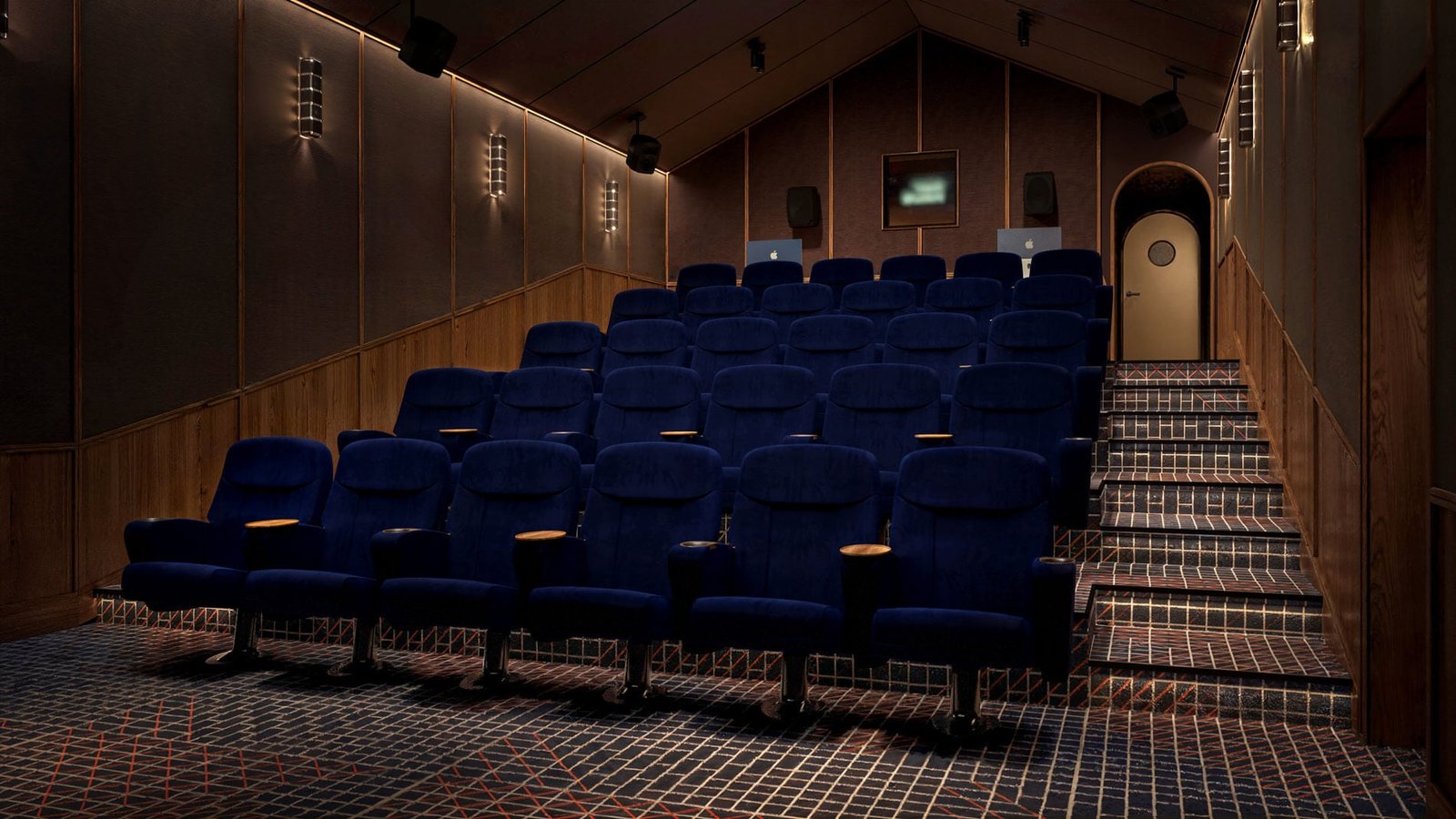
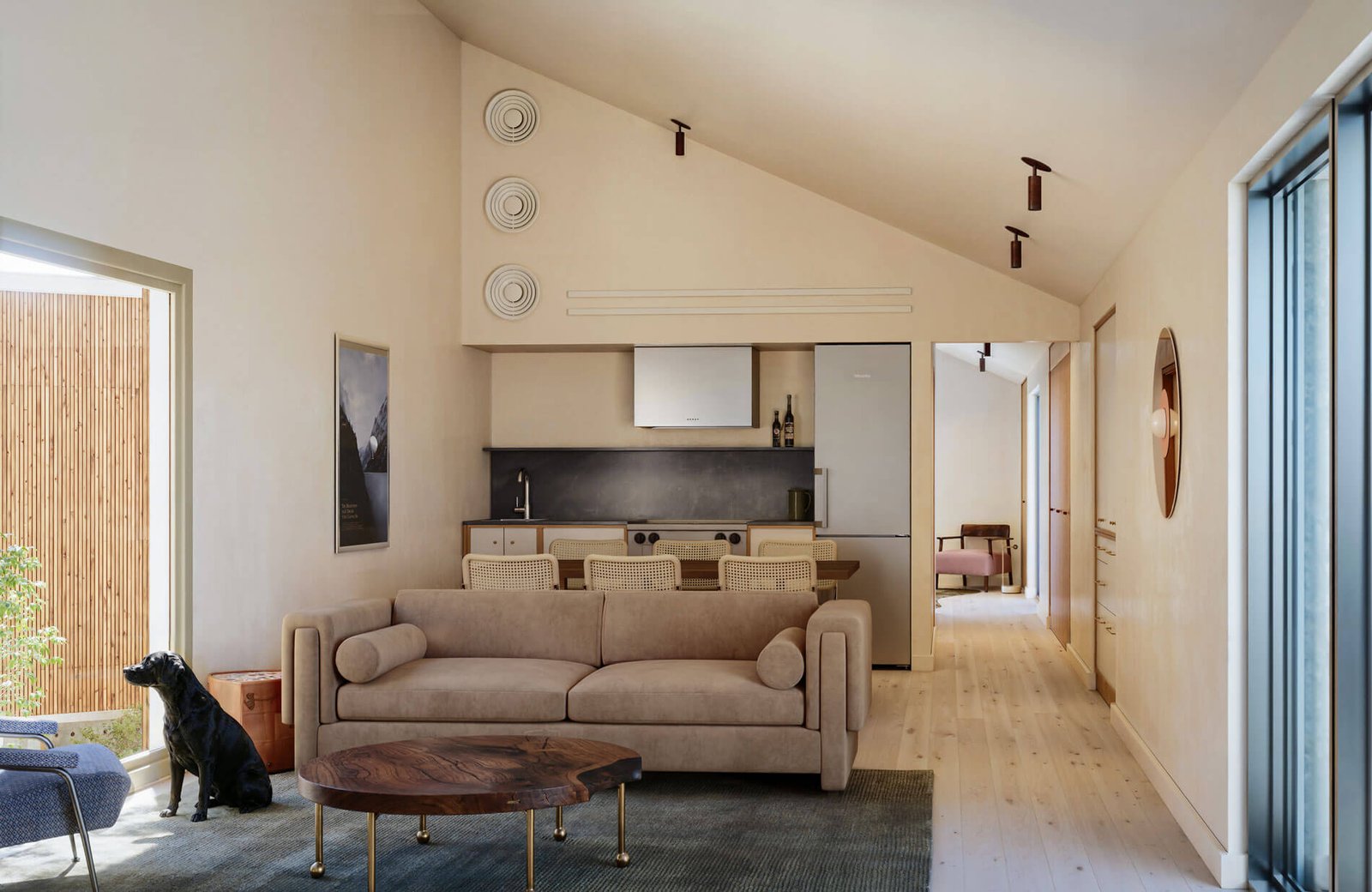
Inside there will be a bedroom for the in-residency artist and filmmaker, a 30-seat Digital Cinema Initiatives–compliant screening room, post-production workspaces, and multi-use gathering areas.
For RATHAUS, the building will help grow the studio beyond production so it can serve as a catalyst for Detroit’s arts community more broadly.
“Collaborating with other filmmakers is one of the main reasons we started RATHAUS,” RATHAUS cofounder Kevin Steen said in a statement.
“While we function as a production company, we have always thought of ourselves as a collective,” Steen continued. “The RATHAUS grows directly out of that ethos. We want to create a space where filmmakers can work, gather, share ideas, and build lasting connections.”
Dash Marshall also designed the Detroit Public Theatre in Midtown, completed in 2024. For RATHAUS Artist Residency Theatre, the design by Dash Marshall in plan is shaped like a triangle with chamfered apexes.
The chamfers create voids at three ends of the building. Fenestration was placed in the voids to increase natural light access.
The void facing the street performs as the main entry and as a small shaded patio with a bench. The facade facing the street is lower than the rear facade, which rises up, breaking the building’s symmetricality.
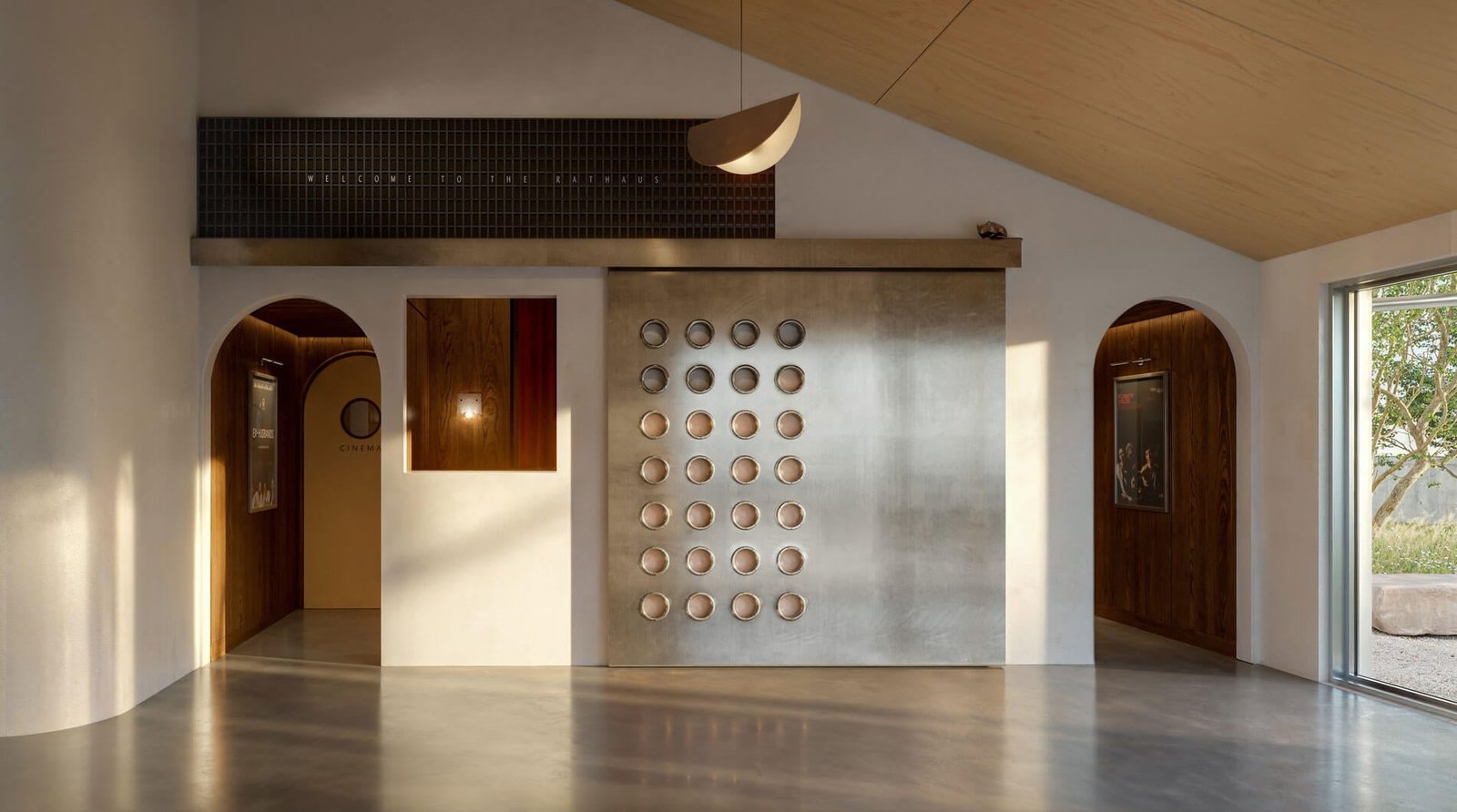
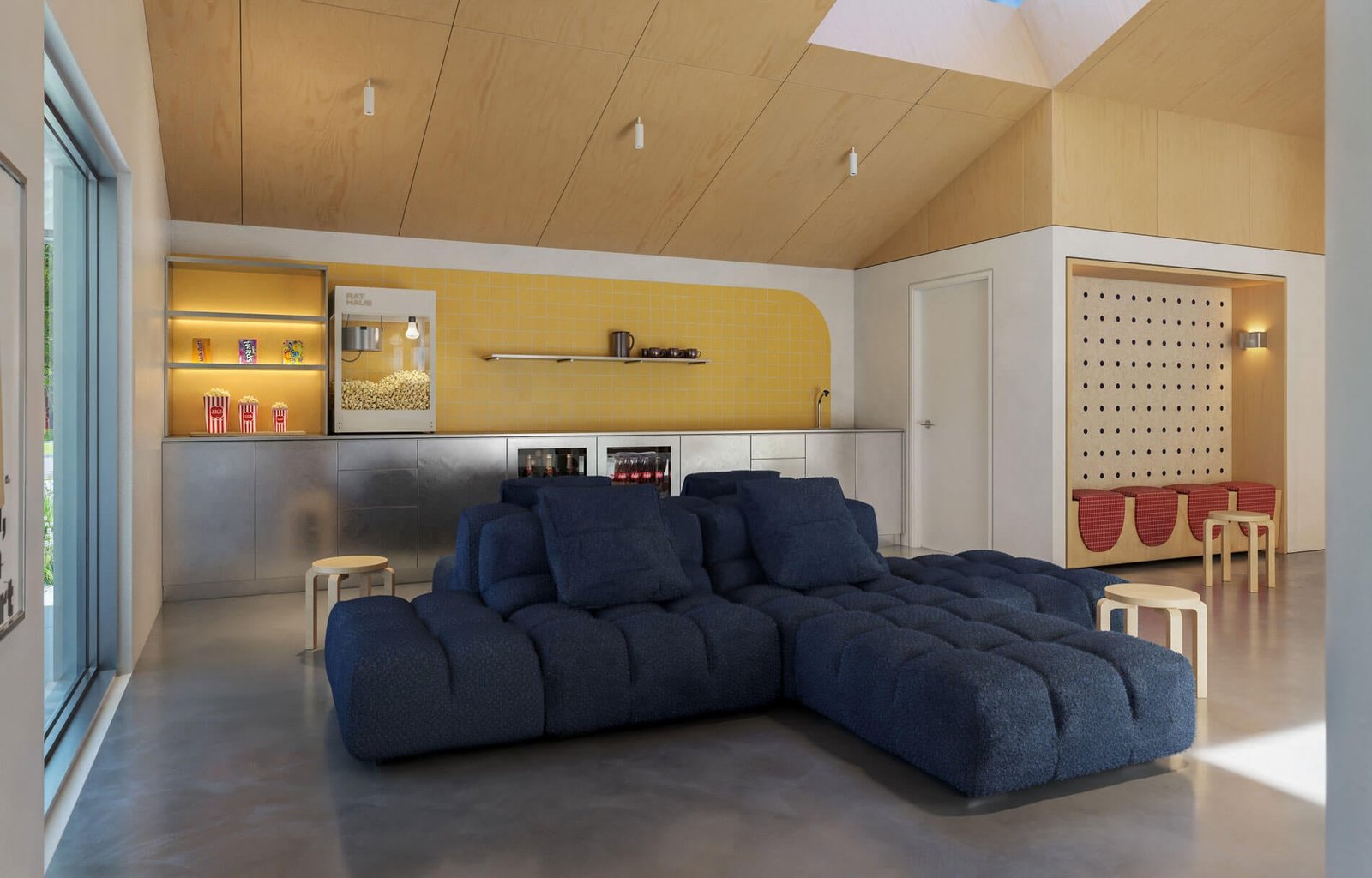
The interiors are chic, and hearken back to art deco movie houses from the early 20th century. Arched doors with porthole windows, and cream-colored walls will complement the theater with seating lined in dark blue textiles.
Primary colors will complement the building’s exposed wood, stainless steel, and concrete. As any theater should have, the kitchen counter will have a popcorn maker.
“In a city with limited screening and theatrical venues,” Steen continued, “we believe that creating new pathways between artists and the cinema screen will inspire and support both emerging and established artists, cultivate creative energy, and build lasting support for Detroit’s artistic community.”
The new film hub is slated to open in August 2027.