

Schools of architecture can foster an environment of experimentation that eventually leads to breakthroughs for the profession. The university setting challenges academics to take conceptual risks, a task that becomes increasingly rare when entering the field. As new tools and technologies have emerged over the last decade, there has been a particular rise in projects that push the limits of what materials can do—including glass.
The following research, including my own work, highlight how academics in the field are exploring this unique and capricious material. Although it presents more challenges than other materials, glass also contains so much potential. I find the following projects inspiring because they represent a passion for hands-on prototyping with glass in the education of future architects an important goal toward imagining better applications of glazing in the built environment.
Taubman College of Architecture and Urban Planning, University of Michigan
Catie Newell
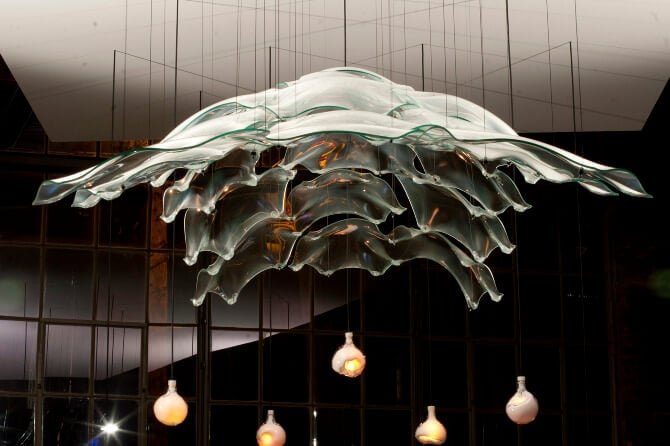
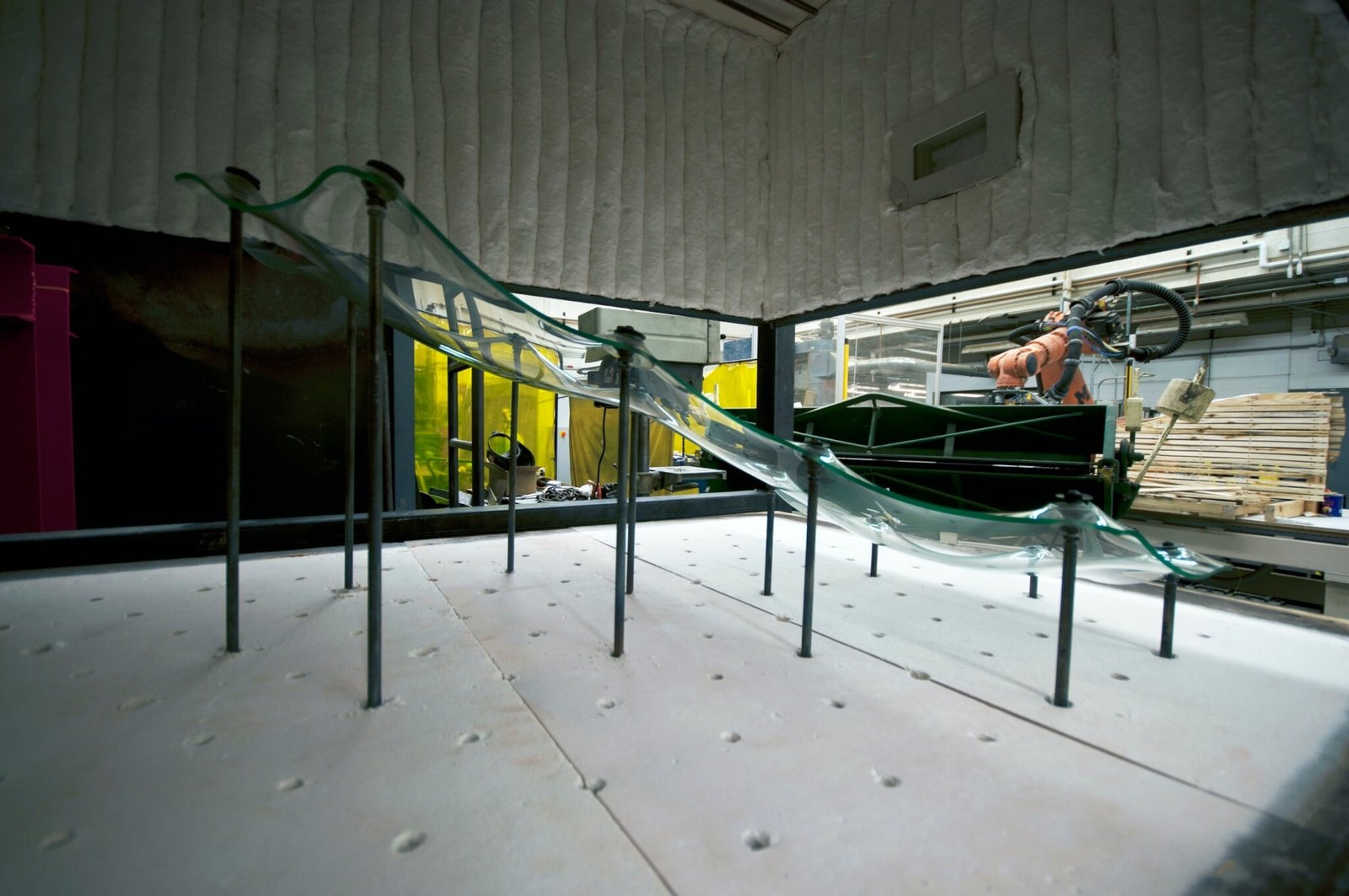
Glass Cast, developed by Catie Newell and her team in 2012, proposed a novel glass-forming technique whereby a repositionable pin mold was built into the floor of a kiln. They were able to form sheets of glass in real time by adjusting the height of each pin, remotely controlled by a servo motor and digital software. Through careful analysis of geometric properties and maximum allowable surface curvature, the final installation of undulating glass panels created kaleidoscopic effects of reflected light.
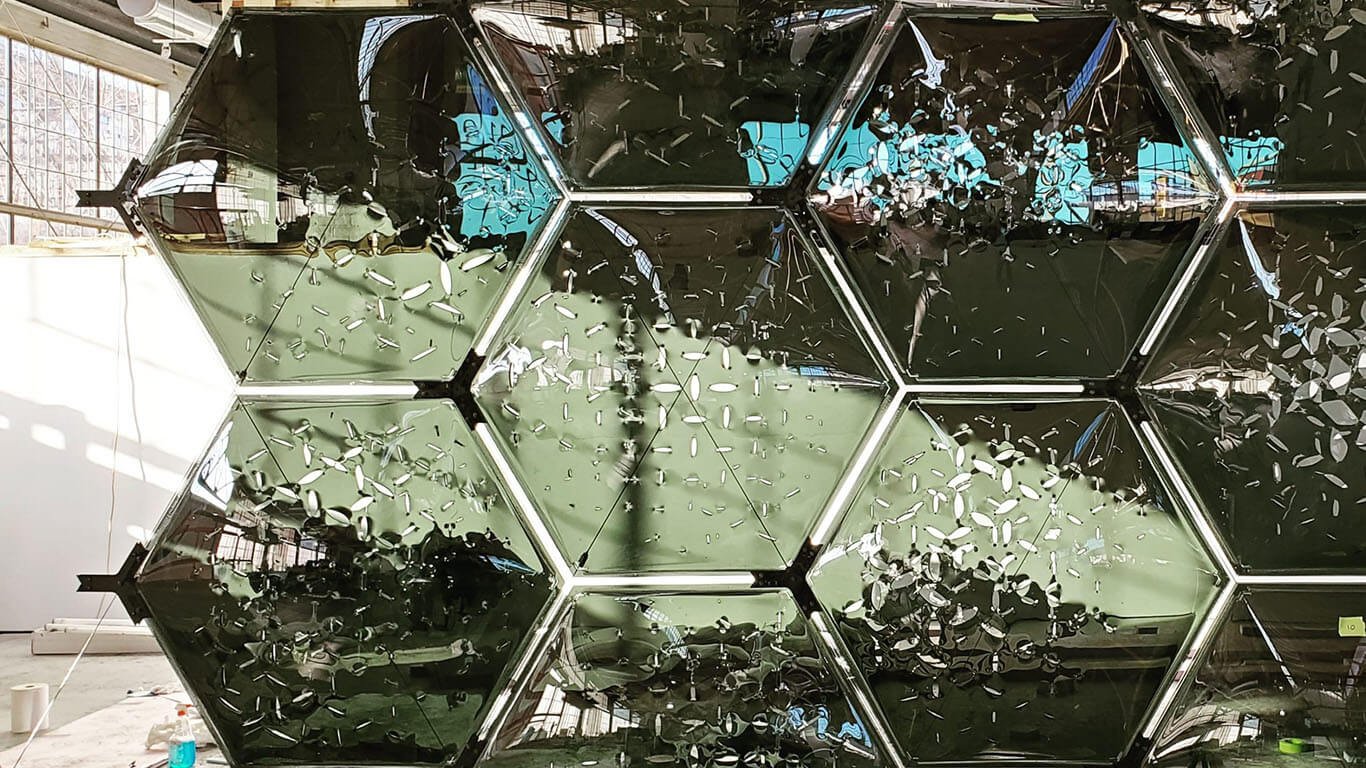
A subsequent project headed by Newell along with Wes McGee and Zackery Belanger, Long Range (2022), investigated the effects of curvature on the acoustic properties of slumped glass. Working with a team of students, they were able to test the impact of curvature and waterjet-cut perforations in sandwiched hexagonal glass panels on the reflective, diffusive, transmissive, and absorptive acoustic behaviors of the system. Extensive prototyping and simulations allowed the designers to calibrate the material’s geometry for desired ambient effects.
Stuart Weitzman School of Design, University of Pennsylvania
Dr. Masoud Akbarzadeh and the Polyhedral Structures Lab
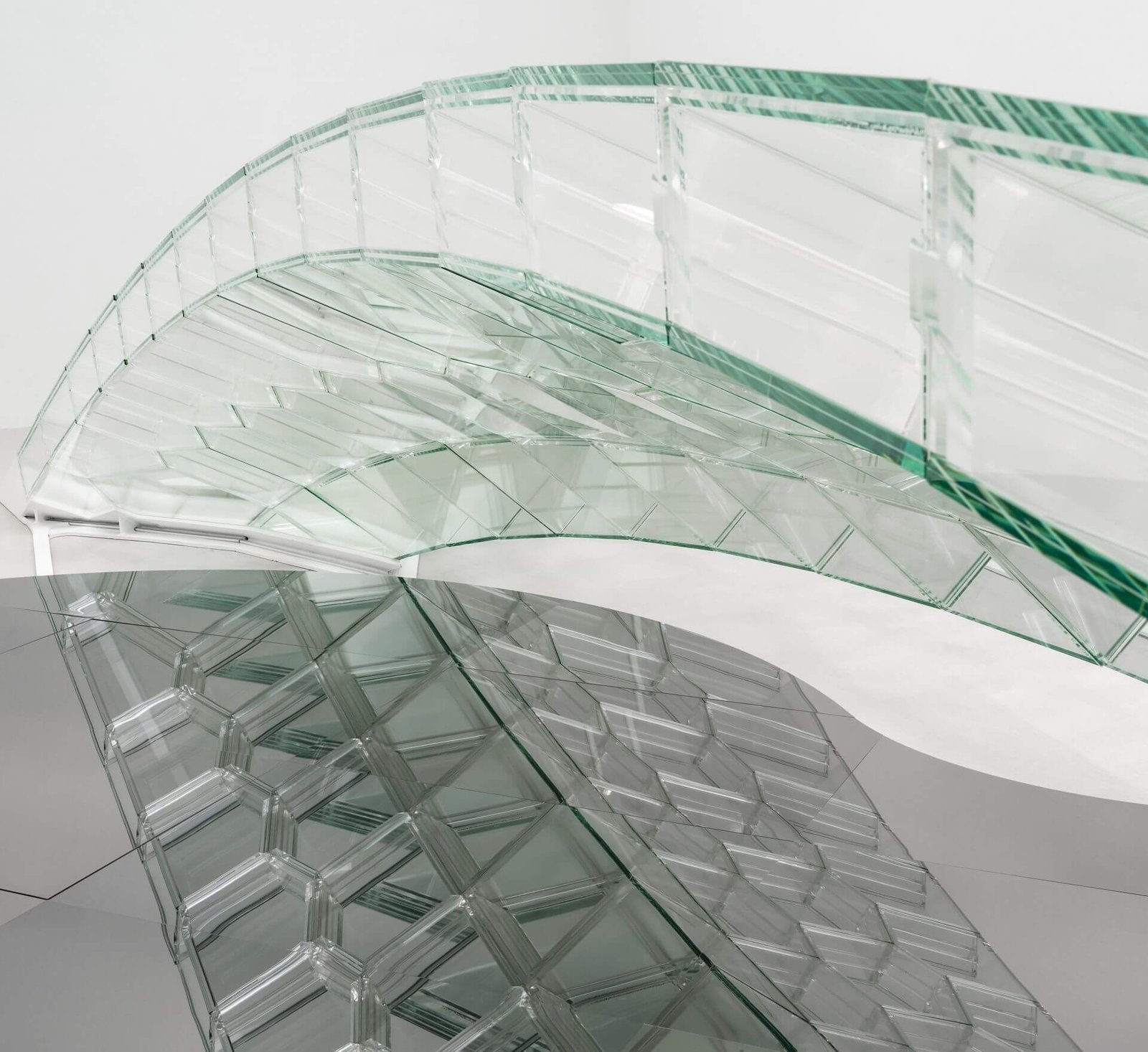
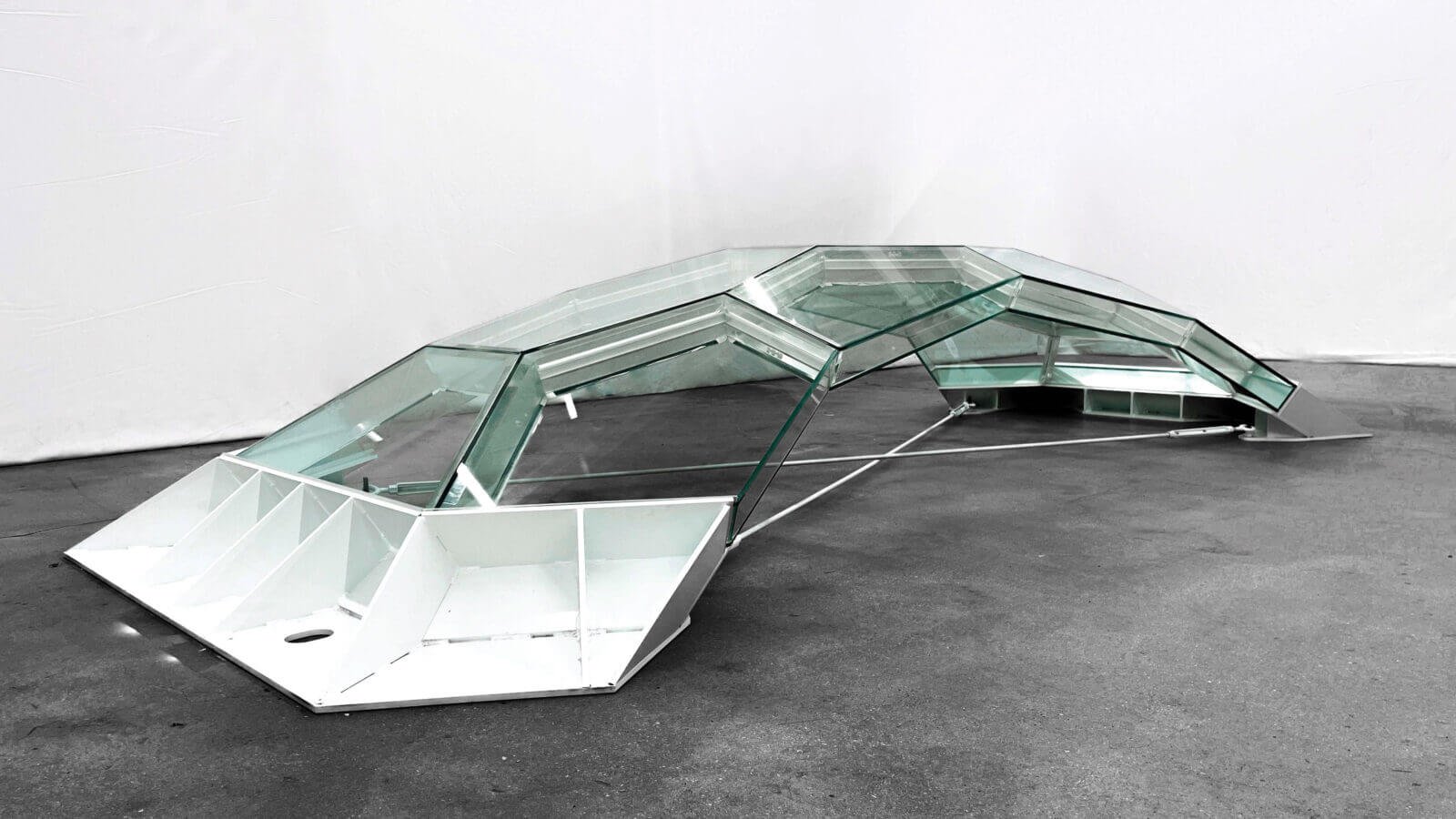
Bridging the challenge of using glass as a primary structural system with the geometry-based solutions of polyhedral graphic statics, Masoud Akbarzadeh and his lab at UPenn have built two prototypes for a self-supporting glass bridge. Tortuca (2022) was assembled out of 13 hollow glass units (HGUs), together spanning over 10 feet. The top and bottom faces of each cell were cut from annealed glass using a 5-axis abrasive water jet, with acrylic spacers as side walls, which accommodated the connection mechanism to neighboring HGUs.
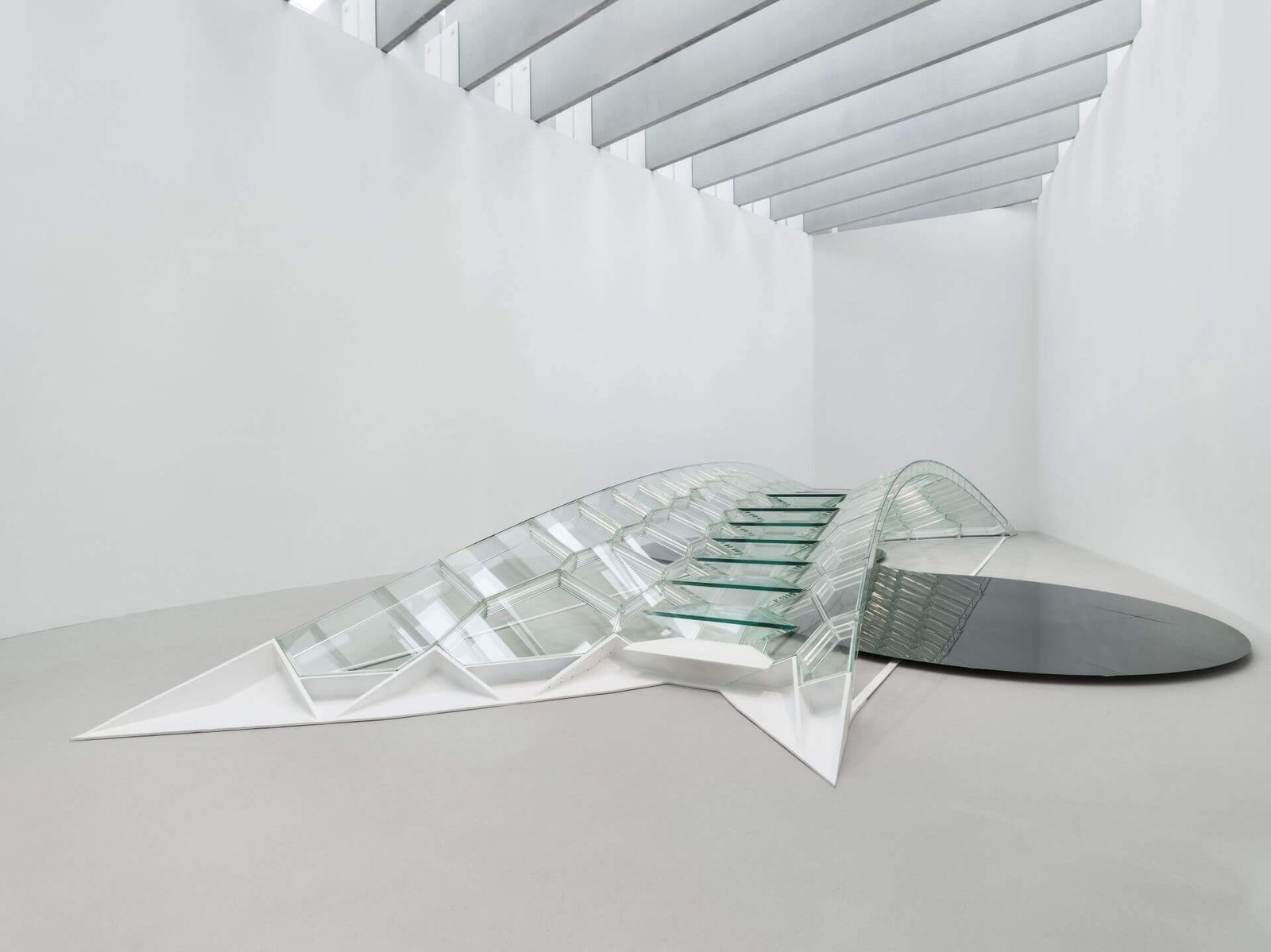
The research team expanded to include an array of collaborators from other institutions; last year, it developed and installed Vitrum Leve, or the Lightweight Glass Bridge, at the Corning Museum of Glass. It consists of ultrathin multilayered glass sheets (16 millimeters) that form a high-performance sandwich system. The internal flow of forces is contained within a slender cross section, resulting in an ultratransparent, high-strength structure. The main objective of this research is to demonstrate that a challenging material like glass can be used as a primary structural system while also appearing as an elegant design solution.
Glass 3D-printing from MIT to RIT
Michael Stern and Evenline
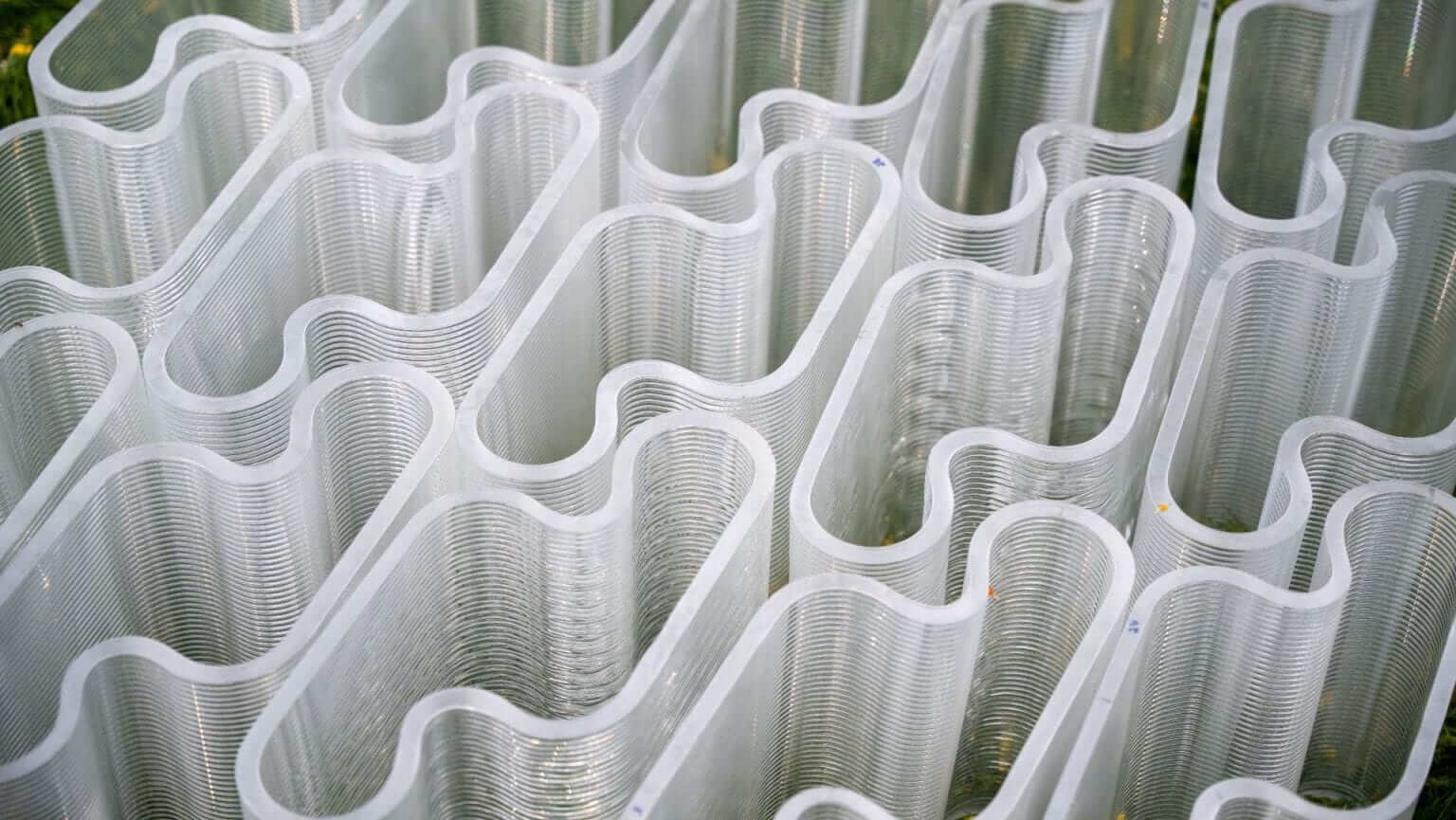
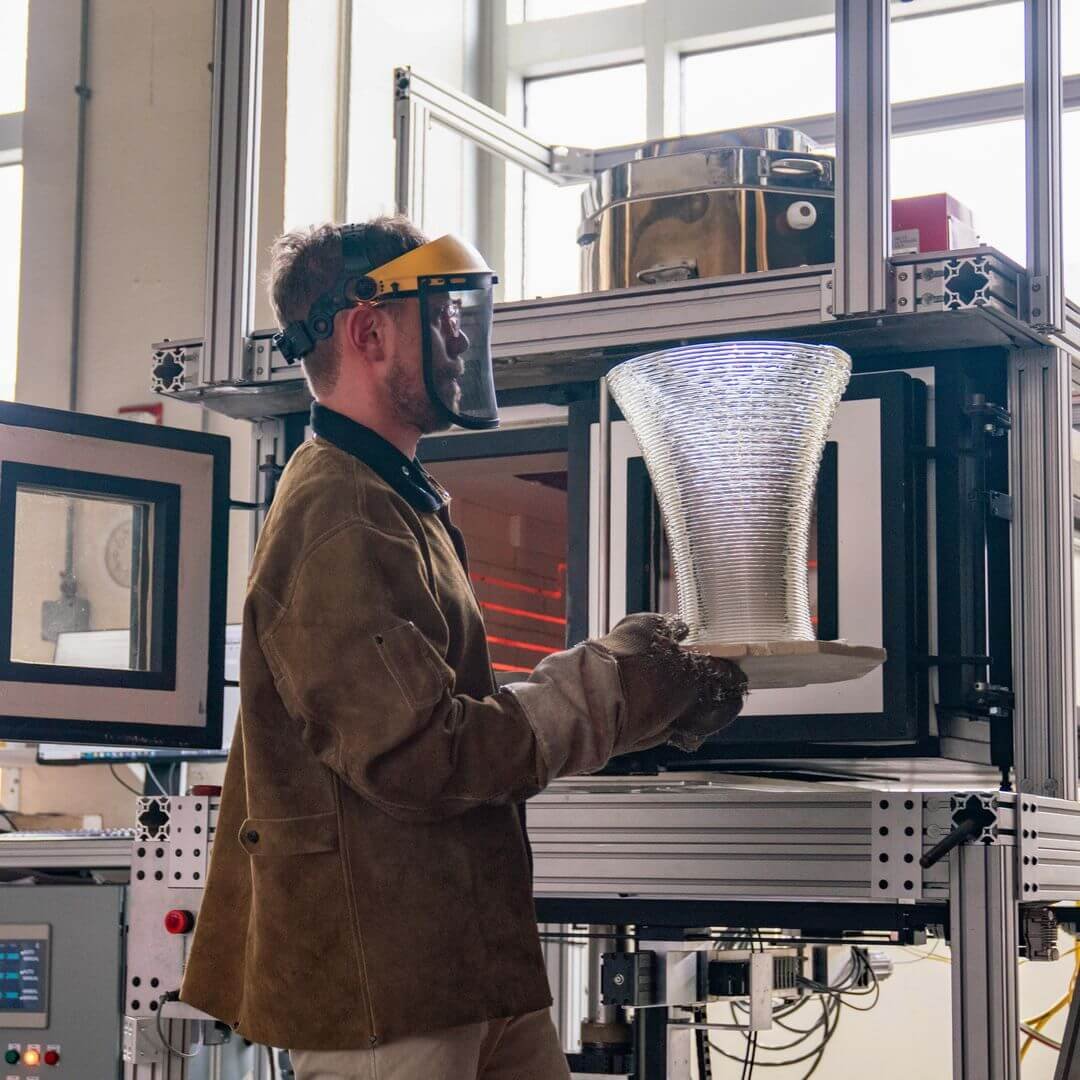
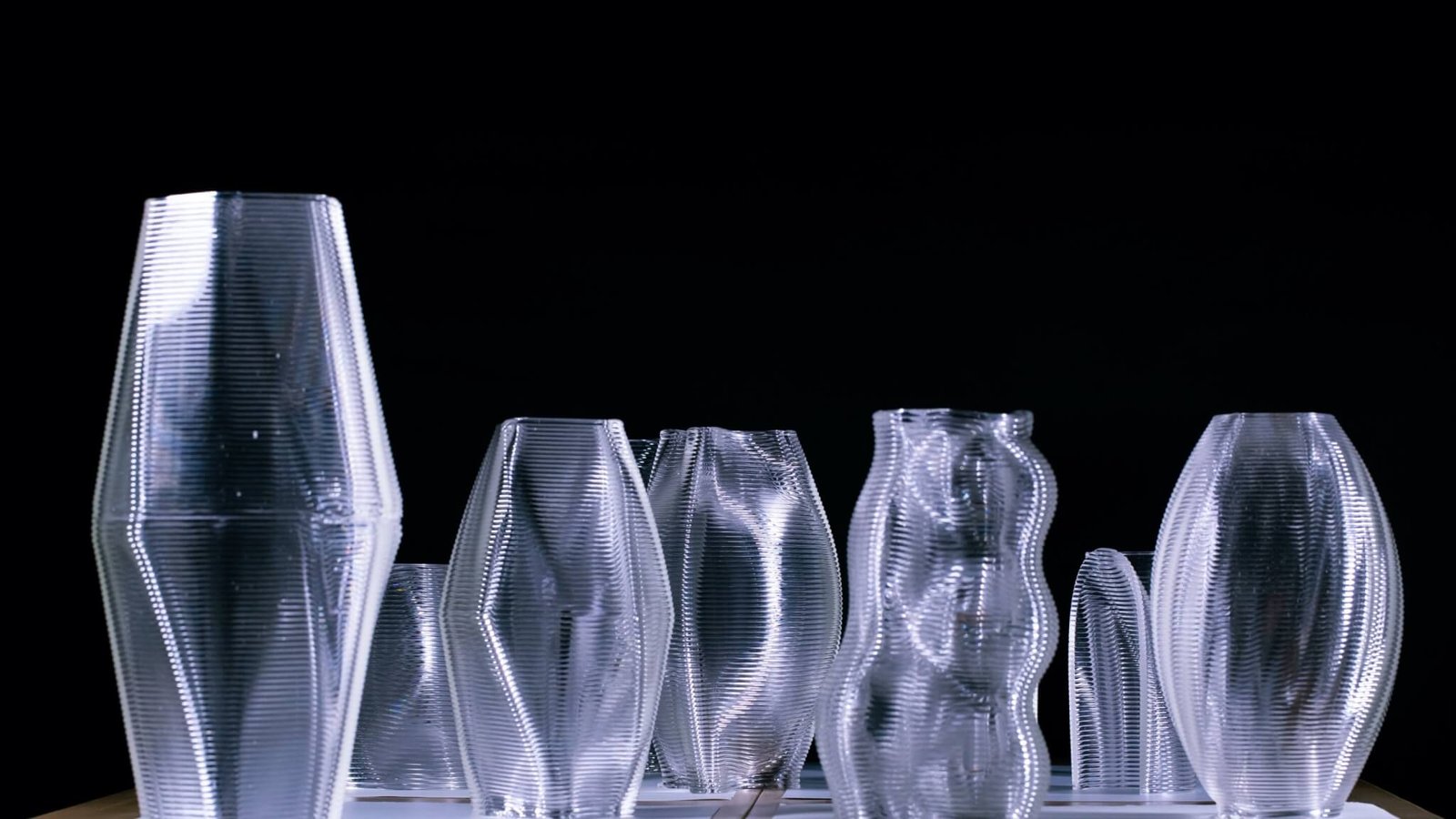
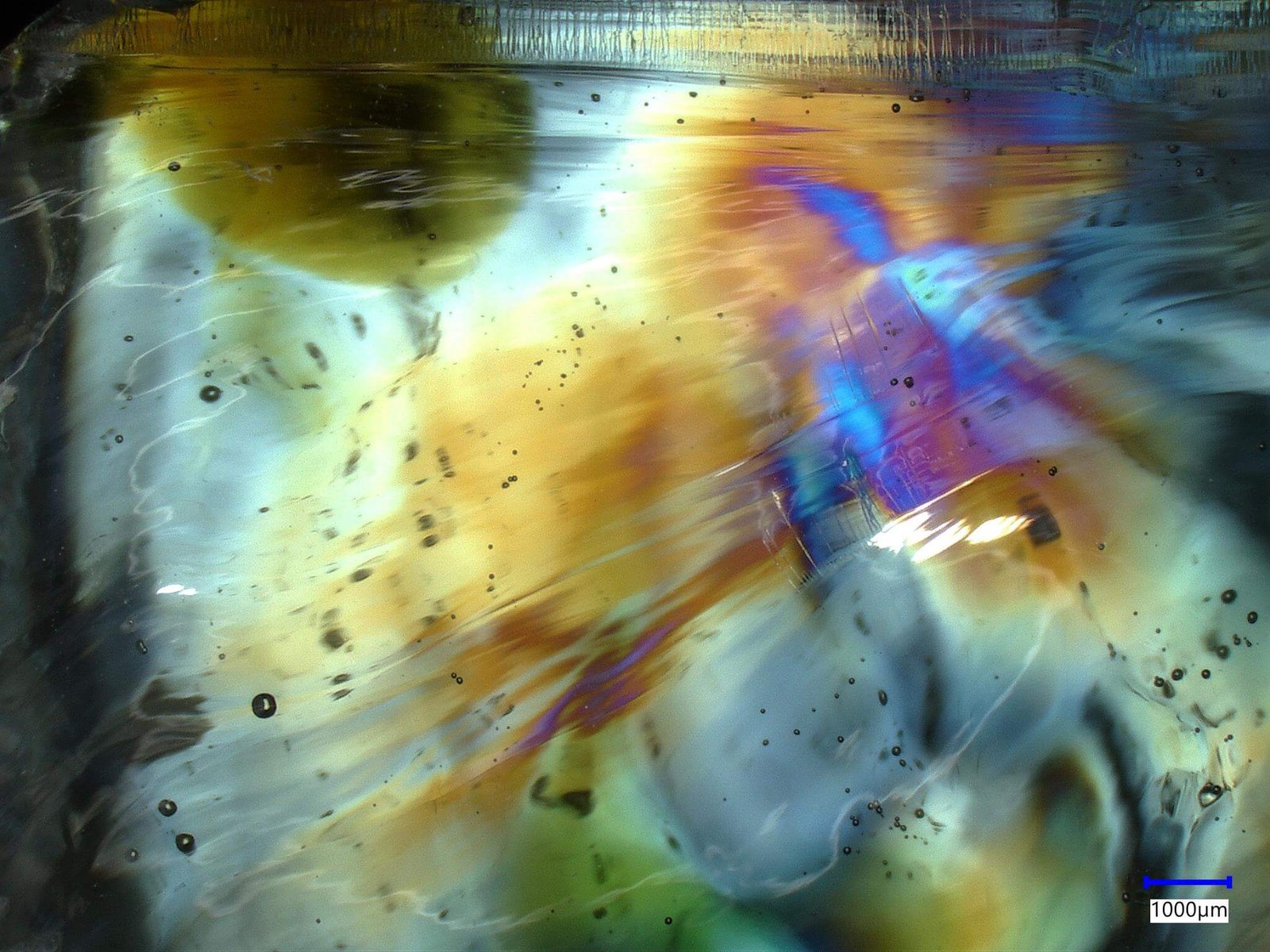
MIT’s Mediated Matter Group developed the first-of-its-kind additive manufacturing technology for 3D-printing optically transparent glass in 2014. The team of engineers, architects, and scientists was at the time led by Neri Oxman. The glass 3D printer consists of an integrated three-zone thermal control system with 4-axis motion control. A crucible of molten glass (1,000 degrees Celsius, or 1,832 degrees Fahrenheit ) is gravity-fed through a ceramic nozzle and deposited into a build chamber at 500 degrees Celsius, or 932 degrees Fahrenheit—the annealing temperature of glass—to control its cooling rate and prevent stress fractures. As an early proof-of-concept, a set of three 10-foot-tall glass columns were 3D-printed and installed at Milan Design Week in 2017. The pieces highlighted the geometric complexity, strength, and transparency of 3D-printed glass at an architectural scale.
Since then, this patented 3D-printer has endured several transformations and now exists as a third-generation model, G3DP3, owned and operated by Evenline in Rochester, New York, under the leadership of Michael Stern, one of the original team members from MIT. Stern teaches a digital-glass elective course at the Rochester Institute of Technology (RIT), while also continuing to collaborate with MIT’s Fabrication-Integrated Design Lab. Together, they recently prototyped recycled glass structural facade systems. Previously, Stern worked with Daniel Lizardo of MIT to start Lios Design, a company that developed 3D-printed architectural lighting. The many iterations of this technology offer an interesting case study of work emerging from an academic setting to existing within the industry, where it is applied toward both decorative design objects and scientific innovation.
Glass & Transparency Research at TU Delft
Telesilla Bristogianni and Faidra Oikonomopoulou
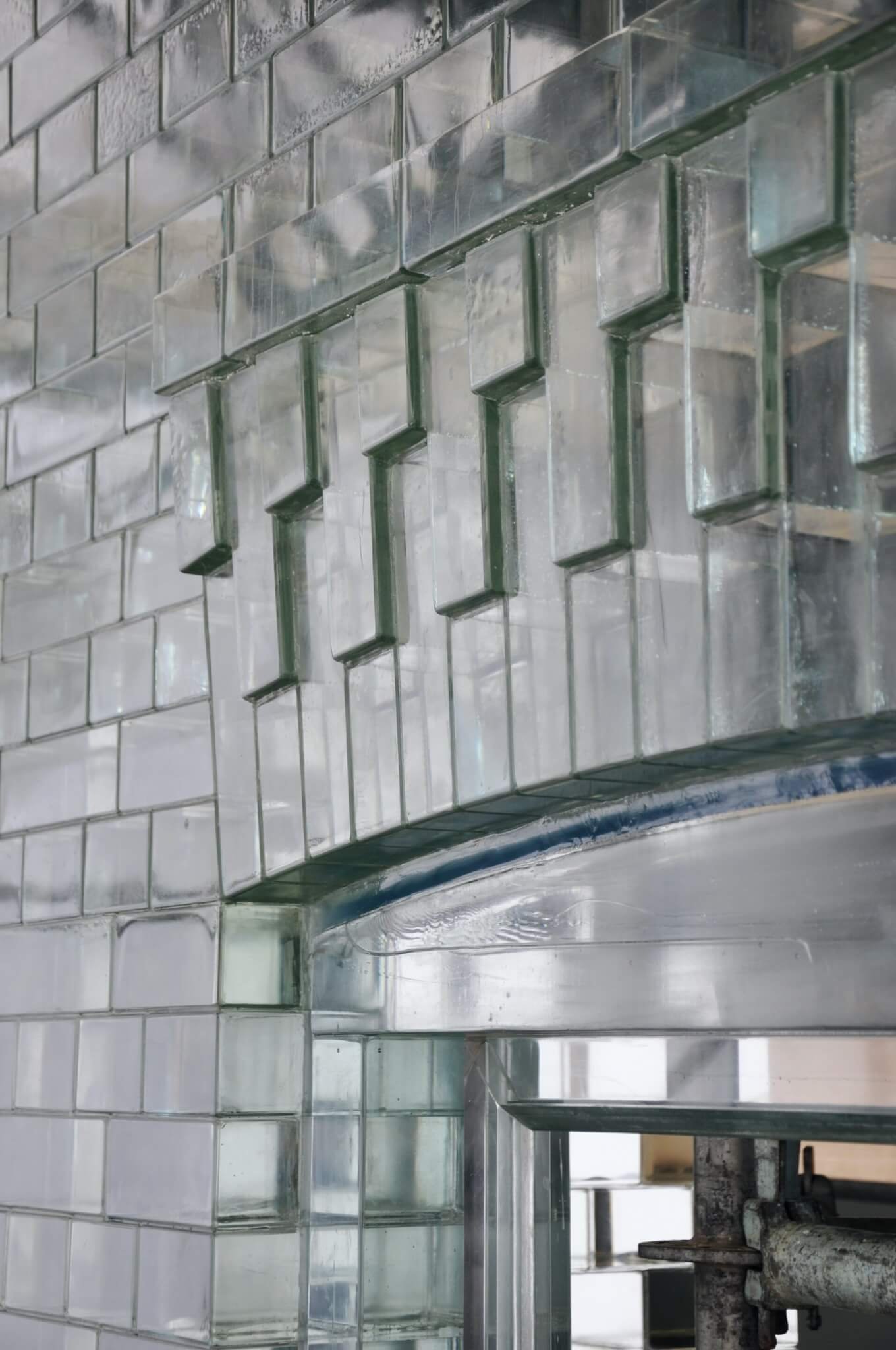
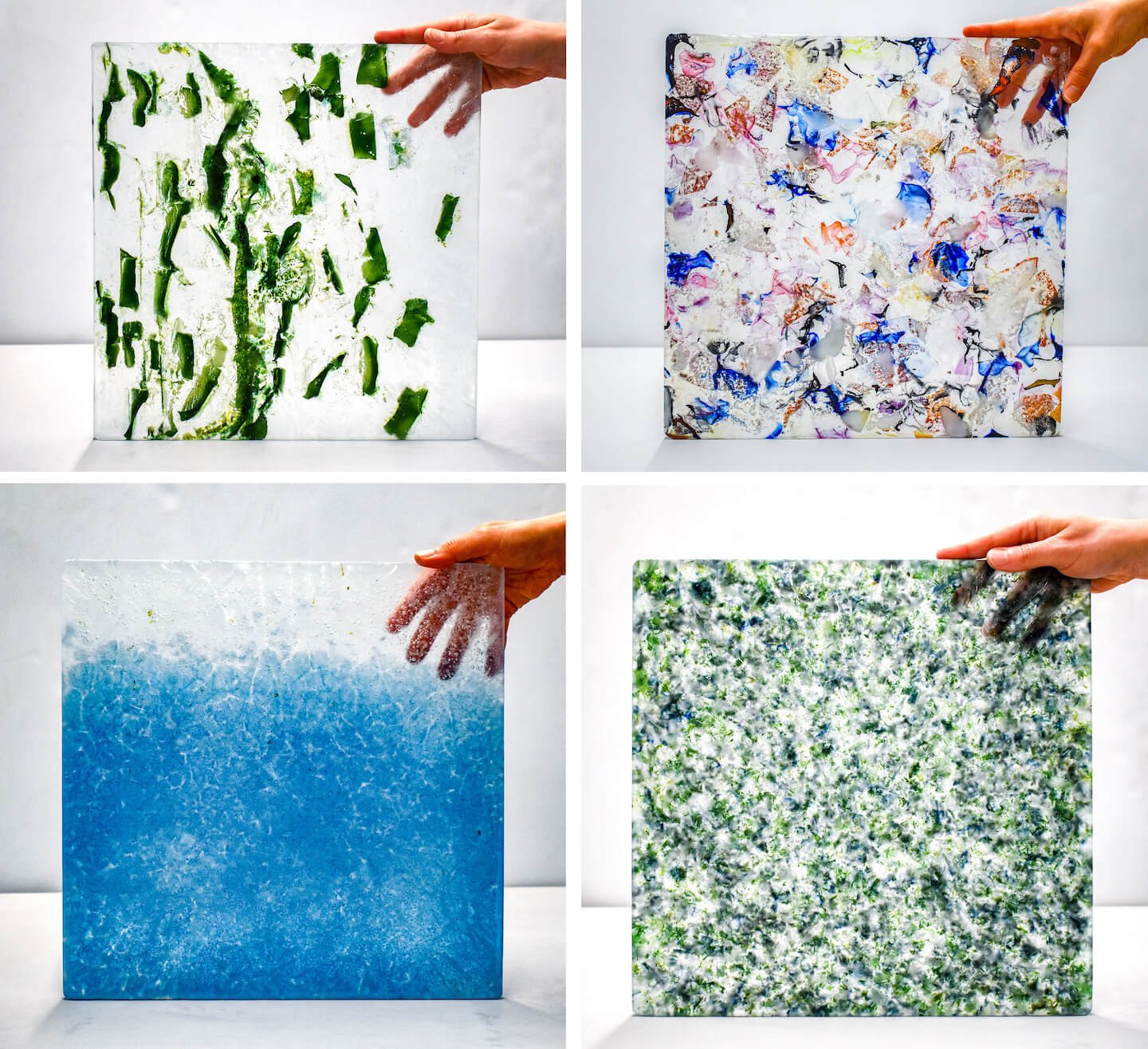
The Glass & Transparency Research Group at Delft University of Technology in the Netherlands (TU Delft) has established itself as a world-renowned institution focused on novel glass research for built structures. Currently chaired by James O’Callaghan, the team investigates diverse aspects of glass such as its structural performance and recycling possibilities. Assistant Professors Telesilla Bristogianni and Faidra Oikonomopoulou, also members of ReStruct Group, have been researching the mechanical properties of cast glass in load-bearing applications and how various types of glass waste can be recycled into cast volumetric components for architectural use. The university has led R&D efforts behind landmark commercial projects, such as Crystal Houses, an acclaimed glass block facade built by MVRDV in Amsterdam. Ongoing work also explores topological optimization, the use of glass in restoration, 3D-printed sand molds, glass forensics, and adhesives for float glass assemblies.
The Bartlett School of Architecture, UCL/NJIT
Gosia Pawlowska
The previous projects represent the most inspiring efforts of architectural glass researchers I have encountered in academia. This work often involves teams of collaborators—both professors and students—and is made possible by funding.
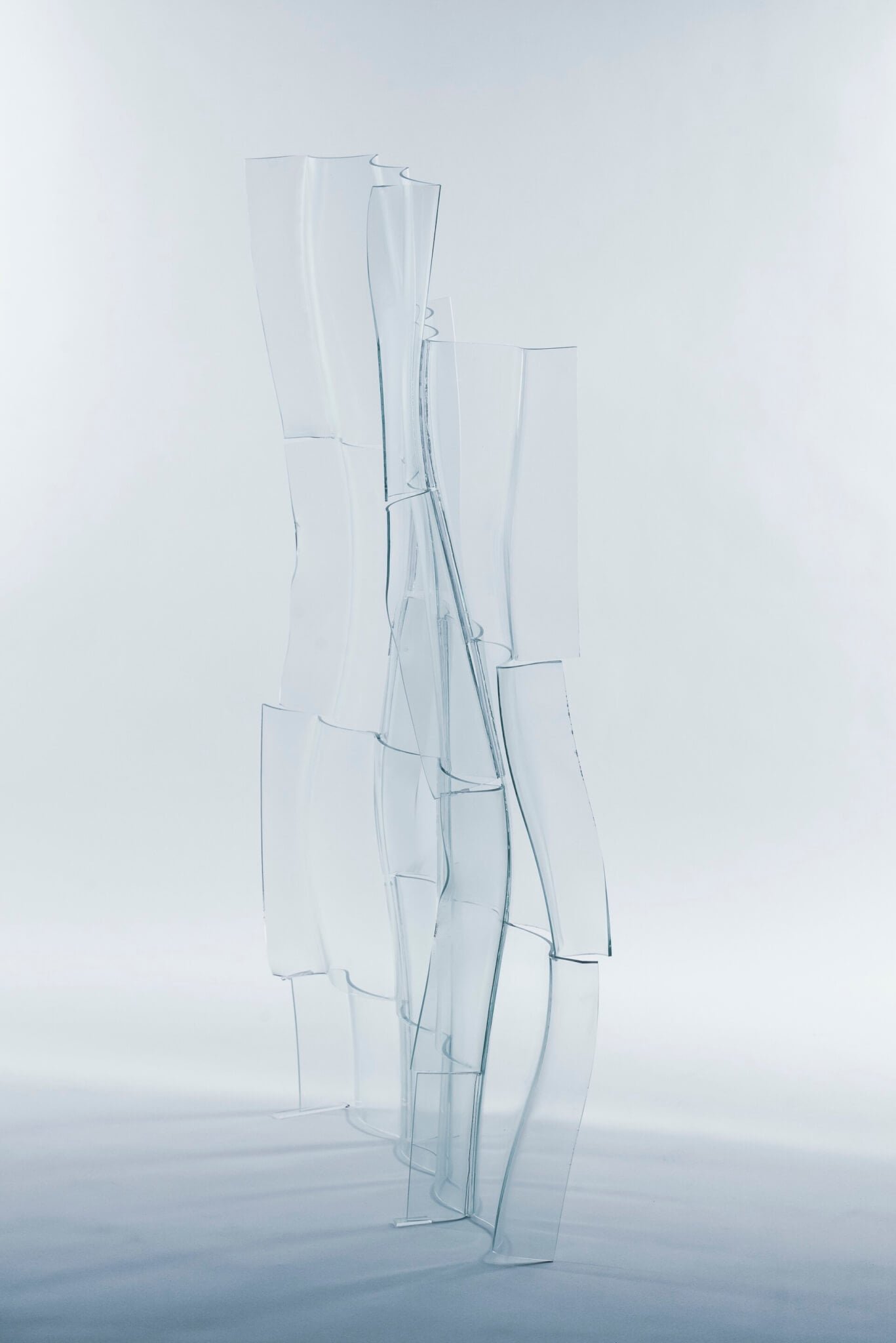
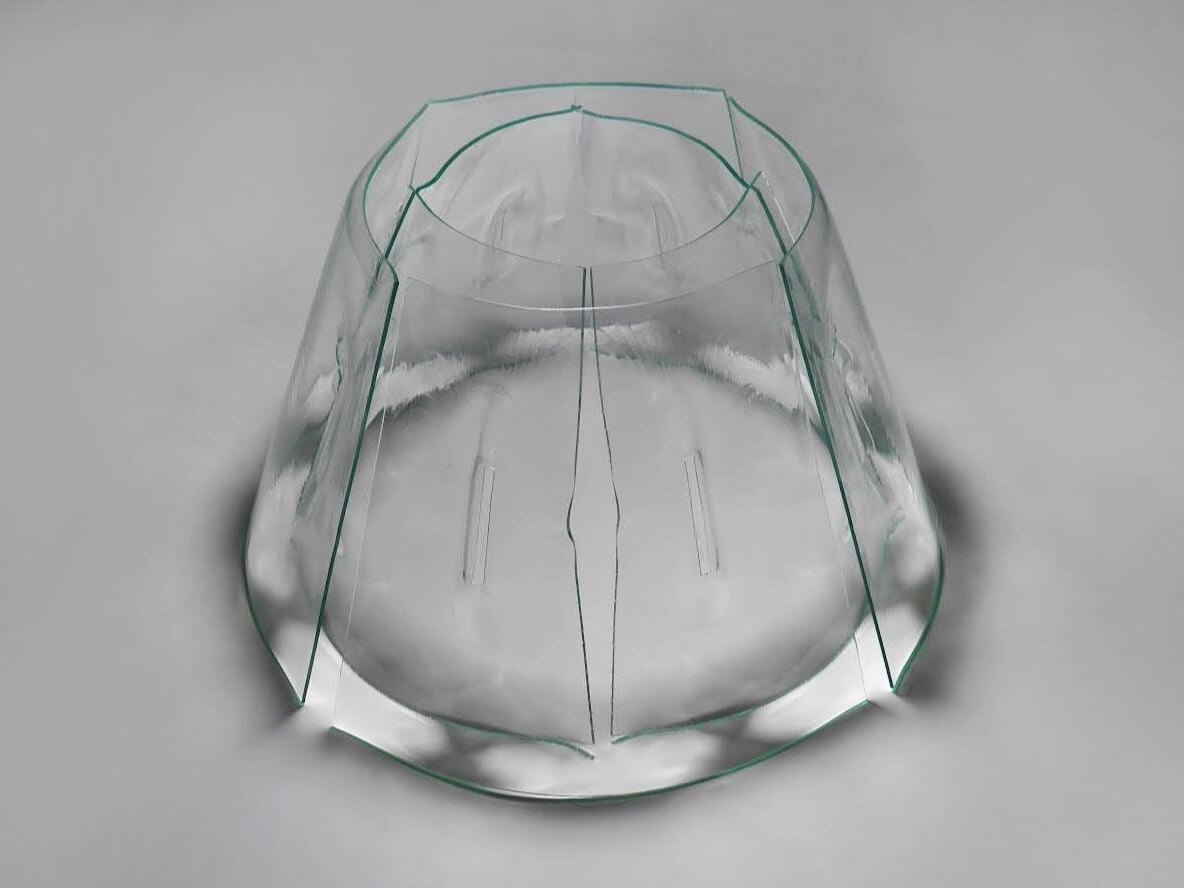
I personally became acquainted with glass through independent study, when I immersed myself in craft workshops at studios like Urbanglass and Brooklyn Glass. This inspired me to pursue an M.Arch thesis focused on the forming and assembly of architectural glass at the Bartlett School of Architecture within its Design for Manufacture course. There, I developed Viscous Catenary (2019), an assembly system of kiln-formed glass panels designed in Grasshopper and draped over water-jet-cut steel molds. Given the opportunity to present this work the following year at the ACADIA conference, I was grateful to connect with other academics engaging in similar topics.
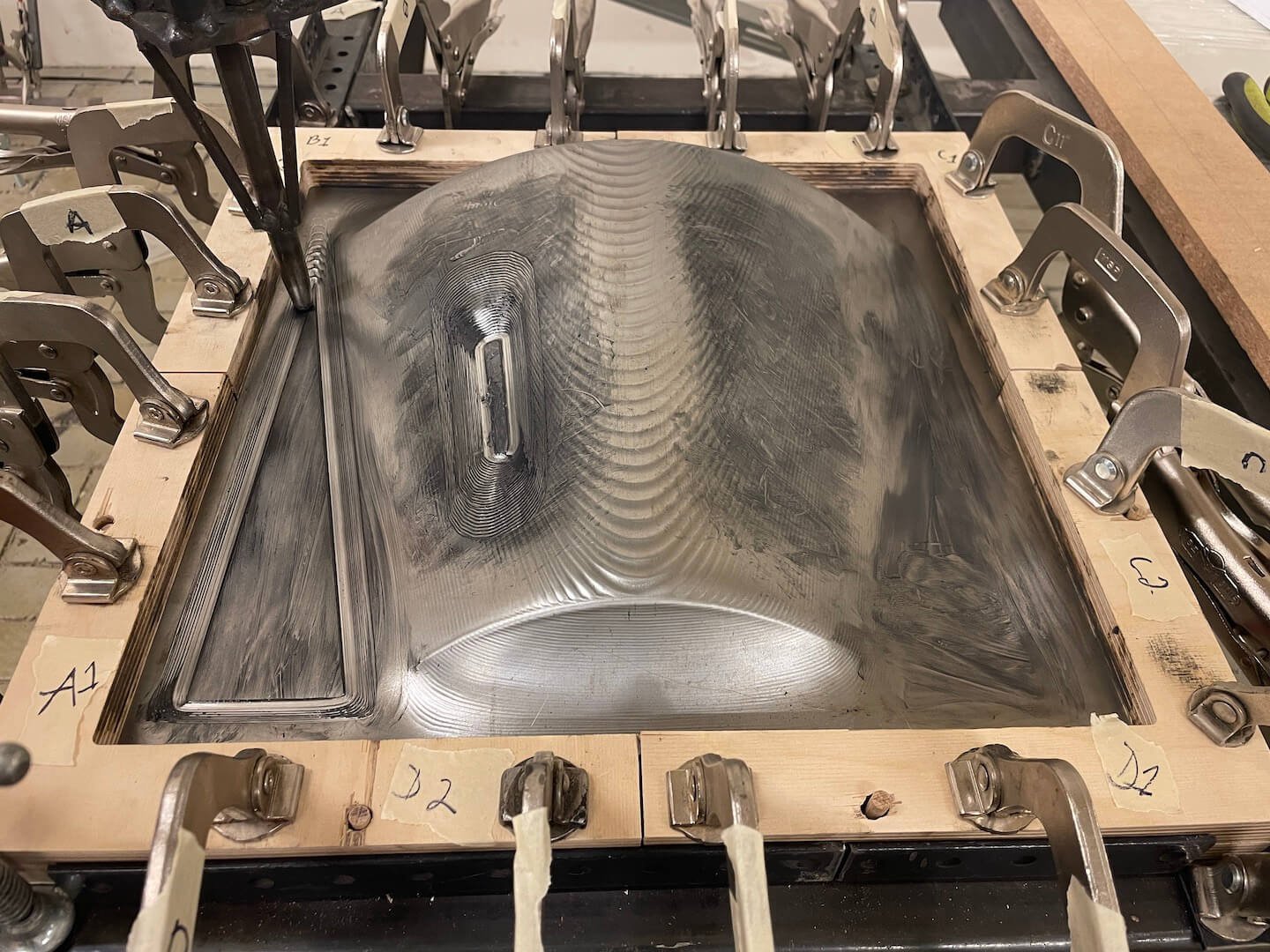
I have pursued further research on steel formwork for glass made by robotic incremental sheet forming thanks to a residency with the Consortium for Research and Robotics (Intentional Folds, 2022) and was awarded an Urbanglass Fellowship in 2022 to explore experimental molds for glass in collaboration with fellow architect Michael Haddy. Currently, I continue to share my knowledge on digital fabrication and mold making for glass as an instructor at the New Jersey Institute of Technology (NJIT).
Through navigating the challenges of hands-on research with glass, I have direct appreciation for the investment required to produce meaningful results. Aside from developing custom machinery that can withstand high temperatures, I believe it’s possible to experiment with glass in more accessible ways, through inventive formwork design and mold-making techniques. My hope is that these examples of academic glass research will inform and inspire new investigations of the material, both at the high and low end of lab budgets.
Gosia Pawlowska is a glass artist and architectural designer based in New York. She is currently an instructor at NJIT’s Hillier College of Architecture and Design and specializes in mold-making for glass and digital fabrication.