

Noguchi’s New York
The Noguchi Museum
Queens, New York
Through September 13
In 1951, Isamu Noguchi proposed a playground for a sliver of land just south of the United Nations campus, next to FDR Drive on the East Side of Manhattan. After an existing playground had been demolished to make space for a UN building, concerned local mothers wrote to Noguchi and asked him to design a new one. In response, the sculptor reimagined the vacant no-man’s-land as a terrain for play, with mounds, tunnels, and terraces carved into the earth. Here, seesaws and slides were abandoned for terraformed landscapes that encouraged what he called “undirected play, where imagination could run wild.”
Despite receiving public support, Noguchi’s vision was shut down by then Parks Commissioner Robert Moses, whose regimented approach to design had been instituted across the more than 600 playgrounds built under his tenure. Moses compared Noguchi’s scheme to a “rabbit warren” and threatened to pull the Parks Department’s support if Noguchi’s design was executed. Instead, Moses went on to build a playground of his own on the site, which is dominated by a ventilation tower for the Queens–Midtown Tunnel. Today, the postage-stamp park bears his name as Robert Moses Playground. A 1998 New York Times article, ironically titled “Celebrating a Sculptor of the City,” reported on the park’s renaming to honor Moses, noting the installation of a steel fence with art deco silhouettes of 12 of his major projects across the city, a reflection of the outsized impact of Moses’s legacy on New York City.
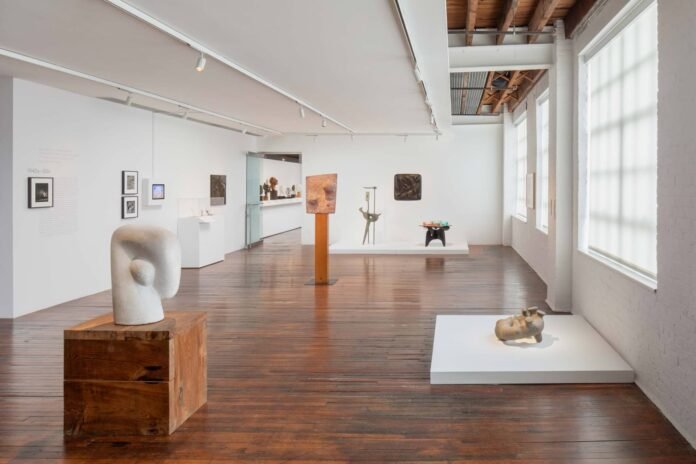
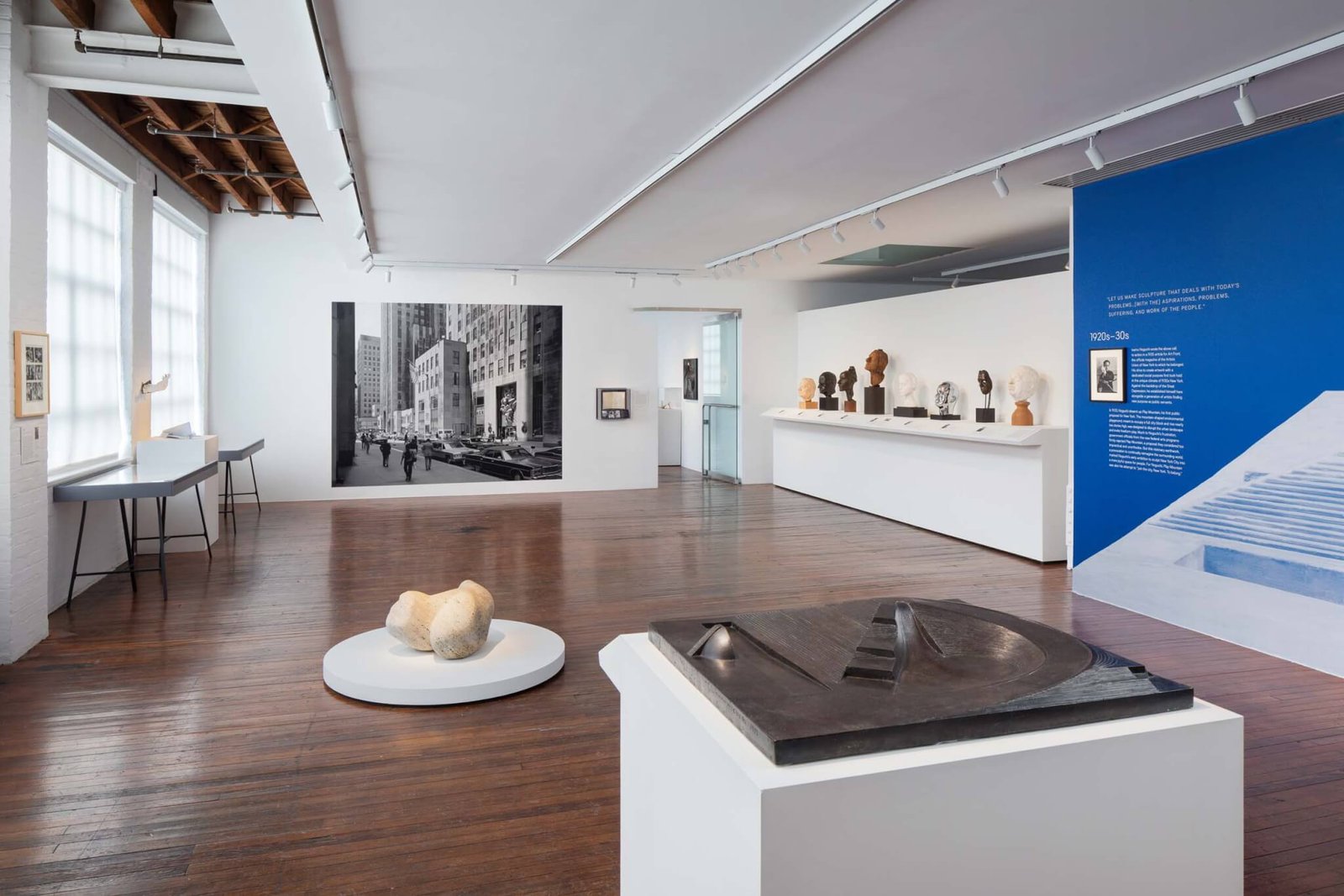
But what if Noguchi’s playground had been constructed? What impact would it have made on the lives of New Yorkers? Noguchi’s New York, on view at the Noguchi Museum through September 26, surfaces the possibilities the Japanese American sculptor imagined for New York’s built environment. A survey of Noguchi’s realized and unrealized works in New York City installed in the museum’s upper-floor gallery documents the artist’s lifelong interest in public art and sculpture’s ability to reshape civic life.
A central part of the story is the artist’s own relationship with his adopted city. Though he was born in Los Angeles in 1904 and would go on to live in Japan and Paris, it was New York that he identified with most. In a late career interview, he said, “I’m really a New Yorker. Not Japanese, not a citizen of the world, just a New Yorker who goes wandering around like many New Yorkers.” And it was here where he would establish his Long Island City studio, which houses the Noguchi Museum today.
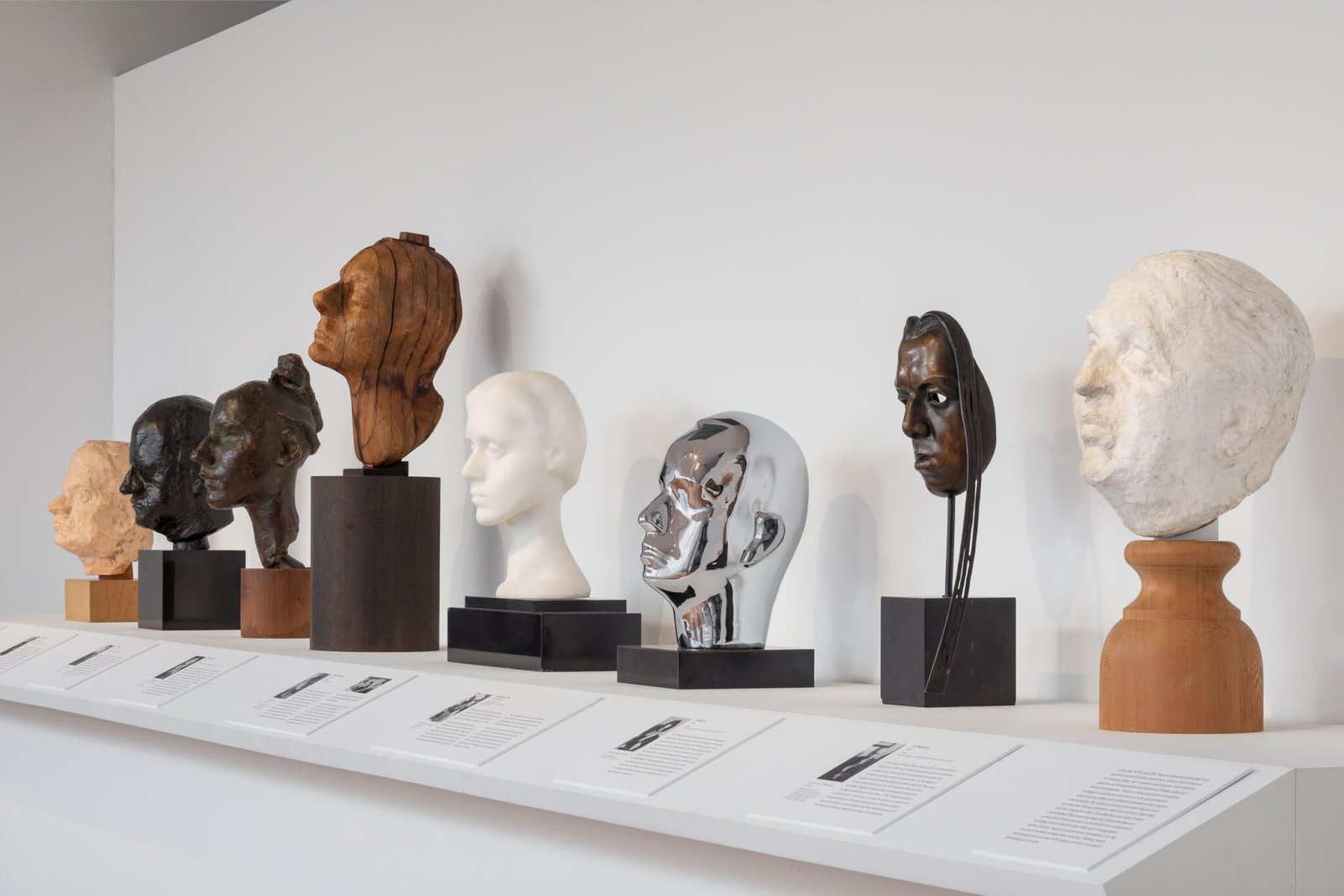
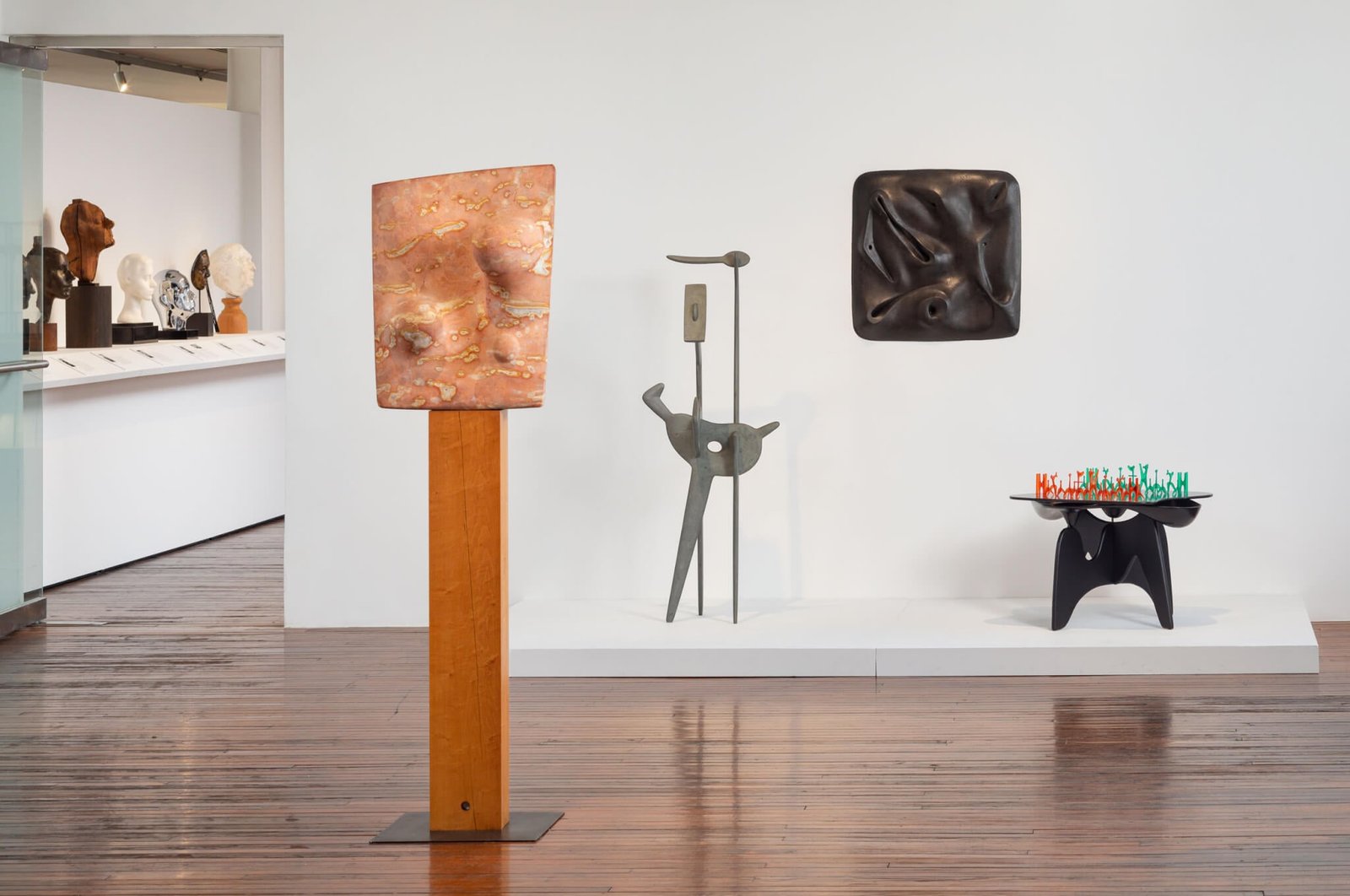
In Noguchi’s New York, visitors are offered a look into Noguchi’s early life in Depression-era New York as a medical-school dropout and an up-and-coming sculptor. A selection of busts rendered in materials that vary from plaster to bronze present a sort of who’s who of Noguchi’s creative community. In familiar New York fashion, Noguchi, who was broke and perpetually on the verge of eviction, had turned to these commissions to make rent. Among the busts is the chrome-plated likeness of architect and futurist Buckminster Fuller, whom he met at a bar in Greenwich Village. The two would go on to be close creative confidants.
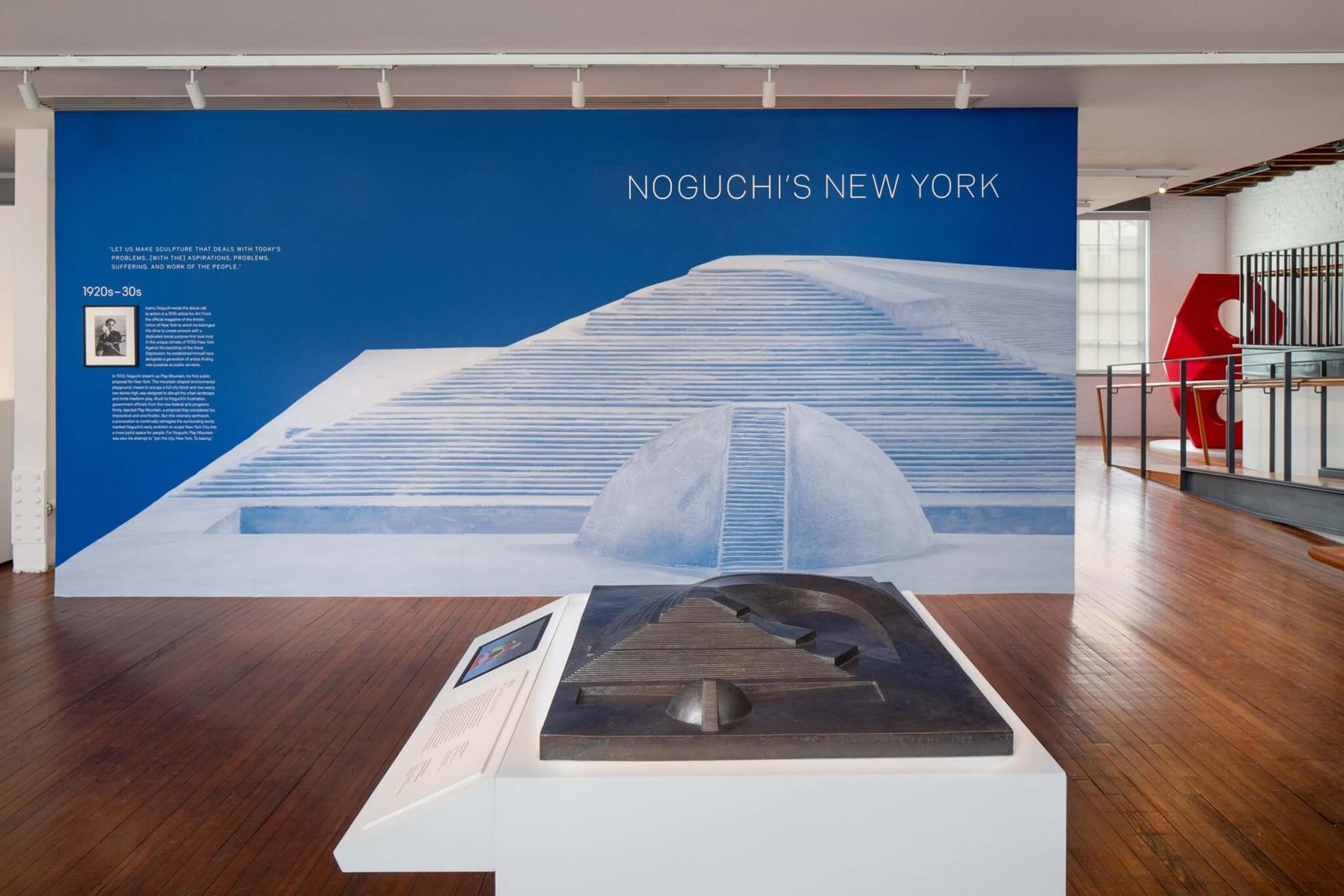
These formative early years not only gave shape to the political and cultural underpinnings that would serve as the foundation of Noguchi’s practice, but they also instilled a deep interest in the psychological effects the city’s built environment could have on its inhabitants. This led to Noguchi’s first playground proposal, Play Mountain (1932). In the exhibition, a bronze model depicts the stepped pyramid of Noguchi’s proposal, a city-block-wide mountain that would rise out of Central Park. With this fantastical earth sculpture, which would feature a waterslide for summers and a sledding slope in the winter, Noguchi wanted to stretch the conception of possibility in New York’s rigid, gridded urban landscape. Play Mountain would also be the first time Noguchi would brush up against his career-long adversary, Moses. In a 1934 meeting between the two, in his reflections on the encounter, Noguchi wrote that Moses laughed him out of the office after a presentation of the playground proposal.
Despite the rejection, Noguchi would return to playgrounds again and again. In 1941, he designed his proposal for the Contoured Playground, which would be sited in Central Park and consisted of “earth modulations” that made the playscape fall-proof. This, too, was rejected. In the exhibition, a mounted bronze model of the playground is catty-corner from another model, one with dips and crevasses that echo Contoured Playground. This model, however, was for a memorial site for the tragedies of war. Conceptualized at the outbreak of World War II, This Tortured Earth (1942) may seem like an inverse of the playground—its concavities are meant to evoke the scars of war rather than the potentialities of play. Despite their incongruencies, their similarities in form reflect Noguchi’s intentions with sculpted earth and his deeper beliefs in the psychological power of play. While Noguchi turned to playgrounds as a mode of cultivating belonging, This Tortured Earth is a landscape that might modulate grief, a reminder of humanity despite the era’s violence. The war directly impacted his life: For about six months in 1942, he was voluntarily interned at a camp for Japanese Americans in Arizona. He hoped to design parks and recreational areas for prisoners.
Noguchi was never able to build a playground in New York City. The closest he got were his plans for an environmental playscape in Riverside Park in the 1960s, a collaboration with architect Louis Kahn that was shelved during Mayor John Lindsay’s administration. Despite his failed attempts in New York, he realized playscapes around the world, including Moerenuma Park in Sapporo, Japan, which holds its own version of Play Mountain, and Piedmont Park’s Playscapes in Atlanta. The High Museum of Art, which commissioned the Piedmont Park Playscapes, is currently commemorating the 50th anniversary with an exhibition titled Isamu Noguchi: I am not a designer, on view through August 2.
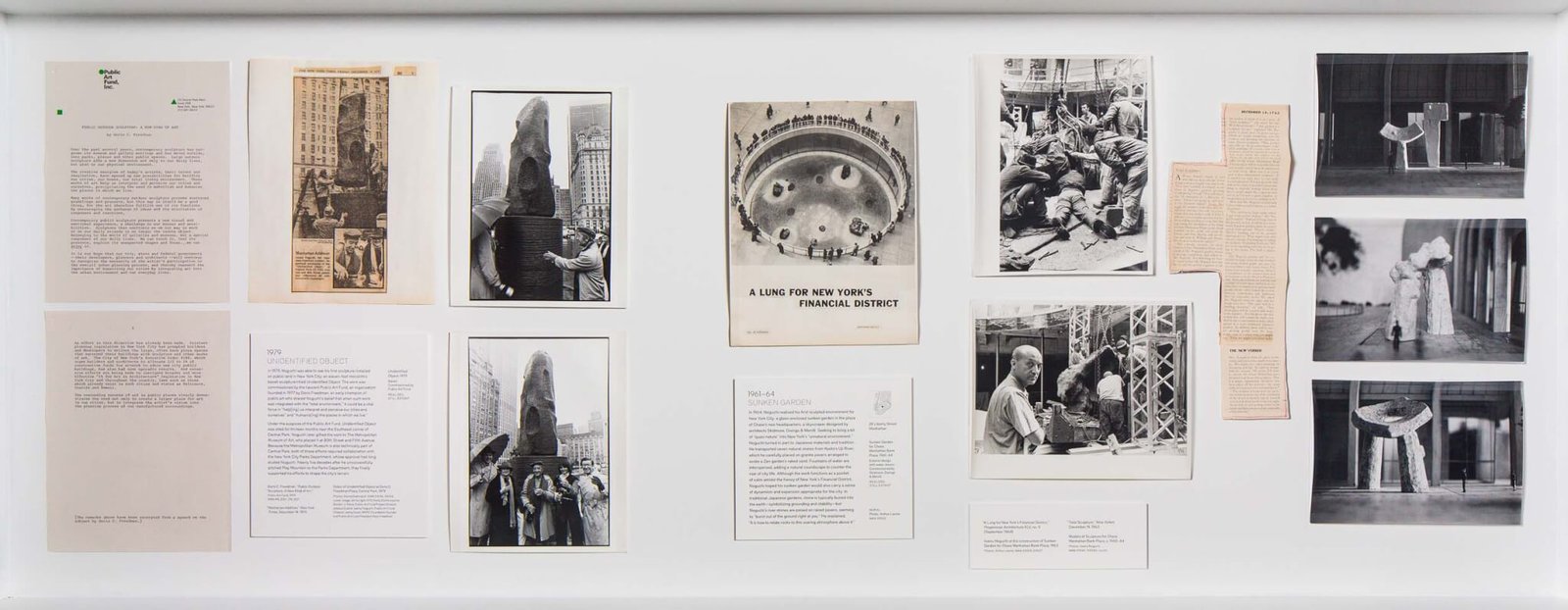
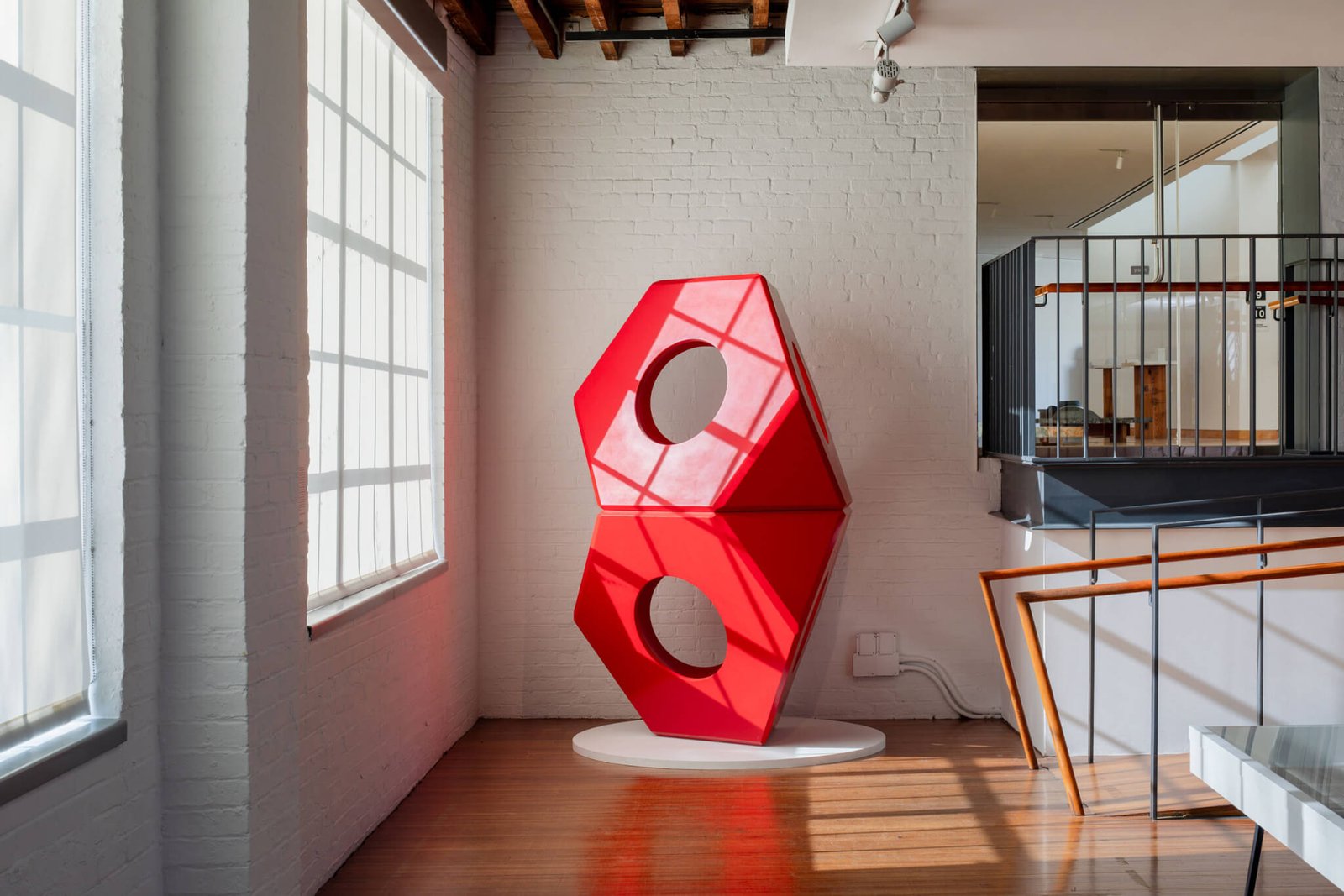
Still, Noguchi was able to see some of his work built in his adopted hometown. One room of the exhibition presents a timeline of Noguchi’s built projects in the city, with projects ranging from Chez Firehouse, a now-razed nightclub in a former Baptist church on East 55th Street, to Sunken Garden, a circular sunken garden that can still be viewed in the lobby of Chase Manhattan Bank Plaza, arranged chronologically. Looping back around, visitors are able to view models of Noguchi and Kahn’s designs for Riverside Park as well as experimental models of public sculptures, including Noguchi’s fire-engine-red Octetra (1965), originally conceived as a concrete play structure.
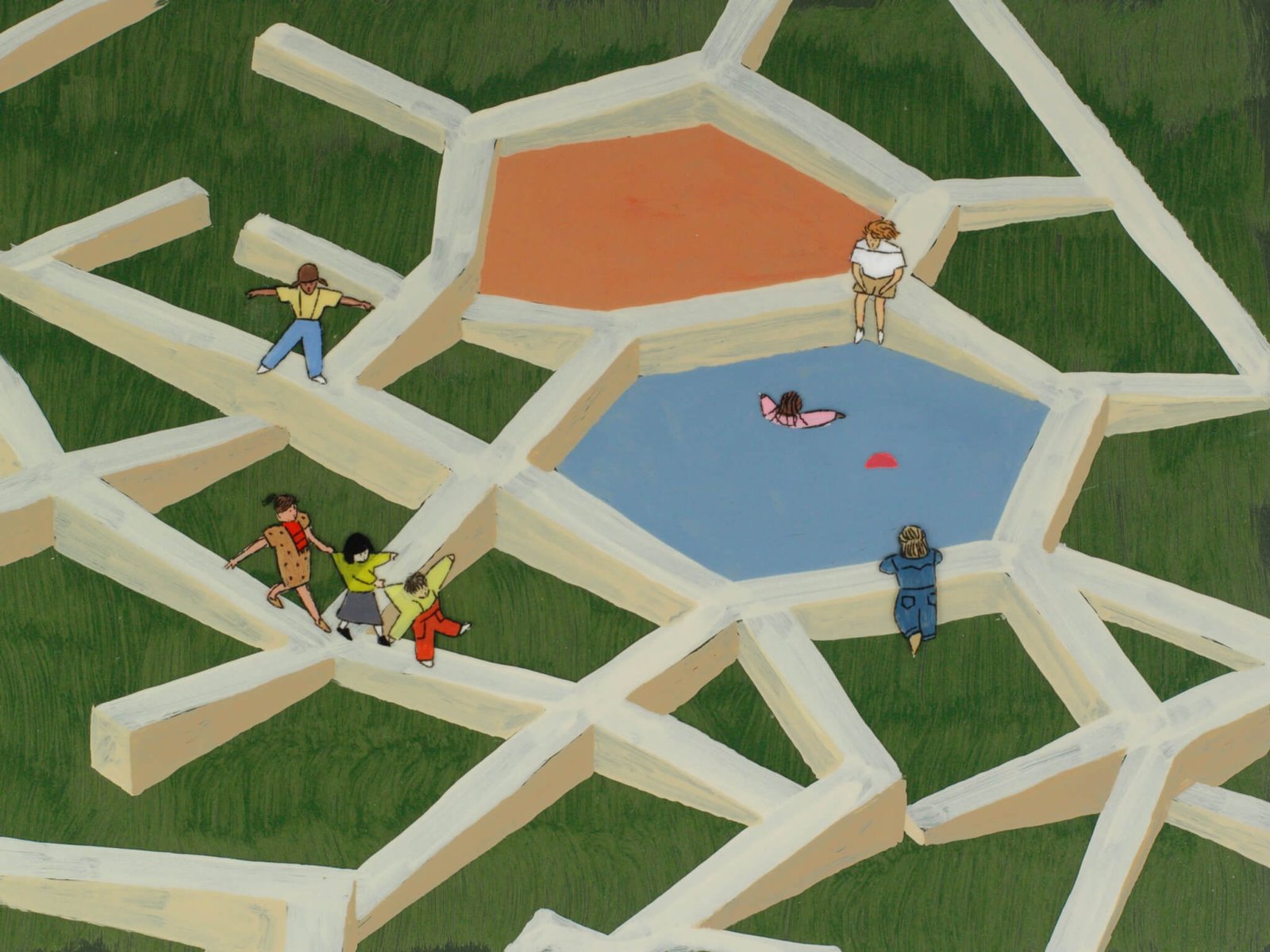
What Noguchi’s New York makes clear is that Noguchi saw the possibility for moments of pause, reorientation, and the creation of new perspectives. Animations threaded throughout the exhibition, commissioned by the museum and created by Jack Cunningham and Nicolas Ménard of Eastend Western, show children swinging from and clambering up cartoon versions of Noguchi’s New York playground proposals, as if they had been completed. The videos remind us that his spirit of play is still alive today.