Felipe Caboclo Arquitetura crafts an intimate, elemental space for prayer and contemplation on a family estate in the São Paolo countryside.
Architecture And Spirituality Converge In This Design
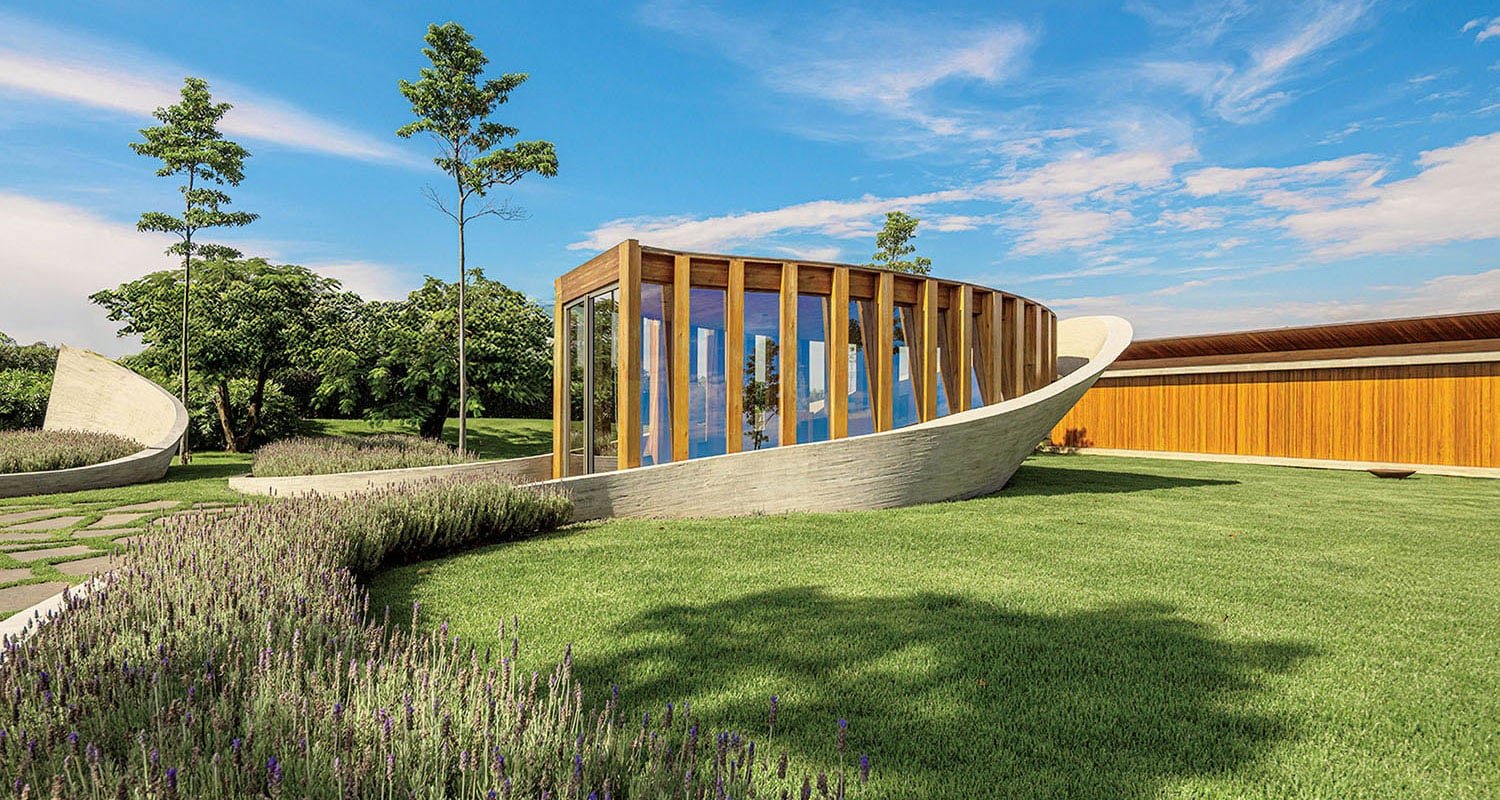
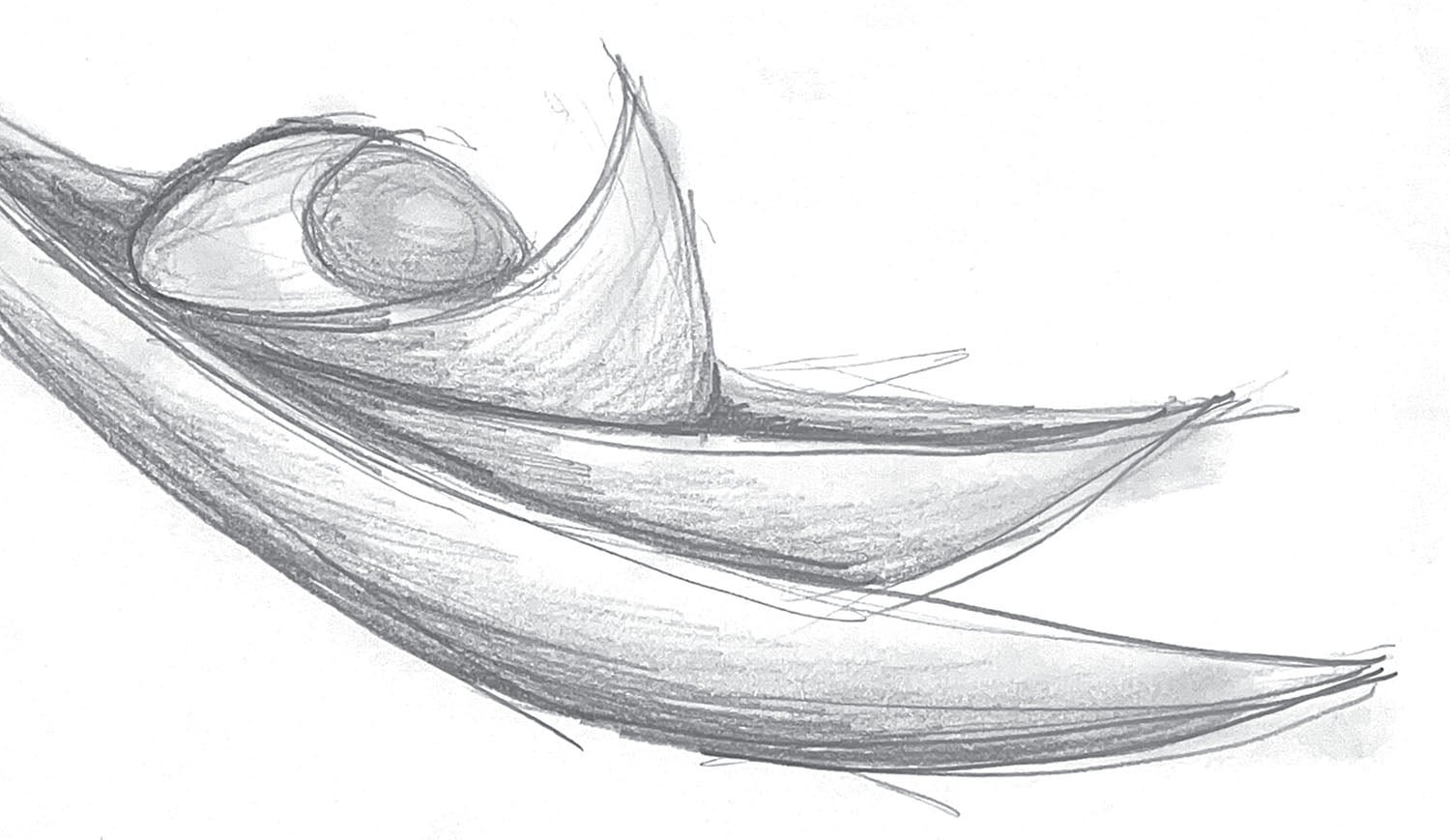
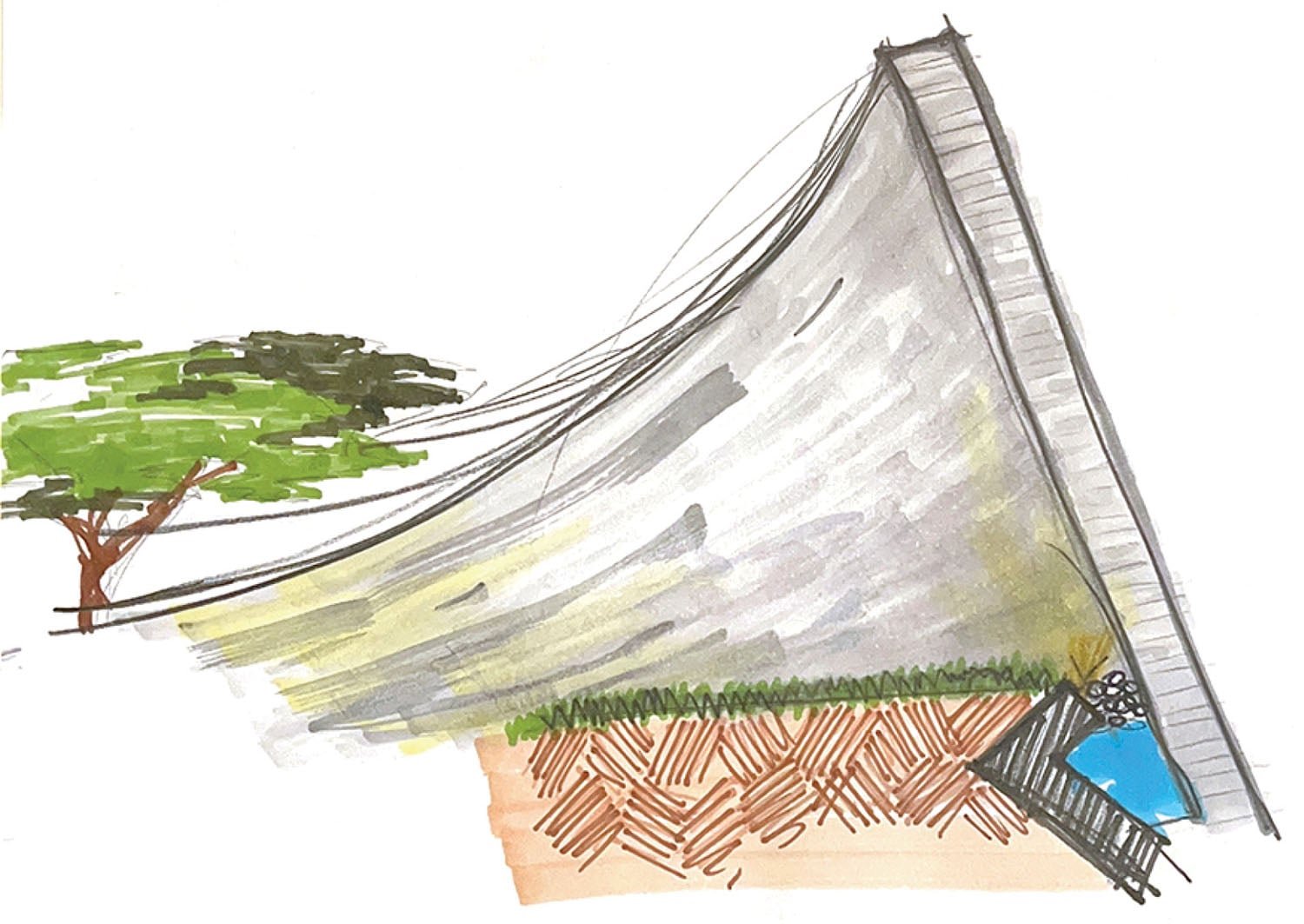
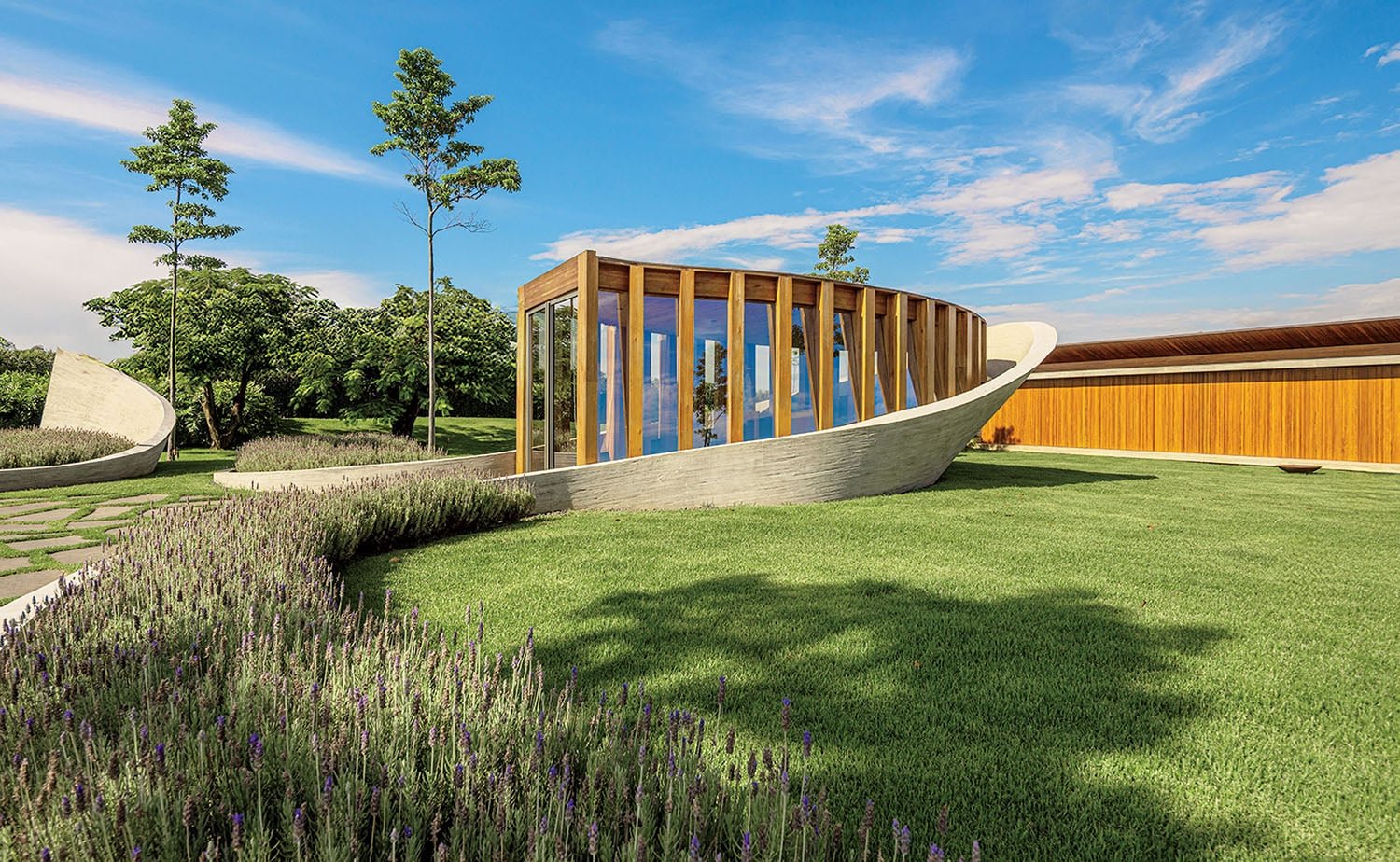
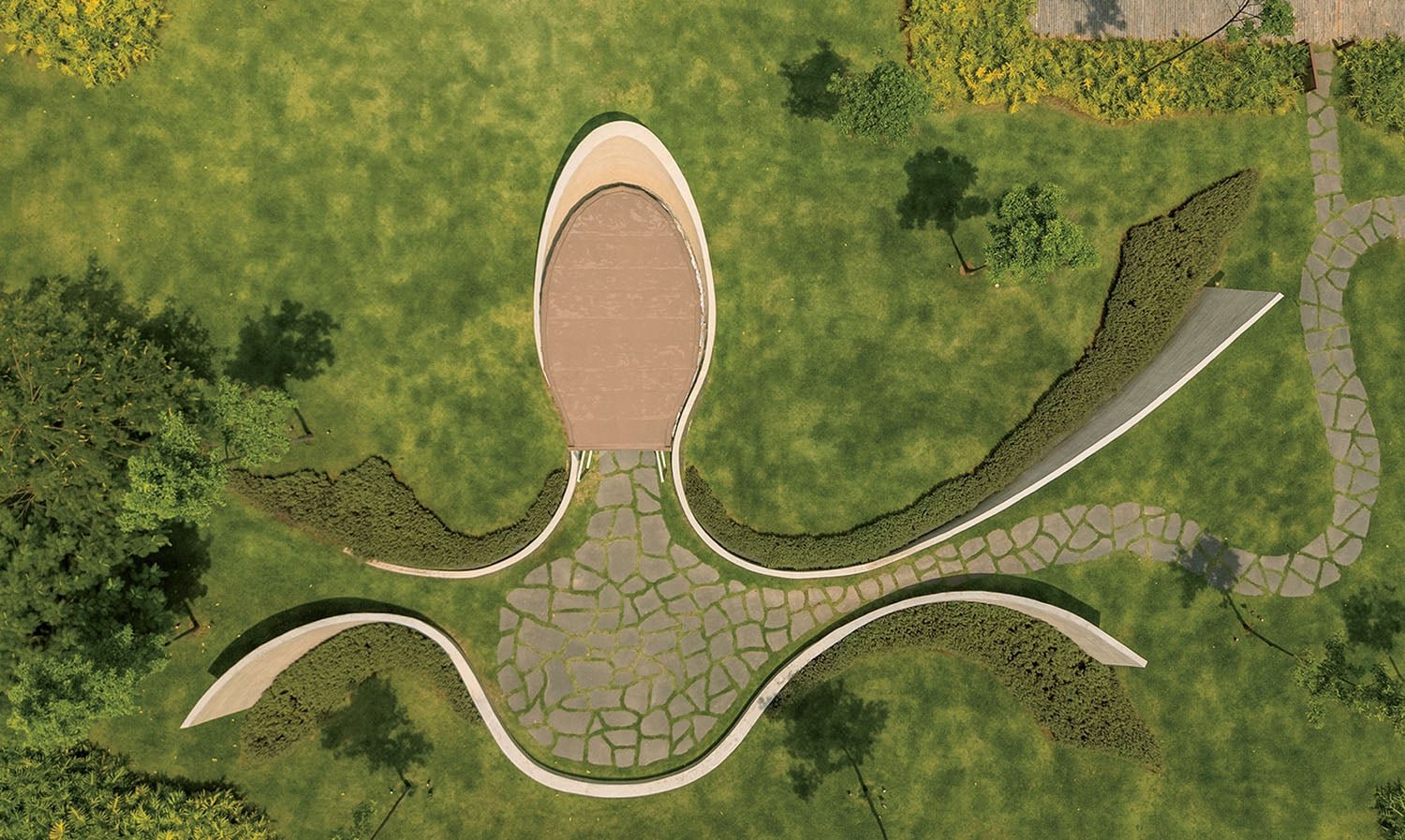
Sketches by the namesake founder of Felipe Caboclo Arquitetura show early iterations of Ninho, the contemporary chapel he conceived for a client that he’d already designed the neighboring country house, in the Itu region of Brazil, the same location as his studio. Portuguese for nest, Ninho is comprised of sweeping concrete walls that wrap a central prayer space. Photography by Felipe Caboclo.
Design By The Numbers
25 fabricators led by architect Felipe Caboclo
two years to build
108 square feet
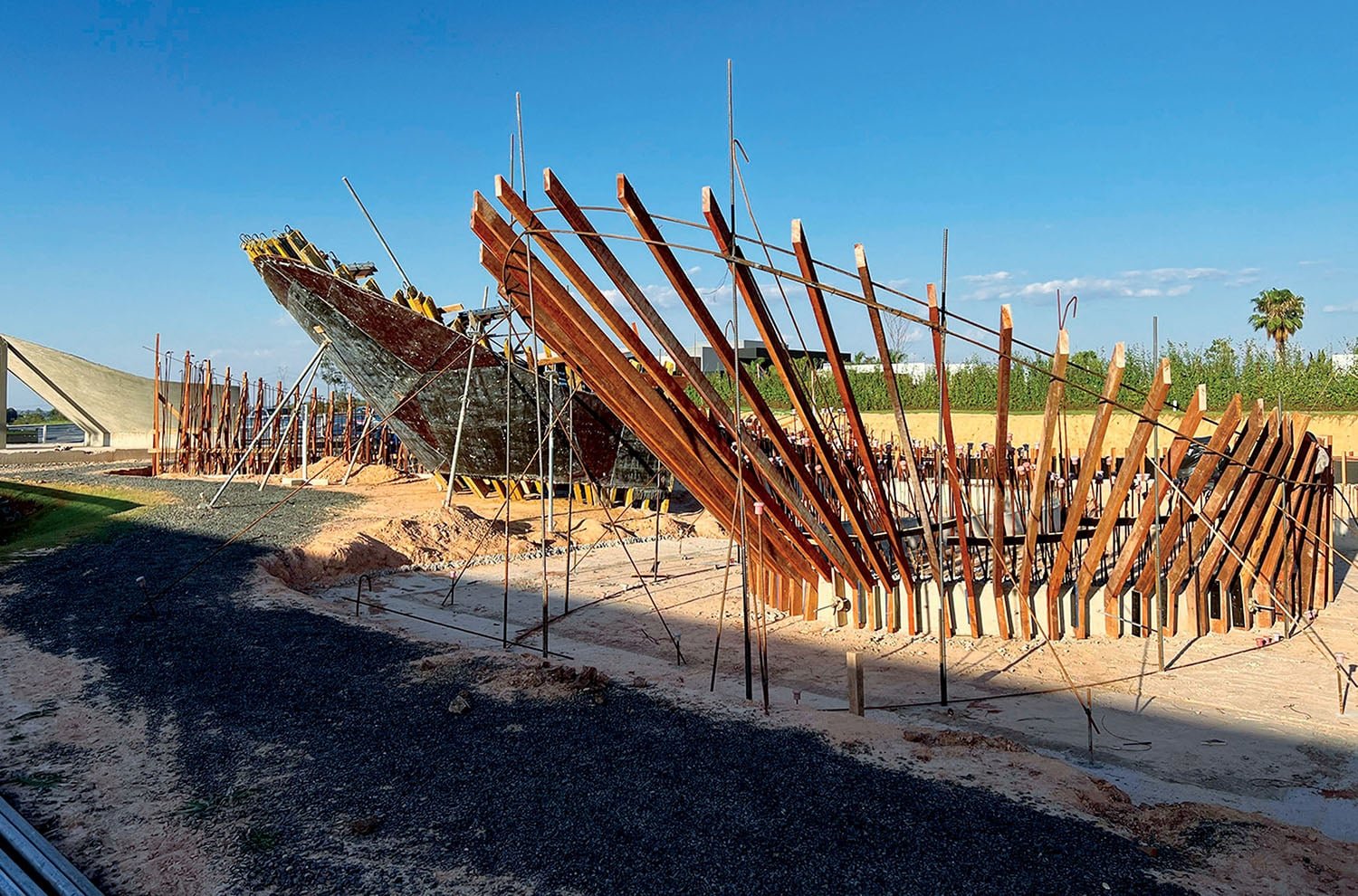
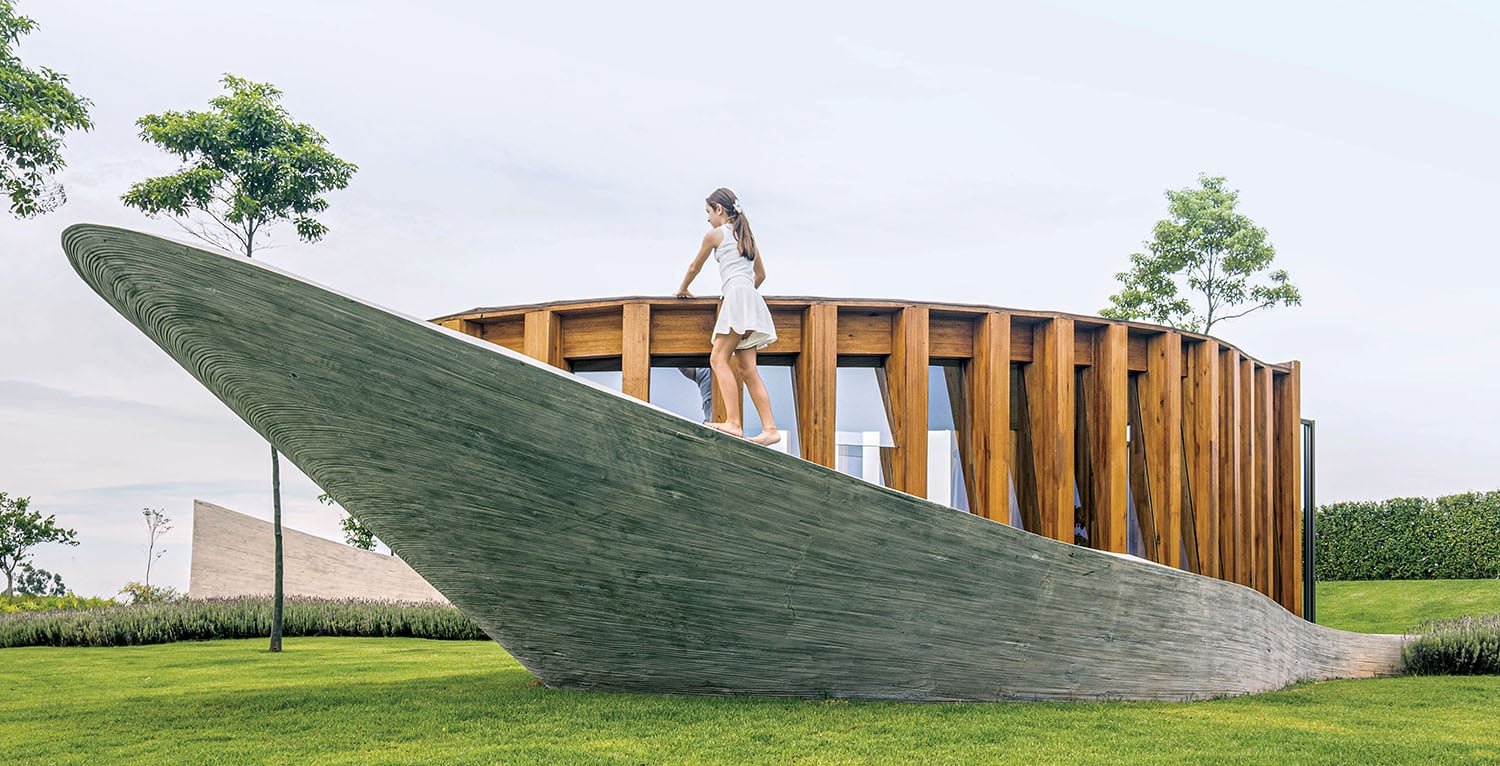
717 pine slats on the concrete formwork
4,662 cubic feet of poured concrete
30 laminated timber posts
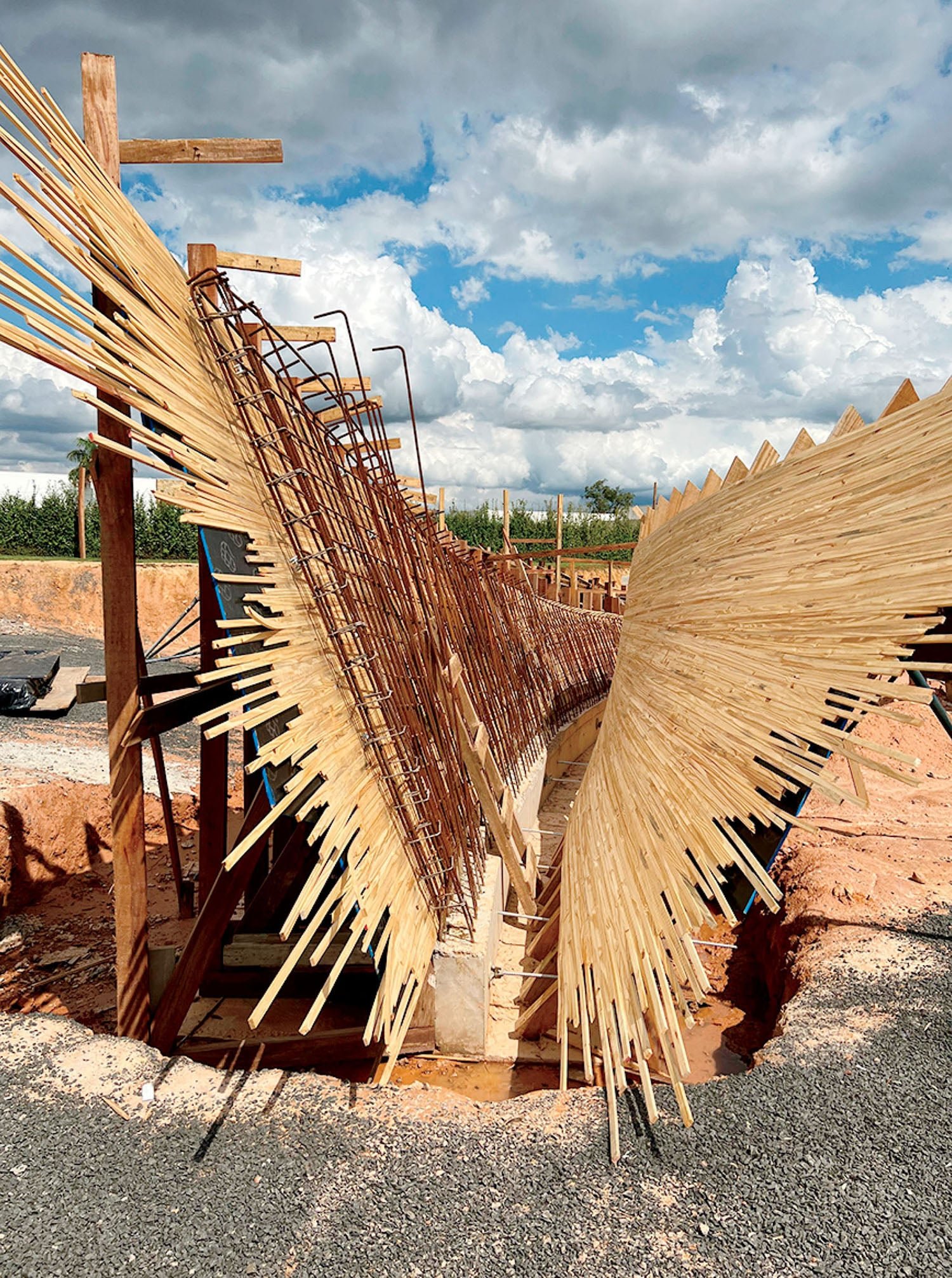
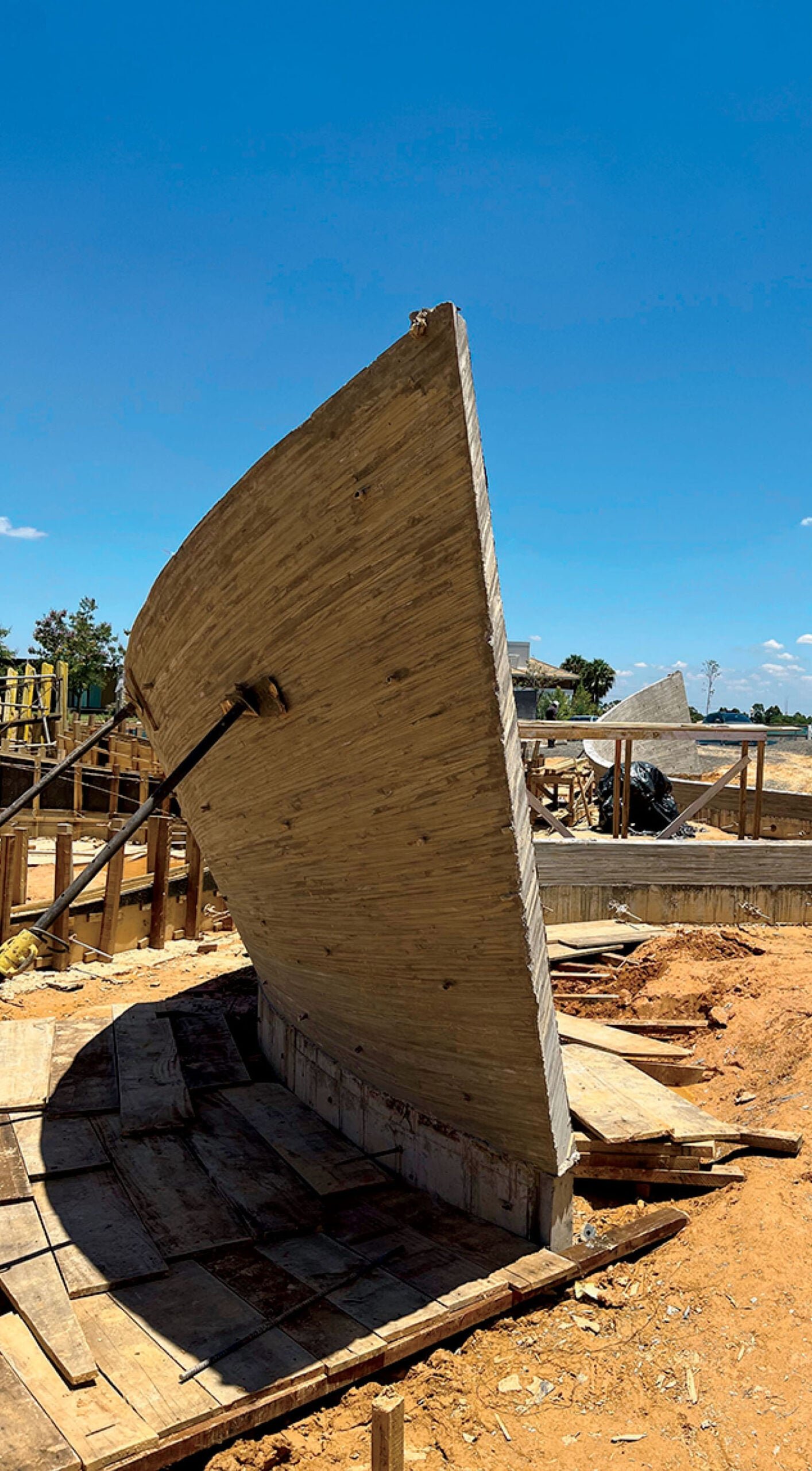
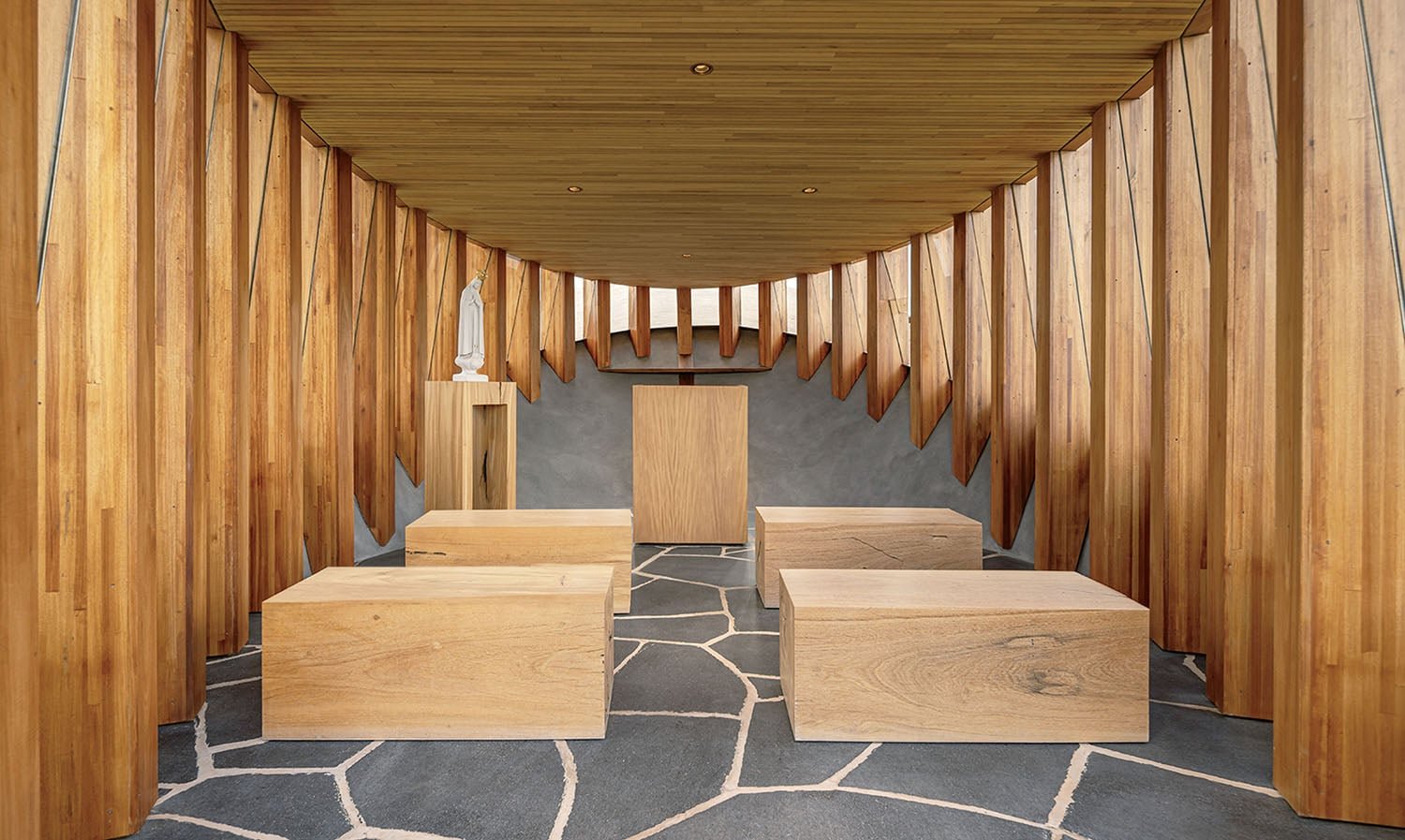
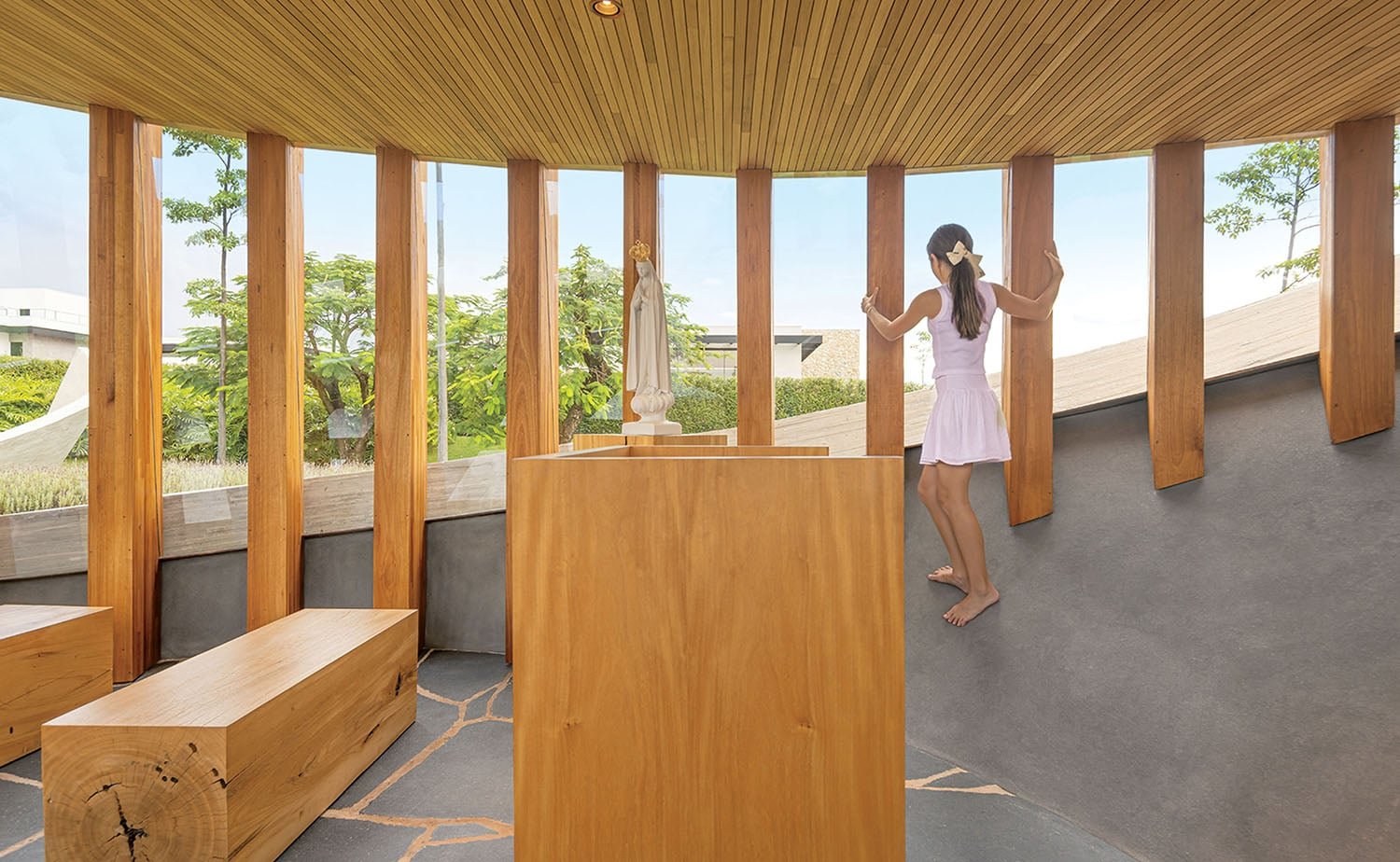
Formwork for the concrete was clad in hundreds of horizontal pine slats each measuring less than 1 inch wide. Courtesy of Felipe Caboclo Arquitetura Archive.The resulting striated texture and pattern reference varvito, a sedimentary rock typical of the region.Paths of lavender, the flower’s calming scent perfuming the air, complement the project, which is backdropped by the rectilinear main home, its facade similar to the wood used for the chapel. Laminated eucalyptus posts interspersed with fixed and operable glazed panels enclose the prayer room, its flooring composed of black-granite slabs and its ceiling freijó slats. “The contours create an almost ritualistic flow, like a path that invites pause and introspection,” explains Caboclo, who was guided by Le Corbusier’s concepts of a promenade architecturale—the intentional, designed experience of moving through a building—and that material forms arranged in order can create something spiritual and emotive.Benches and the pulpit are solid Pequiá, an Amazonian hardwood.Metaphorically aspiring upward, toward the divine, “The concrete walls bend and vary in height and inclination,” adds Caboclo, who also cites the work of Tadao Ando and Richard Serra as inspirations for Ninho.