

Municipal Villa Restoration
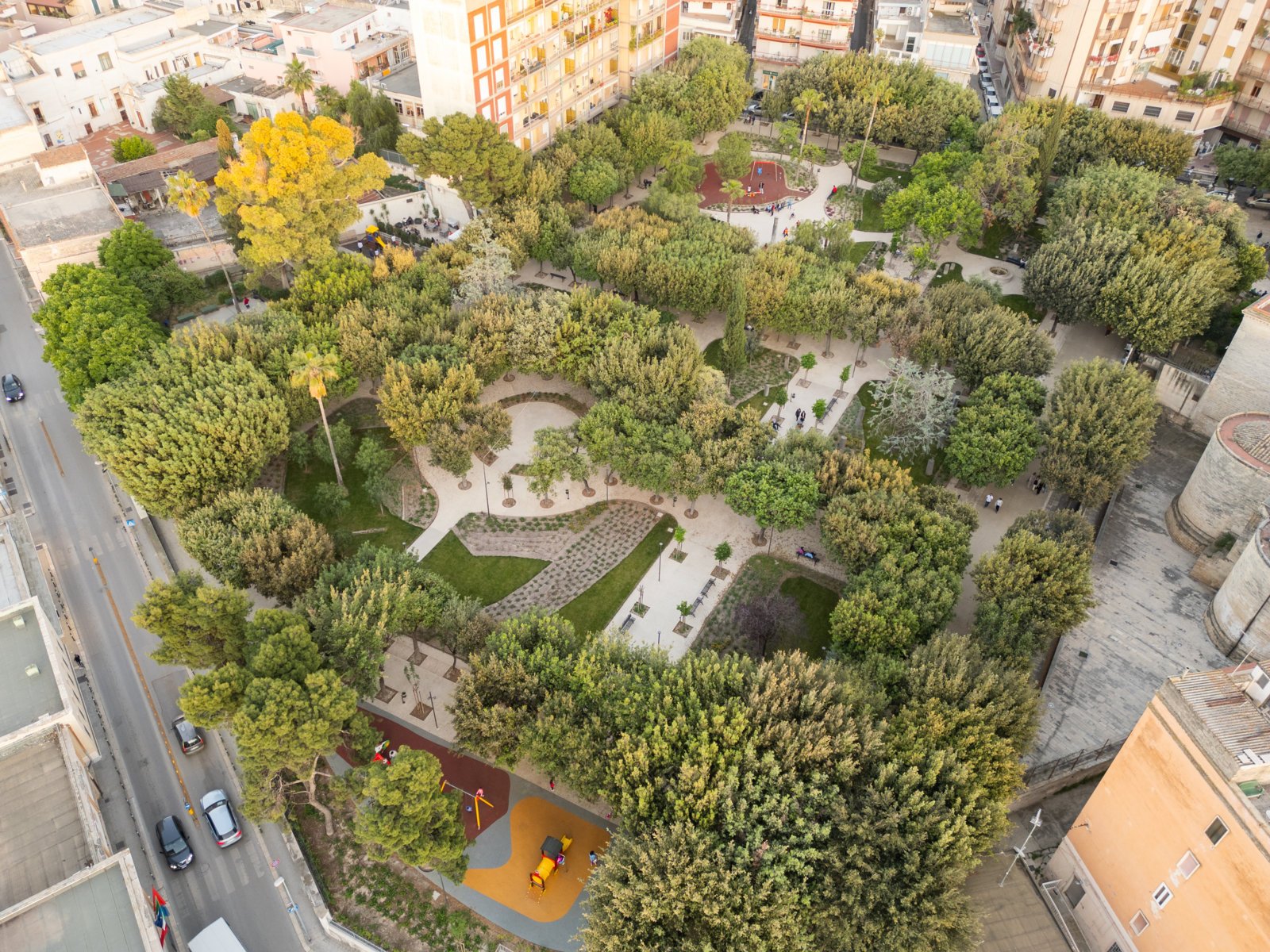
The project is part of a more complex and comprehensive urban regeneration project, with the municipal Villa becoming the focal point of this strategy. Specifically, the project within the Villa aims to make it accessible to citizens once again and free it from crime and decay.
The restoration thus became an opportunity to redefine the previously lost physical and social relationship between residents and the city’s green lung, thus reclaiming its status as an active and central (and no longer marginal) public space within the urban fabric.
The Villa’s restoration project is based on a thorough historical reinterpretation, which revealed that the first formal layout of the city’s public gardens, dating back to the late 19th century, was influenced by the theories and taste of the so-called “landscape garden”. Over time, this layout has been profoundly remodeled and reworked, resulting in a significant dismemberment of the original forms and the insertion of incongruous materials, which have further altered the shape and aesthetics of the Villa.
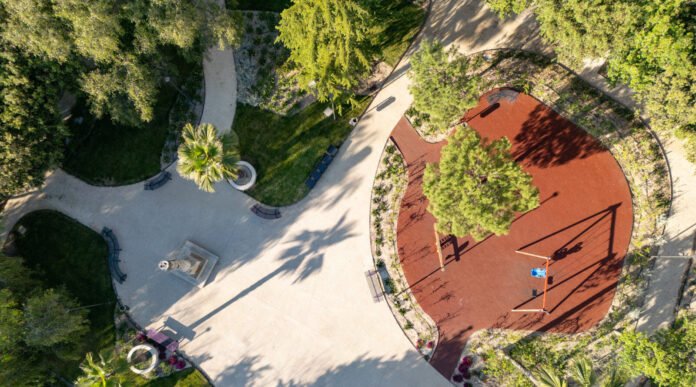
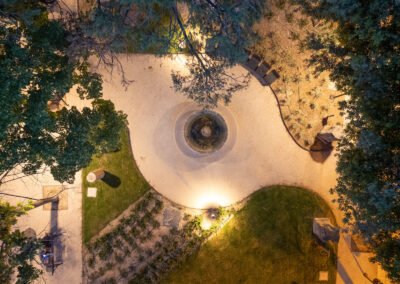
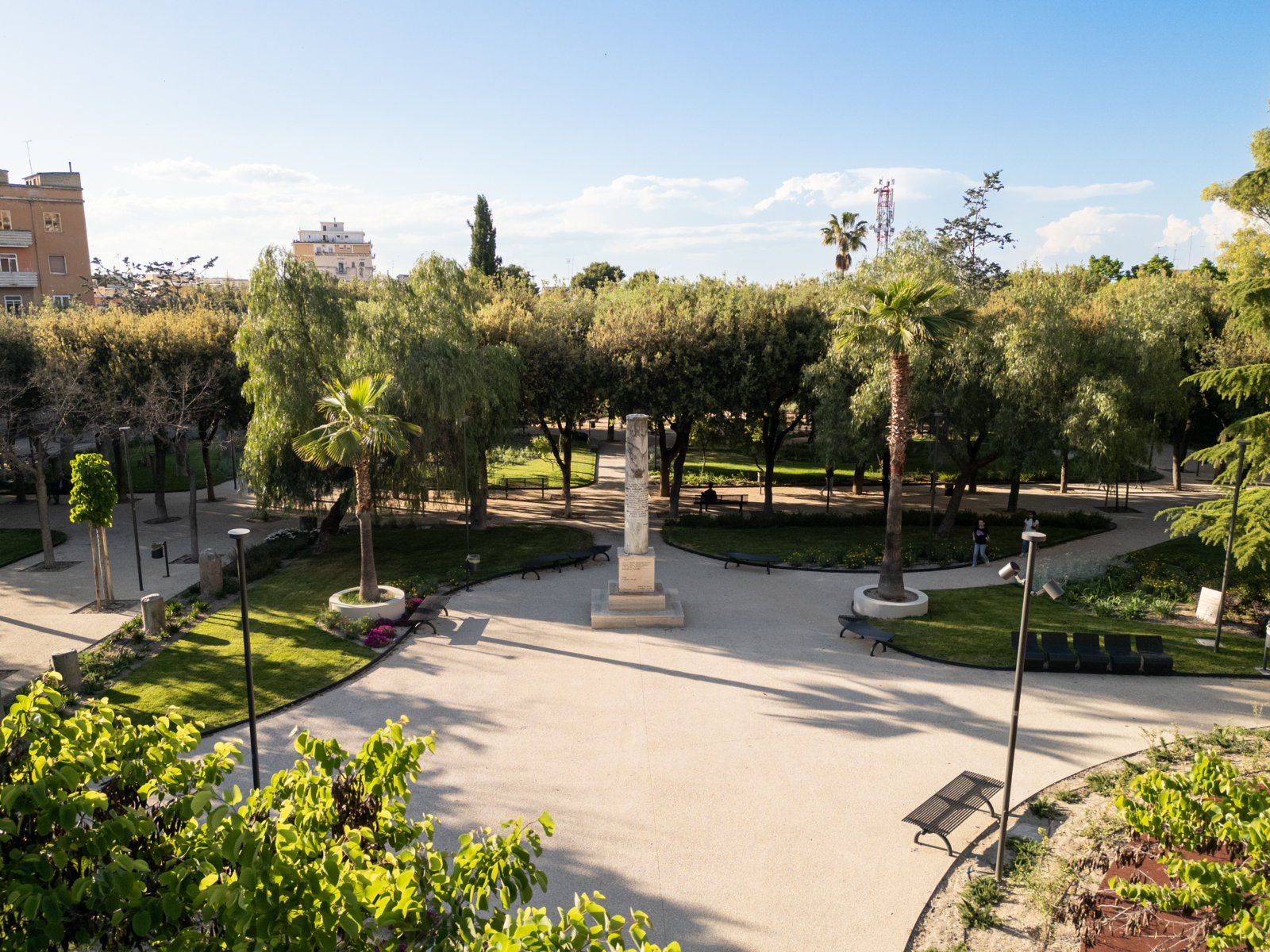
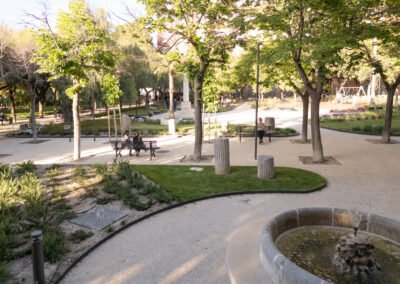
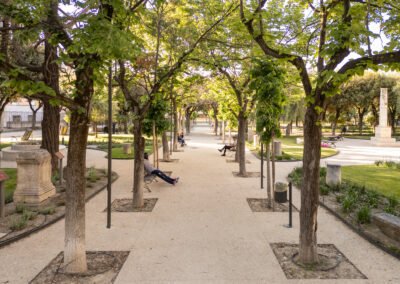
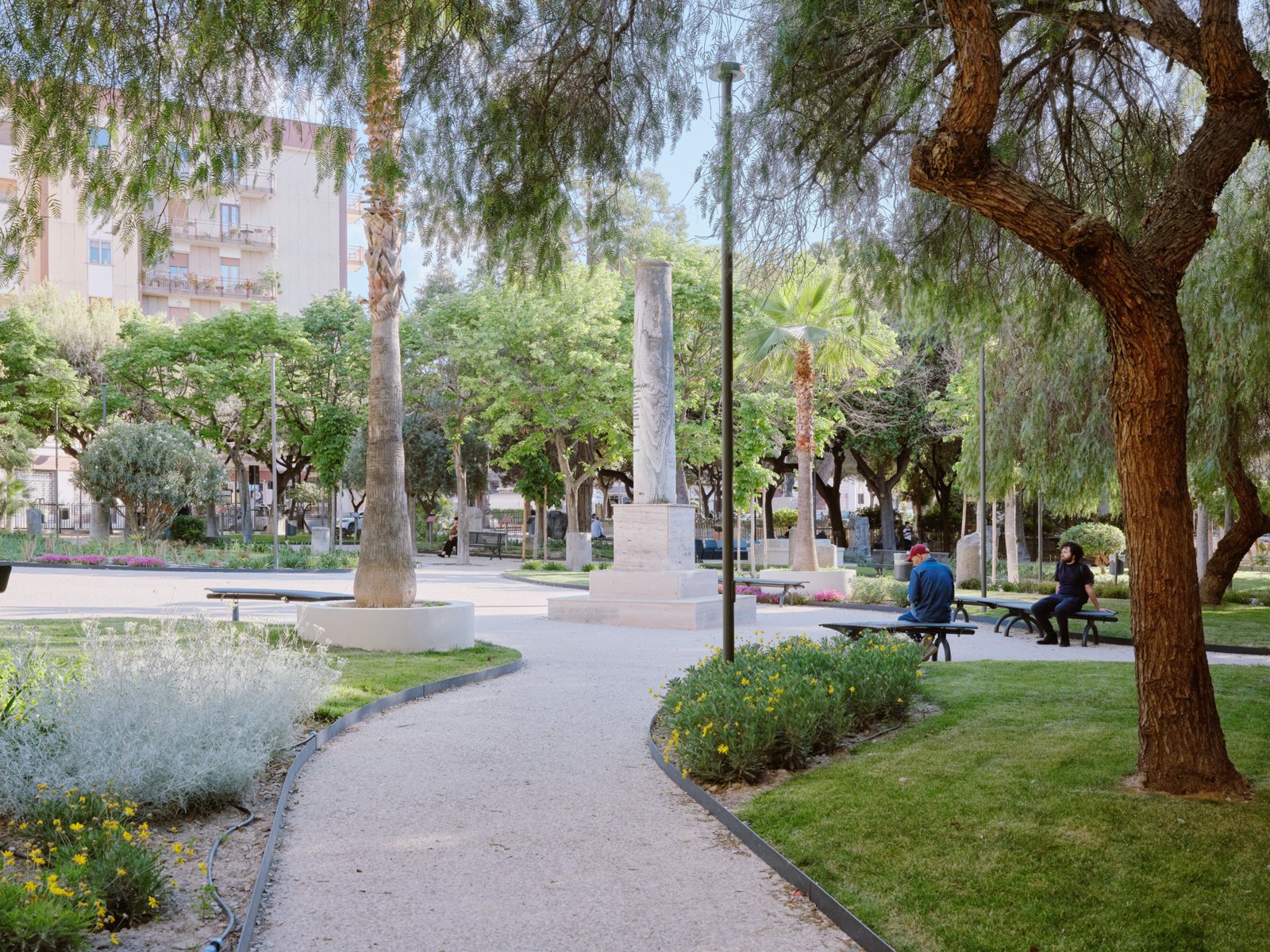
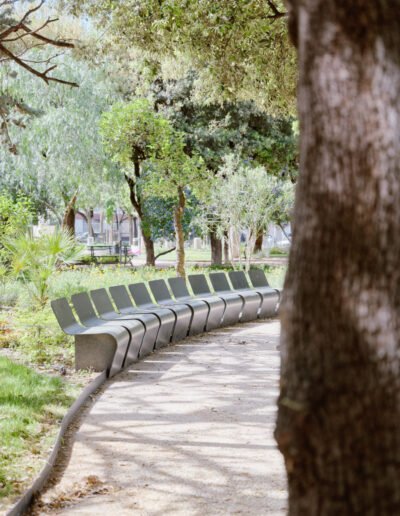
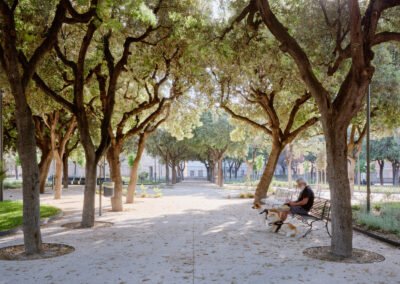
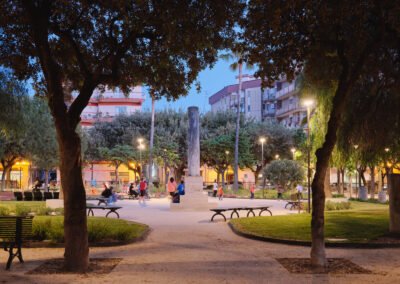
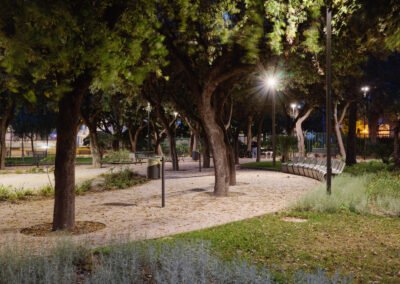
The Villa’s restoration therefore involves a careful redesign of the green spaces and internal walkways, preserving the hierarchy of the architectural spaces, namely the large avenues that define the Villa’s cardo and decumanus layout. These foundational layouts, also present in the original late-19th-century layout, are complemented by new flowerbeds, defined by metal borders and native vegetation along the edges, providing seating integrated into the borders.
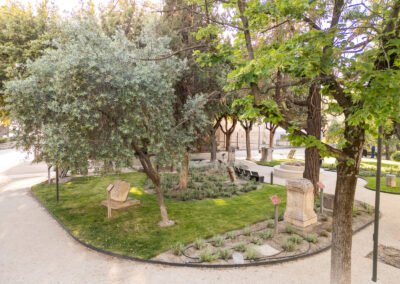
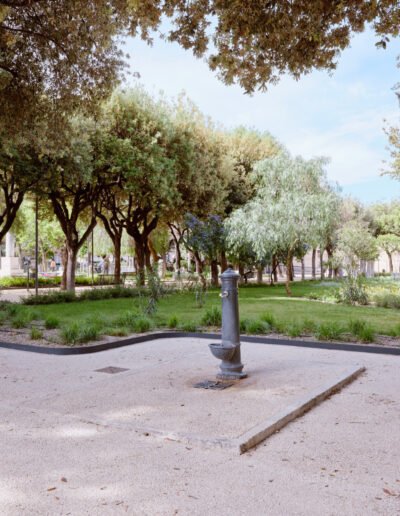
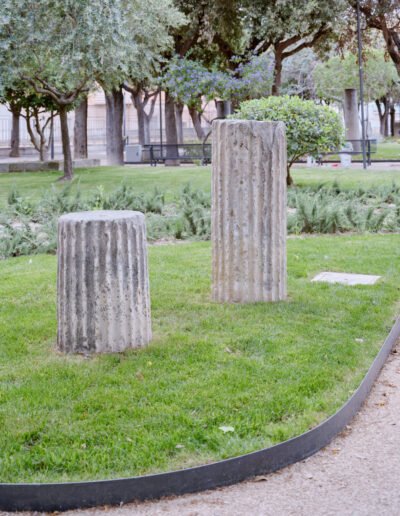
The lapidarium, composed of numerous archaeological finds, plays a key role in the Villa’s new design. Like a new superstructure, the lapidarium adapts to the new scenic perspectives to enhance both the finds and the visual trajectories. The project also removes the waterproofing on large areas within the Villa, promoting a rebalance between natural and mineral.
The shrubs and trees were placed to create a new relationship with the lapidarium: the plant life is interrupted by the various finds, and the vegetation surrounds the archaeological sculptural element, itself becoming a backdrop to Canosa’s history. Vegetation and archaeology work in symbiosis to enhance the artifacts that have survived to this day.
www.landscapefirst.com