

The Aalto Works—thirteen buildings from Finnish architects and designers Aino, Elissa, and Alvar Aalto—have been nominated for inclusion on UNESCO’s World Heritage List. A final decision on their addition will be announced in July, culminating a 40-year, multi-step process to recognize the buildings.
The projects included in the proposal are located across Finland, with five in Helsinki. Ten of the featured projects are individual buildings, while the remaining three are campuses or consist of multiple built structures.
The works include: the Paimio Sanatorium; the Sunila Pulp Mill residential area in Kotka; the Muuratsalo Experimental House; Säynätsalo Town Hall and the Aalto Campus, University of Jyväskylä, both in Jyväskylä; Seinäjoki Civic Centre; the Church of Three Crosses in Imatra; the National Pensions Institute (KELA), House of Culture, Studio Aalto, the Aalto House and Finlandia Hall in Helsinki; and Villa Mairea in Pori.
The Finnish Heritage Agency began preparing this latest proposal and nomination in 2015, however, this initiative is a continuation of an earlier push from 1986 and following years that petitioned for the inclusion of the Sunila factory and housing area and Villa Mairea to be included in Finland’s Tentative List for the World Heritage List.
“The World Heritage Site is not being proposed as ‘the best of the Aaltos’, but rather as a representative selection of those buildings that have influenced the construction of a national welfare state and supported the well-being of communities in a way that has universal significance and impact on the development of modern architecture internationally,” Tiina Merisalo, the Director General of the Finnish Heritage Agency, said in the nomination document.
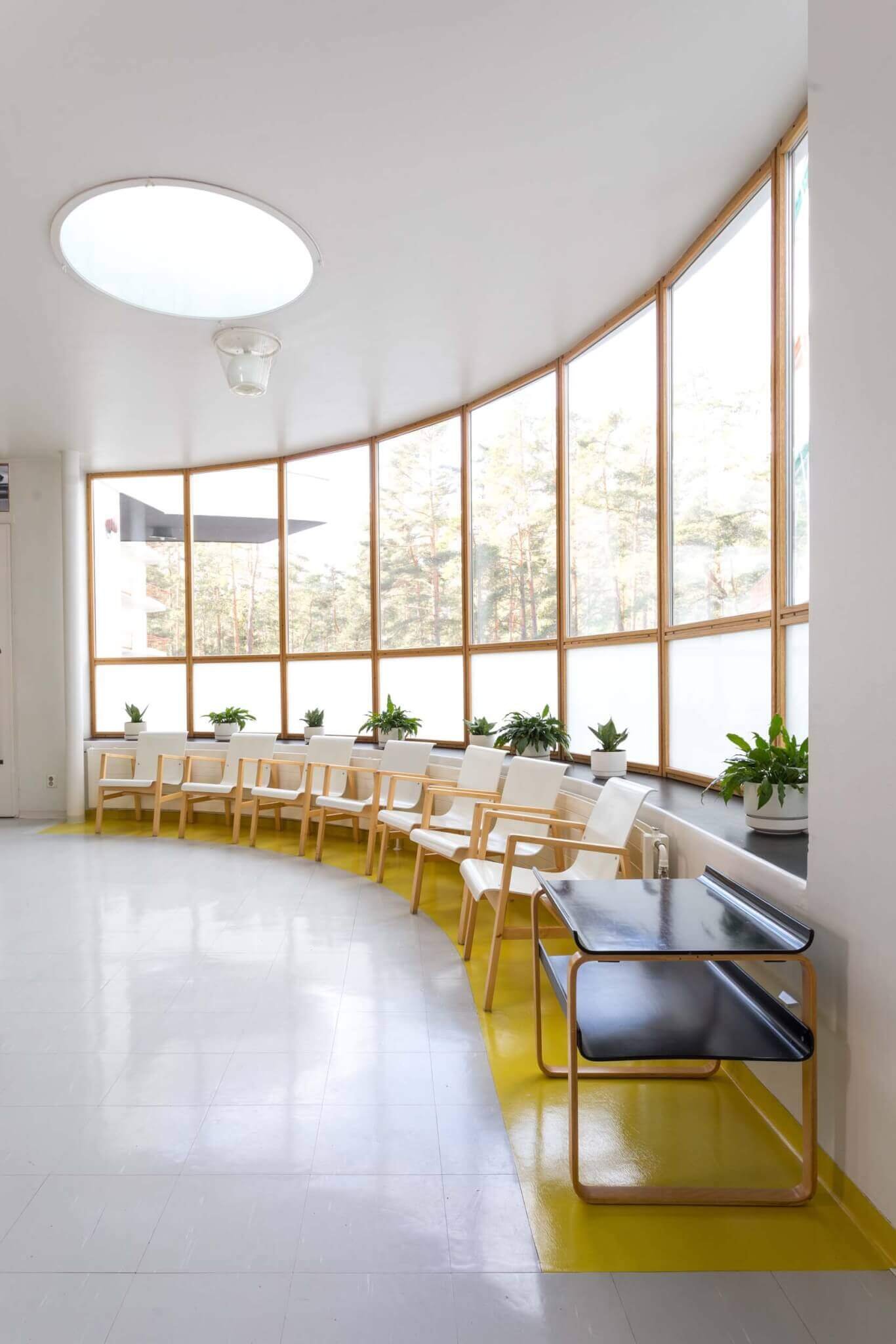
Any examination of the Aaltos’ oeuvre reveals the architects’ commitment to well-being and social welfare. A classic example is the Paimio Sanatorium, a hospital complex designed on the principles of providing isolation, fresh air, and natural light. Another is the Sunila Pulp Mill residential area in Kotka, a community master planned in 1936 for a pulp manufacturing factory. Under the scheme, nature informed the location of residential buildings.
“Finland’s global reputation for high standards of wellbeing isn’t automatic or coincidental: Today’s Finns benefit from a long tradition of equality, engagement, public health planning and social mobility that stretches back to the early 20th century,” said Jukka Savolainen, museum director of the Alvar Aalto Foundation. “The Aaltos’ work reflects the progressive values that brought about the Finnish welfare state. Through their hugely significant body of work, they both solidified the ambition of social movements within Finland and exported these values internationally as an influential and widely imitated approach to design.”
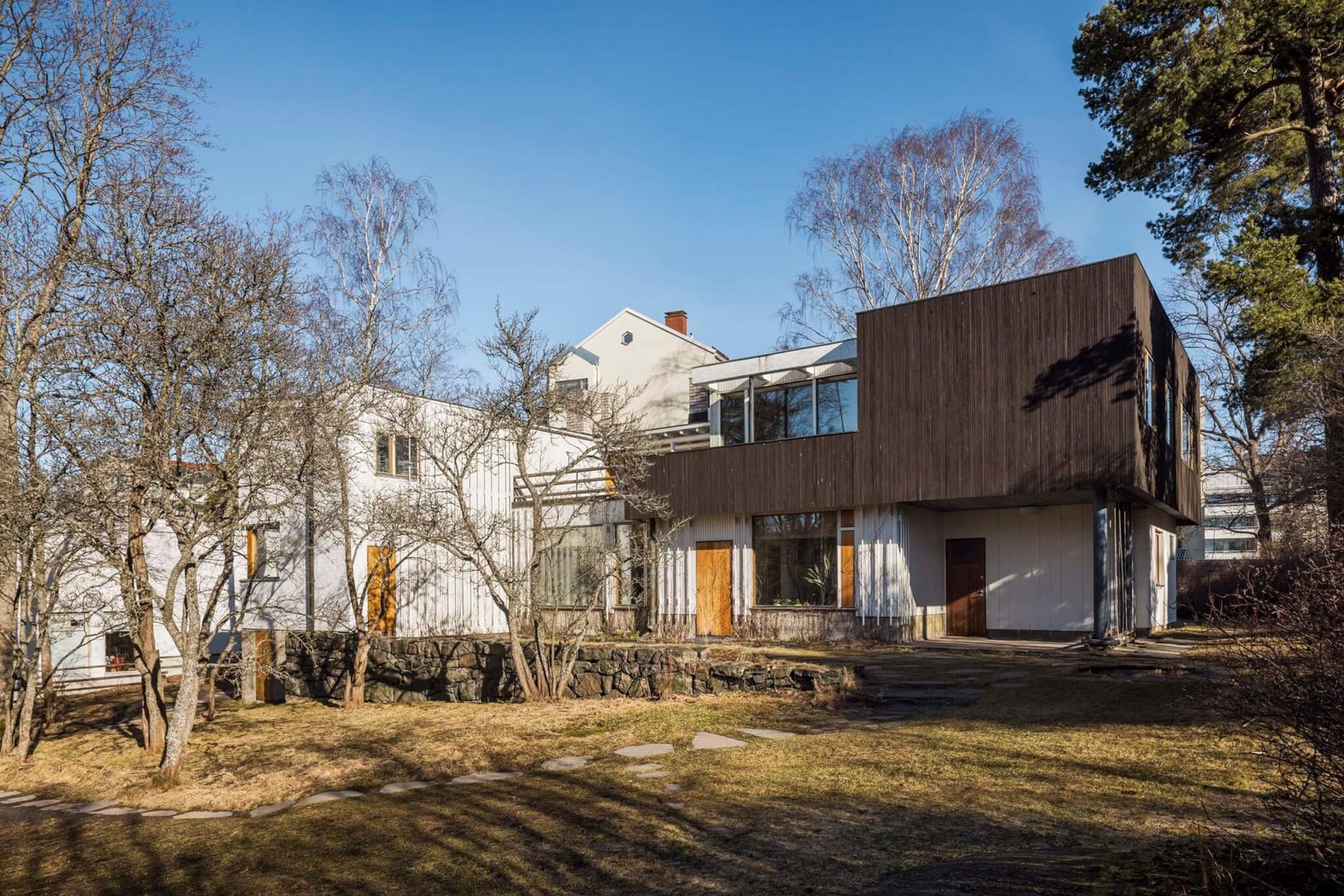
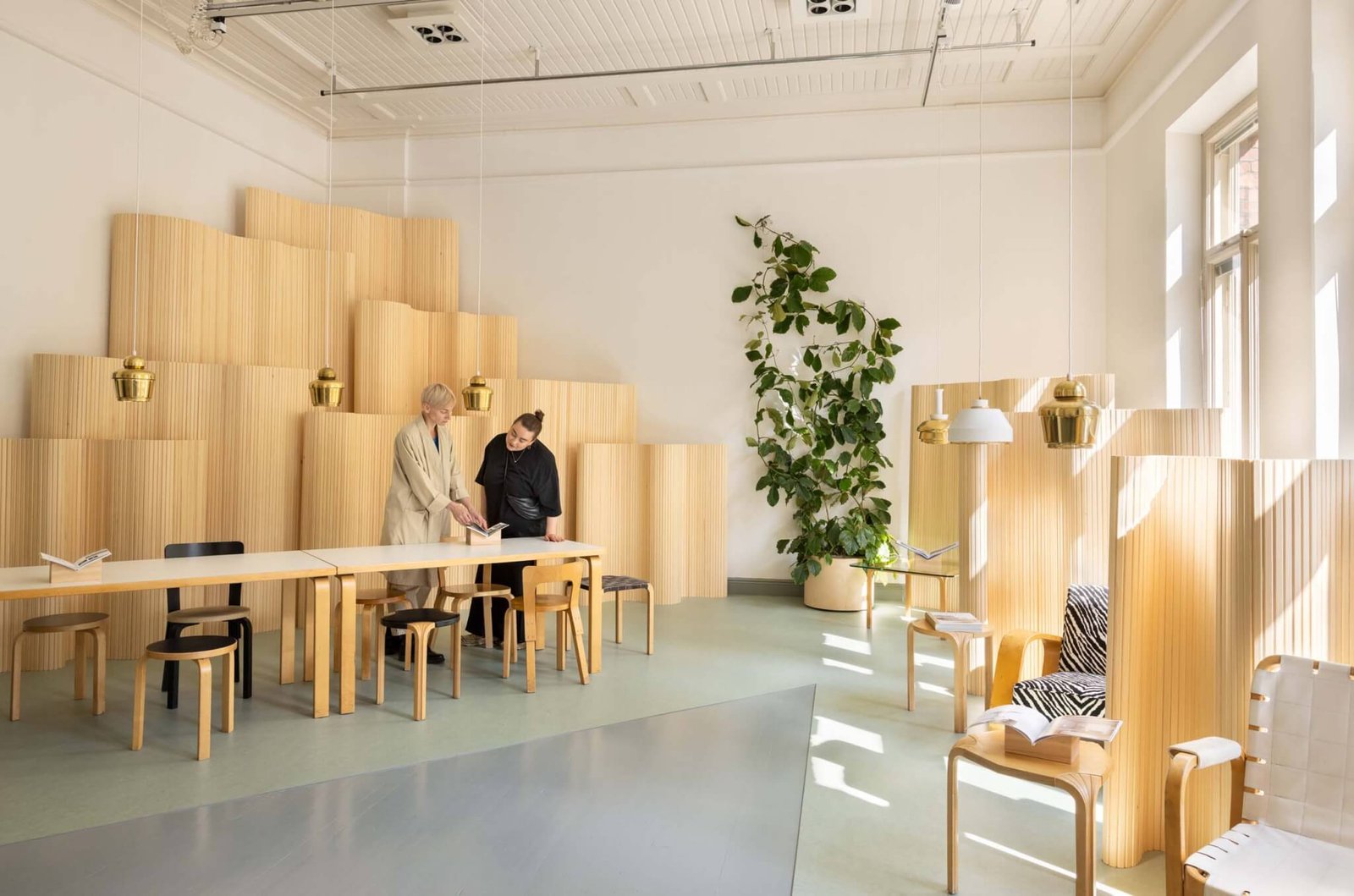
Two locations on the list that embody the Aalto’s design philosophy are the Aalto House and Studio Aalto, where they lived and worked, respectively.
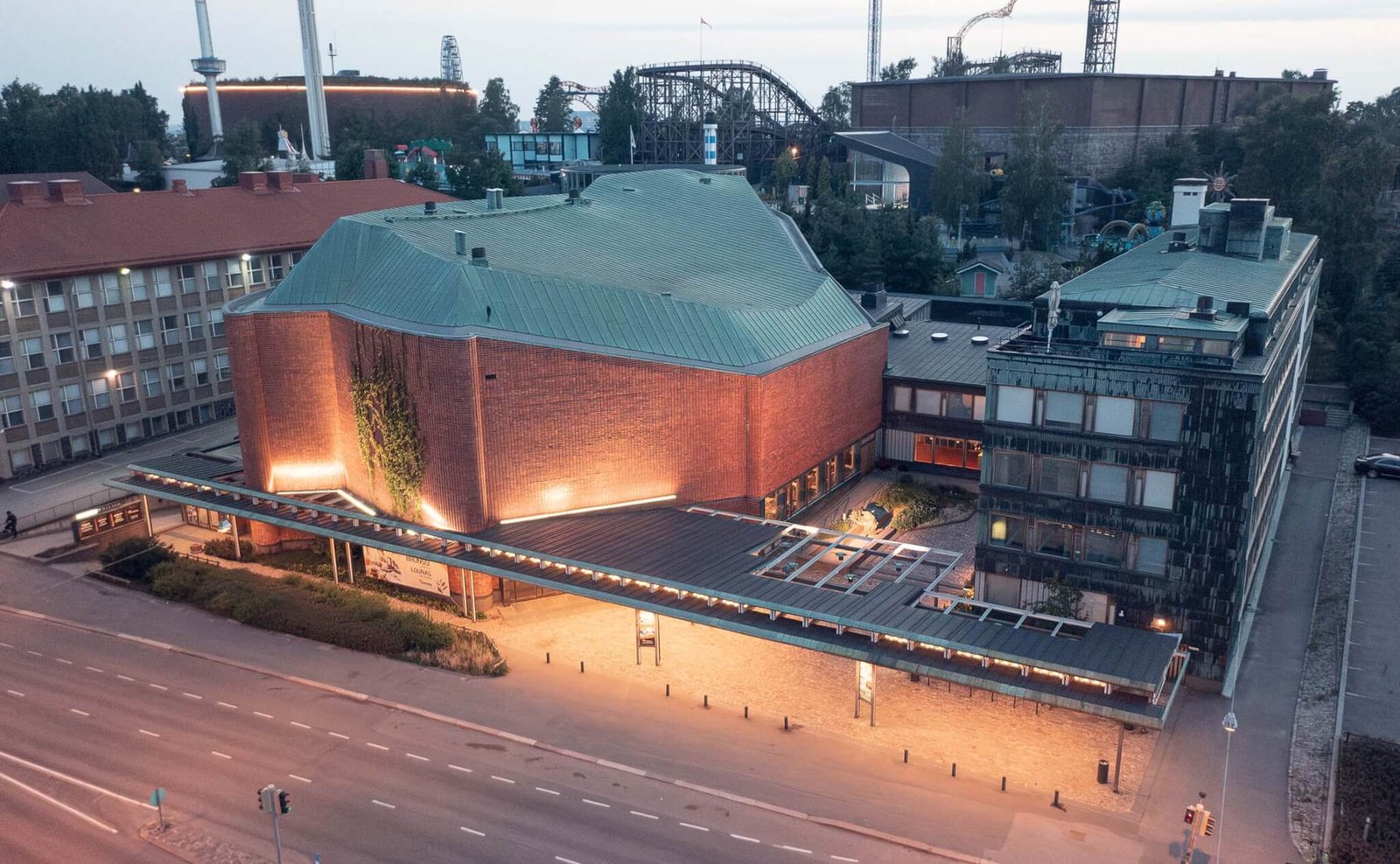
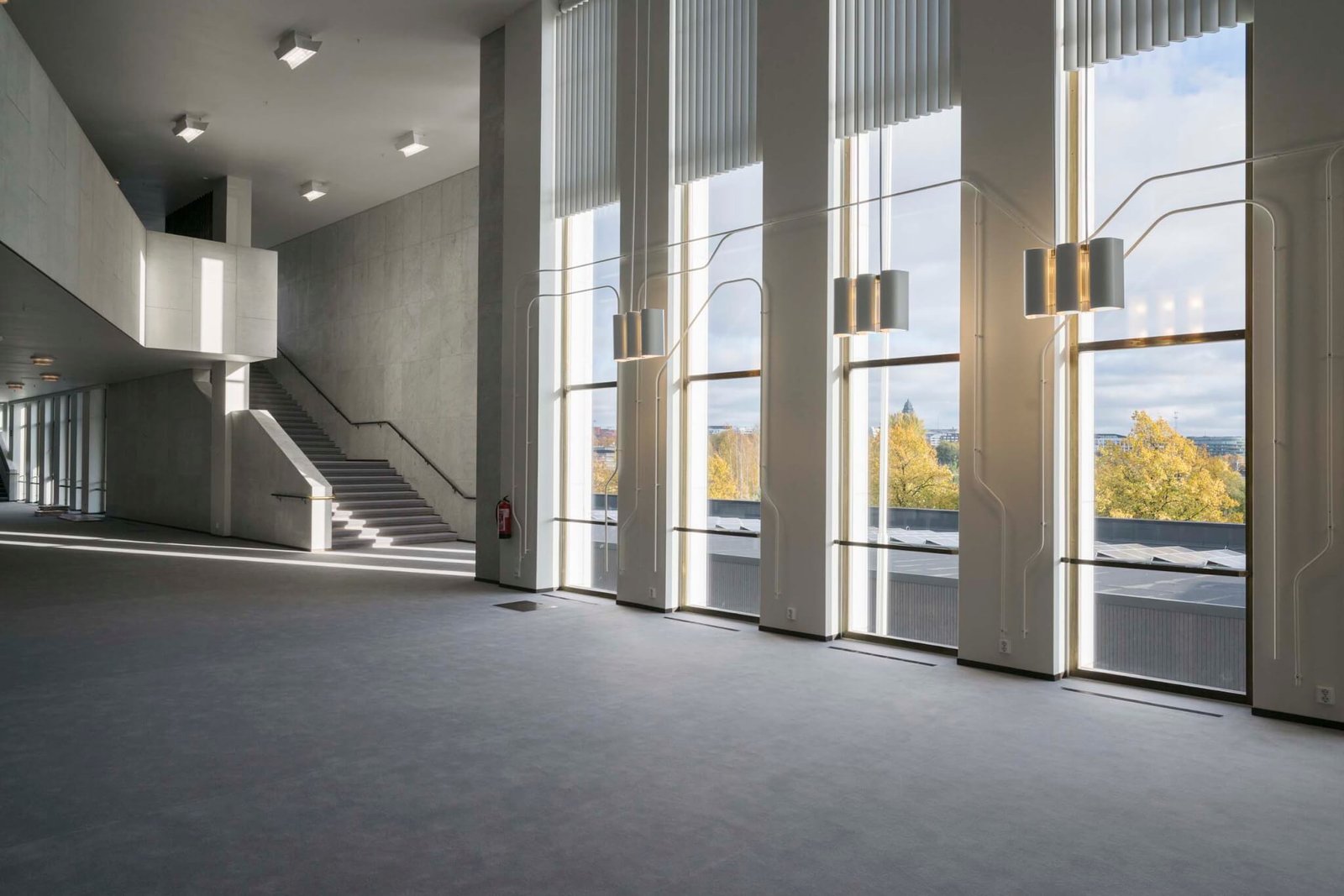
Also among the thirteen Aalto Works is Finlandia Hall, the concert venue designed by Alvar Aalto recently reopened to the public after a renovation by Arkkitehdit NRT. A permanent exhibition staged in the renovated building chronicles the life and work of the Aaltos and their design legacy.
Another exhibition focused on the Aalto’s opened last week in Helsinki at the Architecture & Design Museum Helsinki. Aalto Design – Shapes of Wellbeing ruminates on similar ideas related to health and welfare as those brought up in the UNESCO nomination.
UNESCO’s decision on whether to inscribe the Aalto Works on its World Heritage Site List will be announced at the UNESCO World Heritage Committee meeting July 19–27 in Busan, South Korea.