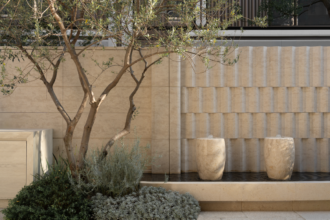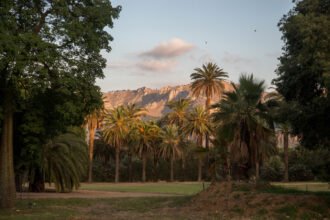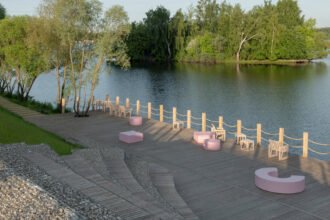

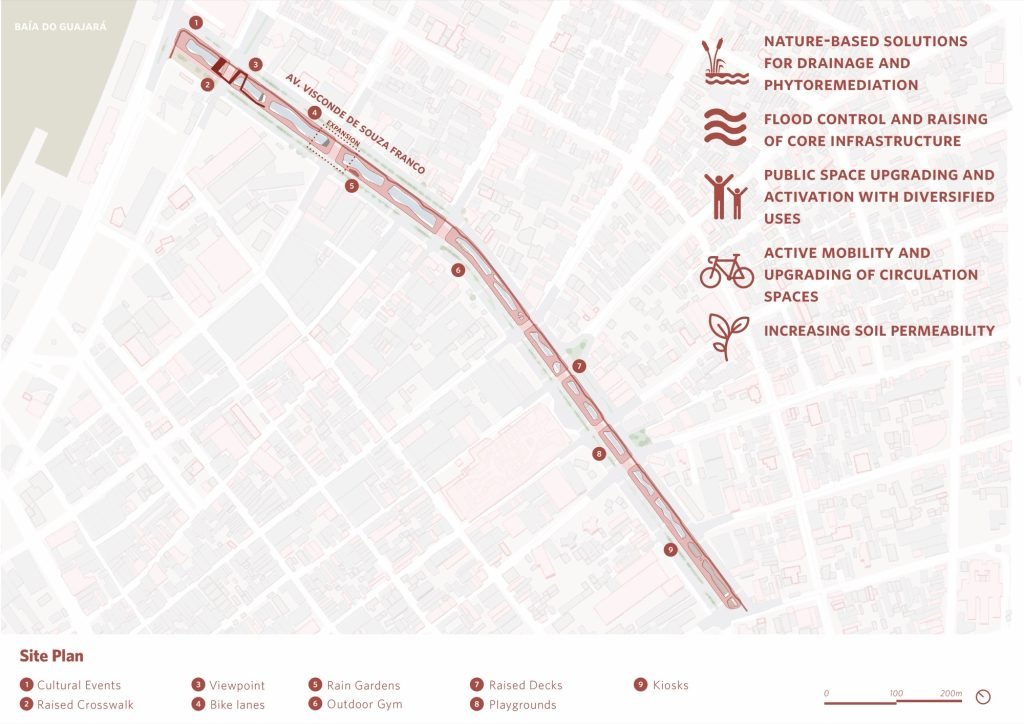

Parque Linear Doca is a landscape-led urban regeneration project located in Belém, within a low-lying and flood-prone territory historically shaped by the presence of water. The site corresponds to the former Igarapé das Almas, once part of the Reduto hydrographic basin, now reduced to an artificial canal confined within the central median of Avenida Visconde de Sousa Franco. Over time, urbanization processes have suppressed the ecological logic of this water system, erasing its presence in the landscape, compromising its environmental performance, and disconnecting it from the everyday life of the city.
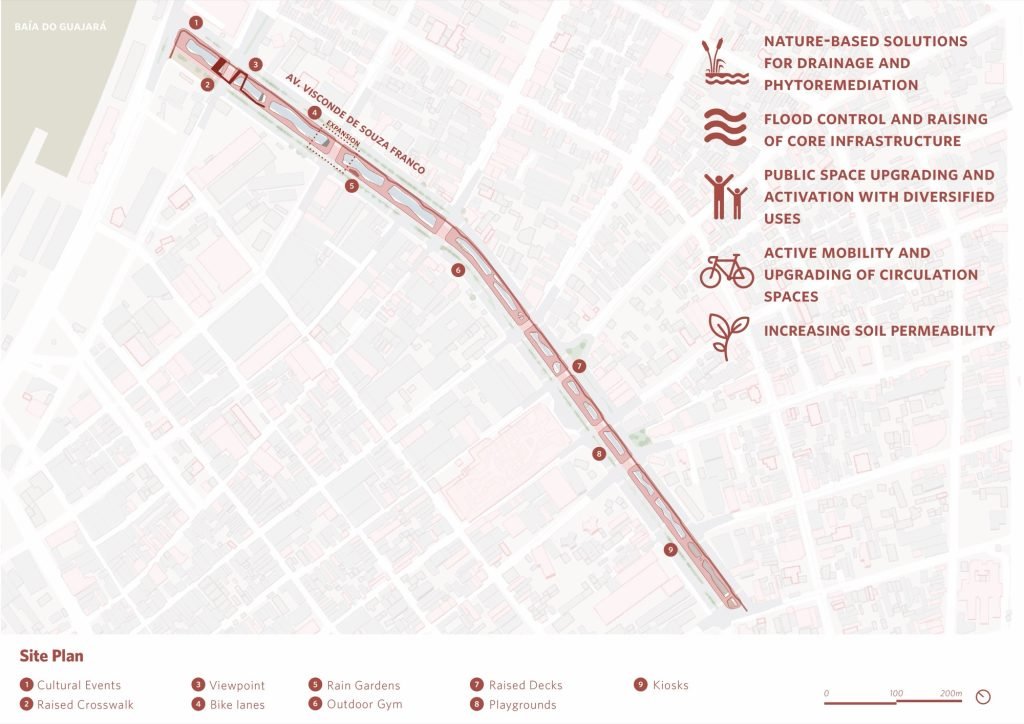
The project is grounded in the understanding that landscape is not merely the support of urbanization, but its fundamental structure. In a city like Belém, deeply shaped by fluvial dynamics, the disappearance of watercourses represents not only an environmental loss, but also a cultural and spatial rupture. Parque Linear Doca seeks to reverse this condition by restoring the presence, meaning, and function of water within the urban fabric.
Conceived within the broader context of COP30, the project positions itself as a contemporary response—while remaining sensitive to its local context—to the climate and social challenges faced by Amazonian cities. It proposes a transition from monofunctional infrastructure to a resilient and adaptive landscape system. The canal is redefined as the structuring element of a continuous green corridor of approximately 1.2 km, capable of articulating ecological processes, mobility systems, and public life.
At the ecological level, the project adopts nature-based solutions as a central design strategy. The replacement of impermeable linings with vegetated systems introduces new layers of biodiversity and increases the hydraulic roughness of the canal, contributing to improved water quality and flow regulation. Phytoremediation processes address diffuse pollution, while the expansion of permeable surfaces enhances infiltration and supports microclimatic regulation in an equatorial context. Flood resilience is addressed not only through containment measures, but through a calibrated combination of hydraulic improvements and the strategic elevation of public-use infrastructure, allowing the landscape to accommodate seasonal fluctuations in water levels.
At the urban scale, the project responds to a fragmented, car-oriented context characterized by the lack of quality public spaces, limited shading, and low pedestrian connectivity. Parque Linear Doca restructures this condition by prioritizing active mobility and environmental continuity. New pedestrian and cycling infrastructures establish longitudinal and transversal connections, integrating neighborhoods previously segregated by the avenue and the canal itself.
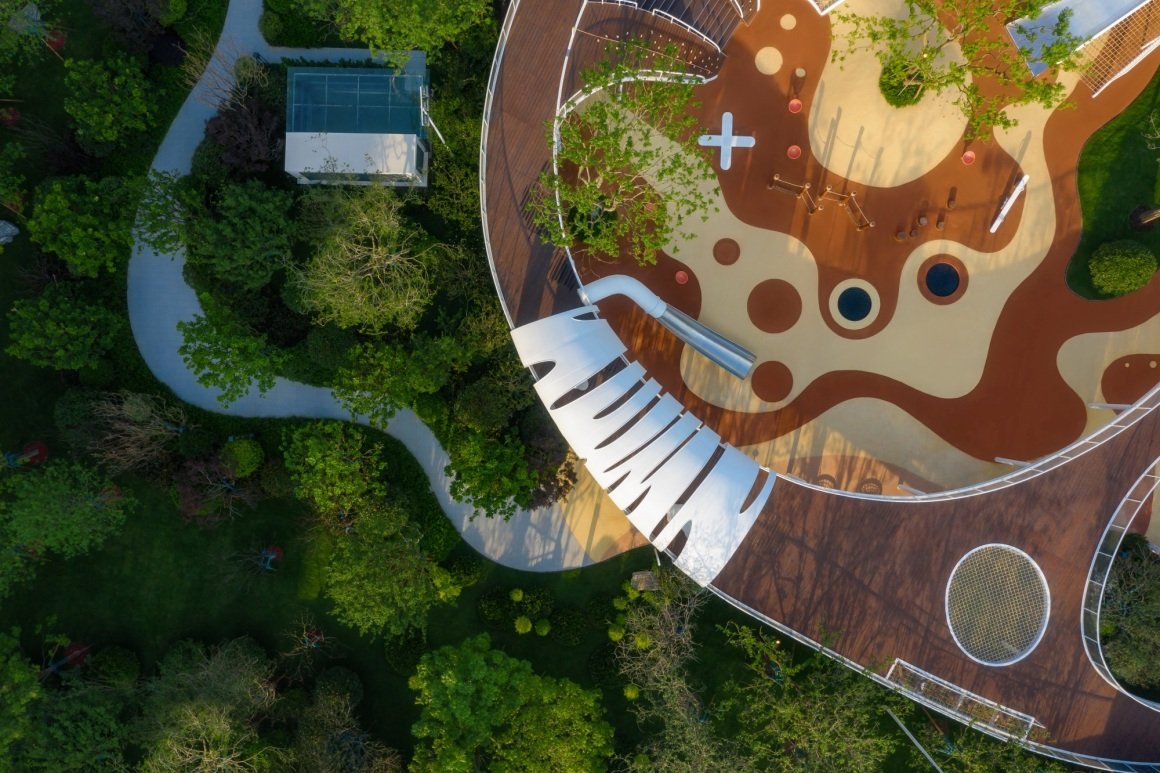
The linear park also introduces a diverse and inclusive program that engages with the pre-existing vocations of its surroundings. Along its length, a sequence of spatial situations unfolds, including elevated walkways, viewpoints, shaded resting areas, playgrounds, sports facilities, and spaces for gathering and contemplation. These elements are integrated into a requalified landscape that prioritizes environmental comfort, accessibility, and sensory richness.
Beyond its physical transformations, the project operates as an act of cultural reconstruction. By reclaiming the “memory of water” as a living narrative embedded in space, Parque Linear Doca fosters a renewed connection between the population and the hydrological systems that sustain the city. It thus demonstrates the potential of landscape architecture to mediate between infrastructure and life, between past ecologies and future urbanization. By transforming a neglected and residual space into a vibrant public realm, the project articulates ecological, social, and symbolic dimensions within an integrated system. More than a punctual intervention, it proposes a replicable model for cities facing similar challenges—particularly in tropical contexts shaped by the presence of water, where the reconciliation between nature and urbanization is urgent.
More than a park, Parque Linear Doca constitutes an infrastructure of resilience and a platform for coexistence. By revealing, integrating, and valuing water as a central element of the urban landscape, the project points toward more sustainable, inclusive, and meaningful futures.
Technical sheet
Area
40,080.24 m²
Client
Government of Pará
Coordination
Manoela Machado and Pedro Lira
Project Leader
Giulia Corsi
Team
Claudia Jaegerman, Julia Ximenes, Juliana Santos, Luan Neske, Nicollas Rangel and Yan Azevedo
Partners
Vallenge Engenharia, Geasa Engenharia and Marcello Sanguinetti Estruturas Ltda
Photography
Manuel Sá and Leonardo Finotti
Av. Visc. de Souza Franco – Reduto, Belém – PA, 66055-005