

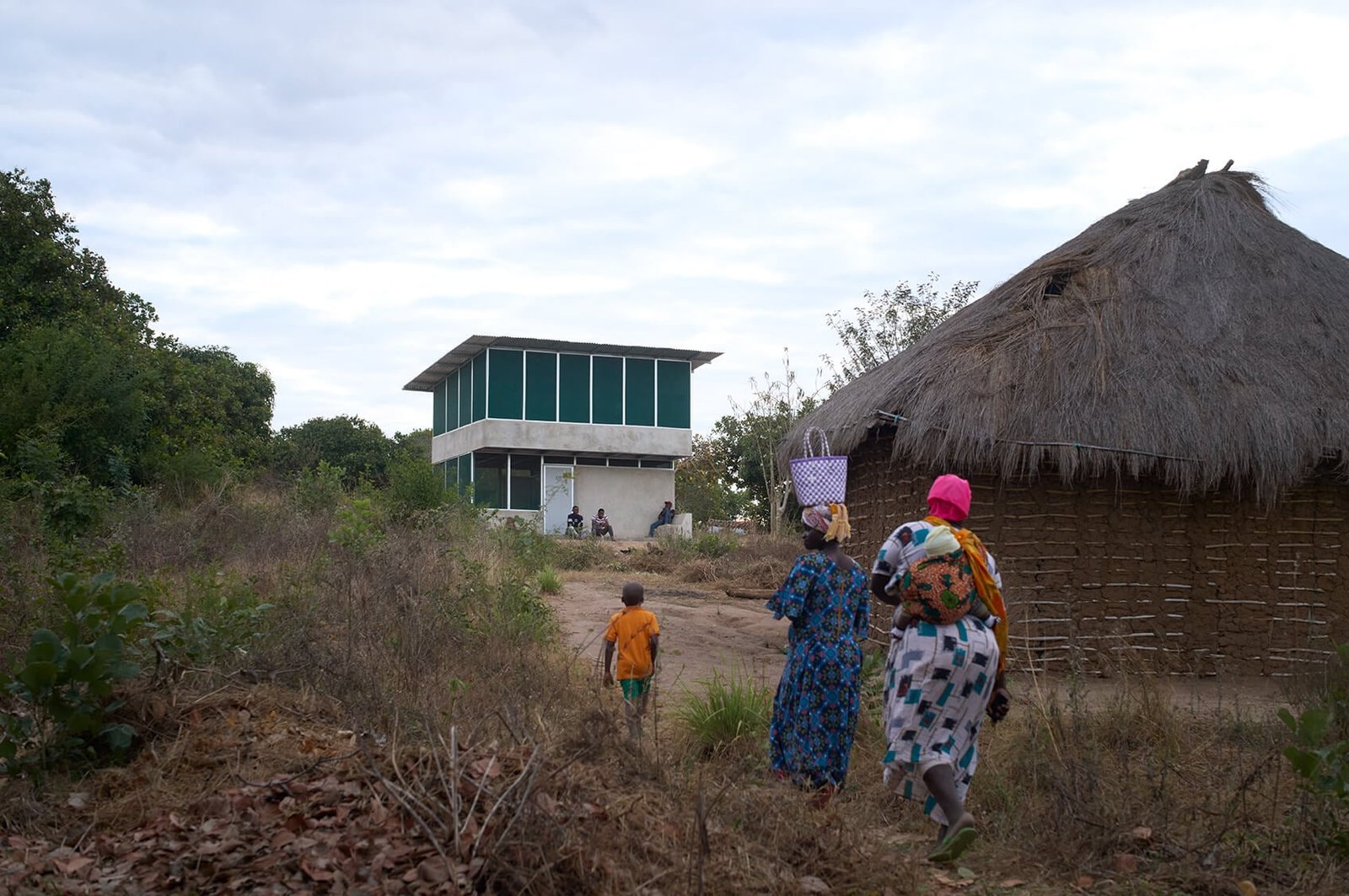

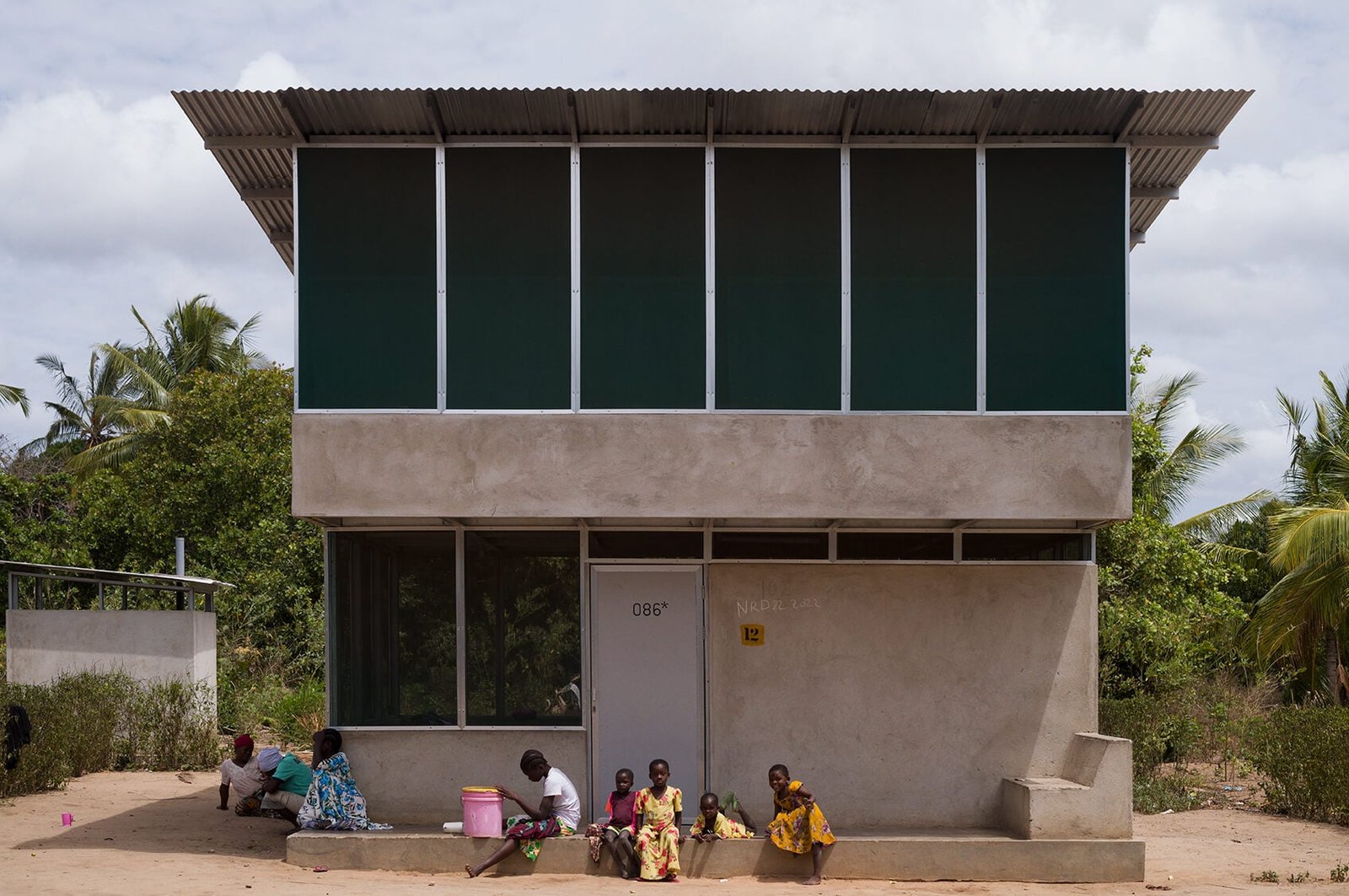
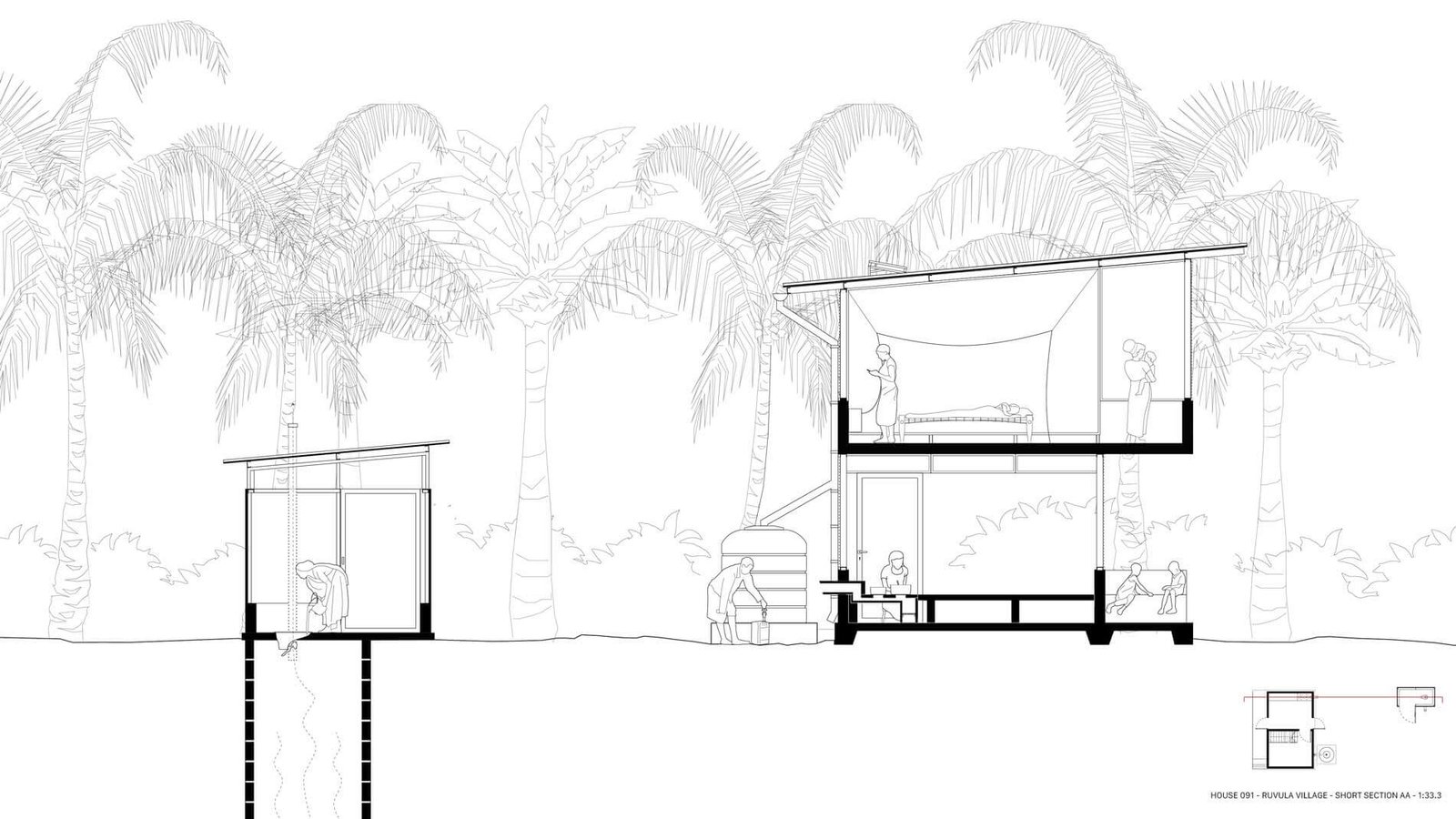
A three-year study of rural housing in sub-Saharan Africa is now complete, in which 110 prefabricated “Star Homes” were built throughout 70 villages in Tanzania. The goal was to better understand the corollary between housing and public health.
The prefabricated, 2-story Star Homes were designed by Ingvartsen Architects, led by Jakob Knudsen, dean of the Royal Danish Academy. And the research was conducted by two Tanzanian institutions: CSK Research Solutions and Ifakara Health Institute.
The Mahidol-Oxford Tropical Medicine Research Unit at the University of Oxford; Durham University; Amsterdam UMC; and University of the Philippines, Manila; and East, Central and Southern Africa Health Community were also research partners.
“What is groundbreaking about the project is that architecture is incorporated as an active component of a randomized clinical trial and measured with the same level of rigor as medical research,” Knudsen said in a statement.
“Architecture can function as a health intervention on a par with medicine when it is developed and documented using scientific methods, while at the same time saving resources and reducing carbon emissions,” Knudsen elaborated.
Most housing in Tanzanian villages today uses mud and thatch, researchers said, and are single-story, placing the sleeping spaces at-grade. The Star Homes come in at a lower cost than conventional construction in Tanzanian villages and can help mitigate disease.
The prototypical homes require 73 percent less concrete, and generate 57 percent less embodied carbon. They cost 24 percent less in materials than a traditional single-story cement-block house, according to preliminary economic analysis.
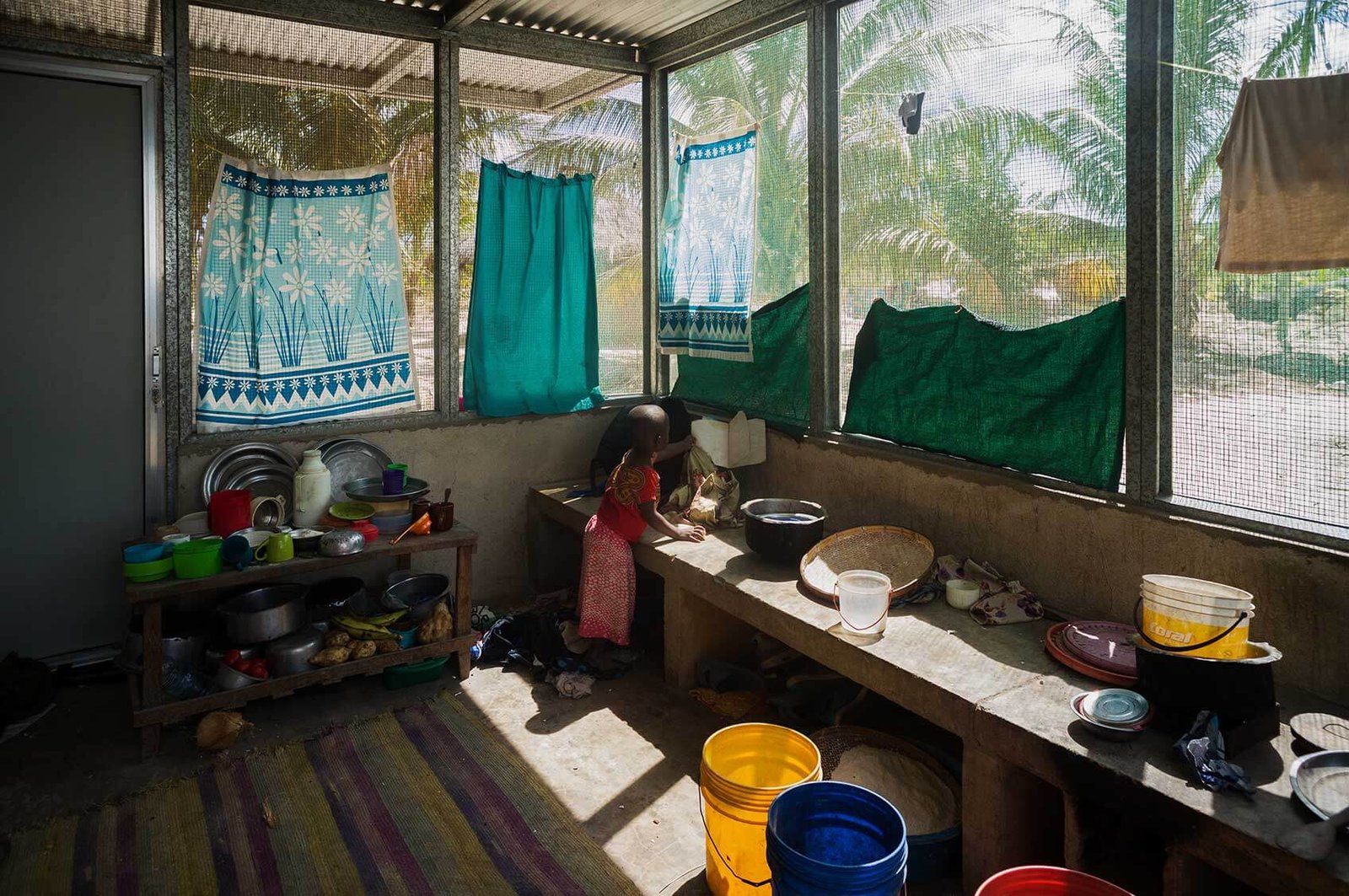
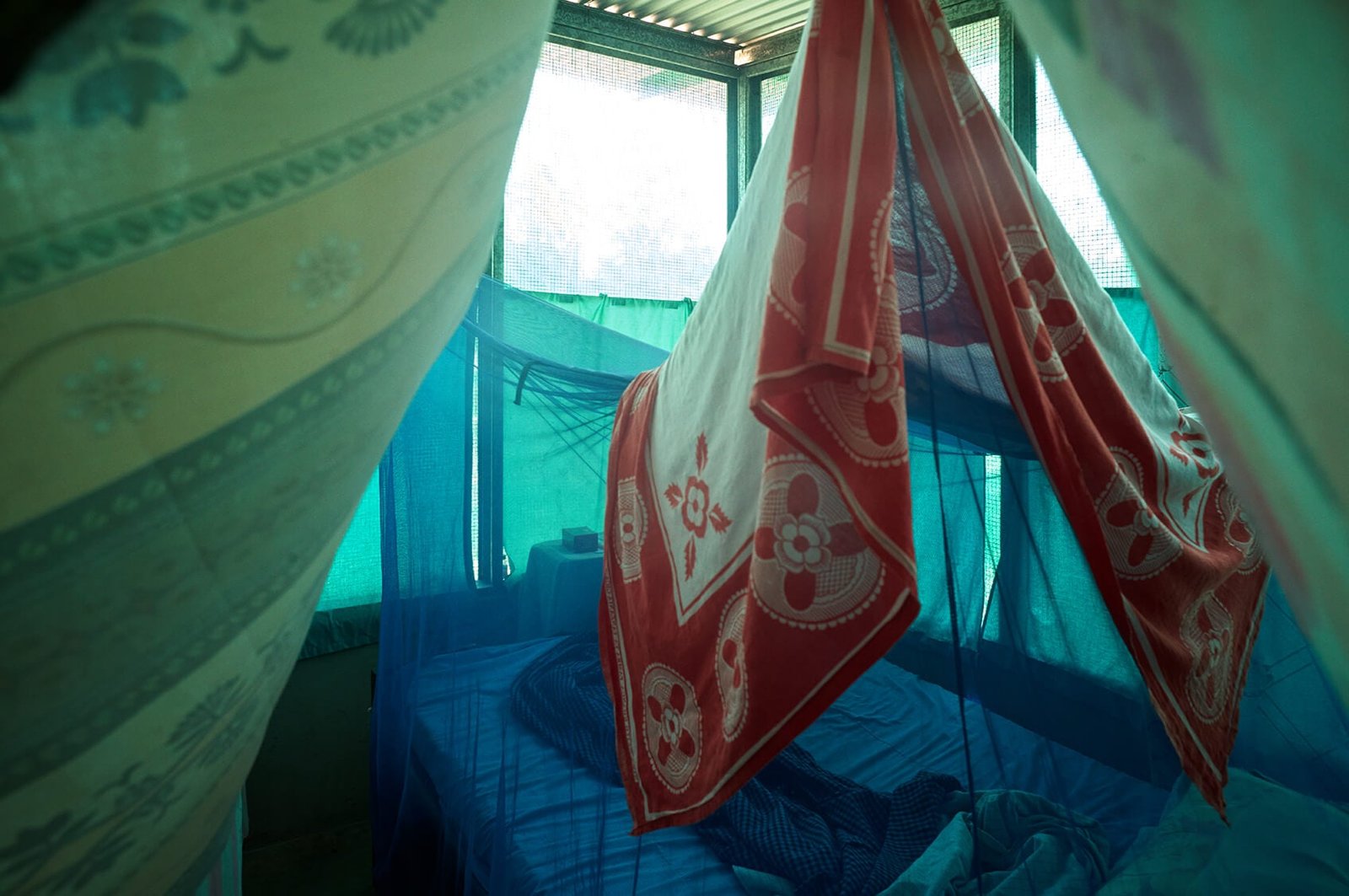
The Star Homes were designed using passive engineering techniques. Bedrooms are located on the upper floor, away from mosquitoes, which tend to hover closer to the ground. Air-permeable, shade-net walls and optimized cross-ventilation both cool sleeping areas and also deter mosquitoes.
The windows are screened, and self-closing doors likewise reduce insect entry. The homes have rainwater harvesting systems for safe drinking water, fly-proof ventilated pit latrines, solar power lighting, and cooking stoves that vent smoke outdoors.
Researchers who tracked public health quality in the Star Homes found that children under the age of 13 living in the modules experienced 44 percent less malaria, 30 percent less diarrhea, and 18 percent less acute respiratory infections. The studies also found children were experiencing less infections and their growth was less “stunted.”
“The growth data may be the most striking finding. Children growing up healthier are the ultimate measure of success. Reducing stunting has lifelong consequences for education, earnings, and wellbeing—and we achieved it simply by building a better house,” according to Salum Mshamu, lead field investigator of CSK Research Solutions.
The trial ultimately denotes a proof of concept, researchers said, and the prototypes can be adapted using a variety of other building materials depending on context and local supply chains.
The study is essential, researchers continued, because Africa’s population will likely grow from 1.5 billion people to upward of 3.7 billion people by 2070, demanding millions of new homes.